

Latest Articles

What Is Vertical Drama, and Why Is It Eating Streaming’s Lunch?
Your phone just became a storytelling frontier, and most people haven’t noticed. This format was built for thumbs, not theaters, and it hooks audiences in seconds flat. Why are studios suddenly paying close attention? What does a story look like when every episode ends on a cliffhanger? And how does a writer master a medium still figuring out its own rules? The answer might change how you think about your next script.

The Vertical Drama Cliffhanger: Writing a Hook Every 90 Seconds
Ninety seconds is all you get per episode, and a hundred-plus of them means every ending has to pull the viewer toward the next tap. The craft lies in what you withhold: a question that sharpens, a secret that waits, a door that swings open at the worst moment. Some endings detonate slowly, some twist the story back on its hero, and some cut off mid-breath. Which one works, and why a single frozen face can make the difference, is where the real playbook starts.

What the WGA Actually Says About AI (And What It Means for You)
The WGA's 2023 deal shields writers from AI credit theft and forced AI use, but only at major studios. For everyone else: no rules exist yet. What protections actually cover you? Which writers fall through the gaps? Why does your personal AI standard matter more than ever? And what happens when the technology outpaces the law itself?
A.I. Wrote Your Coverage - Should You Trust It?
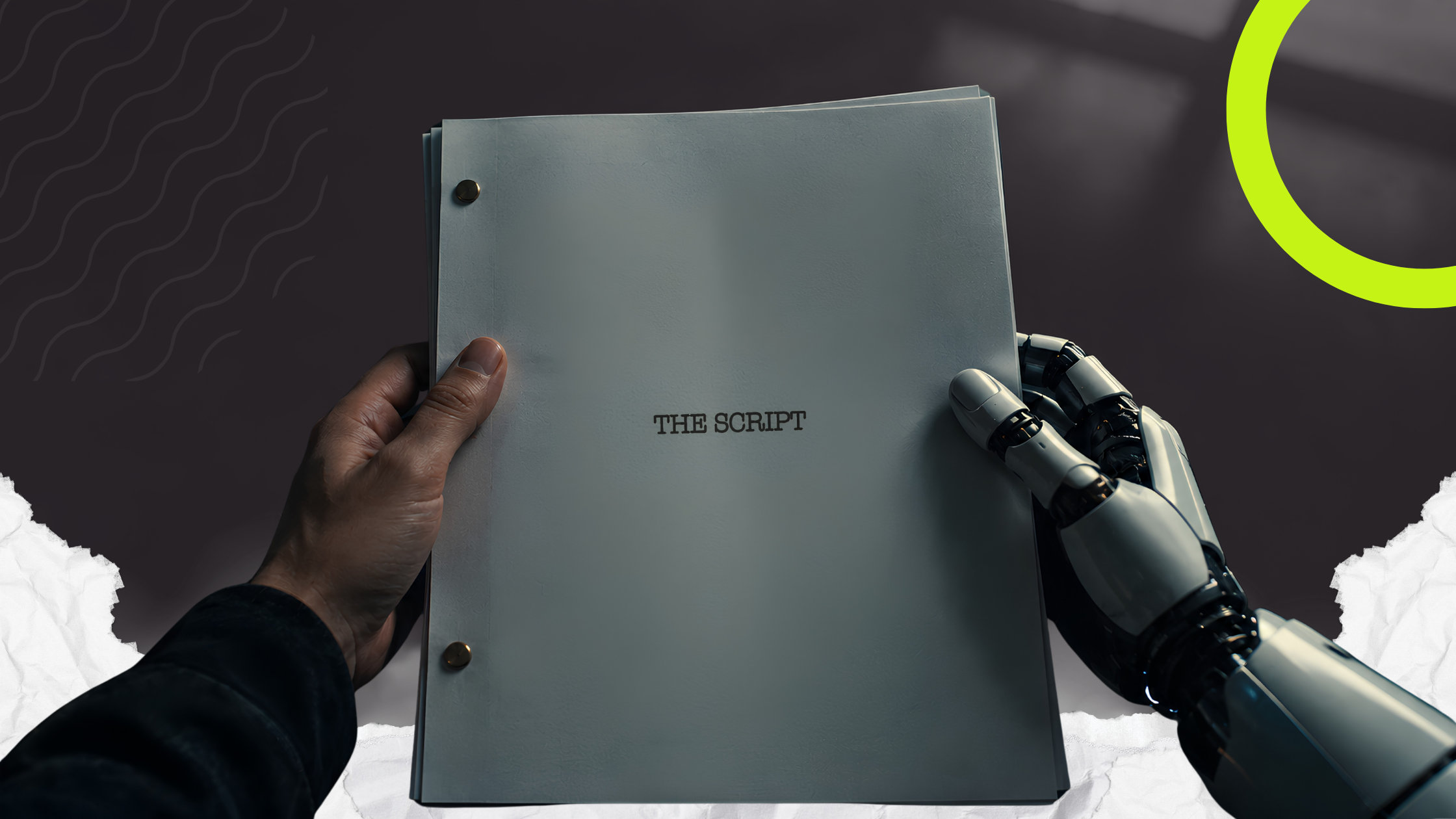
AI coverage reads your script in 90 seconds and nails what human readers miss. But here's the catch: it's systematically destroying what makes your writing yours. Find out where AI gets it dangerously wrong, and whether you should trust it at all.

Point of View and Narration: Choosing Whose Story This Really Is
The perspective you choose determines everything. Whether audiences sympathize with your protagonist, what information they're given and when, and how they experience the plot's unfolding. Explore POV through The Usual Suspects, 500 Days of Summer, and Django Unchained and learn when supporting characters steal the spotlight from those meant to lead.

Are They Even Trying?Everything Wrong with the Disclosure Day Script
Spielberg's Disclosure Day had all the ingredients for brilliance, a thrilling premise, an A-list cast, David Koepp's name on the screenplay. But the execution collapsed. The script packed the story with three miracle devices that can do anything, cardboard villains, and a plot that's just chase scenes stitched together. Even the best directors can't phone it in when it comes to the fundamentals: characters worth caring about, stakes that matter, and a story that actually goes somewhere.

Writing Your First Ten Pages: The Page-1 Hook
Your first page isn't decoration, it's a promise. Why does Sing Sing's costume swap stop you cold? Why does La La Land's traffic jam make you ache before a word of dialogue lands? Great screenwriters plant a question on page one and let it cascade through page ten, using protagonist, tone, genre, and stakes to keep you turning pages. Here's how Knives Out, Children of Men, and The Substance pull it off.

Character Arcs: Mapping Change from Page One to Fade Out
Your character's arc is the story itself, not a personality trait sprinkled on top. Learn how to map change from page one to fade out by identifying four critical checkpoints: where they start, where they're tested, where they break, and where they land. This is how you build intentional, resonant storytelling.
Want vs. Need: Building the Internal/External Engine of Your Protagonist
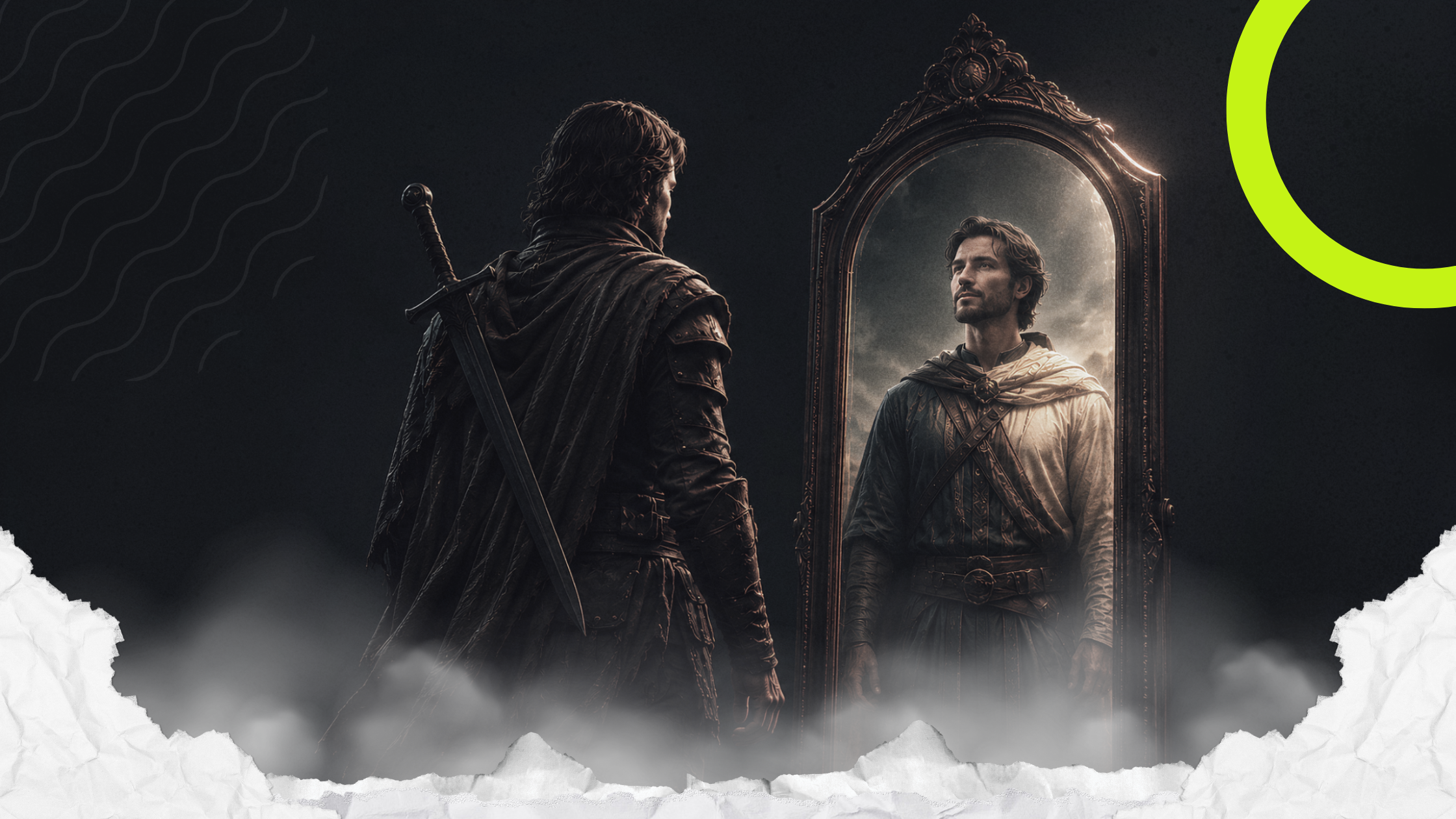
Every great protagonist runs on two engines: what they want, and what they actually need. Using Jules from Pulp Fiction and Carl from Up, learn why these can't be the same thing, how to dramatize internal change instead of stating it, and how to structure the shift across three acts, plus the mistakes that flatten a character's arc before it starts.

TV Pilot Craft: Structuring a Pilot That Sells a Series
The pilot isn't just an episode, it's a pitch. Master the hook that reveals tone and stakes instantly, structure multiple storylines to prove ensemble depth, and expose the story engine that will sustain your entire series. Learn how Breaking Bad and Hacks sold their worlds in one hour by doing double duty: resolving the episode while opening doors to season-long conflict. The pilot that sells is the pilot that asks more questions than it answers.

The Anatomy of a Rom-Com: Structure, Beats, and What Makes the Formula Work
Think you know how rom-coms end? You do. The real craft is making you doubt it anyway. Learn what separates a script that lands from one that frustrates audiences, the pitfalls that kill chemistry, the twists that feel earned, and how to strengthen your concept right now.

Understanding Theme: How to Say Something Without Preaching
Every great story is trying to say something. The challenge is making sure the audience feels it without feeling lectured. Theme is where that balance begins. It shapes your characters, sharpens your choices, and gives every scene a deeper purpose. When you understand what your story is really about, your screenplay becomes more than a plot, it becomes something that stays with people.

The YouTube-to-Hollywood Pipeline:What Emerging Directors Are Learning Online
For a new generation of filmmakers, the path to Hollywood no longer has to begin in film school. From Kane Parsons’ eerie Backrooms universe to Curry Barker’s leap from YouTube sketches to genre filmmaking, online creators are proving that craft, audience instinct, and resourcefulness can build a directing career from the ground up, one upload at a time.

Hacks Pilot Script Analysis: How Character Conflict Builds a Brilliant Comedy Premise
The Hacks pilot is a brilliant study in character construction, comic tension, and clean dramatic setup. In just one episode, it gives us two fully realized protagonists, clear professional stakes, personal wounds, and a relationship built to generate conflict from the first meeting. Deborah and Ava are not simply funny opposites; they are carefully designed forces of pressure, ego, and vulnerability. For screenwriters, this pilot is a sharp lesson in how to make character, premise, and theme collide.
Page Economy: How to Keep Your Script Lean
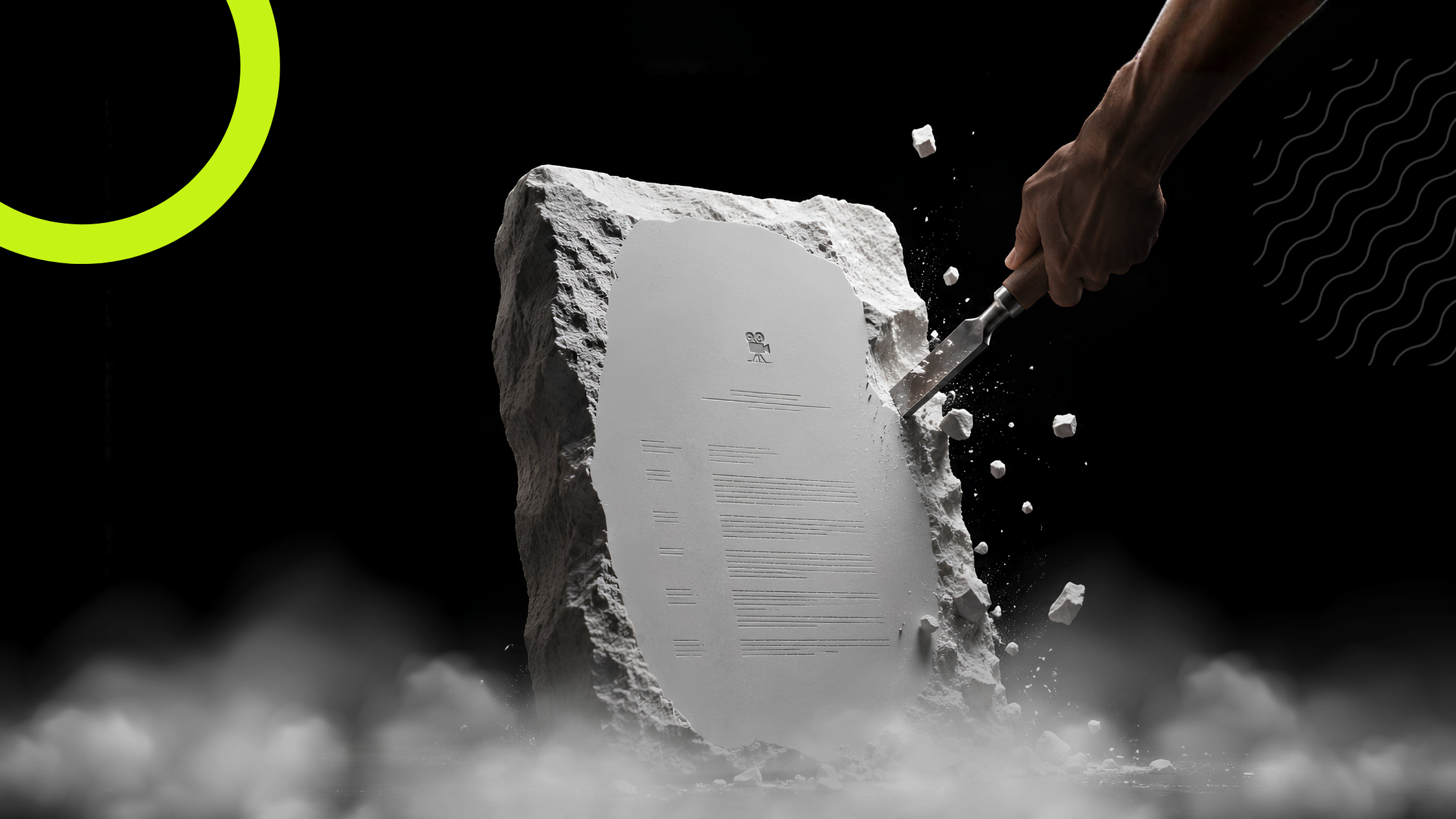
Every writer has pages they love a little too much. A joke that works, a scene that feels clever, a moment that was fun to write, but sometimes, those are the very things slowing the script down. Page economy is about learning what your story truly needs, what your reader will actually feel, and how to make every page pull its weight without losing the voice that made you write it in the first place.
Best Film Festivals in South Asia
South Asia is home to some of the most exciting and fast-growing film festivals in the world, offering filmmakers the chance to connect with passionate audiences, industry professionals, and global opportunities. From Oscar-qualifying festivals in India to bold independent showcases in Nepal, Bhutan, Sri Lanka, Pakistan, and the Maldives, these festivals celebrate diverse voices, daring storytelling, and the power of cinema across the region.

Title Cards and Credit Sequences in Scripts: Cardinal Sins or No Big Deal?
Every screenwriter imagines the moment their title finally hits the screen. Yet writers are constantly told to avoid title cards and credit sequences altogether. Sometimes those moments become inseparable from a film’s identity. Other times, they expose style without substance. The hard part is knowing the difference.

Index Cards: A Simple Way to Build Your Story
What if your story isn’t stuck, you just can’t see it yet? Index cards offer a tactile, flexible way to break ideas into clear beats, rearrange them freely, and uncover structure in the chaos. From single images to full scenes, this hands-on approach helps you shape, test, and truly see your story come to life.

Common Screenplay Formatting Mistakes Readers Notice Immediately (And How to Fix Them)
Readers know within pages if a script is worth their time and formatting is often the giveaway. Missed caps, clunky action, overdirected dialogue, and unnecessary transitions quietly signal inexperience before your story even has a chance. The good news? These mistakes are easy to fix. Here’s how tightening your formatting can instantly elevate your script.

Should You Storyboard as a Writer
Should you storyboard as a writer, or is it secretly hurting your script? From unlocking visual ideas and sharpening action to the hidden risks of overplanning and killing spontaneity, this deep dive reveals when sketching scenes can elevate your storytelling and when it might hold you back. Find the approach that actually works for your writing process.