


Latest Articles
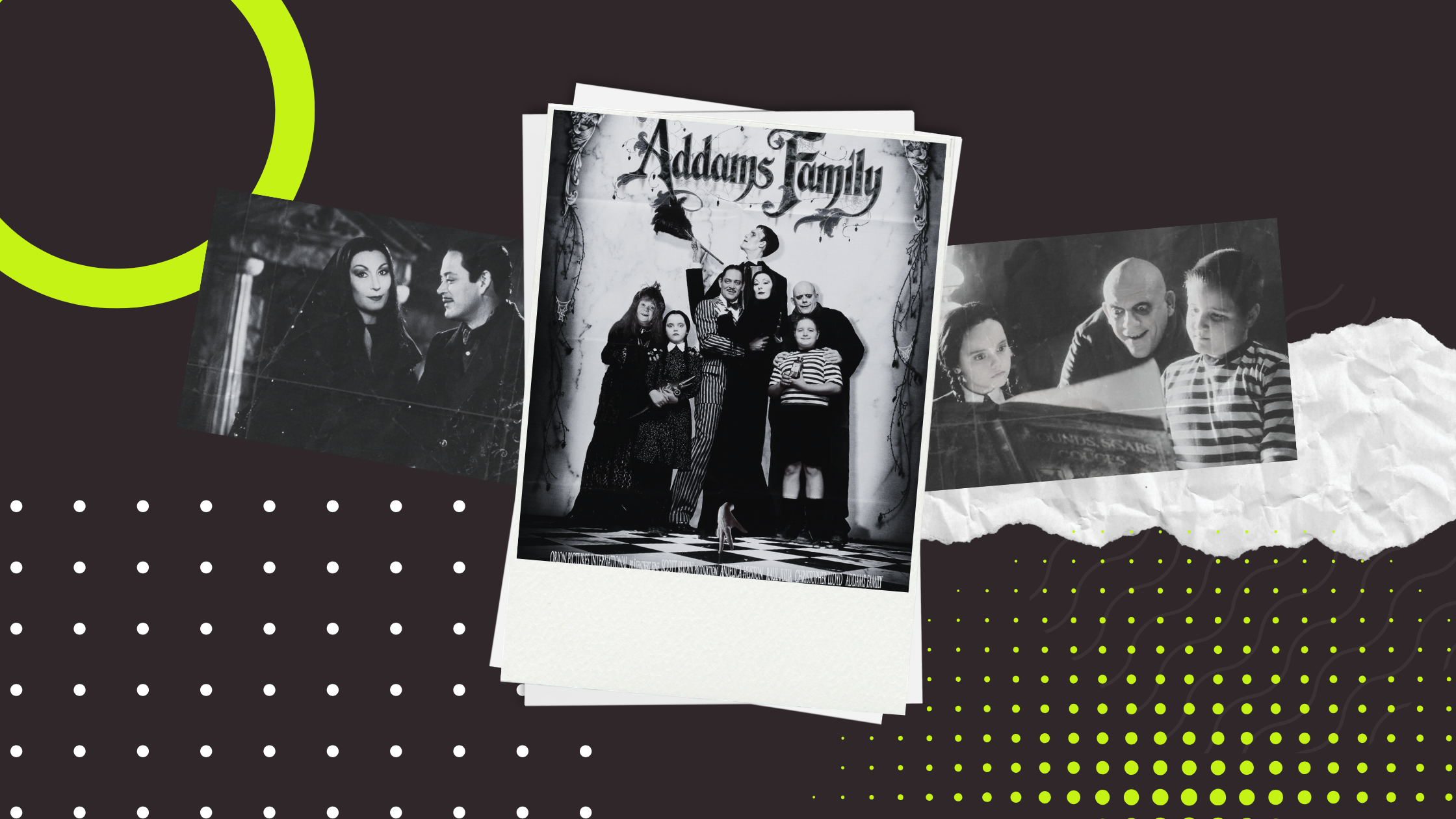
The Addams Family 1991: How "As If" Humor Mastered Gothic Comedy
The Addams Family thrives on "as if" humor, treating gothic absurdity as mundane reality. When a con artist poses as the missing uncle Fester to steal the family's fortune, Wednesday's suspicion triggers a plot that tests the impostor's resolve. Yet genuine bonds with the children crack his resolve, leading to redemption. The film's genius lies in its unwavering commitment to the family's macabre worldview, where danger and affection coexist naturally.
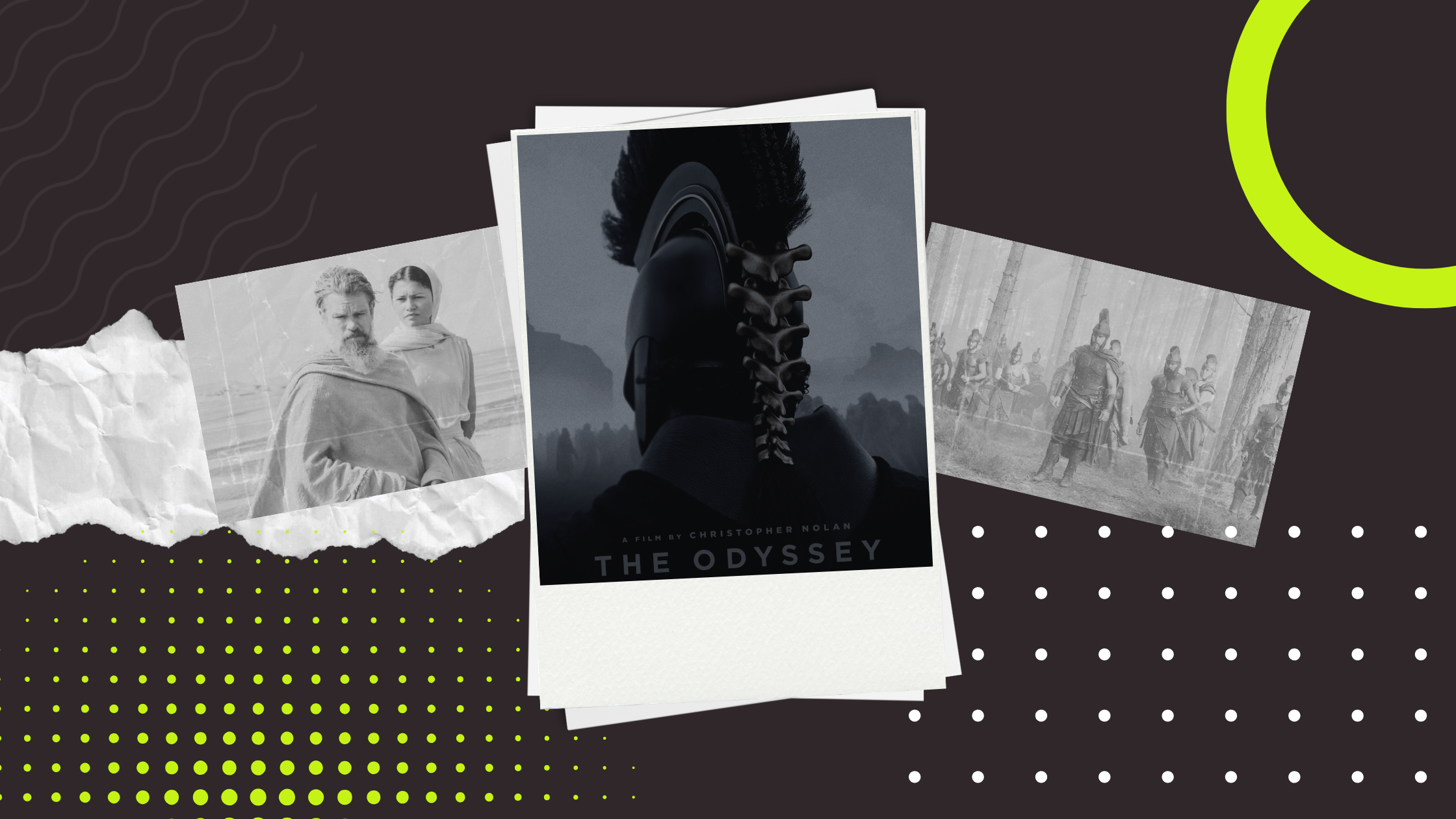
Nolan's Odyssey Script Analysis: How Modern Filmmaking Rewrites Ancient Myths
Nolan's Odyssey isn't Homer's story, it's a meditation on guilt, storytelling, and how retelling changes everything. Watch as an ancient hero confronts his own crimes, ambiguous gods fade into trauma, and a filmmaker asks: what survives when legends are told too many times?
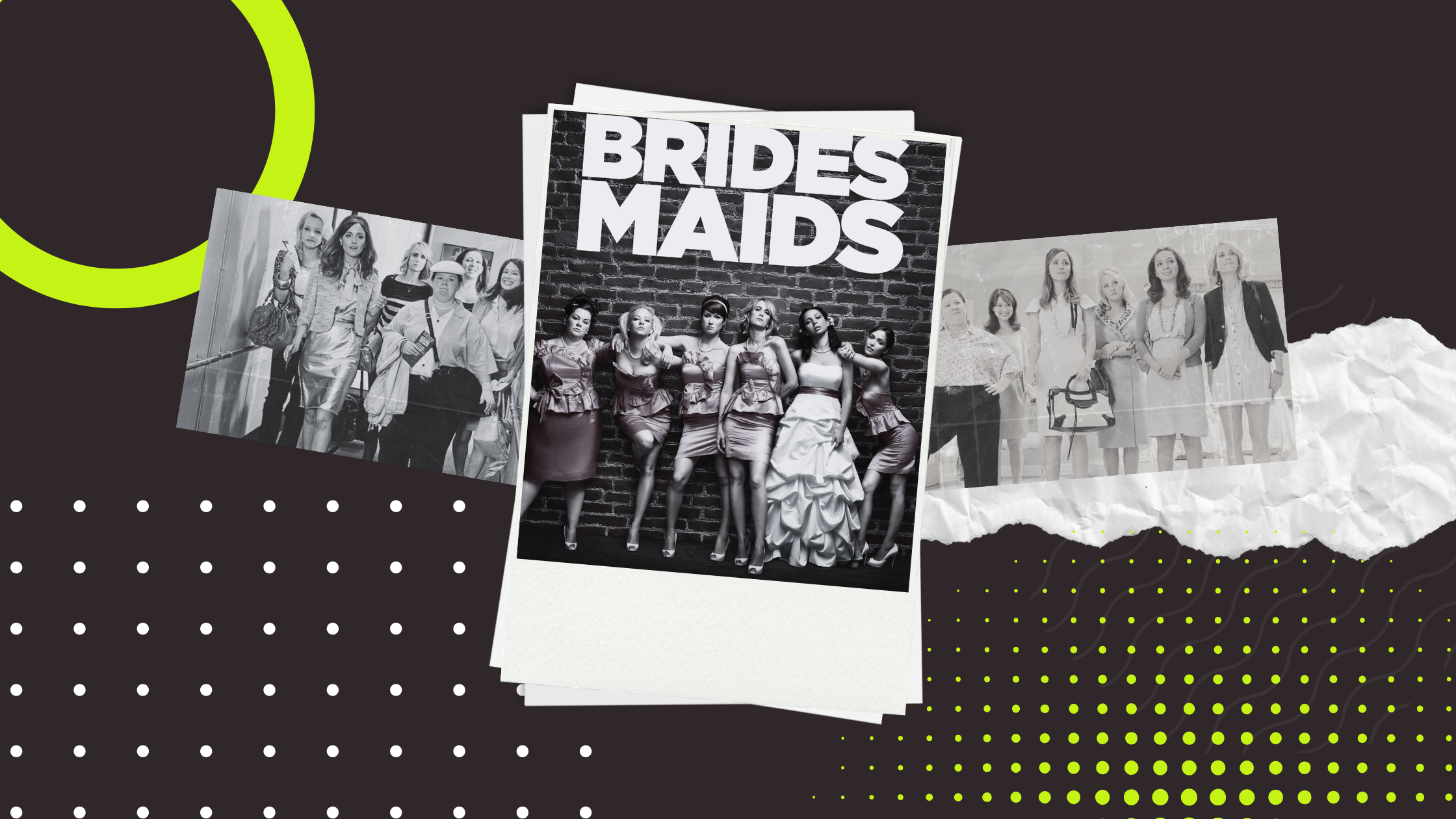
Bridesmaids Screenplay Breakdown: Female Comedy Writing Guide
Two women. One bride. Zero chill. Annie shows up to be maid of honor only to discover Helen, her polar opposite, is here to claim the best friend crown. And she's winning. Badly. As Annie spirals from bad decision to worse disaster, Bridesmaids mines comedy gold from humiliation, chaos, and the one friendship that matters more than Annie's ability to get out of her own way.

Rocky Horror Picture Show Script Analysis: How Queer Liberation Broke Every Horror Trope
Ever wonder why a film with a nonsensical plot still works perfectly? Dive into the screenplay of The Rocky Horror Picture Show, from the iconic red lips opening to Frank-N-Furter's seductive introduction. Discover the Wizard of Oz casting trick hiding in plain sight, and learn how an early draft wrote Frank as transgender, not just a transvestite, a change that reshapes the whole story.

Are They Even Trying?Everything Wrong with the Disclosure Day Script
Spielberg's Disclosure Day had all the ingredients for brilliance, a thrilling premise, an A-list cast, David Koepp's name on the screenplay. But the execution collapsed. The script packed the story with three miracle devices that can do anything, cardboard villains, and a plot that's just chase scenes stitched together. Even the best directors can't phone it in when it comes to the fundamentals: characters worth caring about, stakes that matter, and a story that actually goes somewhere.
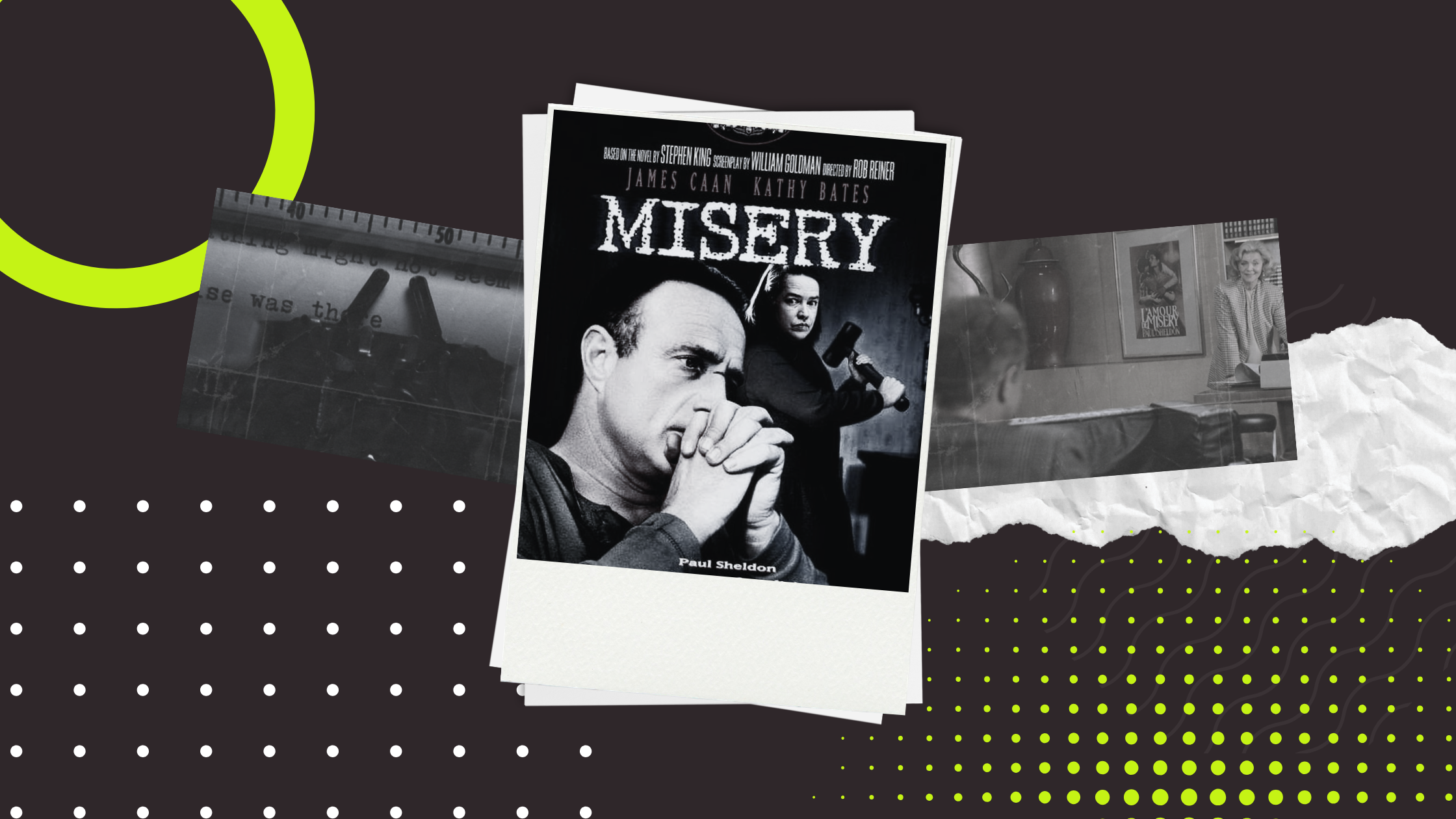
The Perfect Elevator Pitch: A Misery Script Analysis
Misery isn't just a horror classic, it's a lesson in the perfect elevator pitch. William Goldman's script strips a Stephen King story down to its rawest form: a trapped writer, an obsessive "fan," and a house with no way out. No subplots. No padding. Just Annie Wilkes, a typewriter, and pure, sustained dread, proof that the simplest premise, executed with precision, is often the most terrifying.

How Iron Man Built an Empire: The Script Analysis
The screenplay that launched the MCU is a masterclass in construction. See how the writers plant details that pay off perfectly, pace tension across three acts, and build a hero's journey that earns every beat. Discover what made Iron Man unstoppable, and why Marvel never looked back.

Why Your Midpoint Pivot Isn't Working (And How Elle Woods Fixes It): Legally Blonde Script Analysis
How does a character-driven comedy sustain momentum across three acts? Legally Blonde teaches the architecture: an inciting incident that forces the protagonist to pursue an external goal, a midpoint pivot where internal transformation becomes the real story, and a finale that resolves both plot and character arc simultaneously. Elle's expertise in fashion, her genuine passion: becomes the tool that solves the central conflict and distinguishes her from every other fish-out-of-water story.
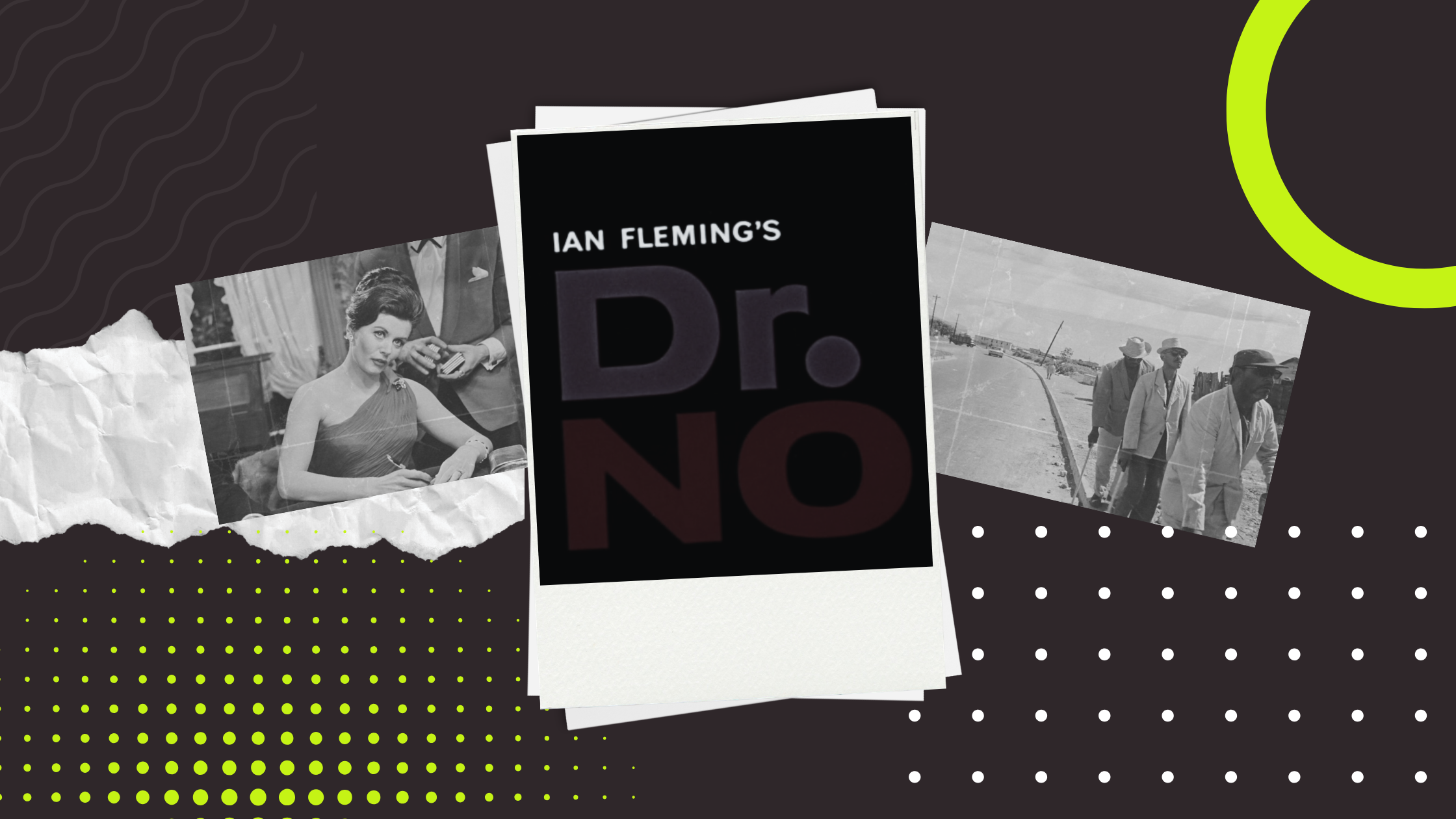
Nailing it the First Time: A Dr. No Script Analysis
The Dr. No script didn't just launch a franchise, it perfected the Bond formula on the first try. Every trope, twist, and quip that defined 007 for six decades emerged fully formed from this 1962 screenplay. The writers nailed the blueprint so completely that nothing's needed fixing since.

When Rom-Com Turns Confession: Breaking Down The Drama
A wedding speech. A confession game. A secret that reframes everything. Kristoffer Borgli's The Drama opens as a breezy rom-com, then pulls the rug out with a revelation about Emma's teenage past that Charlie can't stop picking apart. Zendaya and Robert Pattinson anchor a genre-blurring story about empathy, violence, and how far love stretches when the truth gets ugly. Dive into the breakdown.

The Emotional Architecture of Voicemails for Isabelle: Script Analysis
Uncover Leah McKendrick's unconventional storytelling in this deep-dive script analysis. Explore how she delays the meet-cute to page 63, weaves grief with romance, and crafts authentic dialogue that transcends rom-com clichés. Learn the structural and emotional techniques that make 'Voicemails for Isabelle' a masterclass in modern screenwriting craft.

The Social Network Script Analysis: Unreliable Narrators, Power, and Perception
The Social Network remains one of cinema’s sharpest portraits of ambition, image, and betrayal. Learn how Aaron Sorkin uses unreliable narrators, fast-paced dialogue, and deposition-room tension to turn Facebook’s origin story into a deeper study of power, perception, and the stories we tell about ourselves online today and always in public view. Still painfully relevant...
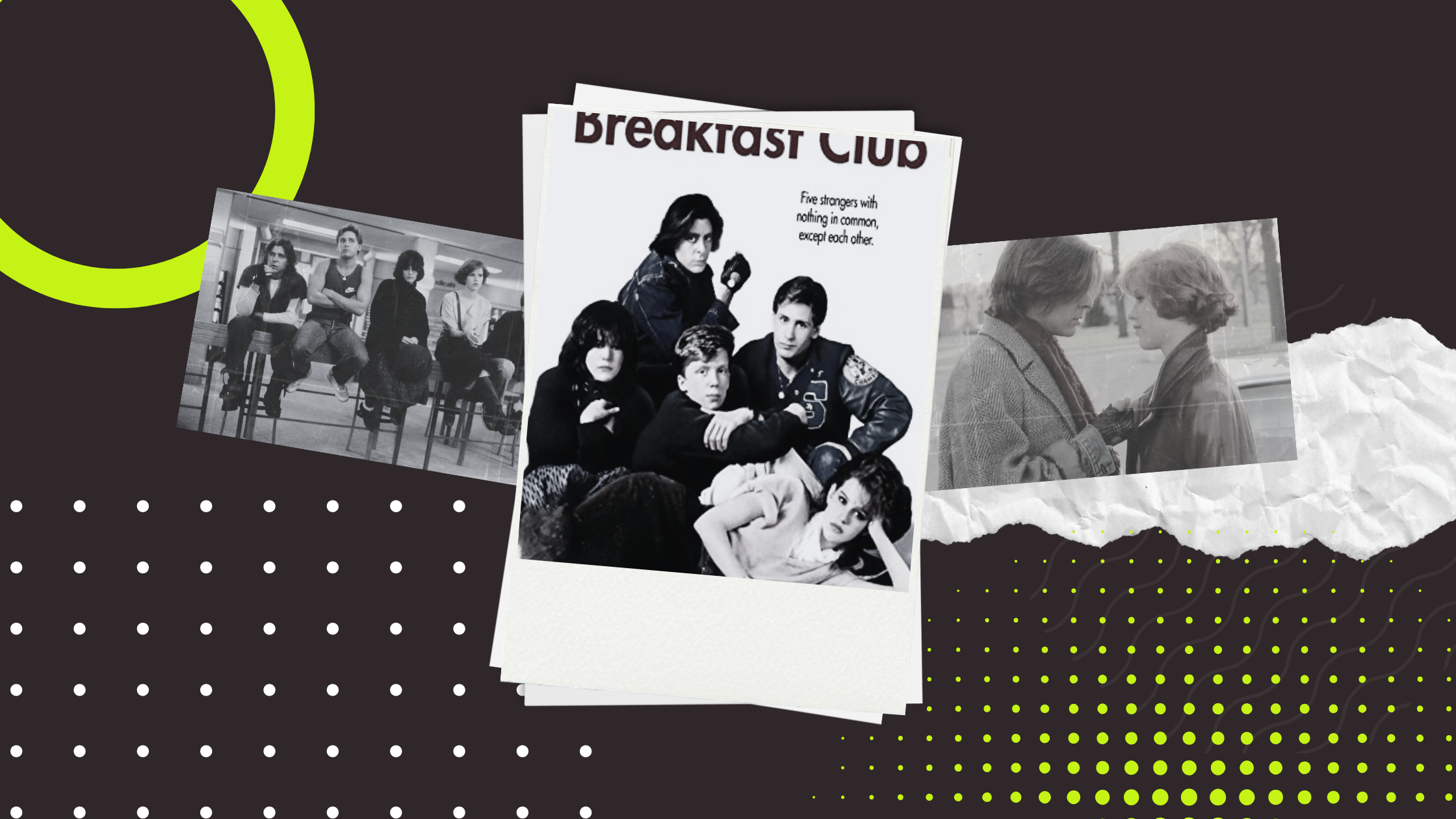
The Breakfast Club Script Analysis: How John Hughes Turns Teen Stereotypes Into Timeless Characters
Few films capture the ache of being misunderstood quite like The Breakfast Club. Set over one Saturday detention, the story slowly peels away the labels placed on five teenagers - the brain, the athlete, the basket case, the princess, and the criminal. What begins as awkward tension becomes something deeply human: a reminder that everyone is carrying more than they show.
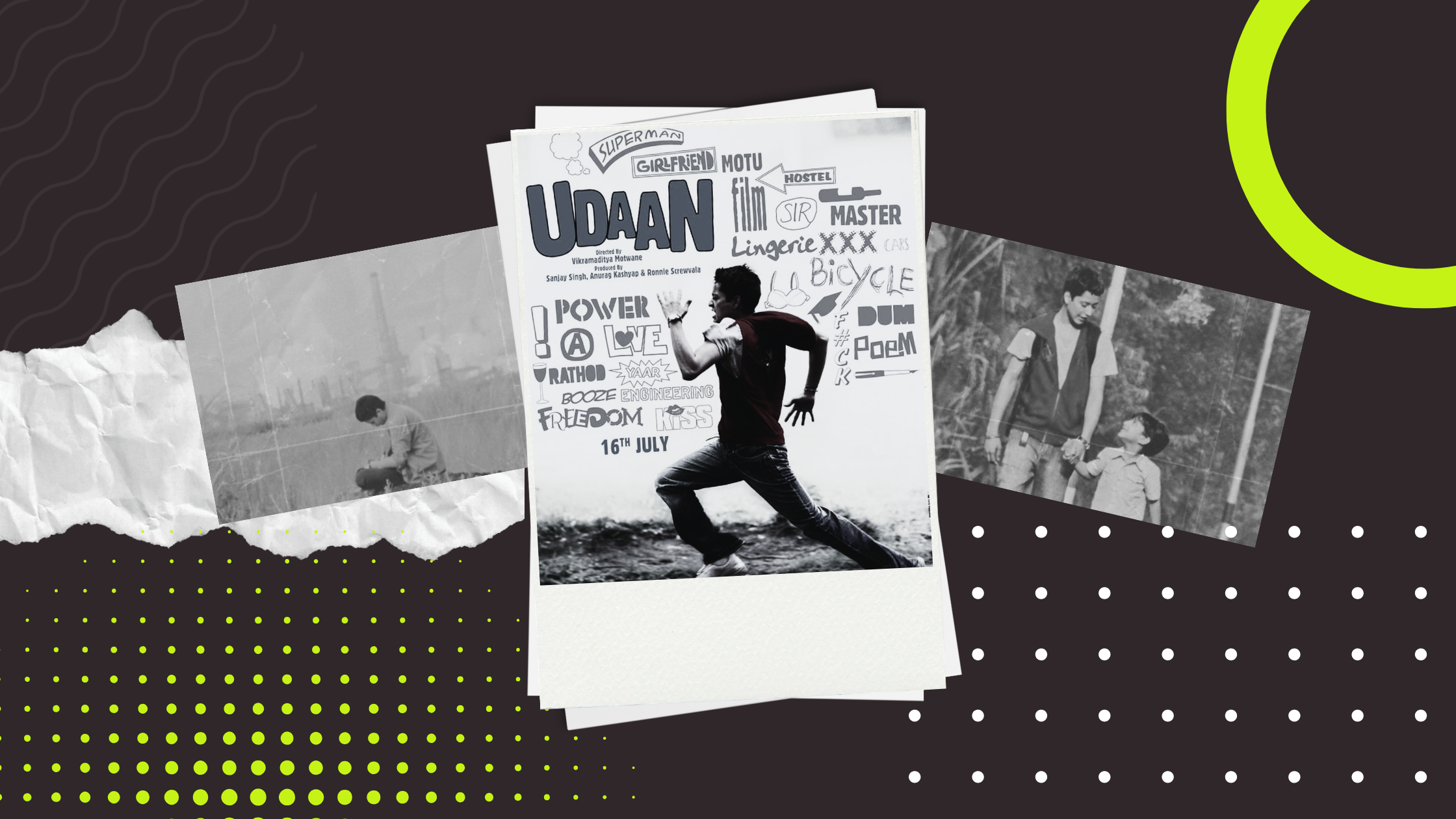
Realism In Bollywood: An Udaan Script Analysis
Sometimes a film catches you off guard not because it reinvents the story, but because it makes every familiar emotion feel painfully real. Udaan is one of those films. Through Rohan’s return home, his fractured relationship with his father, and the quiet bond he builds with his younger brother, the film becomes a raw, intimate look at control, escape, and the courage it takes to choose your own life.
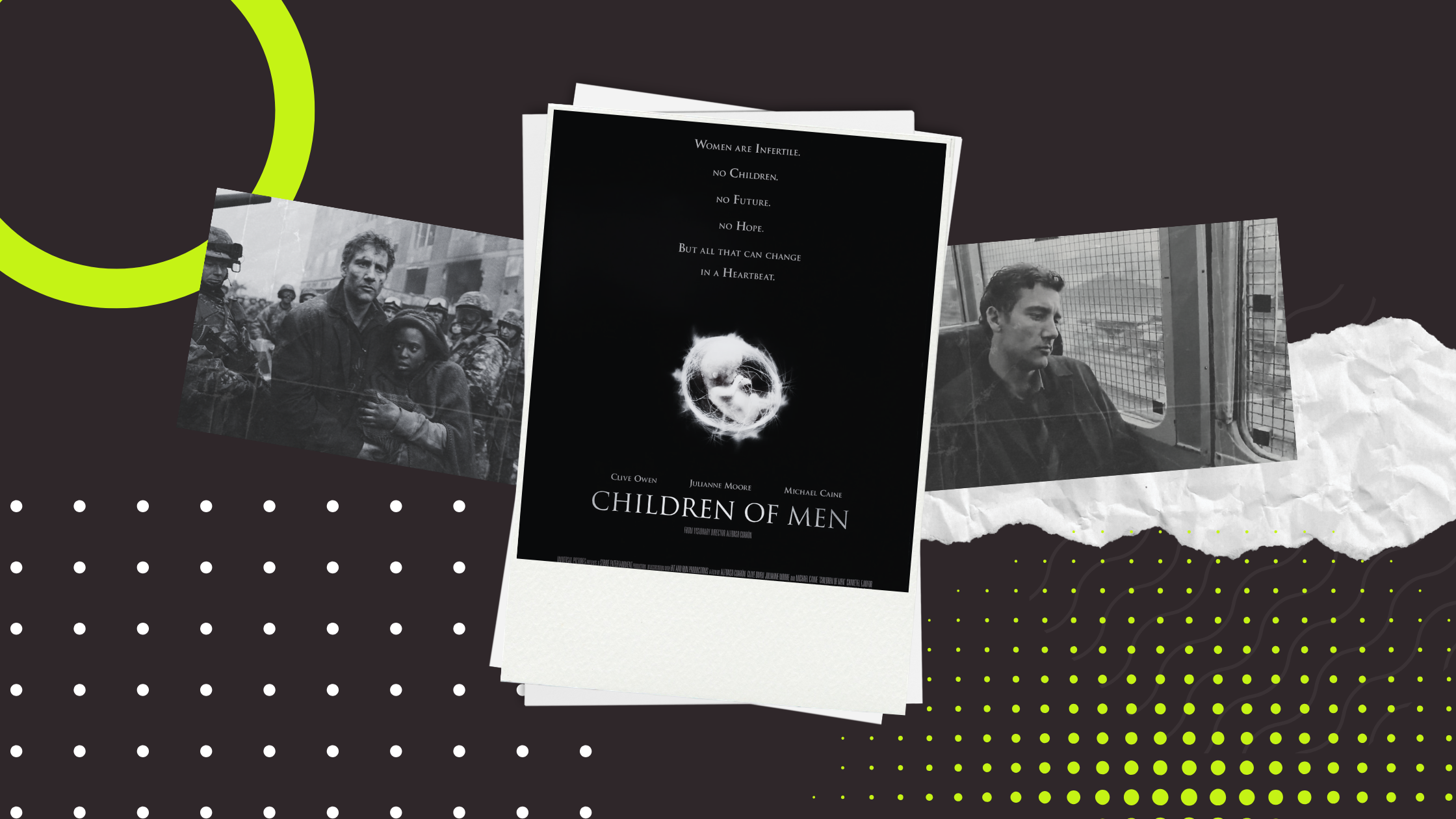
Why Children of Men Still Feels So Terrifyingly Relevant Today: Script Analysis
Children of Men has always been haunting, but watching it now feels almost too close for comfort. Its broken world, sudden violence, and fragile moments of hope make the story feel painfully human. What stays with you isn’t just the dystopia, but the people trying to survive inside it, and the way one small life can make a collapsing world pause.
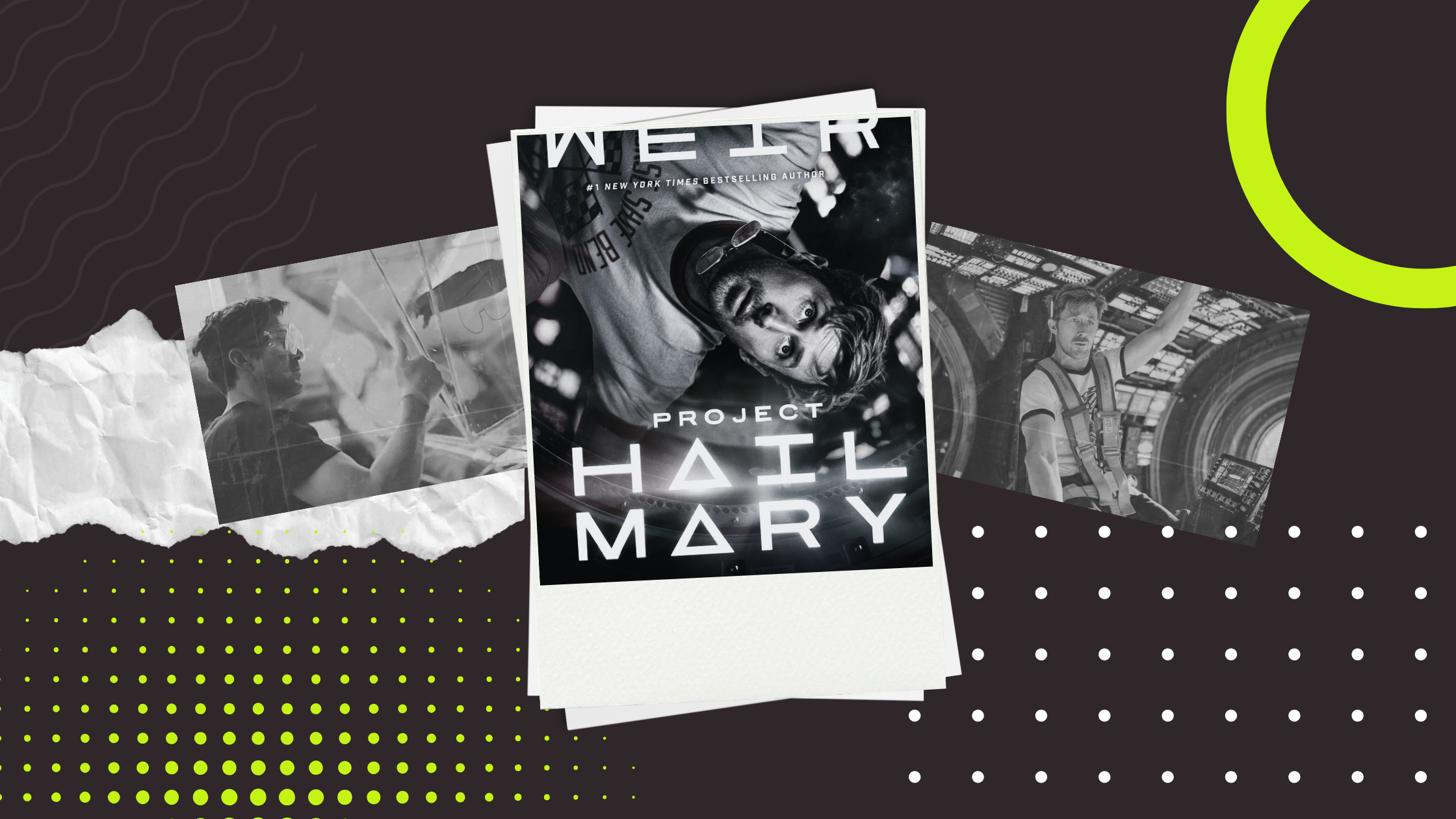
Why Project Hail Mary Became Sci-Fi’s Most Human Blockbuster
Most sci-fi films chase spectacle. Project Hail Mary chases humanity. Beneath the interstellar stakes, alien encounters, and dying suns is a surprisingly personal story about fear, loneliness, friendship, and rediscovering purpose. What begins as a survival mission slowly becomes something warmer, messier, and deeply emotional, proving that the best science fiction isn’t really about space at all, but the people trying to survive it.
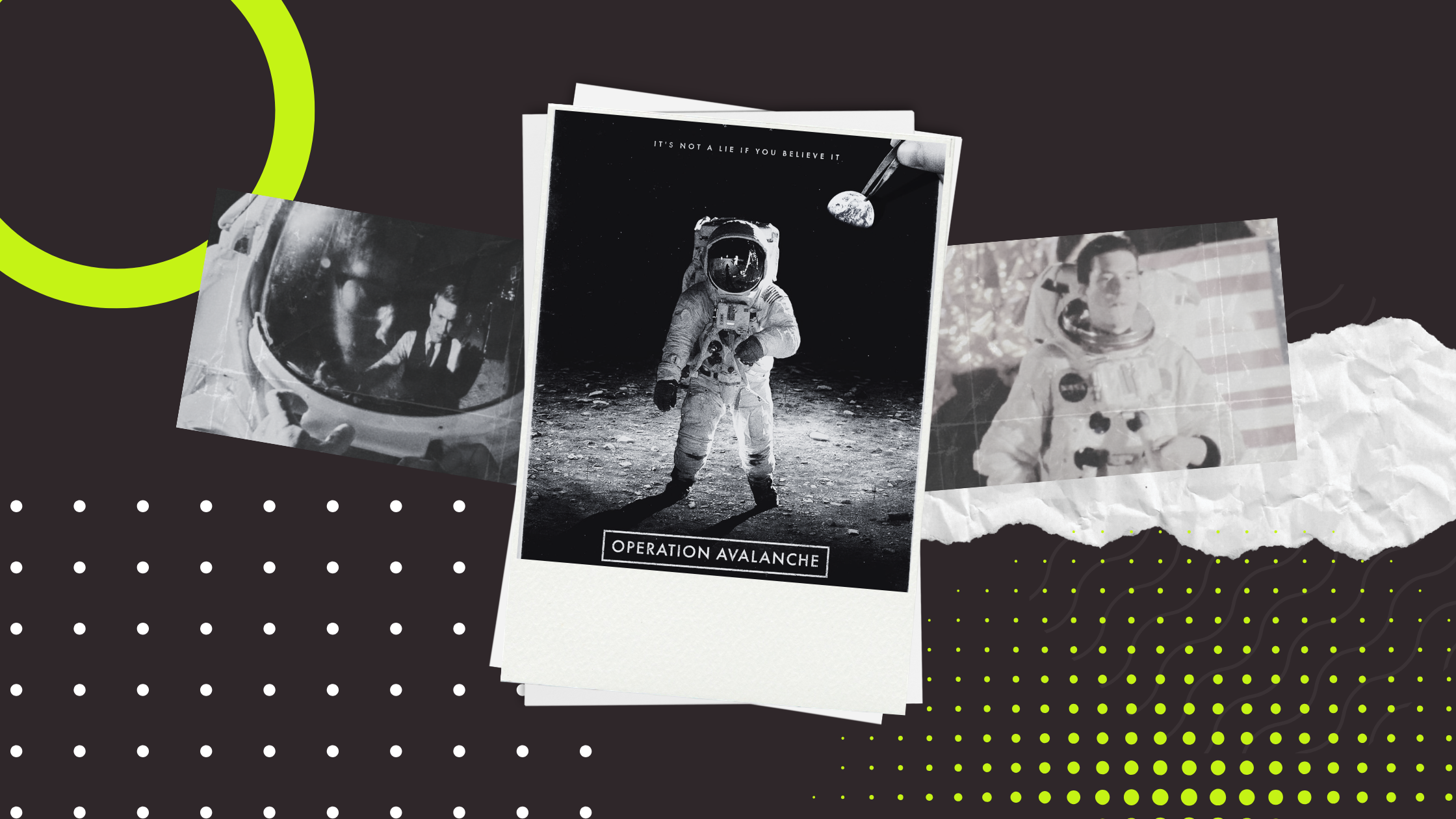
When You Don’t Have a Screenplay: An Operation Avalanche “Script” Analysis
Matt Johnson’s rise from indie provocateur to mainstream filmmaker didn’t happen by following Hollywood rules. Operation Avalanche was built without a traditional screenplay, relying instead on outlines, improvisation, and a chaotic “reshoot bible” stitched together after filming. The result is a fascinating look at how great storytelling can emerge from instinct, structure, and creative risk-taking rather than perfectly polished pages.
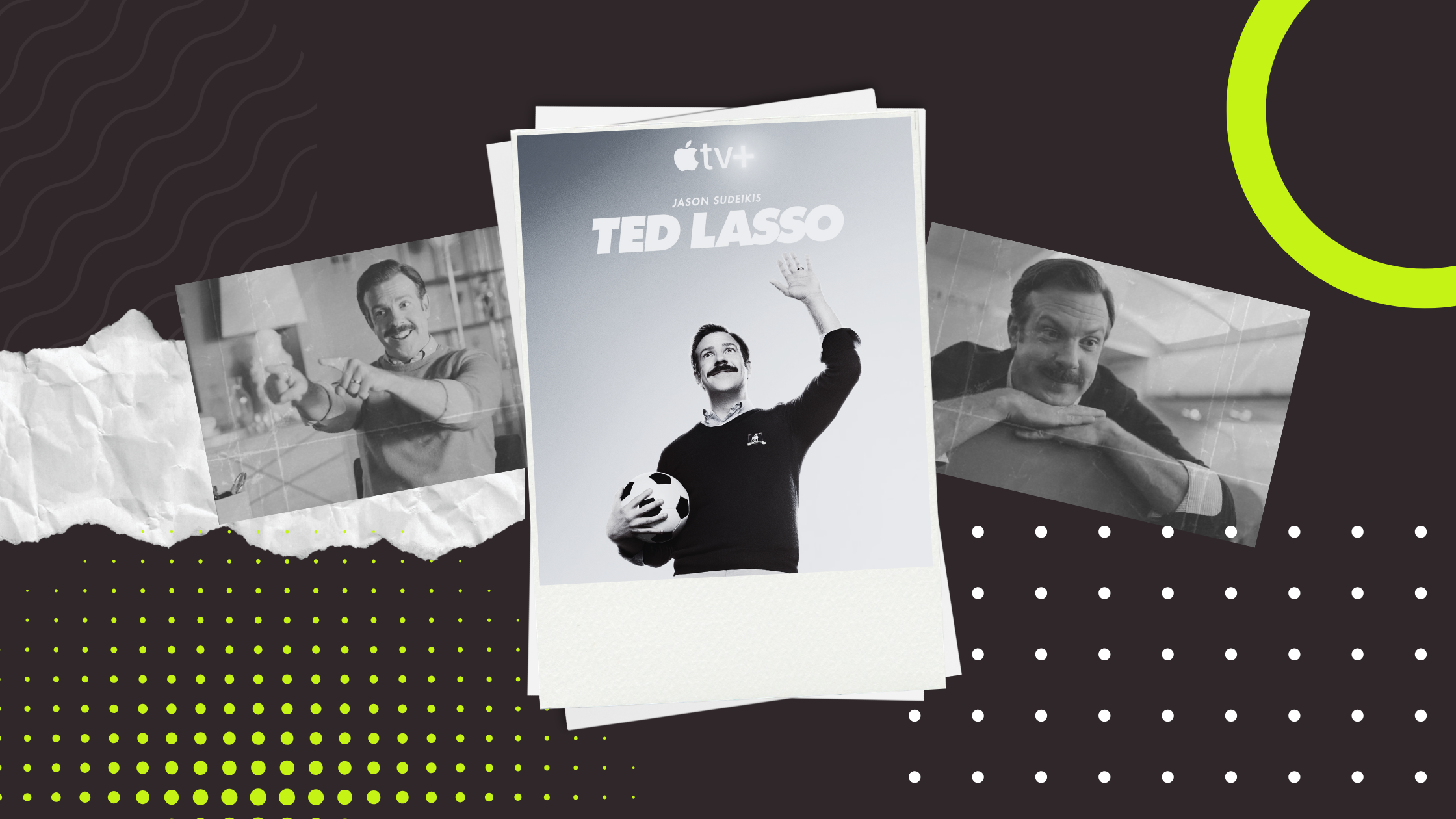
Why the ‘Ted Lasso’ Pilot Works So Damn Well
Ted Lasso shouldn’t work. A relentlessly optimistic American football coach thrown into the brutal world of English football sounds like a punchline, not an award-winning series. But the pilot turns that absurd premise into something heartfelt, hilarious, and surprisingly emotional. Beneath the rapid-fire jokes and charm is a story about loneliness, failure, and choosing kindness when life gives you every reason not to.

The Power of Not Knowing: Why May December Keeps You Guessing
A relationship that defies easy judgment, a truth that keeps slipping out of reach. May December unravels its story through silence, suggestion, and perfectly timed reveals, constantly reshaping how we see its characters. As perspectives shift and certainty fades, the script turns ambiguity into its sharpest tool, pulling us deeper into a mystery where understanding feels just out of reach.
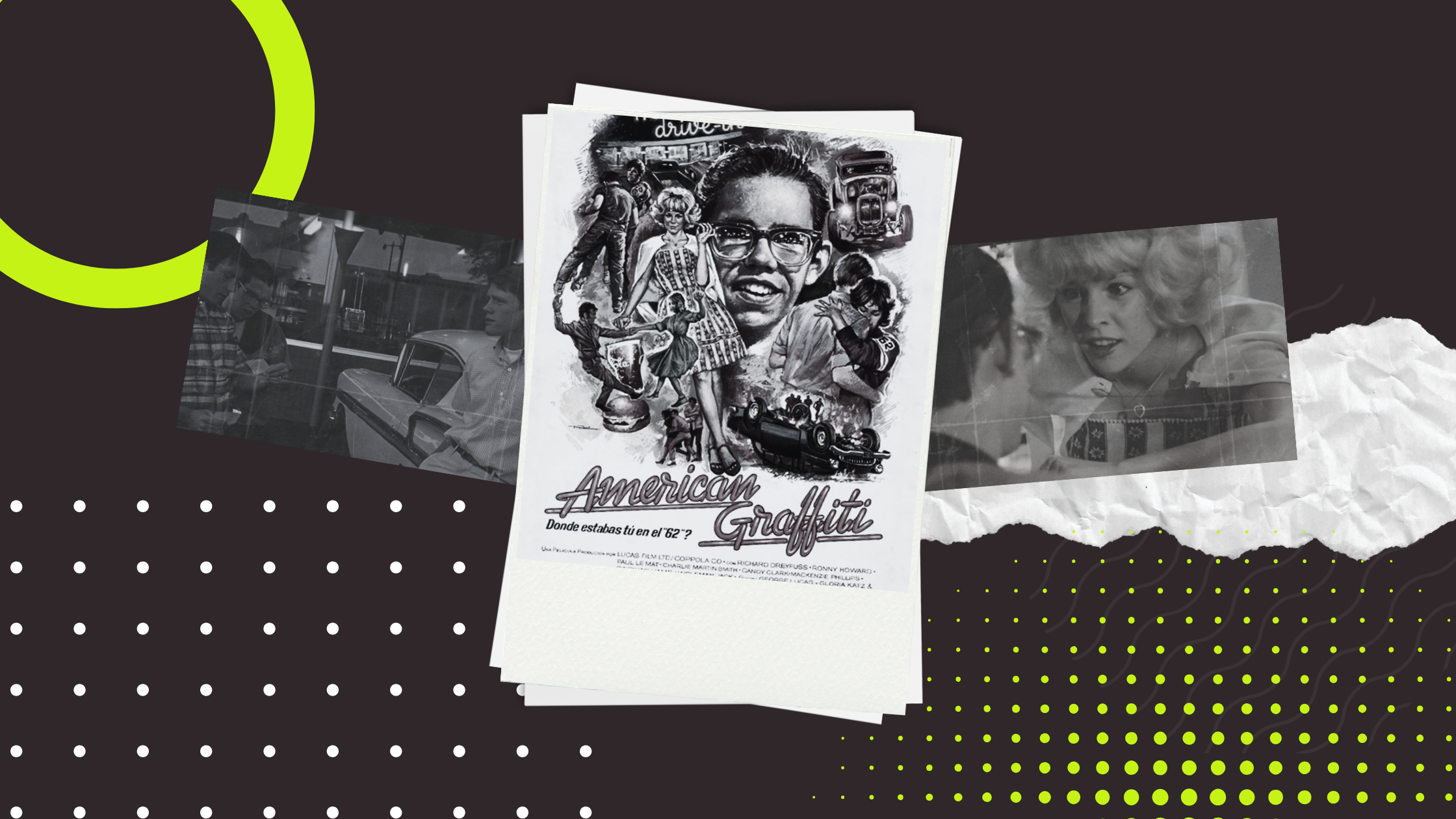
The Precursor to Hyperlink Cinema: An American Graffiti Script Analysis
Before hyperlink cinema became a buzzword, American Graffiti quietly mastered it. Through one nostalgic night, George Lucas weaves interconnected lives bound by time, place, and longing. He explores how multiple character arcs collide, revealing a deeper story about youth, change, and the cost of staying still.