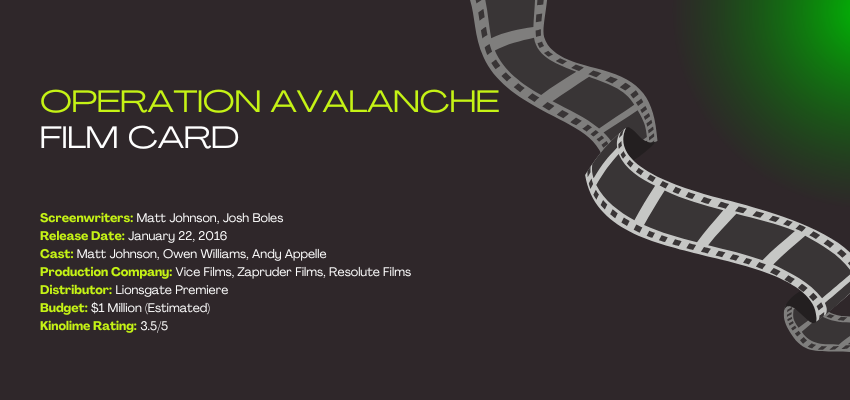
When You Don’t Have a Screenplay: An Operation Avalanche “Script” Analysis
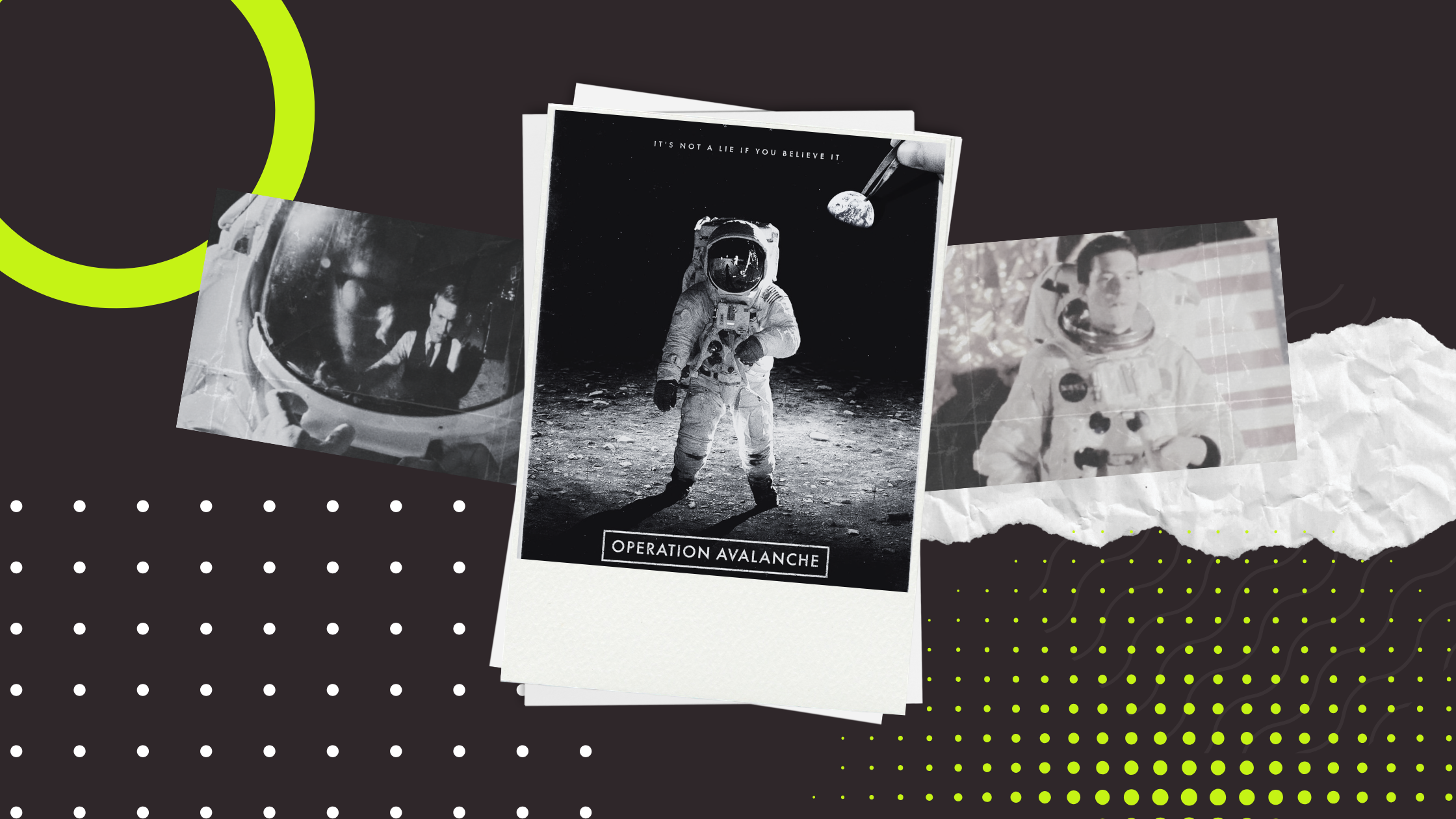
Matt Johnson is blowing up. The Canadian writer/director has been pretty well-known on the indie scene for a while now, but with the mainstream success of Blackberry (2023) and Nirvana the Band the Show the Movie (2025), not to mention his upcoming Anthony Bourdain biopic, it’s safe to say that he’s officially playing in the big leagues. But if you look back on the beginning of his career, it’s clear that he didn’t achieve his success through “traditional” means. Three of his four total feature films are “mockumentaries”, which makes sense for an ambitious independent filmmaker without any money. But what I found most interesting about these projects wasn’t their low budgets or mockumentary style; it’s the fact that not a single one of them even had a screenplay.
During his press tour for Nirvana, he and costar Jay McCarroll mentioned this lack of a screenplay constantly, saying that he instead relied on structured outlines and heavy improvisation (as Johnson had already done for two of his previous films), but what does something like this even look like? I couldn’t even imagine something like this, especially with the unique kinds of films that he’s directing. Well, after some digging, I think I found what I was looking for.
During Matt Johnson’s tenure as a graduate student at York University in Toronto, he had actually written the “outline” for the conspiracy mockumentary Operation Avalanche (2016) as his thesis project, and the university has since made it available on their website. In this fascinating document, you’ll be able to get an in-depth glimpse into Johnson’s mind by seeing exactly how he relies on a combination of memory, improvisation, and explicitly dictated plot structure when directing his films.
So, even though this is a screenplay-focused website, I thought it’d be important (and fun) to take a look at filmmakers who work without one, especially in cases like this, where the movies are actually really good.
PART 1: INTRODUCTION
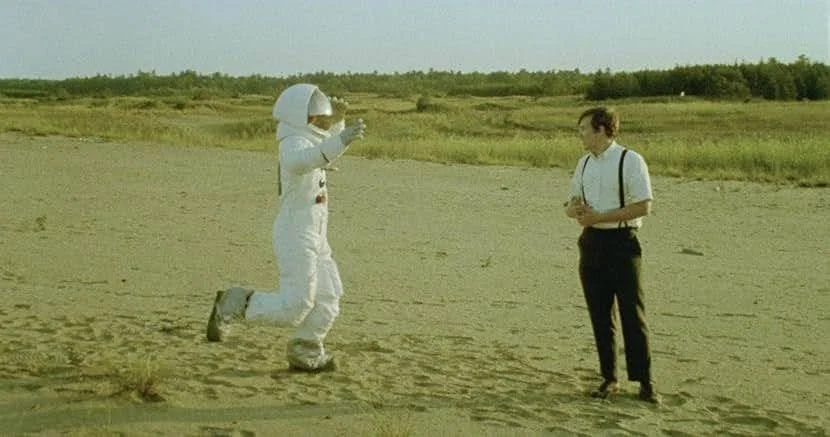
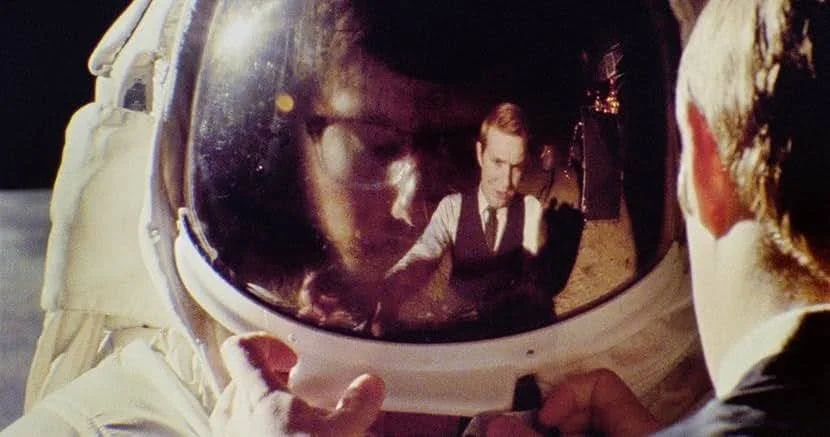
Okay, since this script analysis is more focused on the actual format of Johnson’s writing style than the actual content of the story, I thought it’d be necessary to give some background on the plot of this film and the context for the “outline document”. Operation Avalanche is a found-footage style mockumentary about a group of Ivy League graduates who go on to work for the CIA in the 1960s. Frustrated with their current assignments, they convince their superiors to let them go undercover at NASA in order to catch a Soviet spy. Posing as a documentary film crew documenting the race to the moon, they end up discovering that the trip is impossible and NASA has been hiding their failures from the government. Seeing an opportunity, the group convinces the CIA to let them fake the moon landing themselves. As they get more invested in this project, they start to realize that being at the center of a worldwide conspiracy comes with dangerous consequences.
Now, the ordering of the document is a tad bit jarring. See, Johnson had already filmed the movie before writing the bulk of this thesis document.
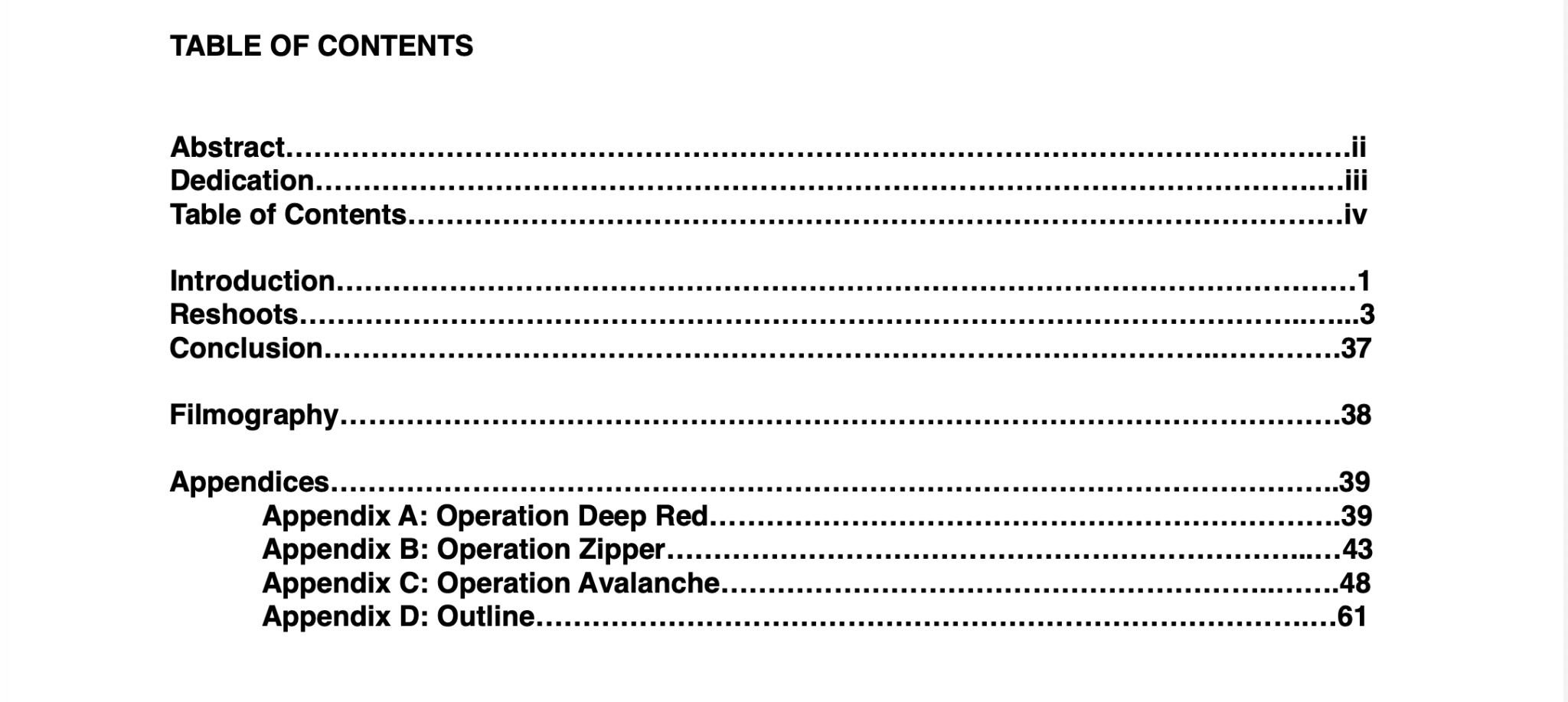
Looking at the table of contents, everything from the “Abstract” to the “Filmography” section was written post principal photography. The only things that seemed to be written beforehand were the contents of the various appendices. There, you’ll find a collection of fictional CIA reports covering the various operations our characters take part in during the film (which are pretty cool, actually), as well as the actual outline of the film.
The outline, despite being the final section of Johnson’s thesis document, is where we’re going to start with this analysis. This is what Johnson initially wrote with co-writer Josh Boles, and it served as the primary instruction for how the movie was filmed. As you will see, it’s formatted as a screenplay, but contains almost no dialogue (except for a few “crucial” lines here and there). As a result, it’s only about 30 pages long. Everything else that took place during principal photography was entirely improvised. Since this is the closest thing to a script I could find for this movie, it’ll more closely resemble the previous script analyses done here at Kinolime (albeit a much shorter version).
After the outline, we’re going to pivot to the reshoots section of the document. As explained by Johnson in his introduction, he learned during the filming of his first film, The Dirties (2013), that a “reshoot bible” is absolutely crucial when filming a movie in this style. From what I can understand, it seems that Johnson initially shoots off the outline and improvises all of the dialogue. Then, after looking over the footage, he quickly begins writing a sort of second outline (the reshoot bible), which is a much less formal list of shots and dialogue that they need to pick up in order to make their initial footage come together more cohesively.
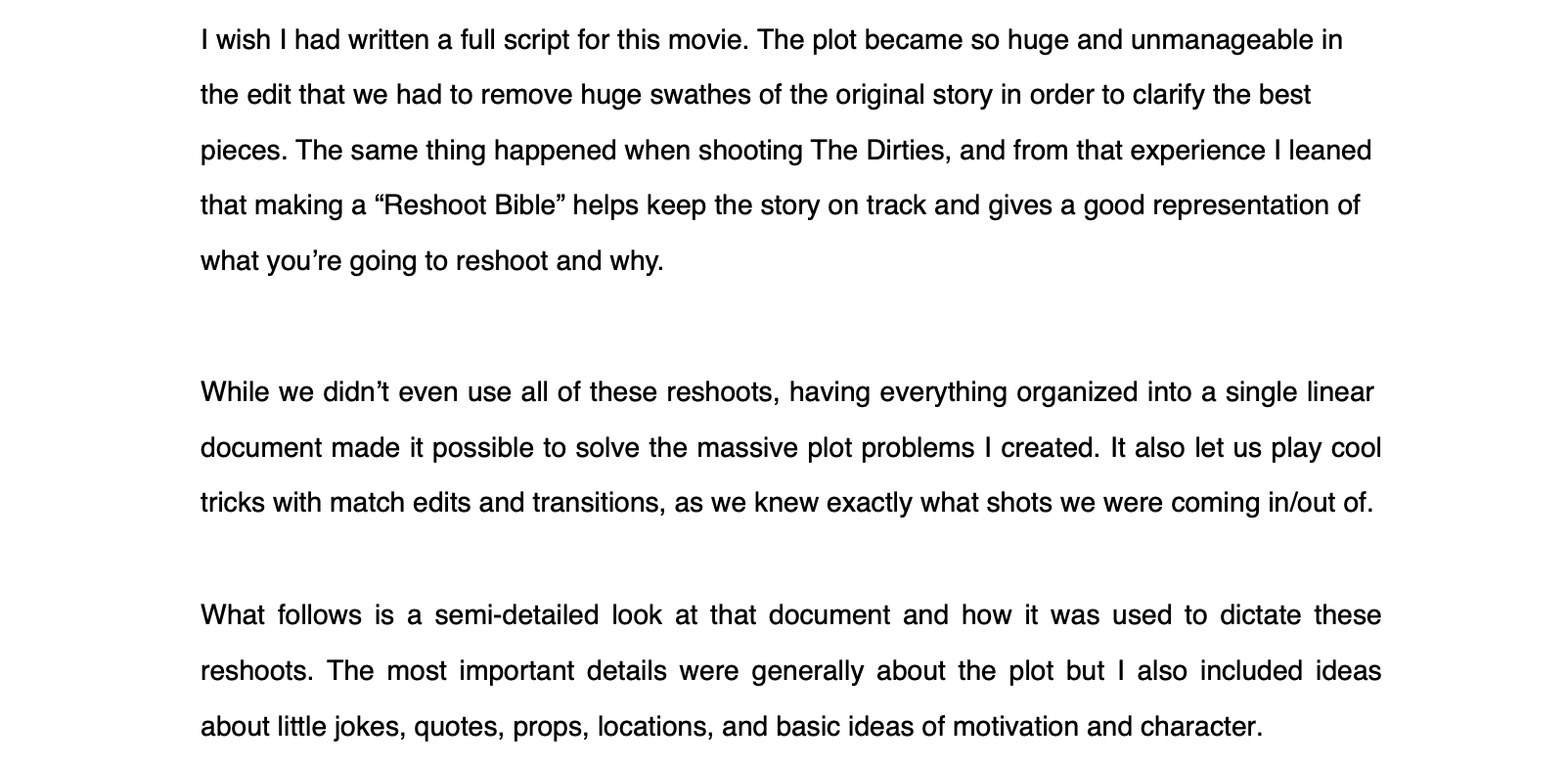
As I already mentioned, this script analysis is going to be a little unorthodox, so bear with me as we take a closer look at the “screenplay” for Operation Avalanche.
PART 2: THE OUTLINE
Opening Image
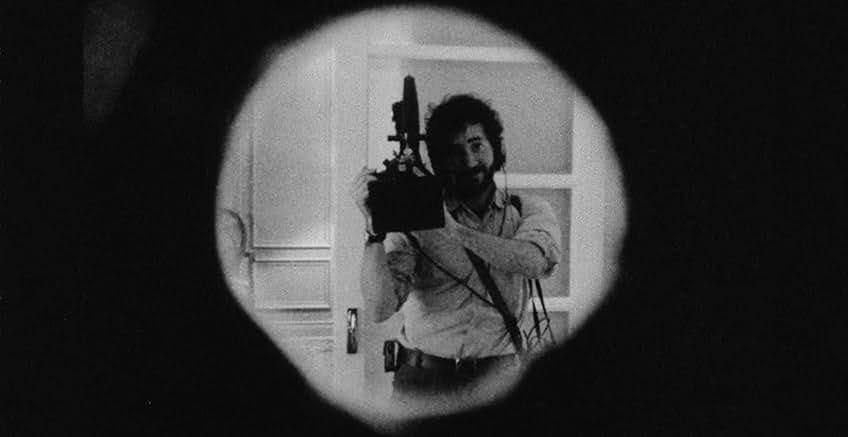
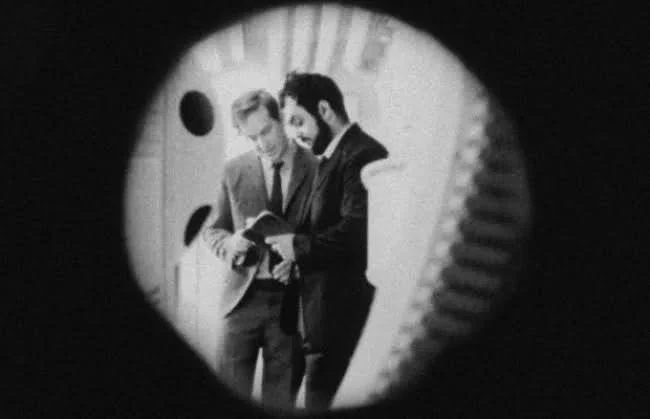
The film opens with grainy 16mm footage of one of our protagonists, Matt. We quickly realize this isn’t just going to be a mockumentary, but it’s also taking place in the mid-twentieth century.

Set Up
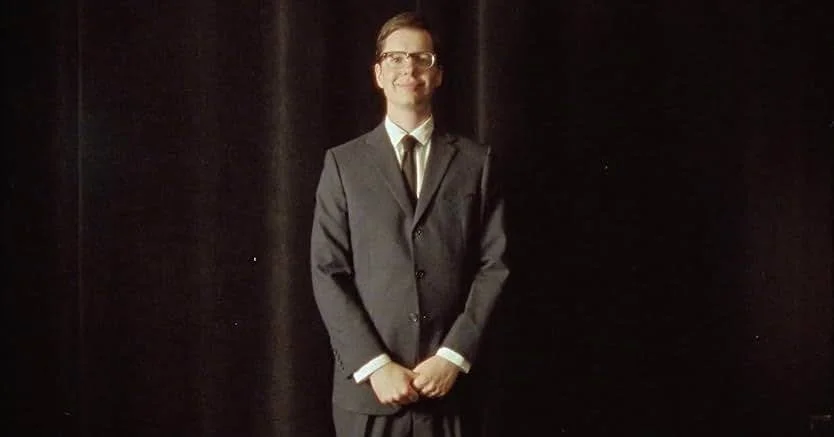
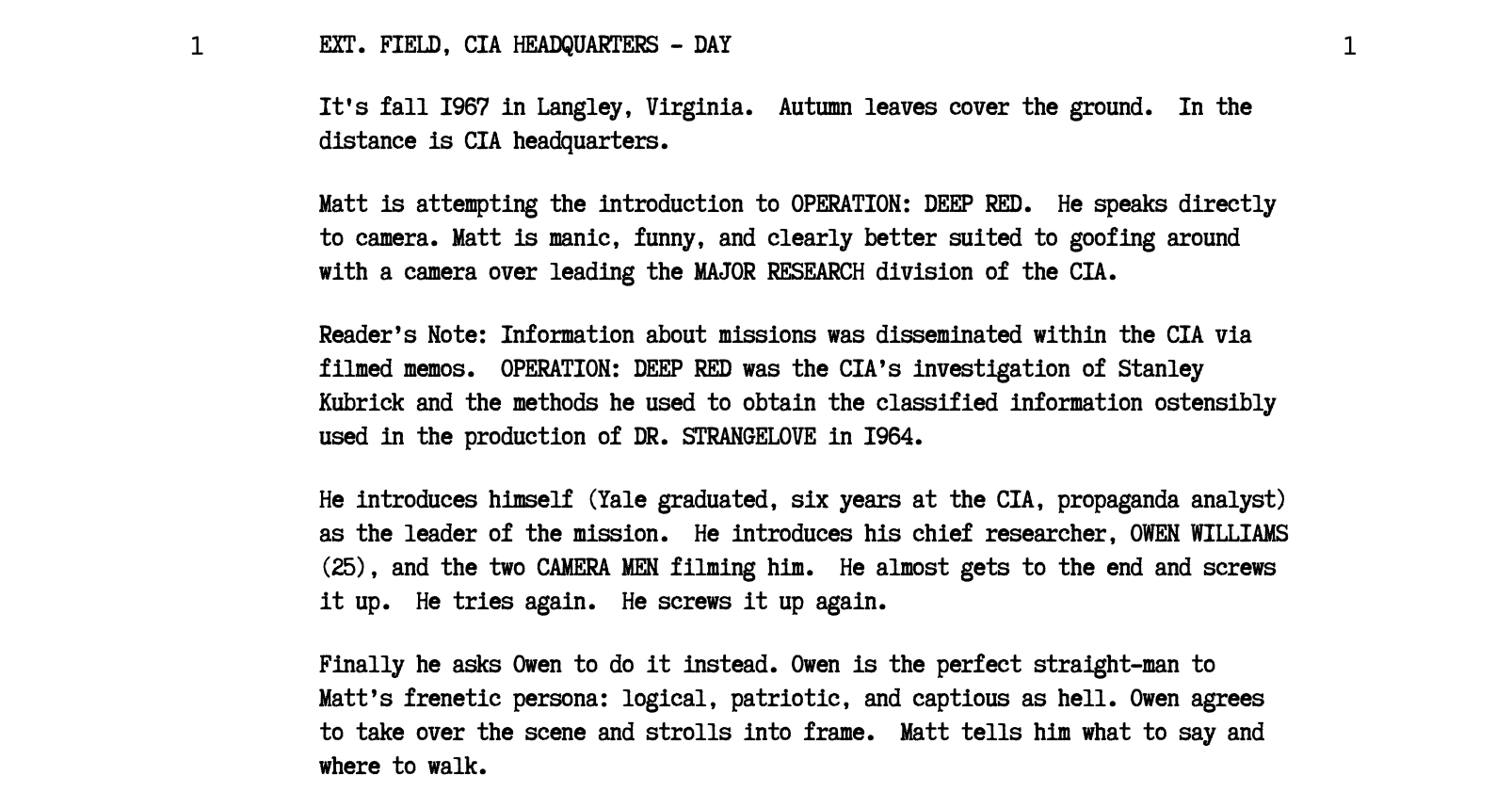
Next, we’re introduced to Owen, Matt’s partner at the CIA. Notice how much emphasis the writers put on their character descriptions. In a traditional script, this would be considered overkill. But in a film where the actors must improvise all of their lines, it makes sense that the writers would want to paint as clear a character portrait as possible.
Inciting Incident
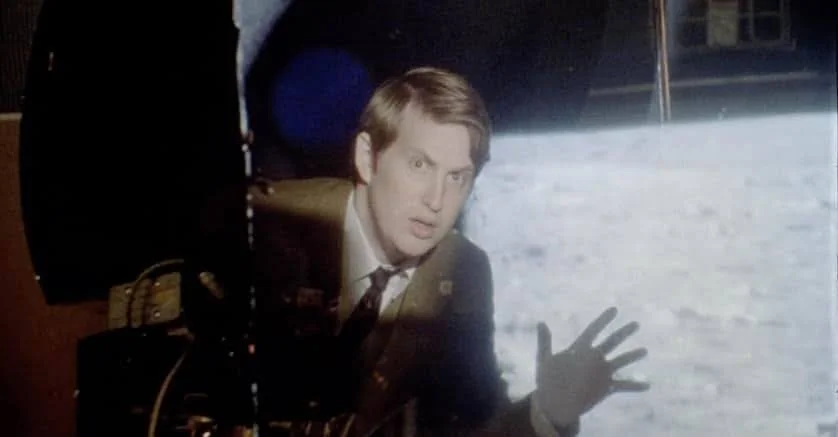
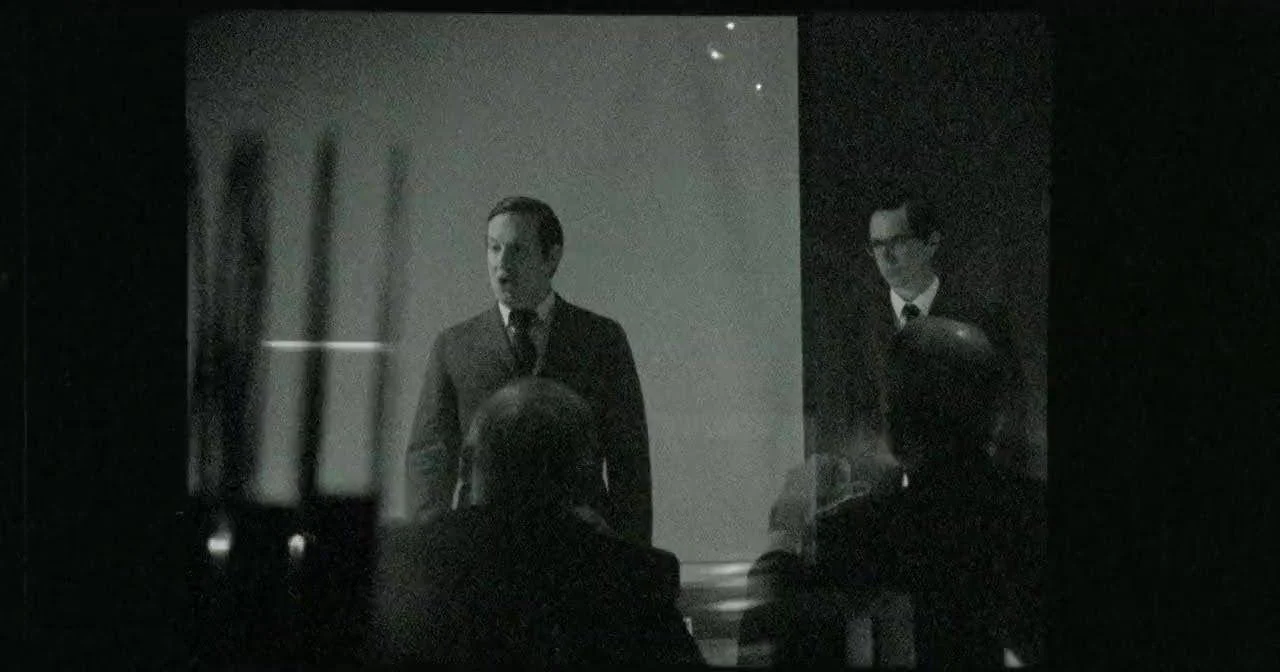
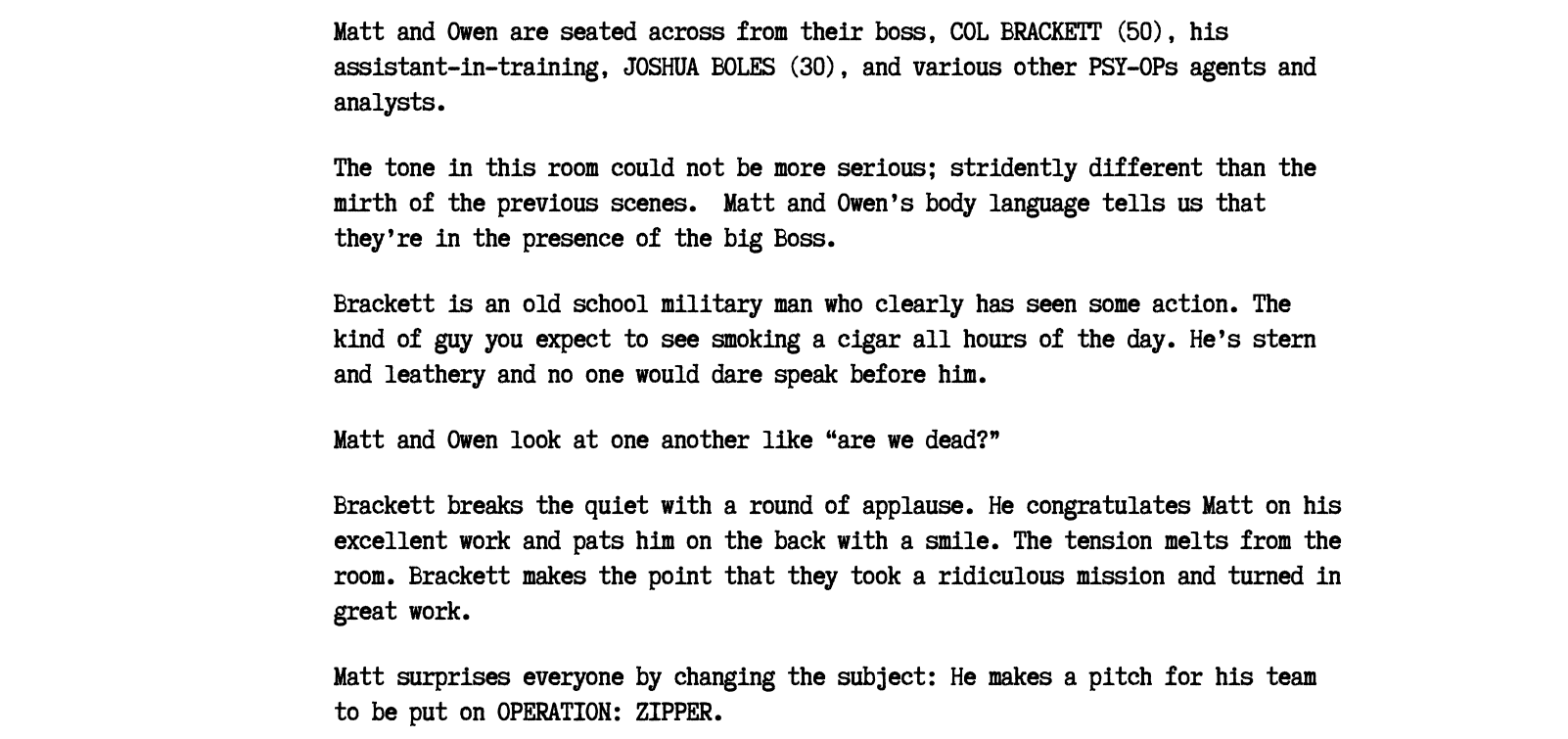
During a meeting, Matt and Owen make the pitch to their bosses, Bracket and Boles, to be switched to the NASA infiltration project known as Operation Zipper.
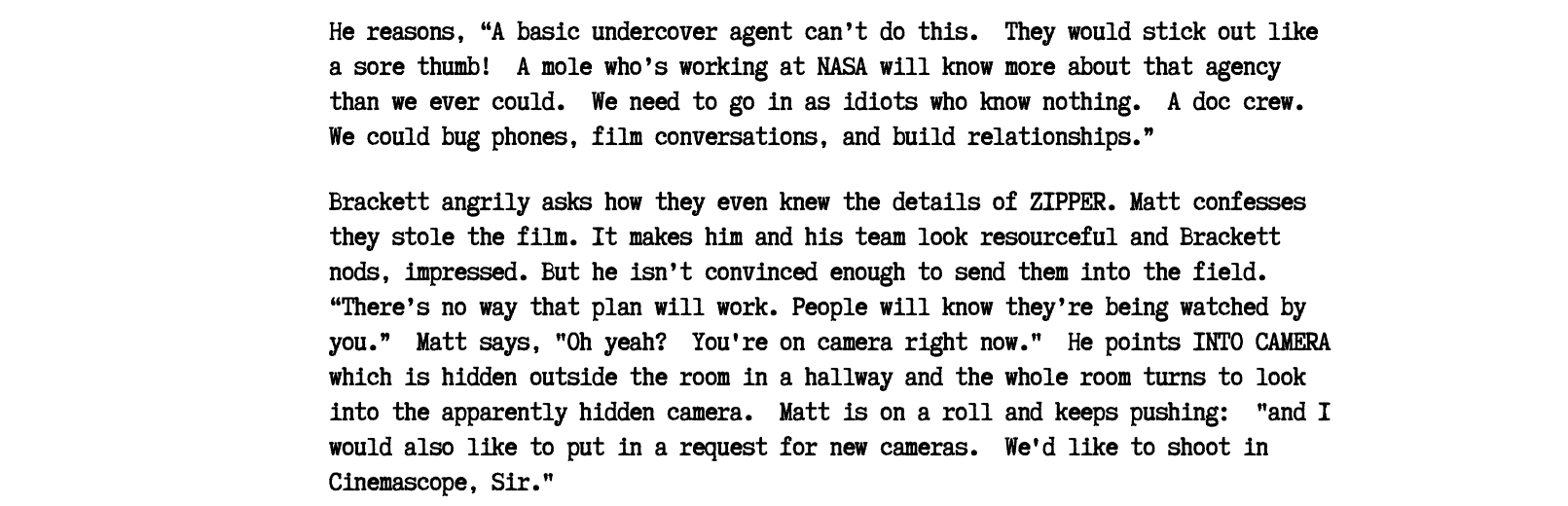
The film cuts to them driving across the country in full color, implying that they have indeed been switched to this entirely new mission, where their goal is to try to find a Soviet spy.
Debate
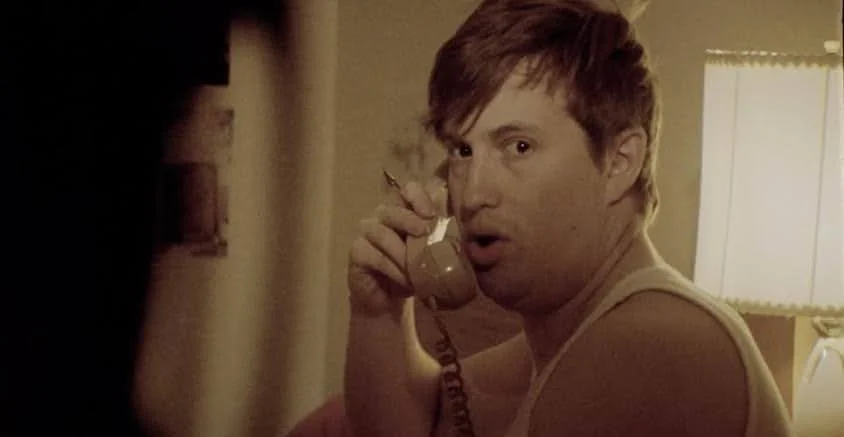
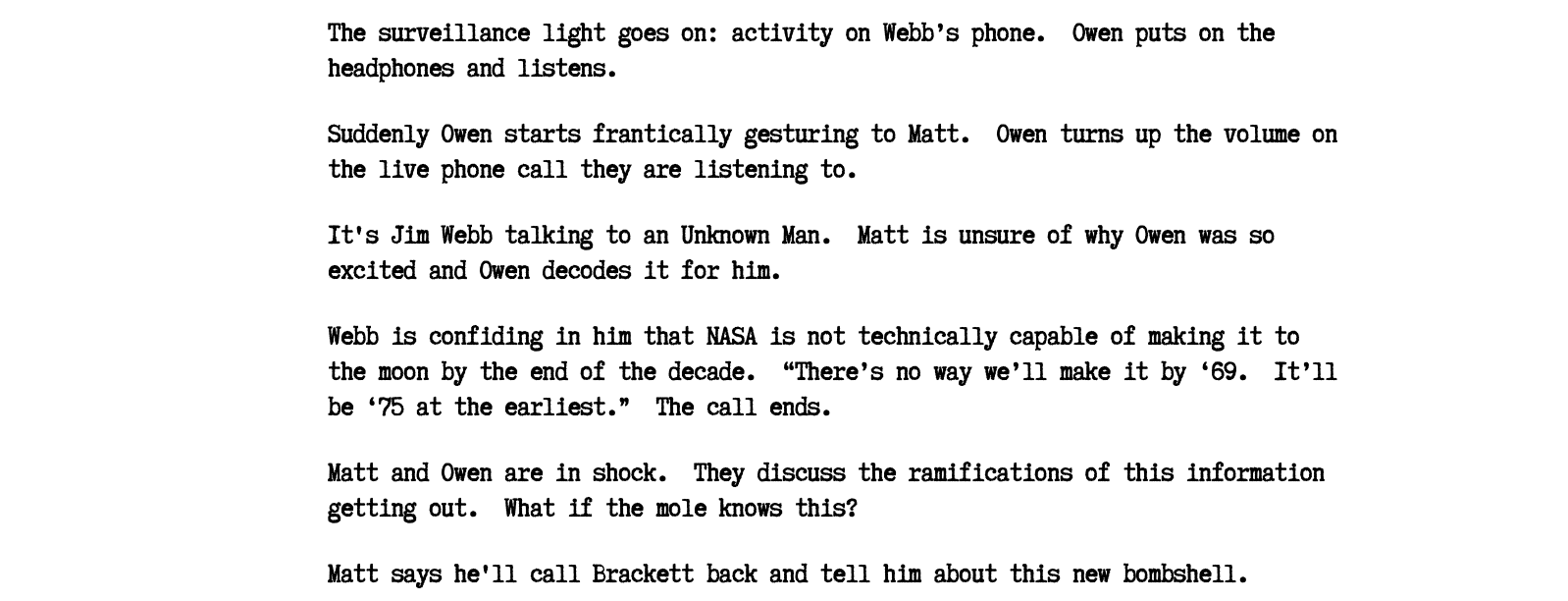
After bugging the phone of James Webb (the Head of NASA), Matt and Owen discover that the mission to the moon is technically impossible.
Matt, desperate to do something exciting, lies to Owen and his crew by telling them that Brackett assigned them a new mission: to fake the moon landing themselves.

Break into Two
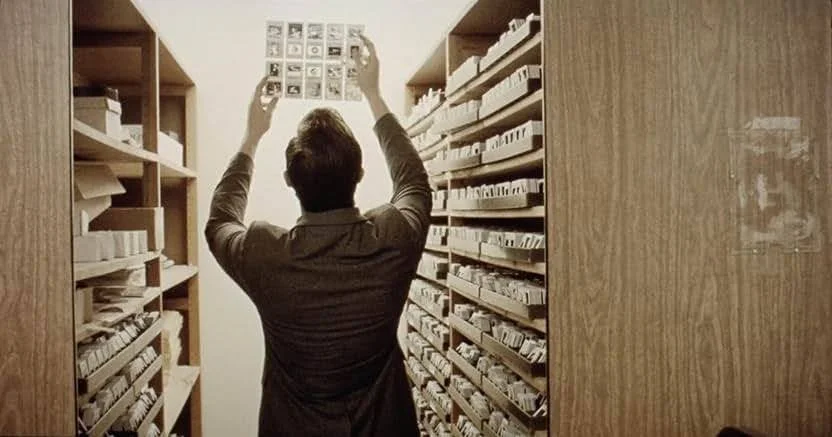
Act 2 finds Matt and the crew preparing supplies necessary for their fake moon landing footage. Owen argues with his wife over the whole ordeal, while Matt constantly mocks him for not being excited about the project. The point being that Owen is more focused on his personal life, while Matt is more focused on big career aspirations within the CIA.
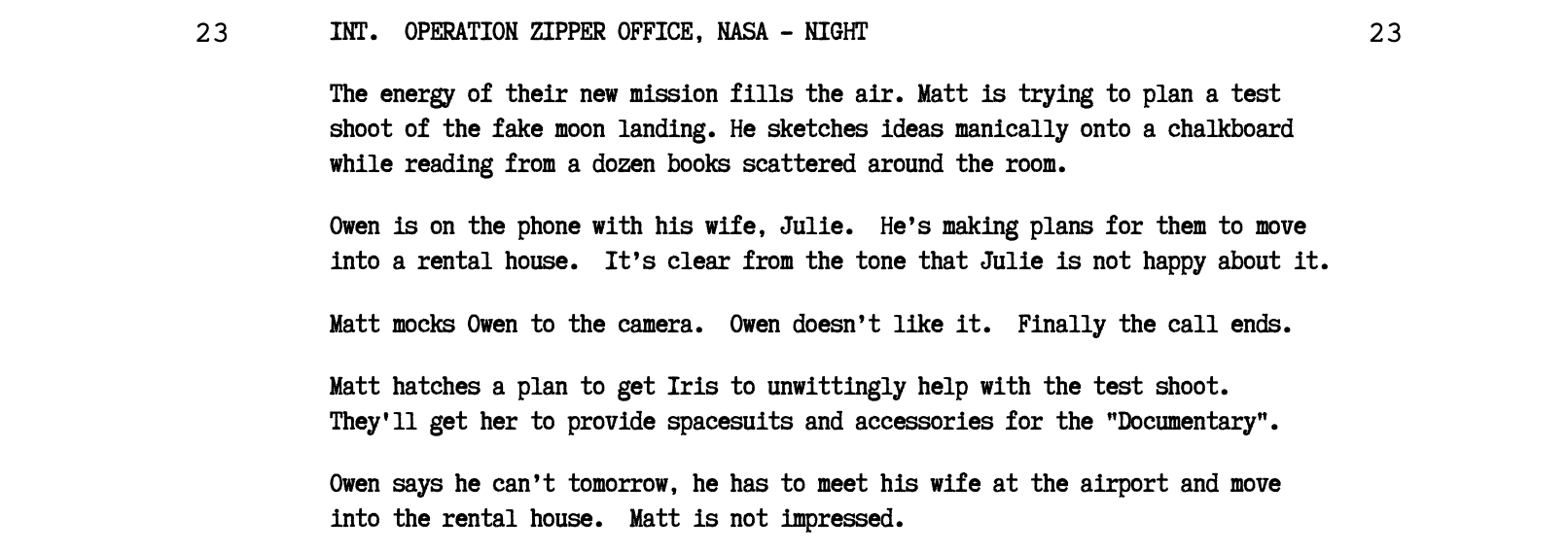
Matt continues to lie about the fake moon landing project in order to get Owen on board, which works in the short term.
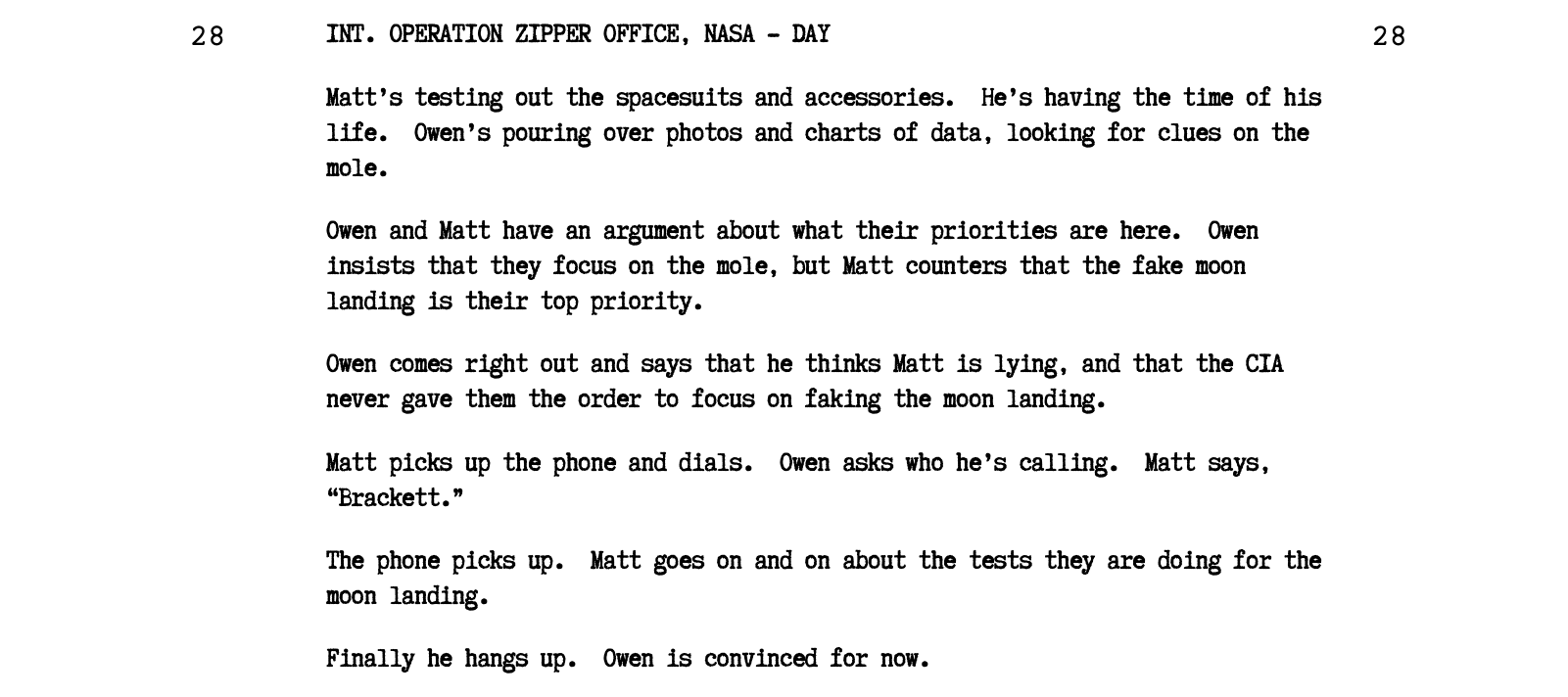
Midpoint
Halfway through the script, Brackett and Boles discover that Matt’s been leading his team on a wild goose chase with this fake moon landing fiasco (thanks to an inquisitive phone call from Owen). Matt attempts to convince them to let him continue by showing them all of the amazing footage they’ve captured thus far.
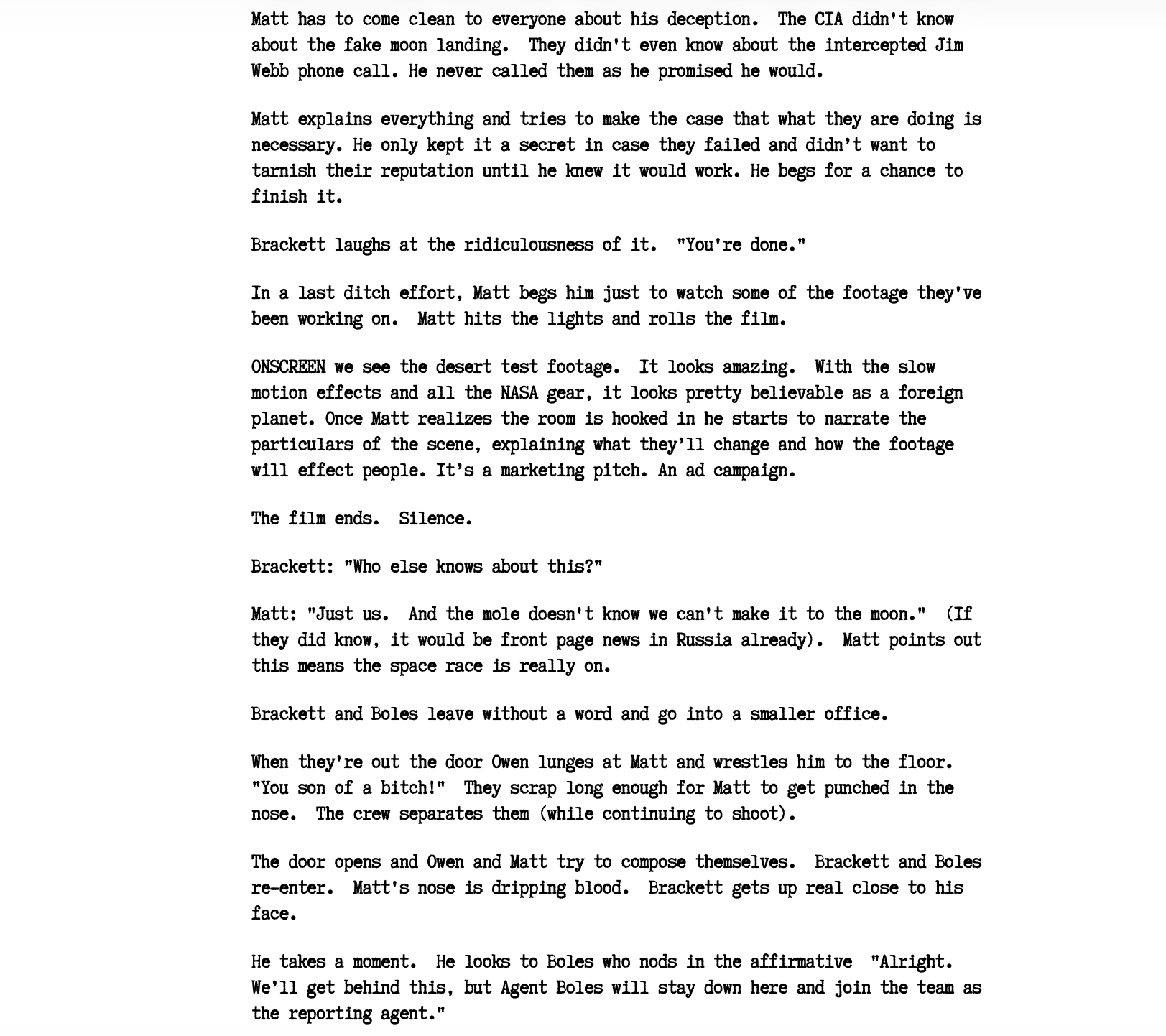
Owen, completely pissed, attacks Matt. After the crew separates them, Brackett and Boles return to say that they’ll agree to the mission under the condition that Boles stays back to monitor them.
Bad to Worse
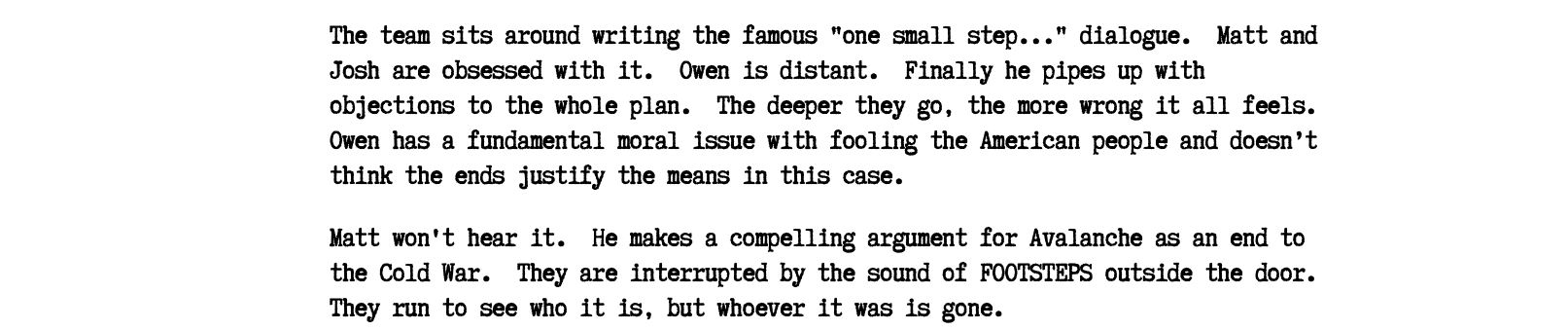
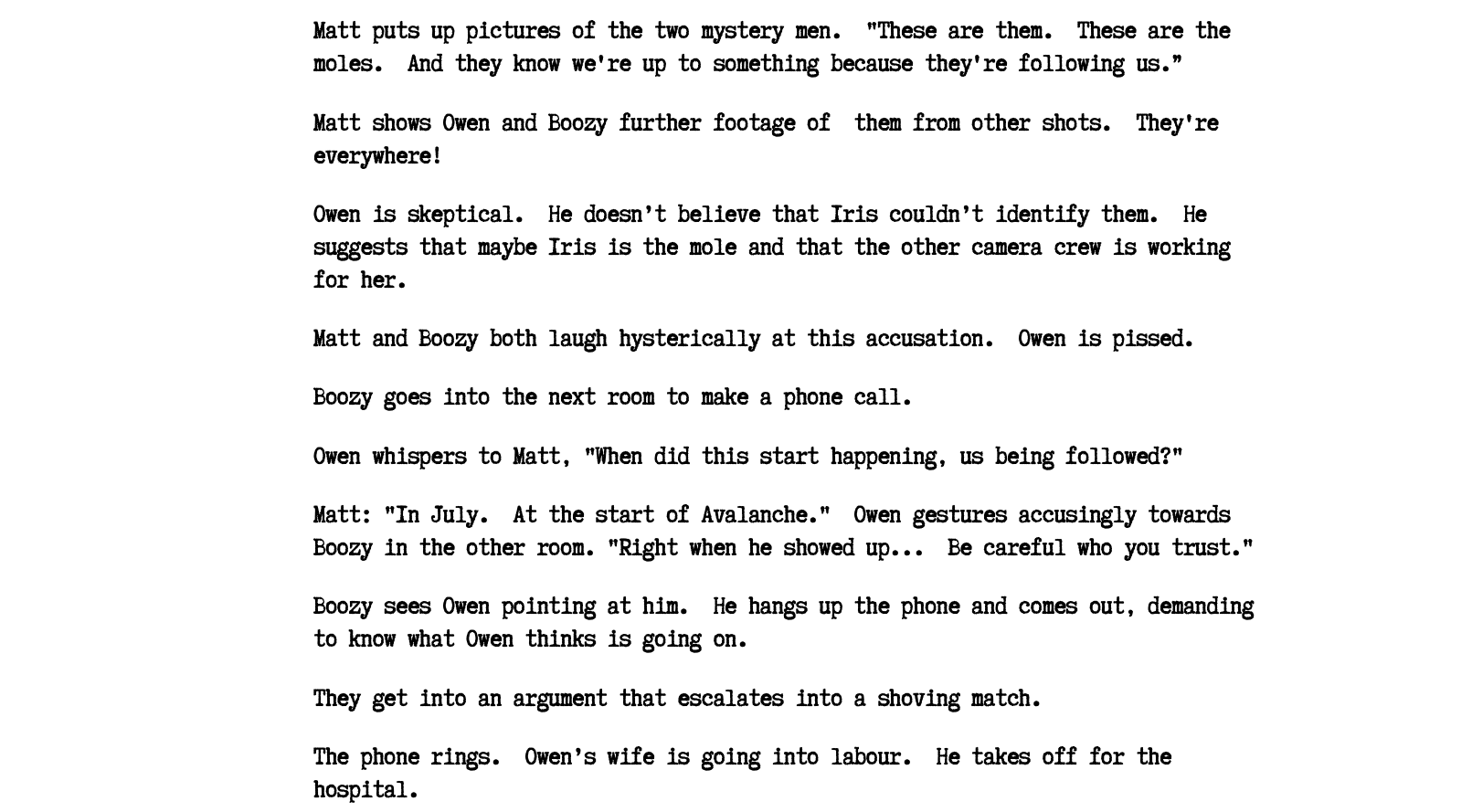
While working on the project, the crew keeps finding mysterious people lurking about their soundstage. Owen becomes especially paranoid, thinking that the Soviet mole must be onto them somehow.
During the height of this paranoia, Owen’s wife goes into labor, further cementing his emotional priorities towards his family life rather than the CIA.
Break into Three
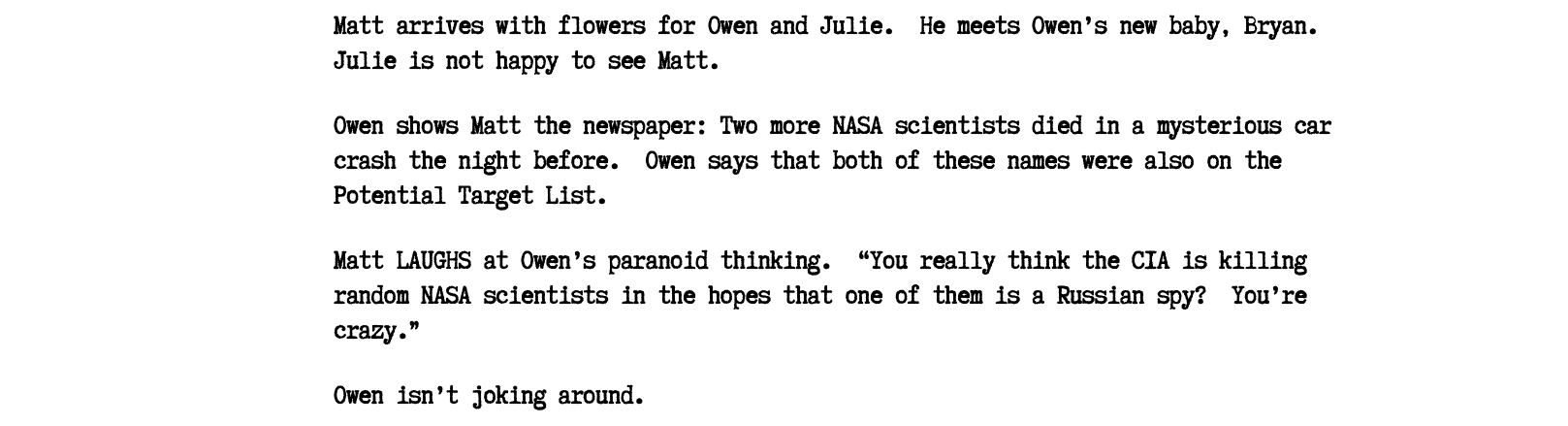
Act 3 begins with Owen starting to believe that their lives might really be in danger. Several NASA scientists have started to die in random accidents, and Owen’s positive that the CIA is responsible.
Finale
Owen is a nervous wreck now. He even expressed interest in coming clean about the whole project to various high-level government employees. Matt tells him that this is a horrible idea.
The next day, Owen doesn’t show up for work. Matt rushes over to his house to check on him.
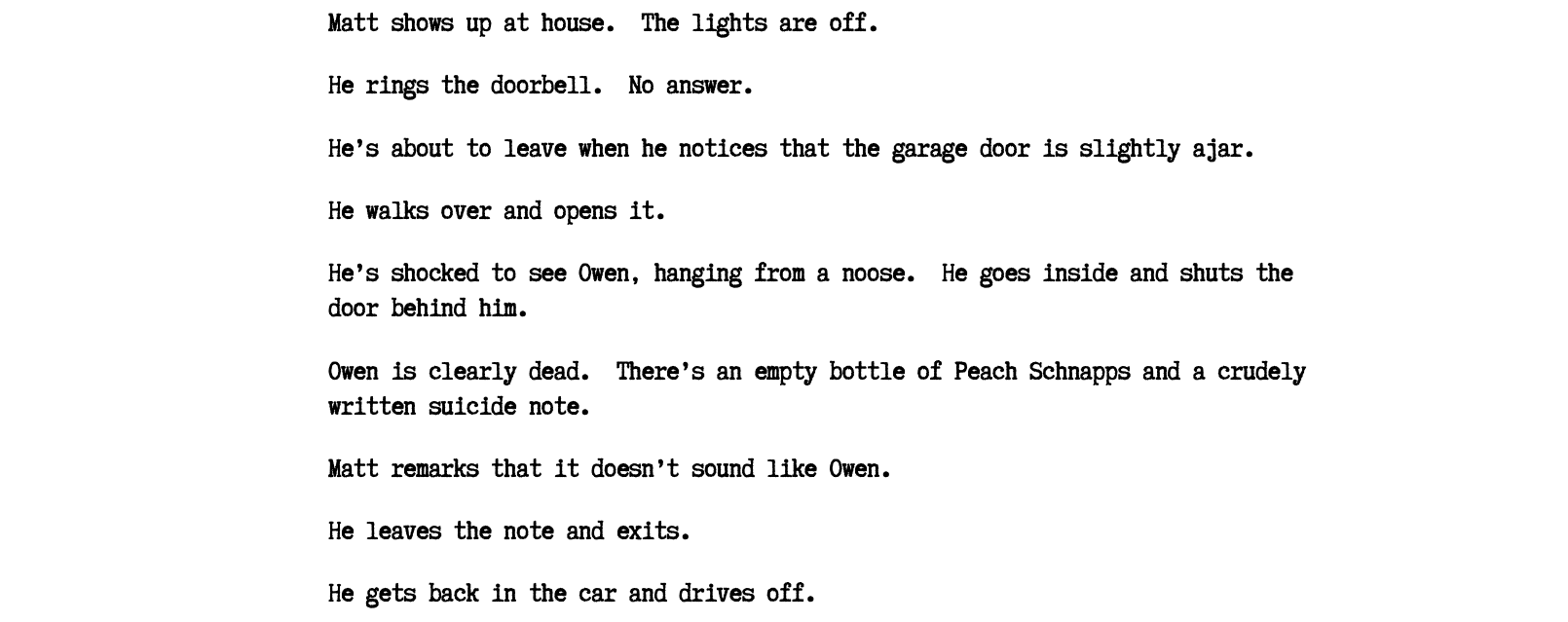
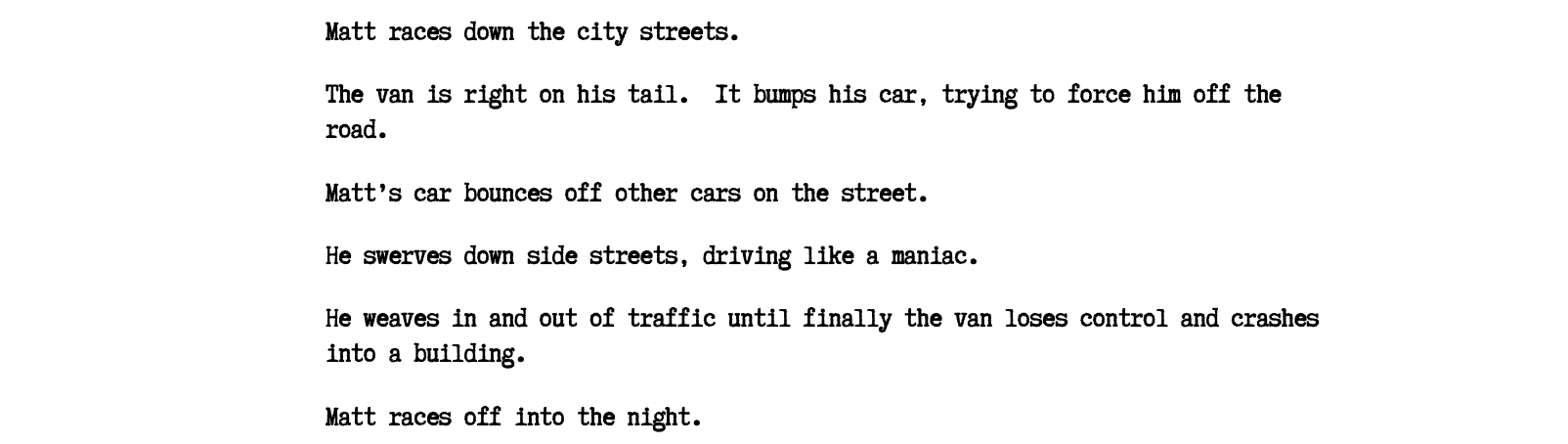
Now that Matt knows that Owen was right, he grabs all of their footage and drives out to the desert to bury it where nobody but him can find it. After doing so, a car starts following him, bumping him aggressively as he drives. Matt narrowly escapes.
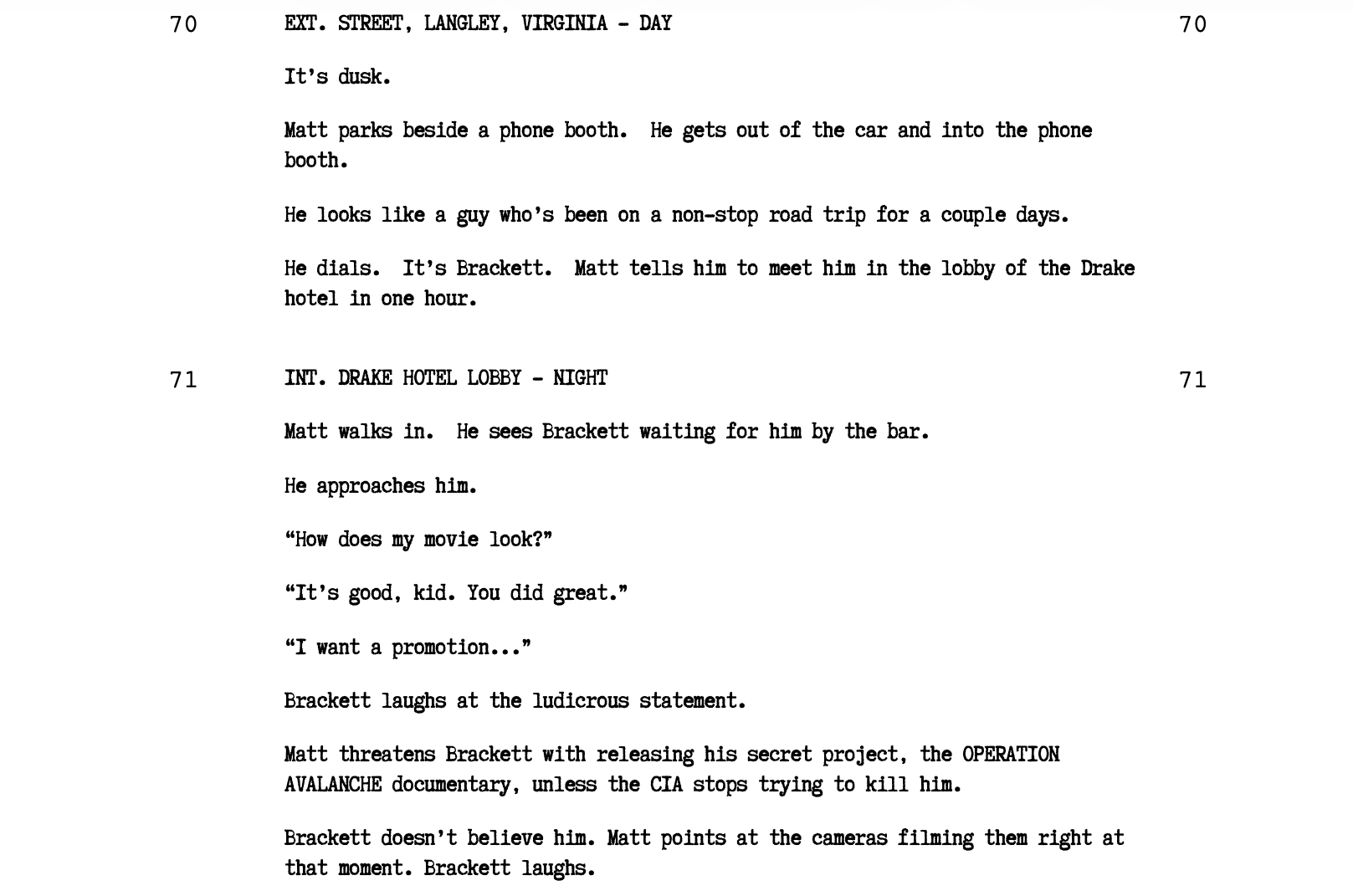
Finally, in a Hail Mary attempt, Matt meets with Brackett in a public space. Notice how this is one of the only moments in the film that contains actual dialogue, as Johnson and Boles clearly wanted this specific conversation to serve as the footnote of the film.

Closing Image
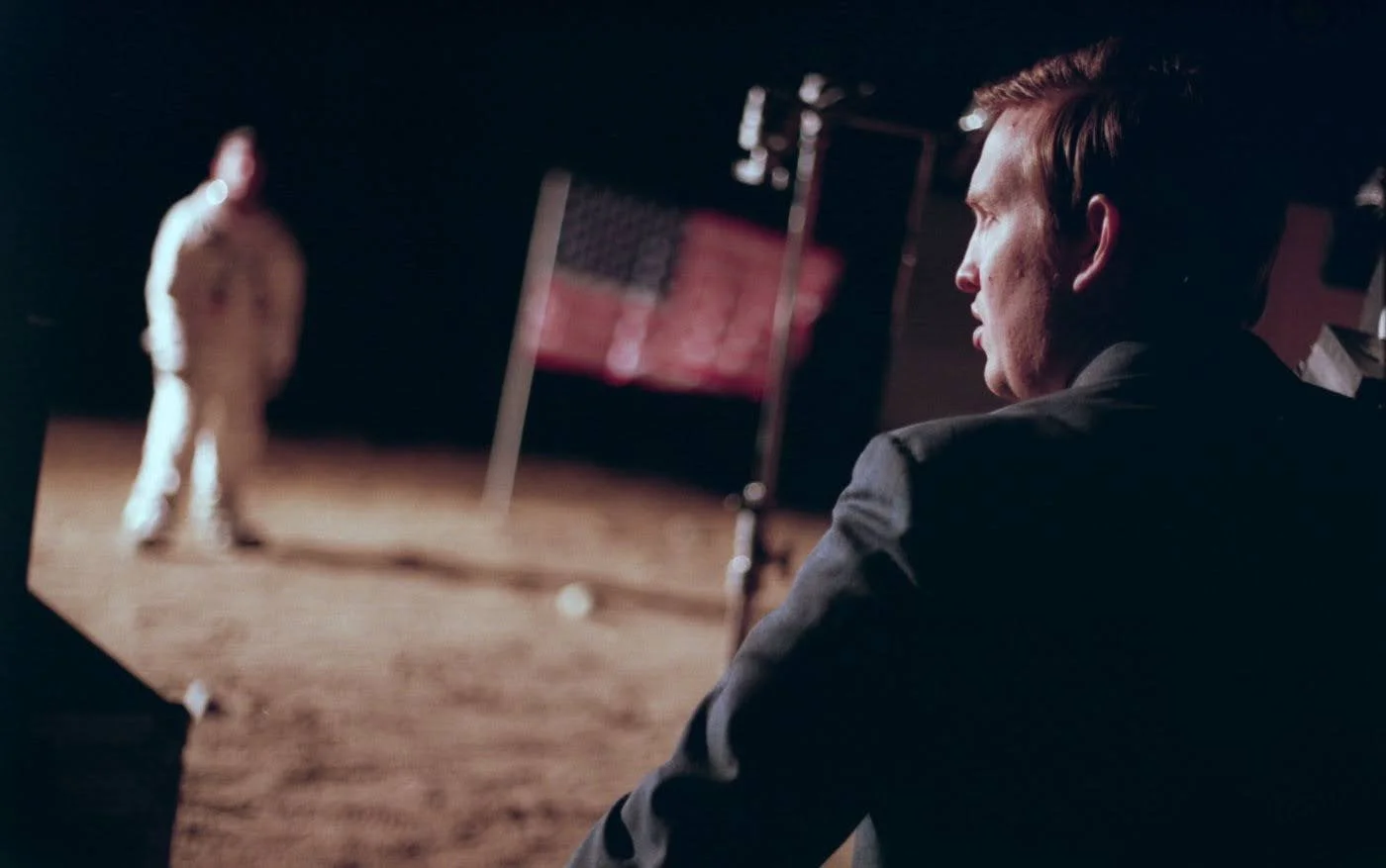
The film’s conclusion finds Matt walking down the street just as the “moon landing” is taking place. He stops at a local department store and stands amongst a group of spectators, all watching the historic event being broadcast across the many TVs sitting in the display window. Even with all the trouble he and his team went through throughout this ordeal, he still made history.

PART 3: THE RESHOOTS
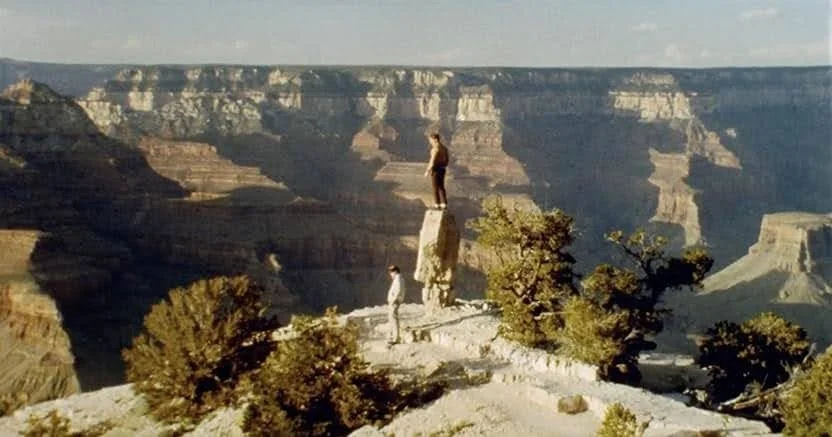
Now that you’ve read the initial “screenplay”, I think it’s about time to jump into the very different “reshoot bible”. As you’ll see, this document is formatted very differently from the outline. Rather than consisting of complete scenes with dramatic sentence structure, it’s mainly a list of bullet points. Sometimes these are specific shots, sometimes they’re specific lines of dialogue, and sometimes they’re specific ways to end a scene that would make editing go a little bit smoother in post.
These reshoots are organized by scene, with each section consisting of a “Plot”, “Establish”, “Notes”, and “Props” section.
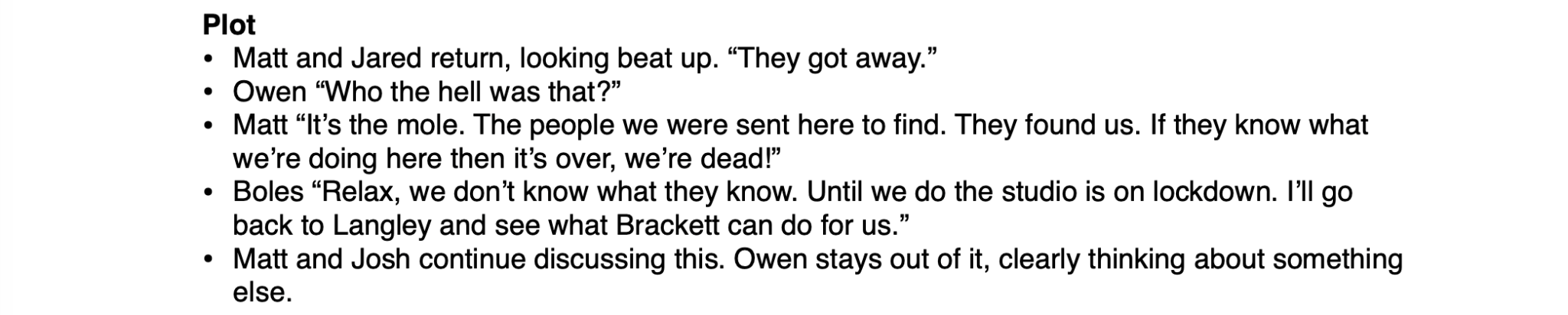
Plot
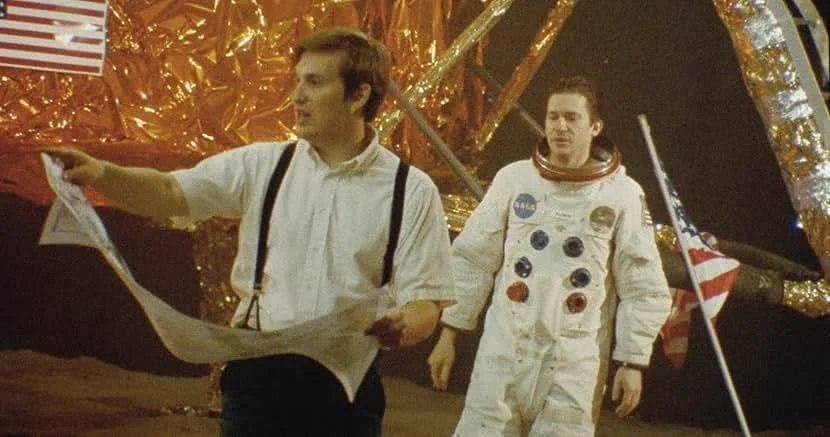
The “Plot” section is where Johnson lists everything they absolutely need to shoot in order for the story to make sense, as well as jokes and gags that might work well. For example, if, after Johnson finished principal photography decided that he wanted to stray away from certain plot points in order to focus more heavily on other ones, this is where he would list the key shots necessary to make that happen.

If you’ve read the outline and seen the film, you might notice that a main character never ended up making the final cut: Ira Von Braun, the daughter of notorious Nazi-turned-NASA scientists, Werner Von Braun. In the script, she serves as a sort of love interest for Matt’s character before he suspects her father of being a spy. None of this ended up in the movie. Instead, there was never a love interest for Matt’s character, and the only suspected mole was a completely different NASA scientist named Lotsky. Here, you can see that the Lotsky scenes were added into the reshoot bible in order to make this change work.

Another instance of the bible being crucial is during a shootout in the final film. During one of their camera tests on the moon soundstage, the suspected mole was caught spying on them, which led to gunfire and a car chase. This was never in the initial script at all. Perhaps Johnson realized that there wasn’t enough emphasis on the mole during the earlier points of the film, or maybe the shift away from Von Braun and towards a more mysterious mole messed up the pacing of the movie. Either way, this scene became necessary and was put into the reshoot bible, filmed, and made its way into the final product.
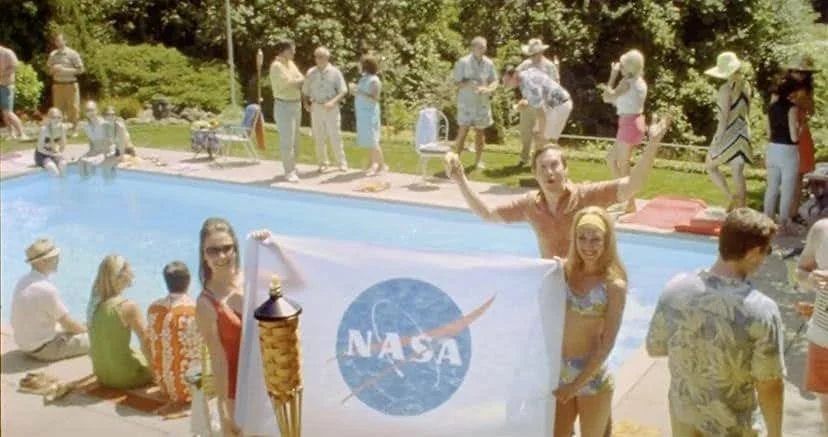
As you explore the bible, you’ll find a treasure trove of little details that you’ll be surprised were thrown into the movie after the fact.
Establish
The “establish” section seemingly exists as a reminder of the purpose of everything listed in the “plot” section, just in case Matt and his crew forgot why they listed something in the first place. Take a look at this section for Scene 1:

Not only did Johnson already notate everything that they needed for film for Scene 1, but he also felt it necessary to provide context for such shots. Perhaps this is to guide whatever improv takes place into a more consistent direction, or perhaps it’s to remind the actors of what attitudes to display during these scenes. Either way, it’s super fascinating how Johnson can arrive on set with nothing but bullet points and a few key goals to keep in mind and spin it into an actually interesting film.
Notes and Props
These last two sections are a little less interesting, but still important to dictate.
The props section is pretty straightforward: just a list of every prop they’ll need for each scene.

The notes section is a little more fun, serving as the section of the bible where Johnson could throw in anything random and fun that he’s thought of for the film. Sometimes it’s transition ideas, sometimes it’s notes for how the final line should be read. But most of the time it seemed to serve as the spot to notate gags. For example, take a look at this scene that he wanted to end with his character singing a little fun song:

Or this one of the camera guy pissing his pants:

CONCLUSION/WHY IT’S GREAT
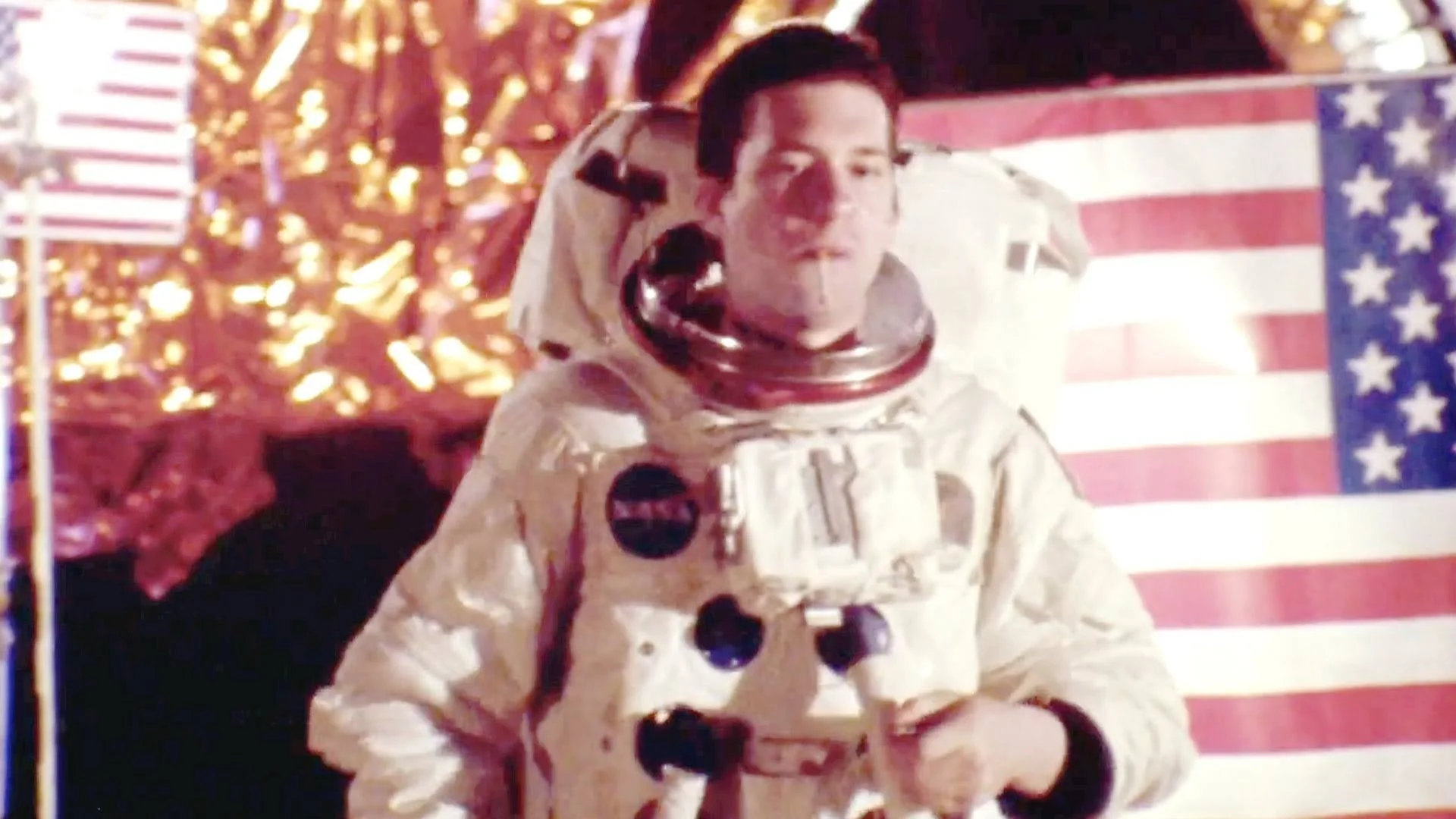
I’m not going to sit here and try to argue that Operation Avalanche is a masterpiece, but it is a masterclass in filmmakers achieving a product far beyond their means. Not only did Matt Johnson manage to make an interesting found footage documentary about NASA in the 1960s, but he also managed to give the audience great characters, interesting dialogue, and a legitimately stressful plot–all without a real screenplay. Obviously, this isn’t something everybody should attempt. Not everyone has Matt Johnson’s ability to see a film’s final product perfectly in their head as they’re filming it. Most need that structured outline in order to fine-tune it and rewrite it until it’s perfect. However, I do think it is important for writers to see how the “other world” functions. There is no “one way” to make a movie. In the end, it really just depends on the people making it.