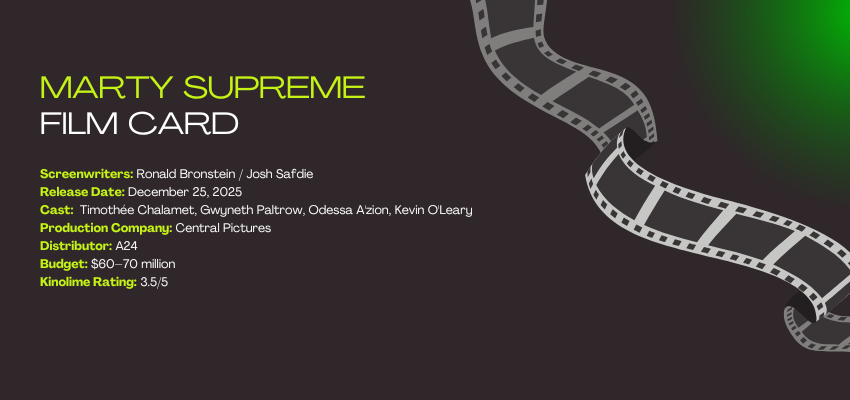
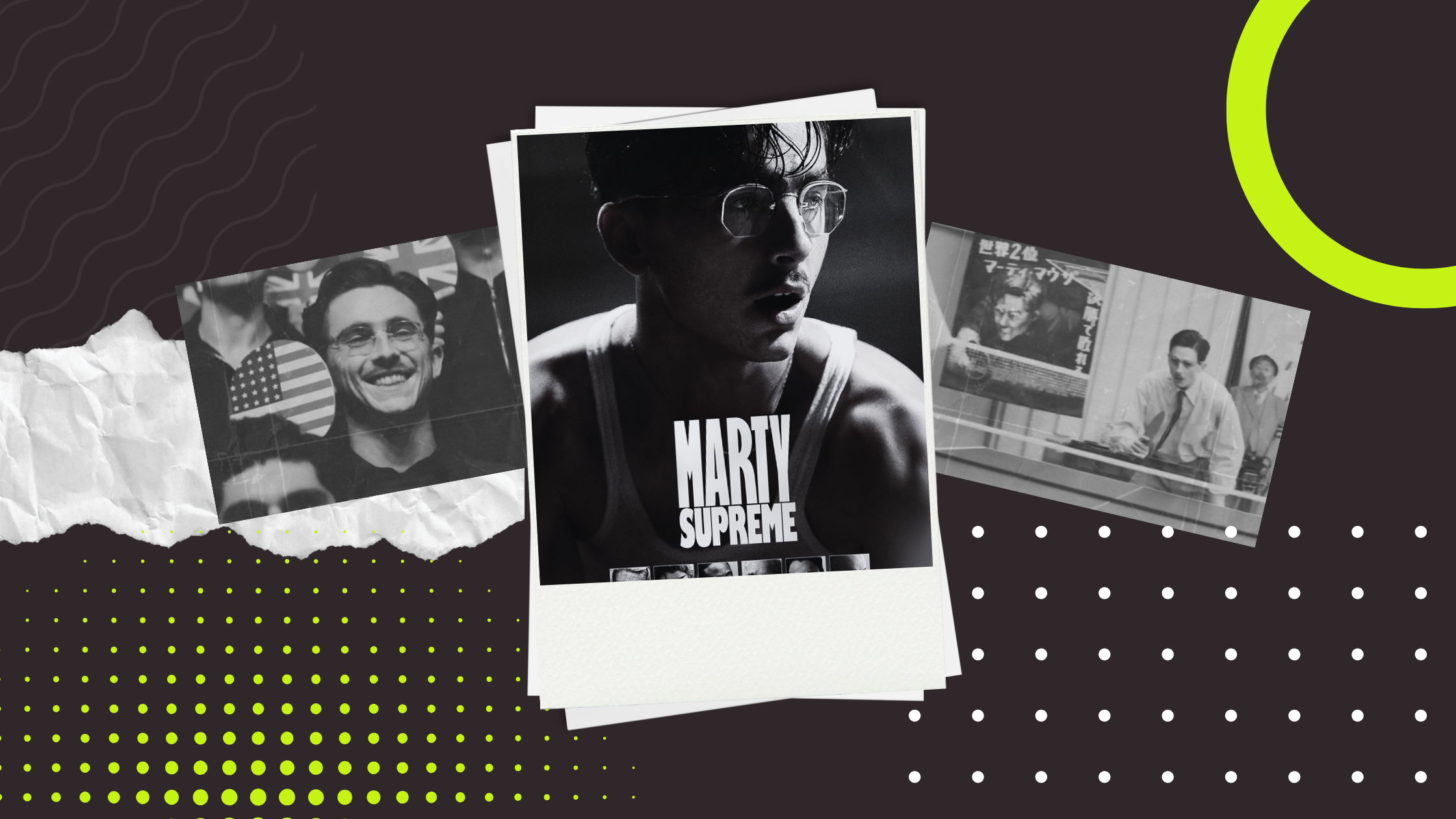
It’s Oscar season, and Marty Supreme is among the frontrunners for several awards, including Best Picture and Best Original Screenplay. Today, I’ll examine Ronald Bronstein and Josh Safdie’s screenplay to see whether it deserves the acclaim or – like its titular character – expects success it hasn’t earned.
Writers Bronstein and Safdie reunite after Good Time and Uncut Gems. With their track record, you expect a frantic, cold-sweat movie, almost like a panic attack built on dream logic. Yet their previous work was largely ignored by the Academy – so what’s changed this time?
I usually break down what happens in the screenplay, then share my thoughts in the conclusion, but today I want to analyze as I narrate. This is the type of film you read (or watch) and come out buzzing, but as the debris settles, you realize how unfulfilled several aspects of the story were.
OPENING IMAGE
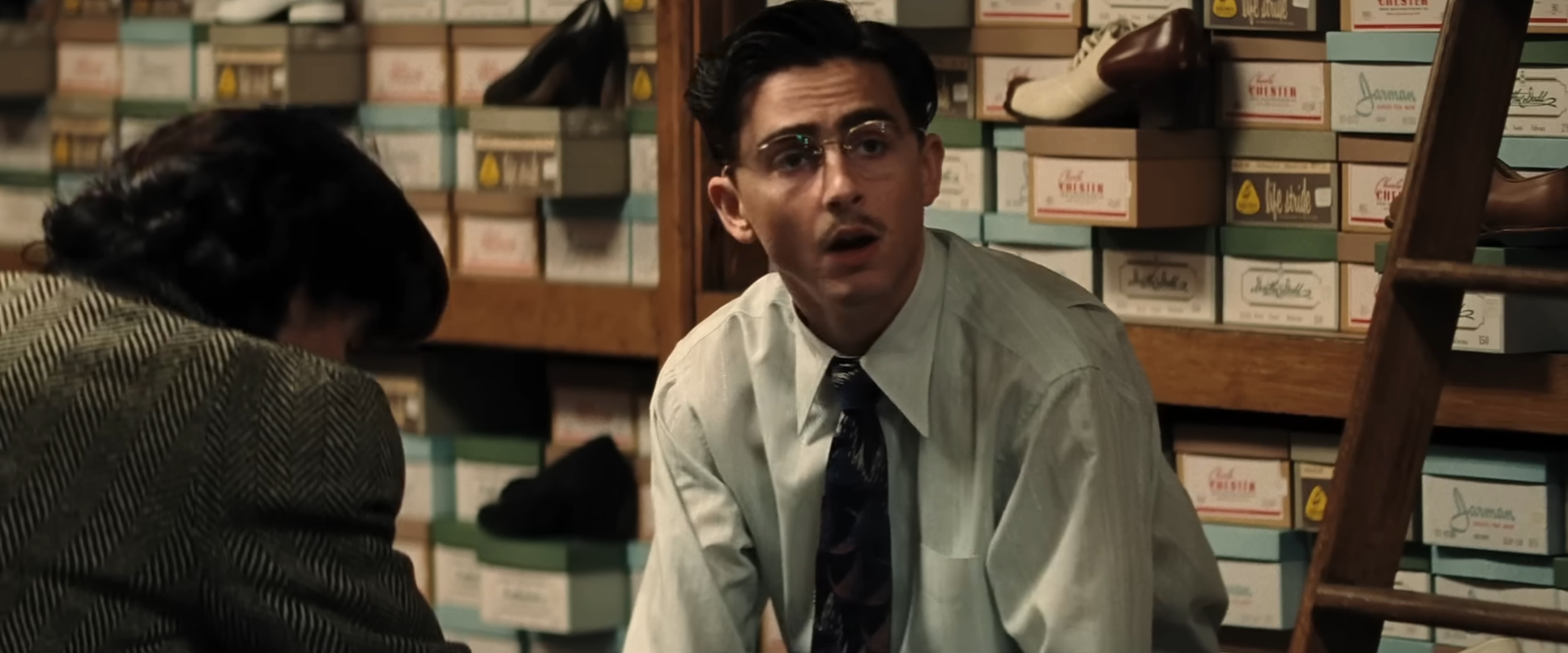

New York, 1952. Marty is introduced as a character willing to cut corners to succeed in any aspect of his life. The consequences of selling someone a pair of shoes that don’t fit are not his own, so what does he care? This is the crux of his characterisation.
SET UP
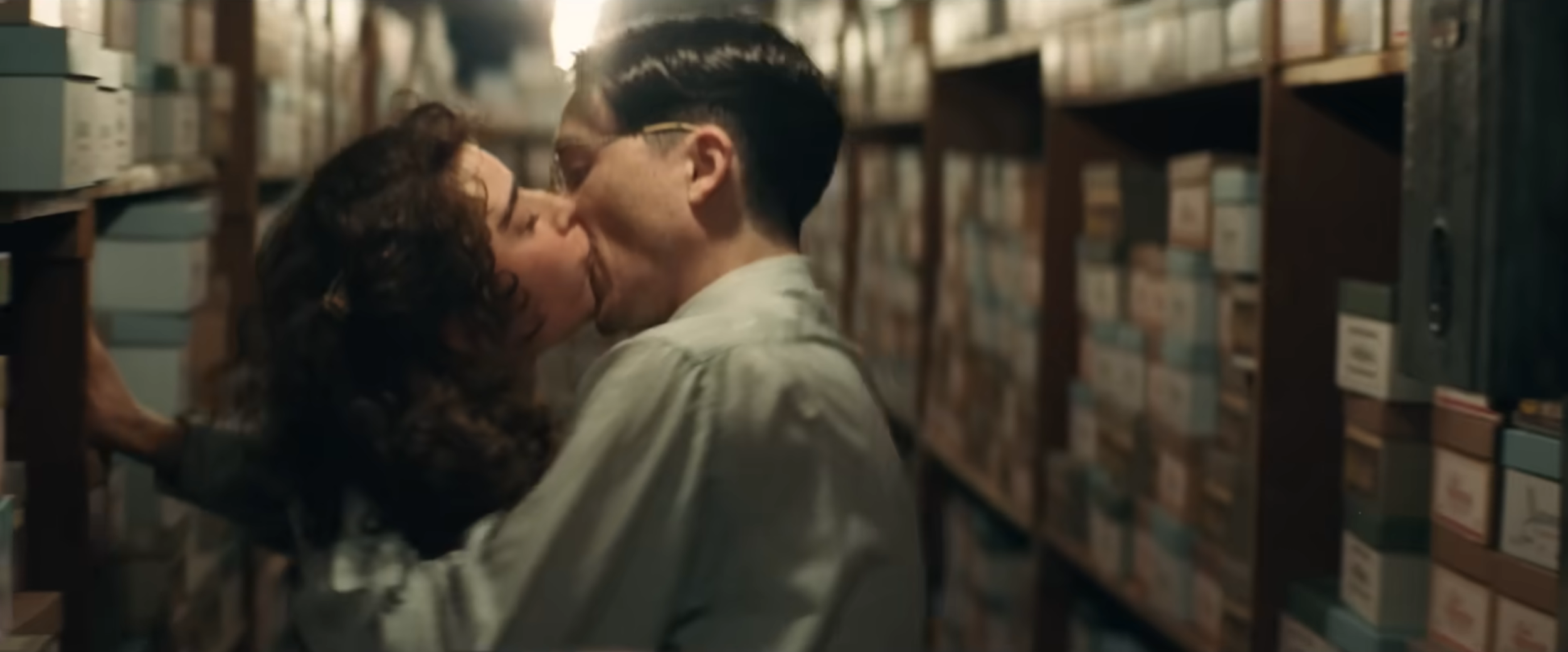
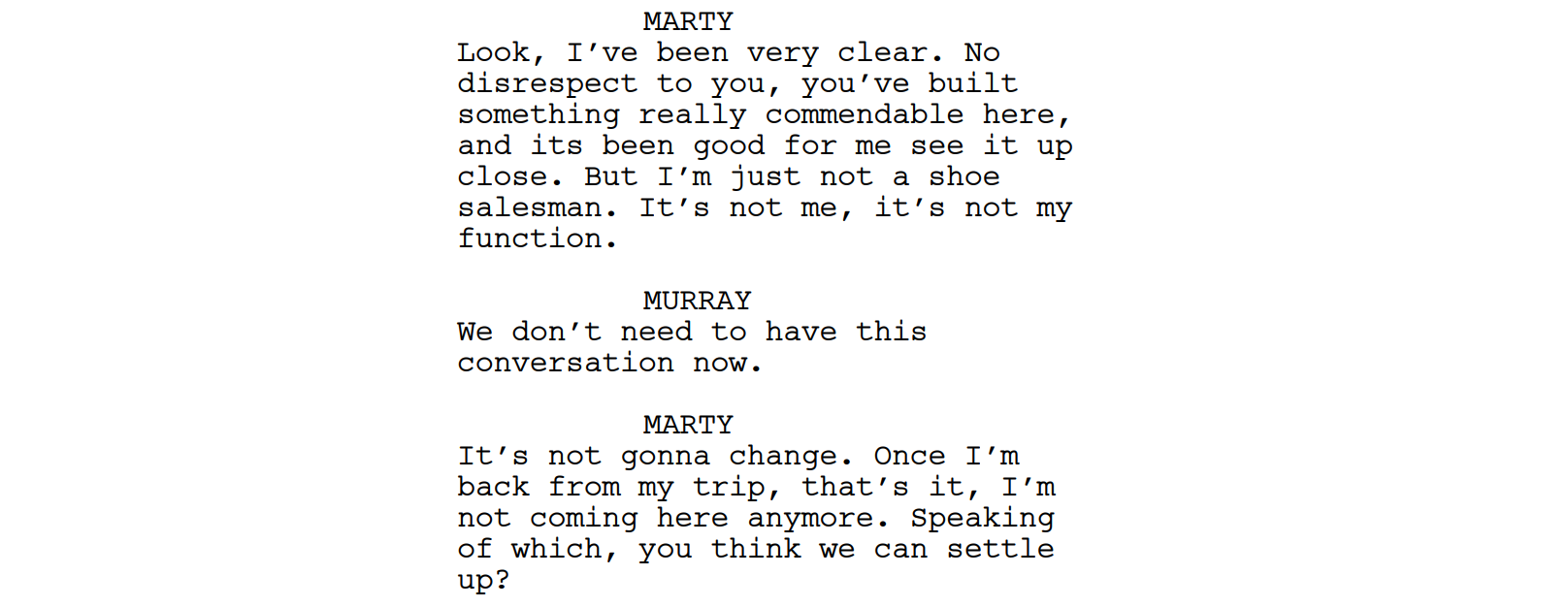
We further establish Marty as a capable salesman unwilling to remain working in Uncle Murray’s shoe store, as he harbors lofty table tennis champ aspirations. And has the ego to back it up. His focus has shifted to leaving New York for the British Table Tennis Championship, dependent on receiving his wages. He rejects Murray’s managerial promotion.
In the store room, he meets – and impregnates – Rachel, a married neighbor living in his mother’s apartment building. We soon meet Ira, Rachel’s husband, who’s domineering over her but ignorant to her infidelity.
Marty takes an extended lunch break to practice table tennis with his friend Wally at Lawrence’s parlor. He claims he can’t track the white ping-pong ball against a white T-shirt. He gets a call to say his mother is gravely ill, though he immediately dismisses the familiar ruse.
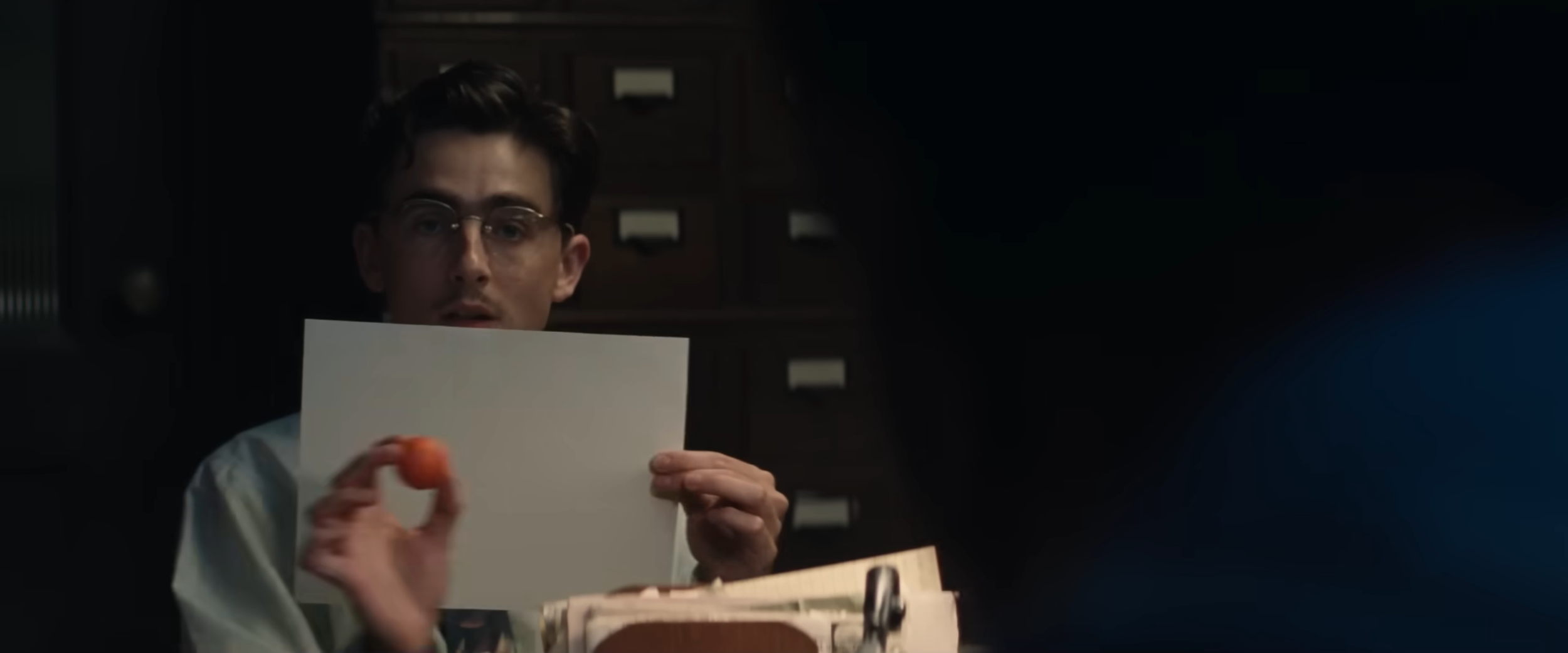
Marty and his friend Dion pitch a business proposal to Galanis, Dion’s businessman father, introducing the orange “Marty Supreme” ball designed to stand out against white, Wimbledon-style attire. Dion leaves humiliated, but Marty remains unfazed, envisioning himself on the Wheaties box and, after winning the championship, as the public face of table tennis.
In this setup, Marty is revealed as relentlessly egotistical, driven by desires that tolerate no obstruction. A tale about a nobody who’s determined to be somebody is easy to relate to and the writing invites us to root for Marty while acknowledging his moral failings. His magnetic intensity draws in both those around him and the audience. Unlike Catch Me If You Can’s charming con man, Marty Supreme lays the table for a conman who can become terrifying in his pursuit of glory. Which leads us to the…
INCITING INCIDENT
Marty returns from his five-hour lunch break to find Murray has taken his mother to hospital, leaving his nephew Lloyd in charge. He calls his mother, who informs him that Murray has left town. Stranded without his wages, Marty realizes his trip is in jeopardy – the dominos of his master plan are already beginning to fall.
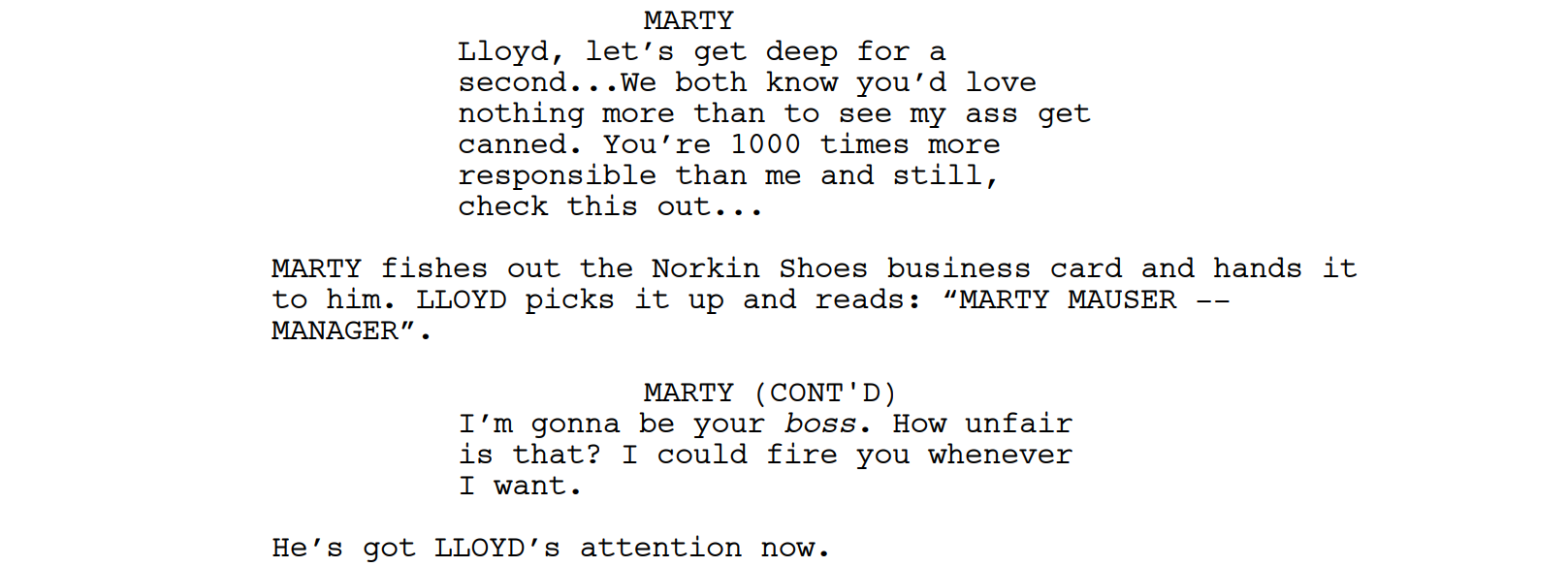

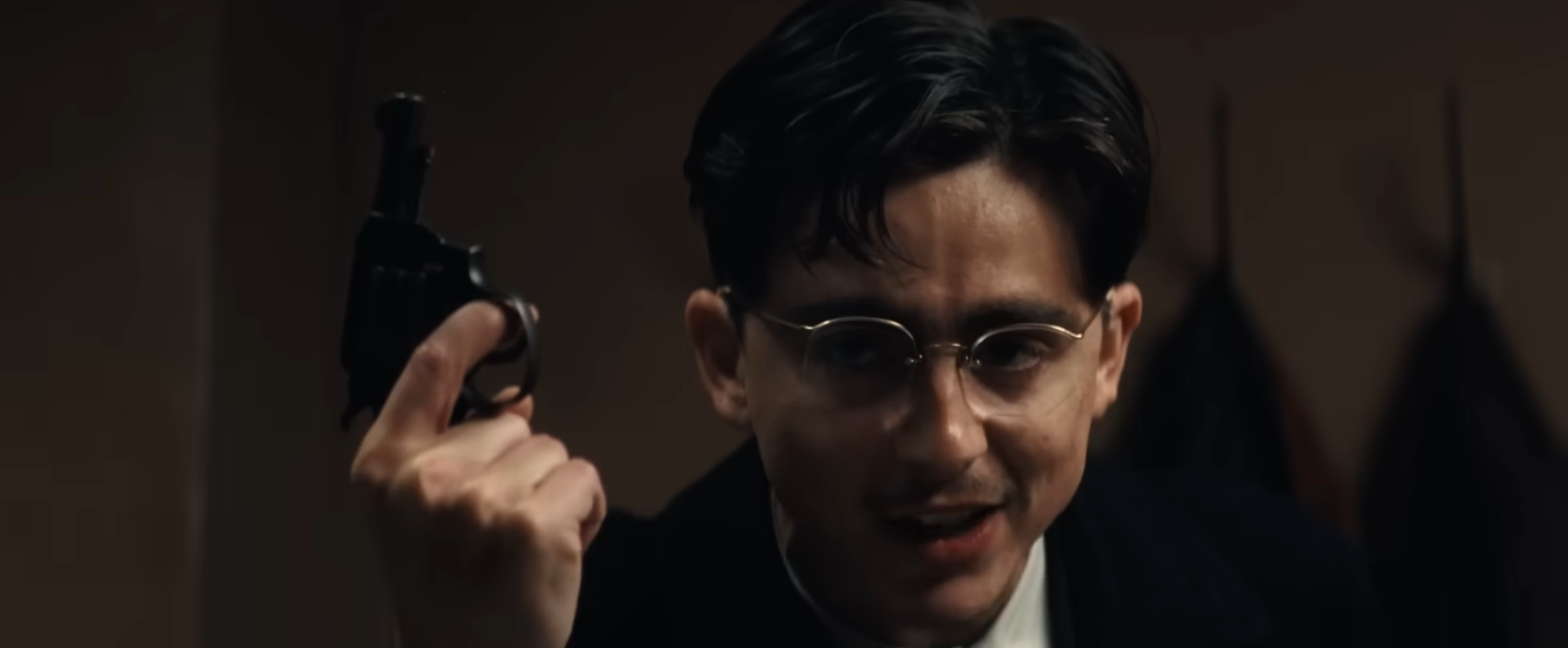
Incensed, Marty pulls a gun on Lloyd and demands his wages. Lloyd initially calls his bluff, but Marty ultimately coerces him by leveraging his would-be promotion. The moment distills Marty’s character: he always chooses the shortest path to solving a problem, with no regard for the consequences. Those are left for tomorrow’s Marty.
DEBATE
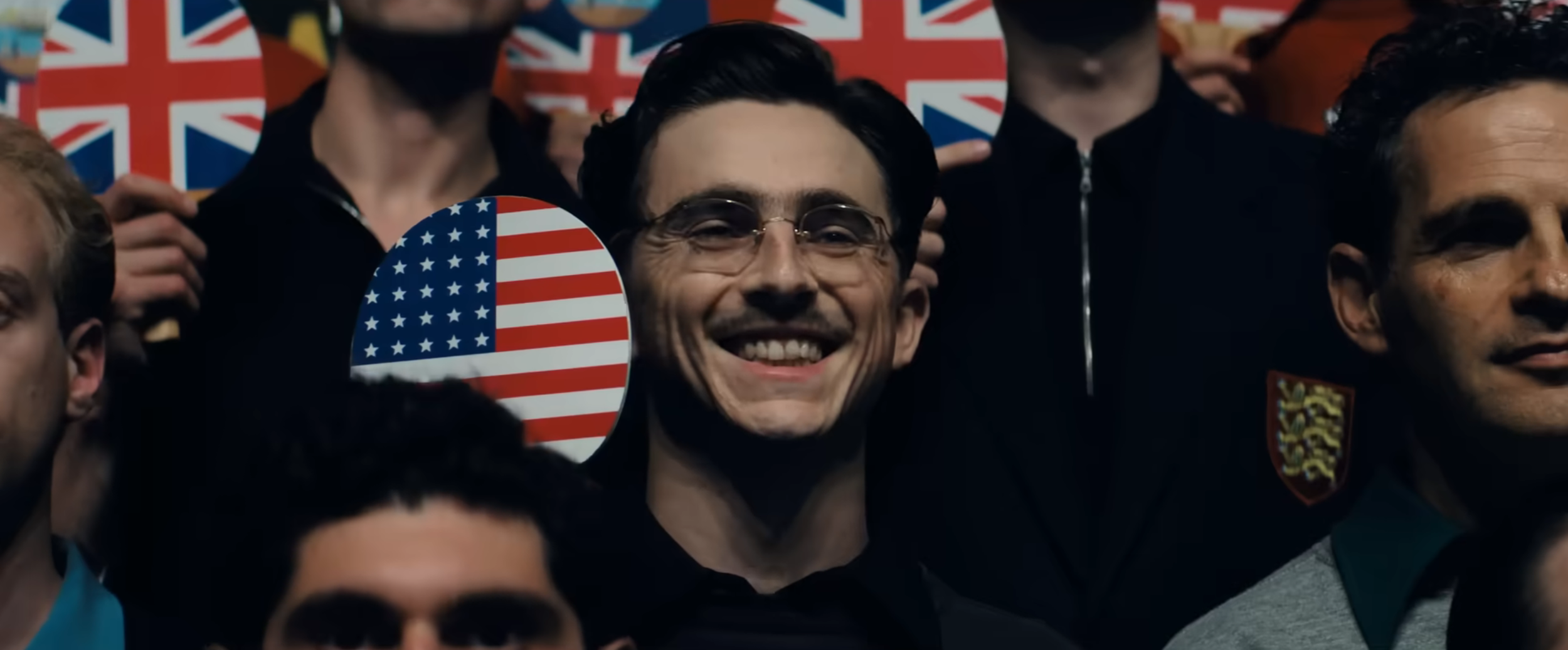
Arriving in London, Marty meets global competitors. He’ss appalled by the players’ hostel accommodations. He befriends Béla Kletzki, a former Hungarian world champion and Holocaust survivor. During this debate section, Marty quickly proves he can meet his own hype, defeating opponents and climbing the rankings.
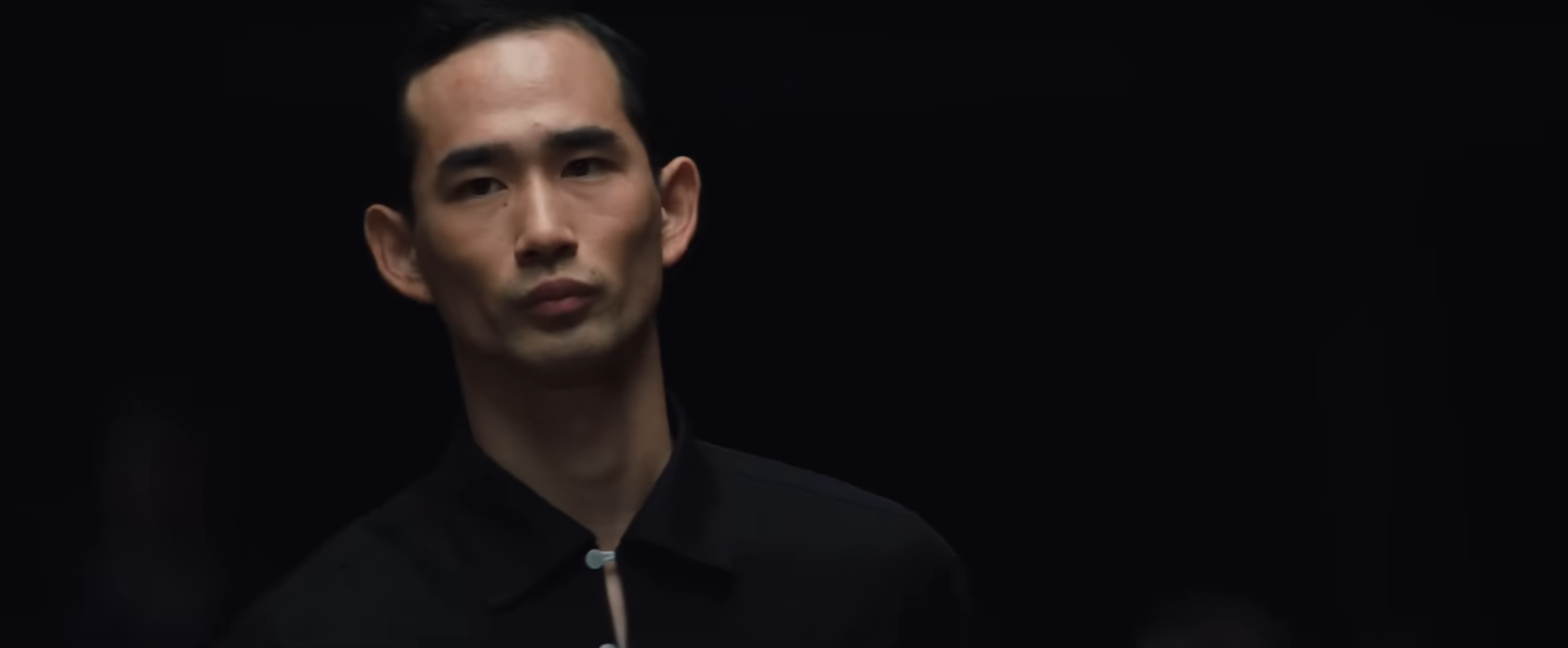
We also meet Endo – whose nation of Japan is permitted to compete for the first time since the postwar travel ban. Endo is Japan’s Ivan Drago of table tennis. His unconventional paddle immediately intrigues Marty.
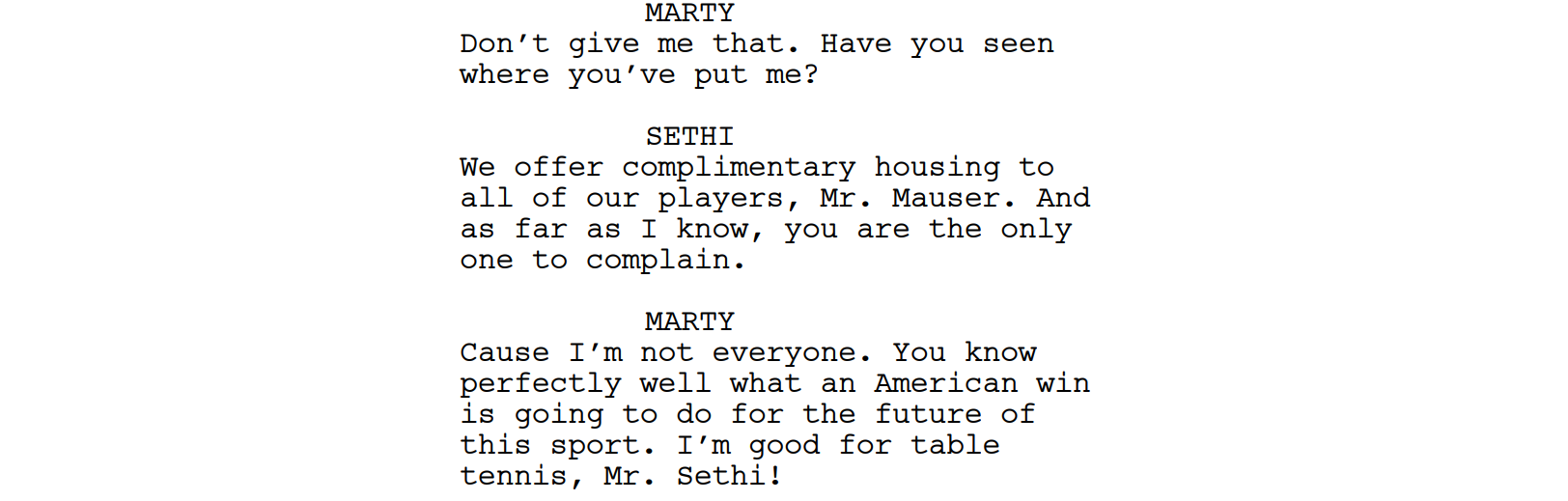
Marty alienates others with his arrogance, clashing over accommodations with Sethi, head of the International Association of Table Tennis (IATT). He relocates himself to the Ritz, courting reporters with outrageous headlines that inflate his own myth. We’re introduced to Kay Stone, a famed 1930s actress, and her husband Milton Rockwell, a pen magnate.
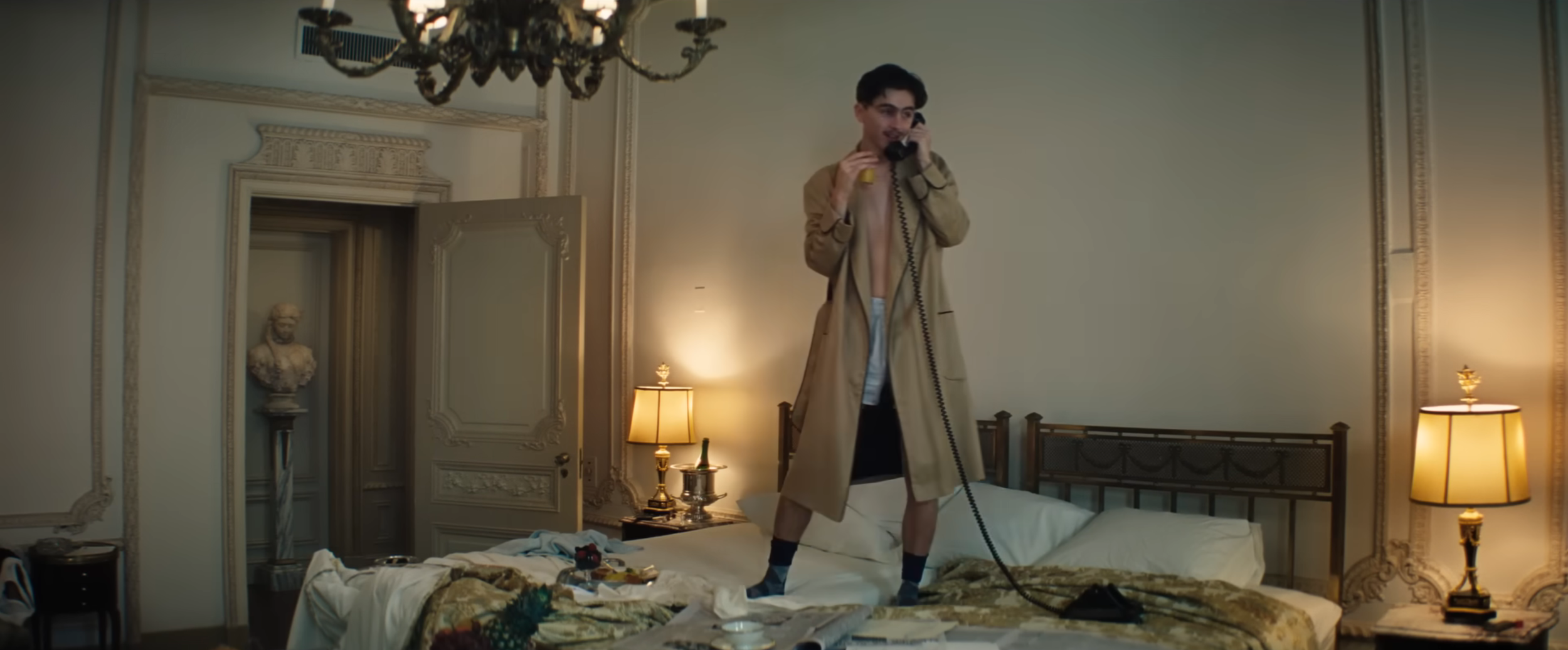
Kay becomes another prize Marty thinks he deserves. He phones her room and invites her over, but she declines. Still, his confidence makes an impression: she’s drawn to his youthful vigor, especially contrasted to the asexual bickering of her 25-year marriage. Marty invites her to watch him compete in the Wembley semifinals.
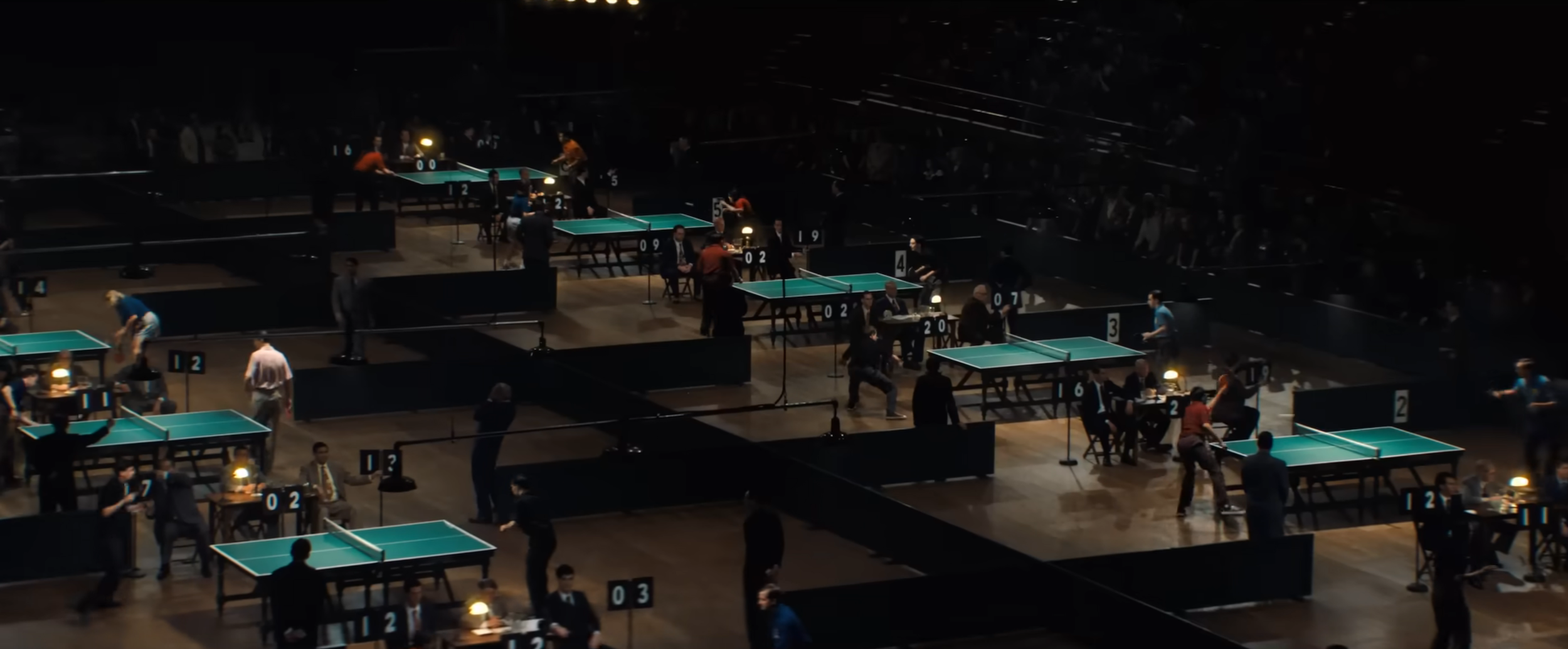
Marty lives up to his hype, defeating Kletzki with flair and advancing to the final against Endo – unaware that Kay is in attendance. At dinner, Kletzki invites him to join the Harlem Globetrotters as a halftime act, but Marty considers that beneath him. He pays the Rockwells’ table tab (with money he doesn’t have) to capture their attention.
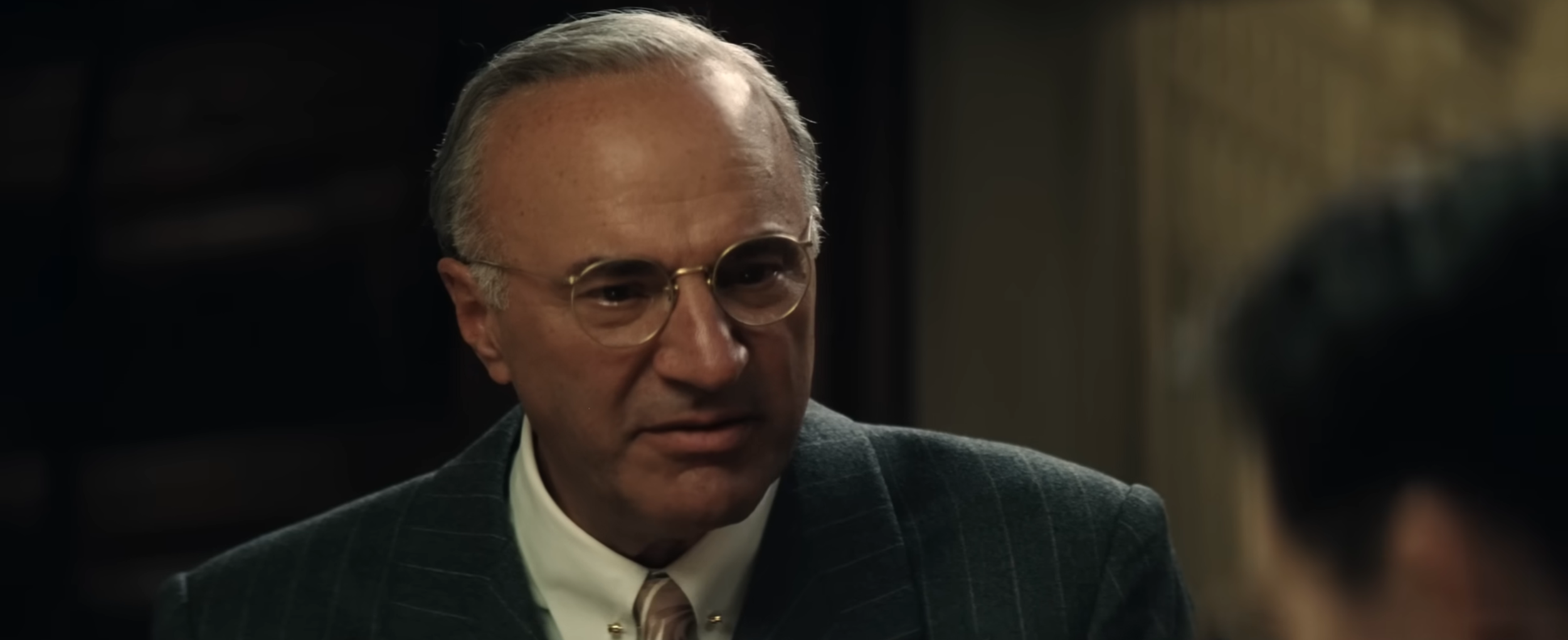
Rockwell is intrigued but puzzled by Marty, though he’s interested to hear that table tennis is the world’s fastest growing sport. He warms to the idea that this could present a business opportunity. Kletzki distracts Rockwell with a harrowing tale of surviving Auschwitz.
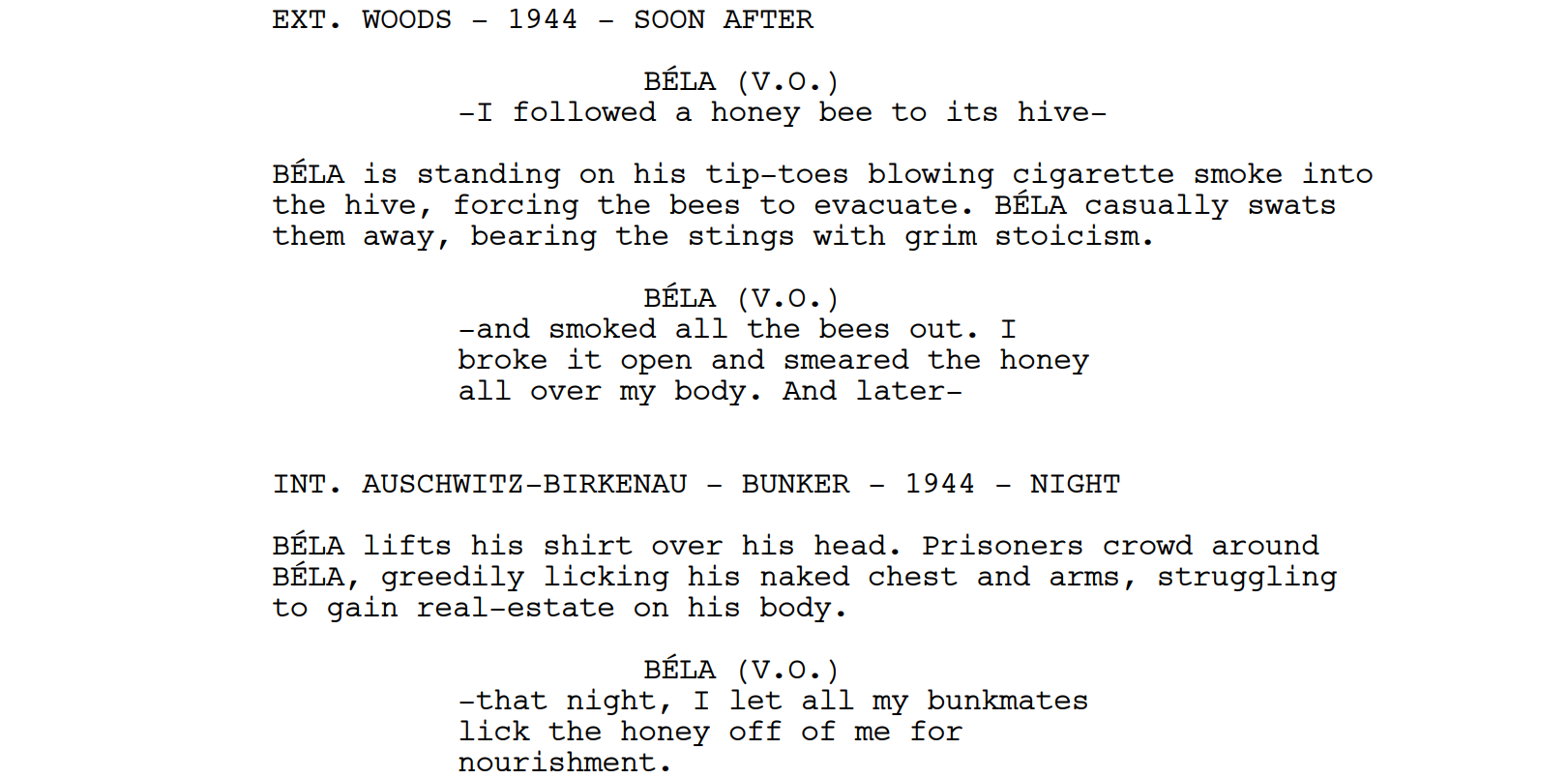
This scene plays out while Marty and Kay share charged glances. It really puts into perspective Marty’s entitlement when juxtaposed with Kletzki’s heroics. This is a man who’s been through hell and Marty is using him as a tool to his own ends. Which works, because that evening, Kay sleeps with Marty, further inflating his ego.
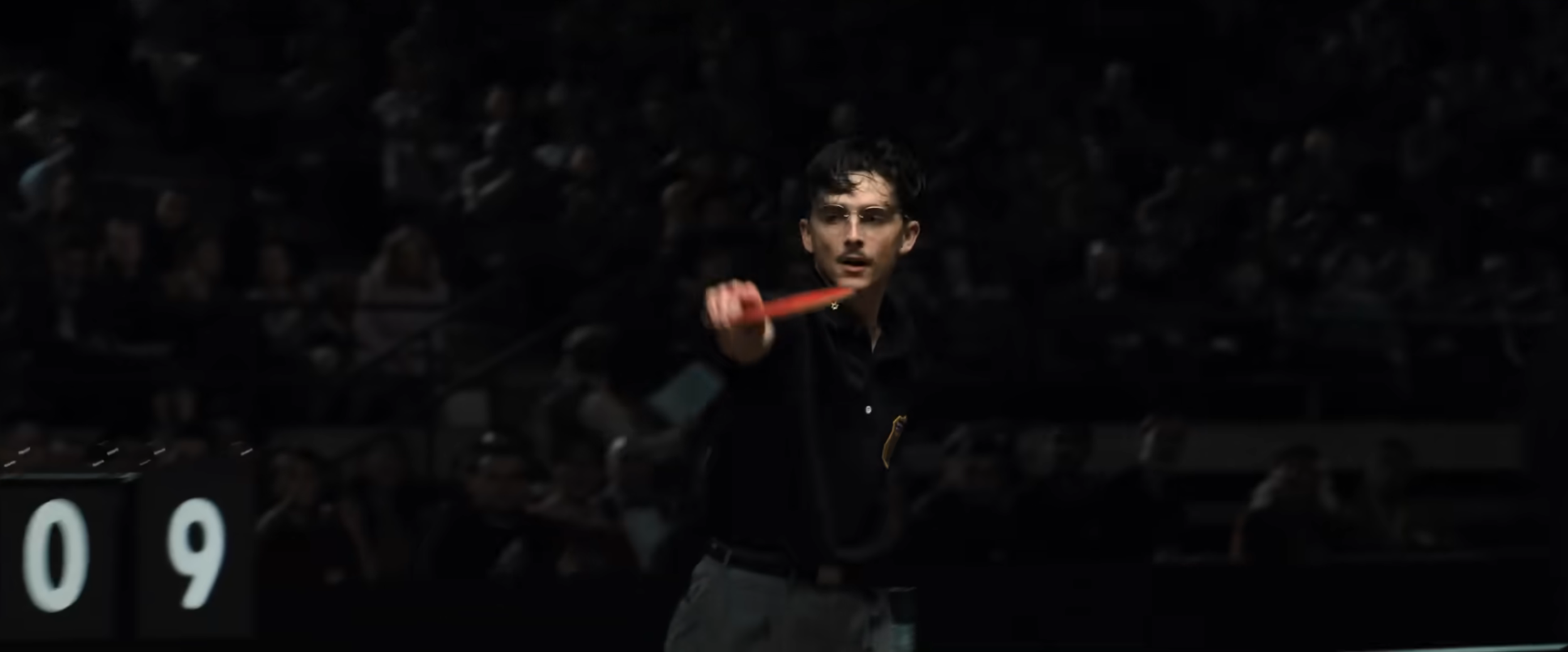
Marty’s ego hits the first major hurdle, losing decisively to Endo in the final. For the first time, he can’t beg, lie, steal, or cheat his way through – he’s simply beaten by a better player. Nonetheless, he blames Endo’s unconventional paddle and embarrasses himself before the crowd. For the first time, he fails to deliver on his promises – to the media, his peers, and most importantly, to himself.
BREAK INTO TWO
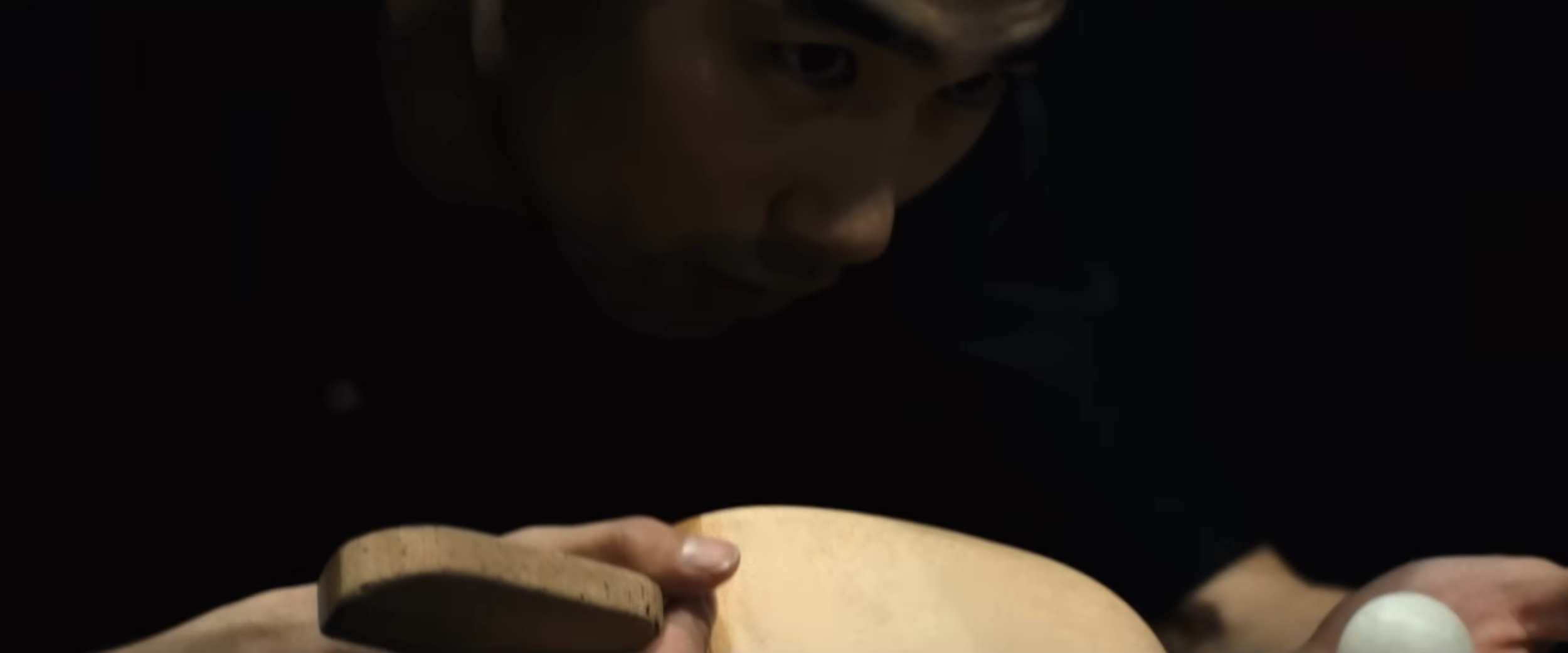
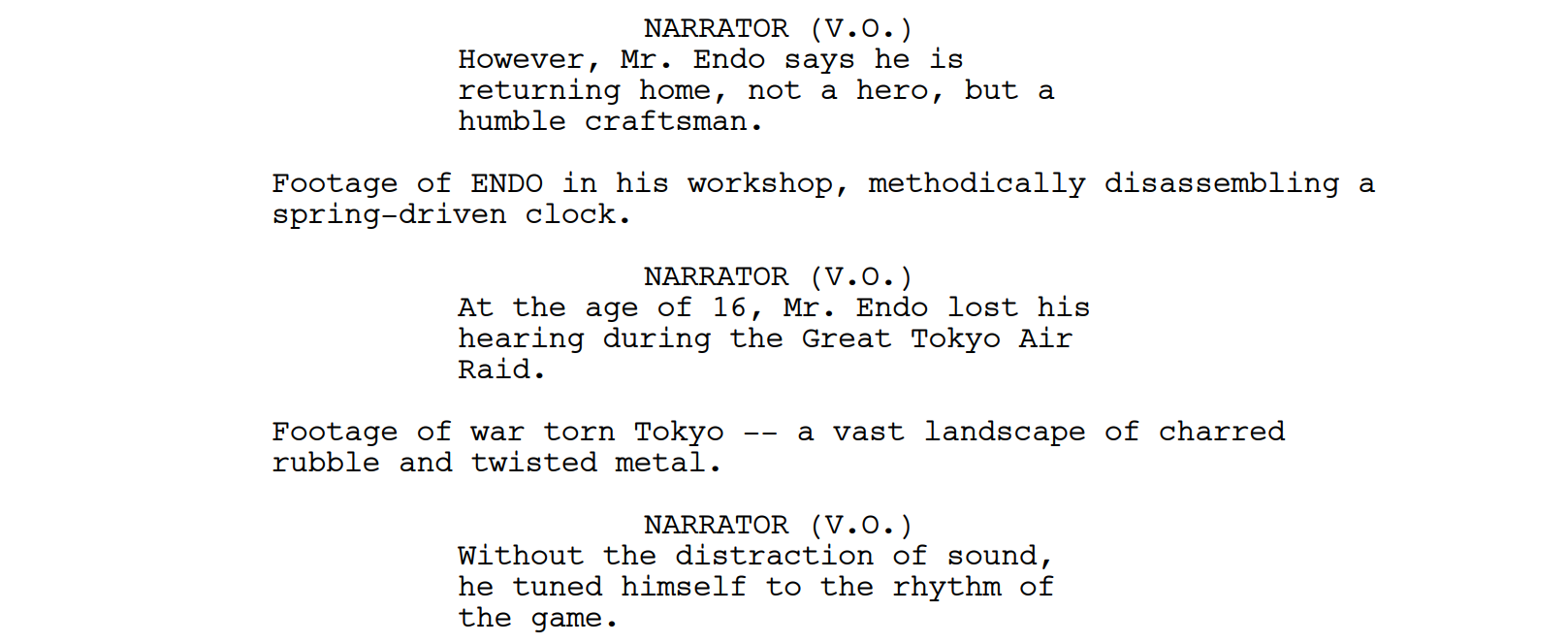
The break into two contrasts Endo’s homecoming with the prodigal return Marty had imagined for himself, through the lens of a Japanese news report. Endo is celebrated like a war hero, while Marty is internationally dubbed an entitled brat. A score-settling rematch at Tokyo’s World Championship is foreshadowed.
FUN AND GAMES
This section builds on the premise by showing the consequences of Marty’s actions catching up with him, as we follow him bulldozing through each new obstacle.
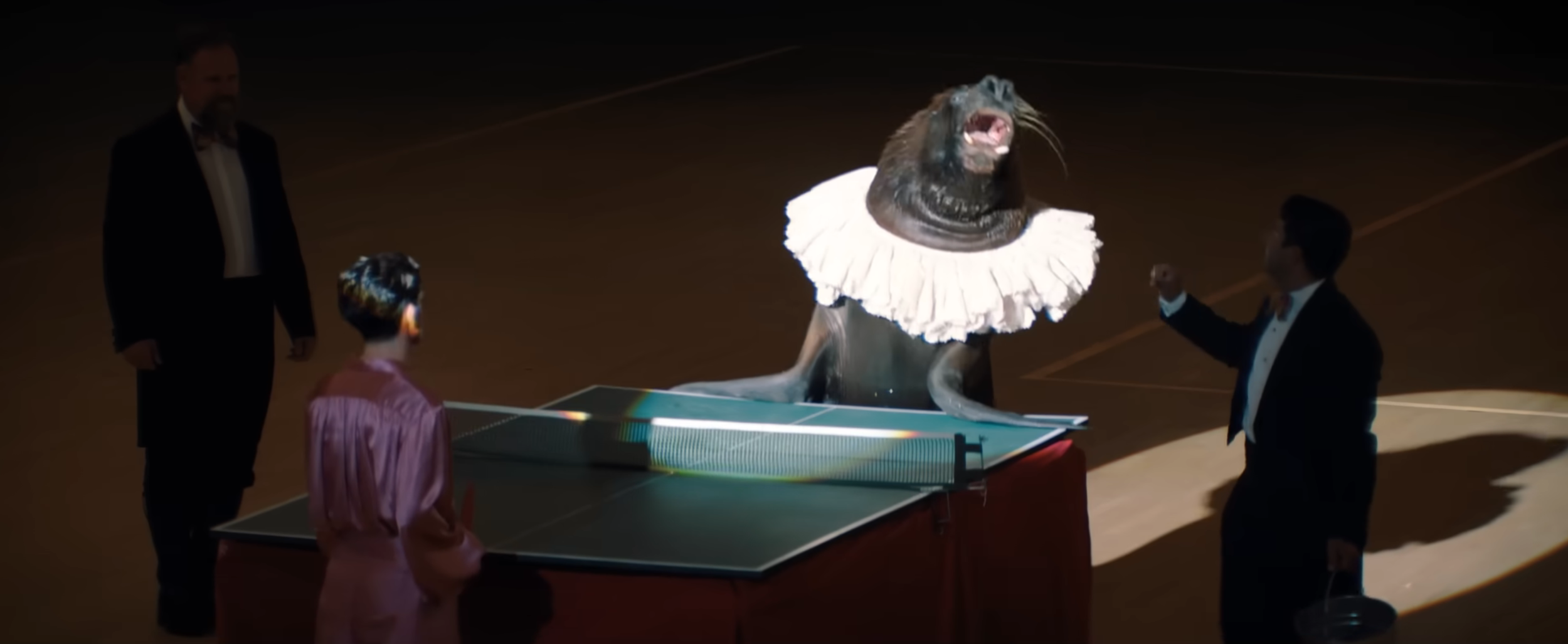
Marty could despair after falling short of his ambitions, but he rallies and sets his sights on the World Championship. In Paris, Rockwell – who has found success promoting table tennis – offers to arrange an exhibition rematch with Endo. Asked to throw the game for money, Marty refuses. Already committed to Kletzki’s Globetrotters, Rockwell is surprised, as Marty considers such “theater” beneath him. Unable to exit quietly, Marty makes a cruel joke about Rockwell’s lost-at-war son and is asked to leave.
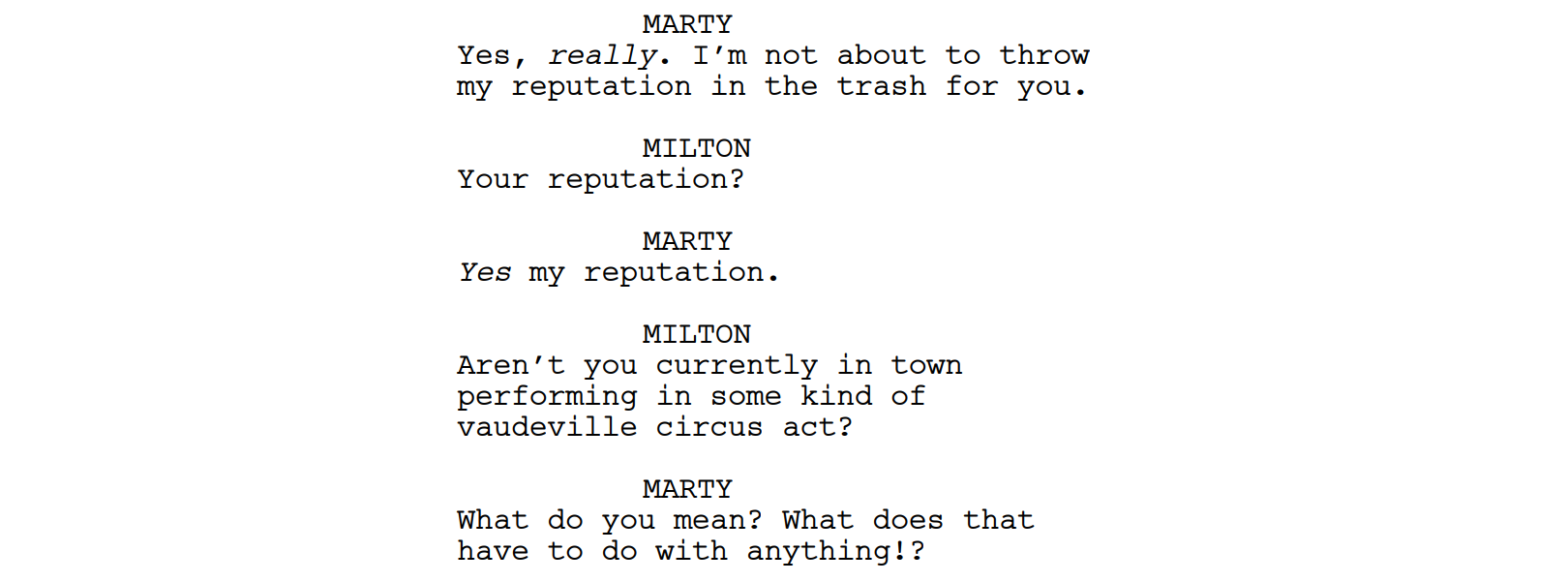
For me, this is the first real stumble: Marty is forced to swallow his pride and accept the Globetrotters gig. It reveals limits to his relentlessness, dulling the impact of the humbling that inevitably comes later. Once Rockwell recognizes this weakness, it becomes exploitable. Marty seizes every opportunity in front of him but consistently misses the bigger picture, resulting in an unsatisfying arc.
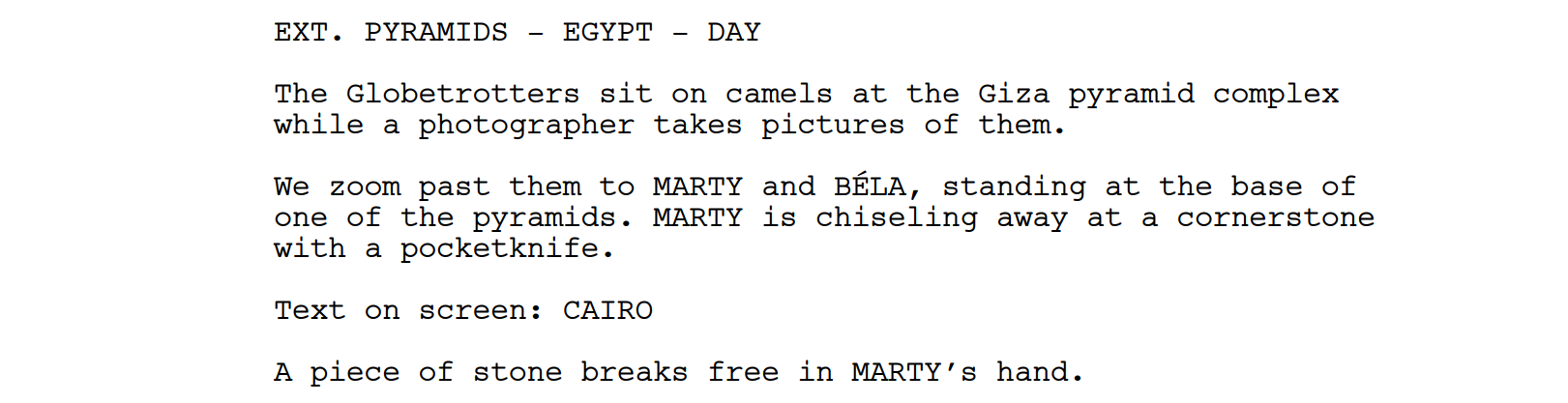
Marty and Kletzki tour the world, performing novelty matches. It’s more showmanship than sport and we see it taking the wind out of Marty’s sails. He steals a piece of the Great Pyramids to gift to his mother – another symbol of his greed. Though relatively minor, this rock imported from Africa is a fun parallel to Uncut Gems.
Back in New York, he returns to his mother’s apartment. The reunion is tense, and Marty promises he’ll stay only “a few weeks” before leaving for Tokyo. She doesn’t appreciate the lump of limestone.
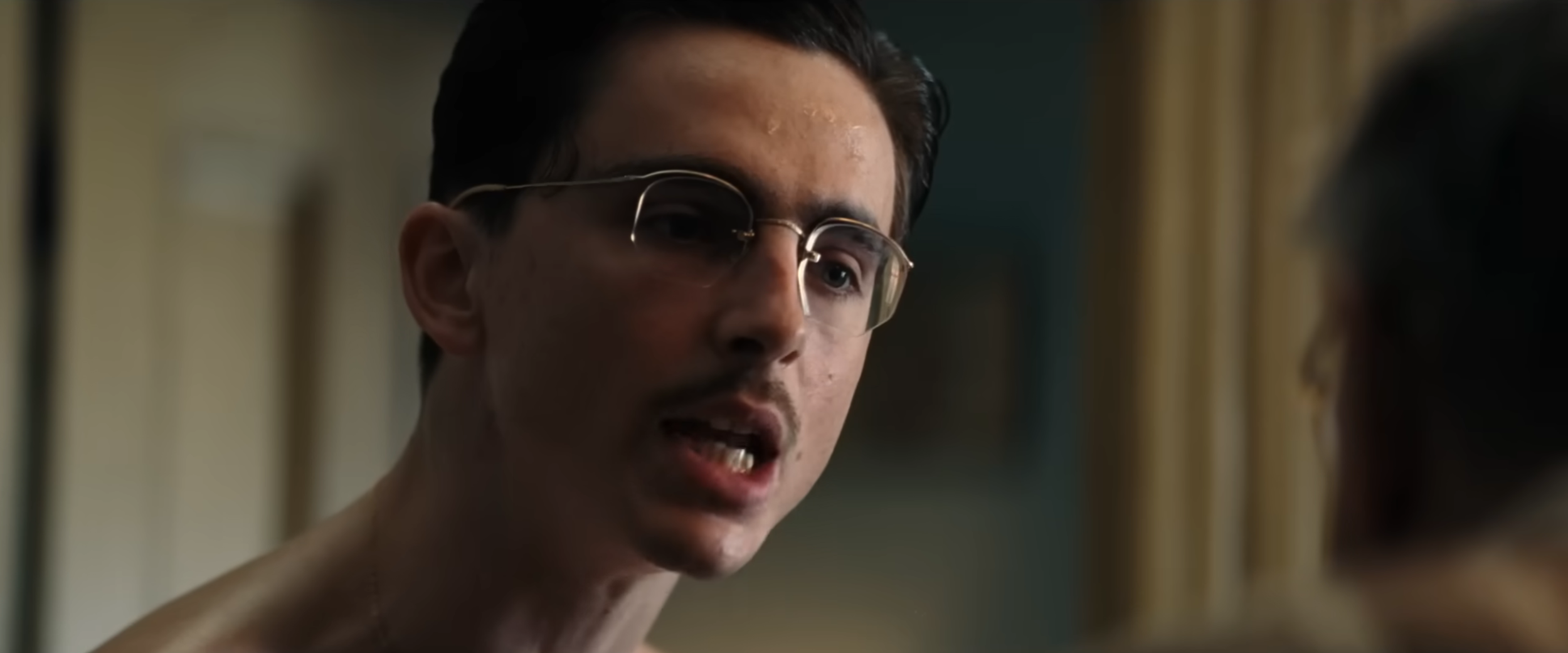
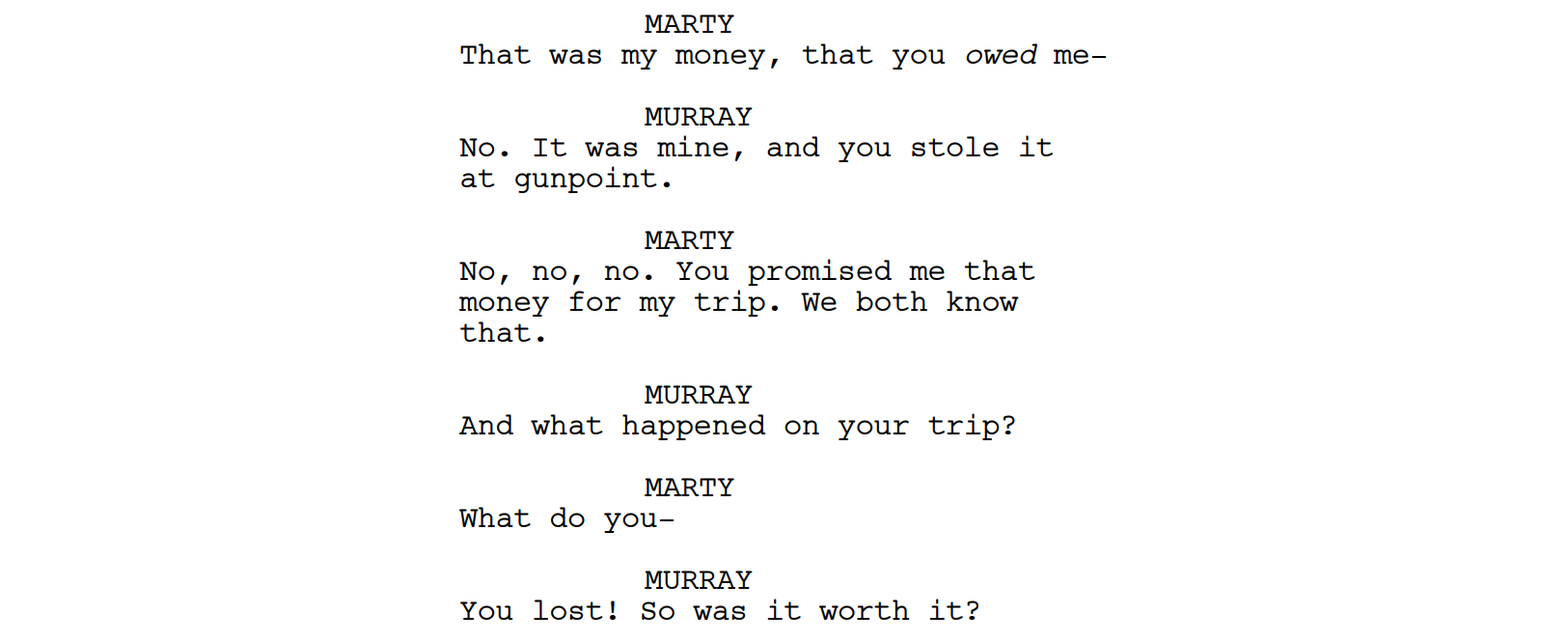
Fresh from a shower, Marty is accosted by a cop sent by Uncle Murray to intimidate him after the shoe store robbery. Murray issues an ultimatum: return to the store or face criminal charges. Having already reclaimed “his money” from Marty’s Globetrotter earnings, Marty flees through a window.

Marty escapes to the pet shop where Rachel works. Using the back phone to improvise a cover story, he notices she’s heavily pregnant – like eight months pregnant. He denies paternity, though Rachel is convinced otherwise.
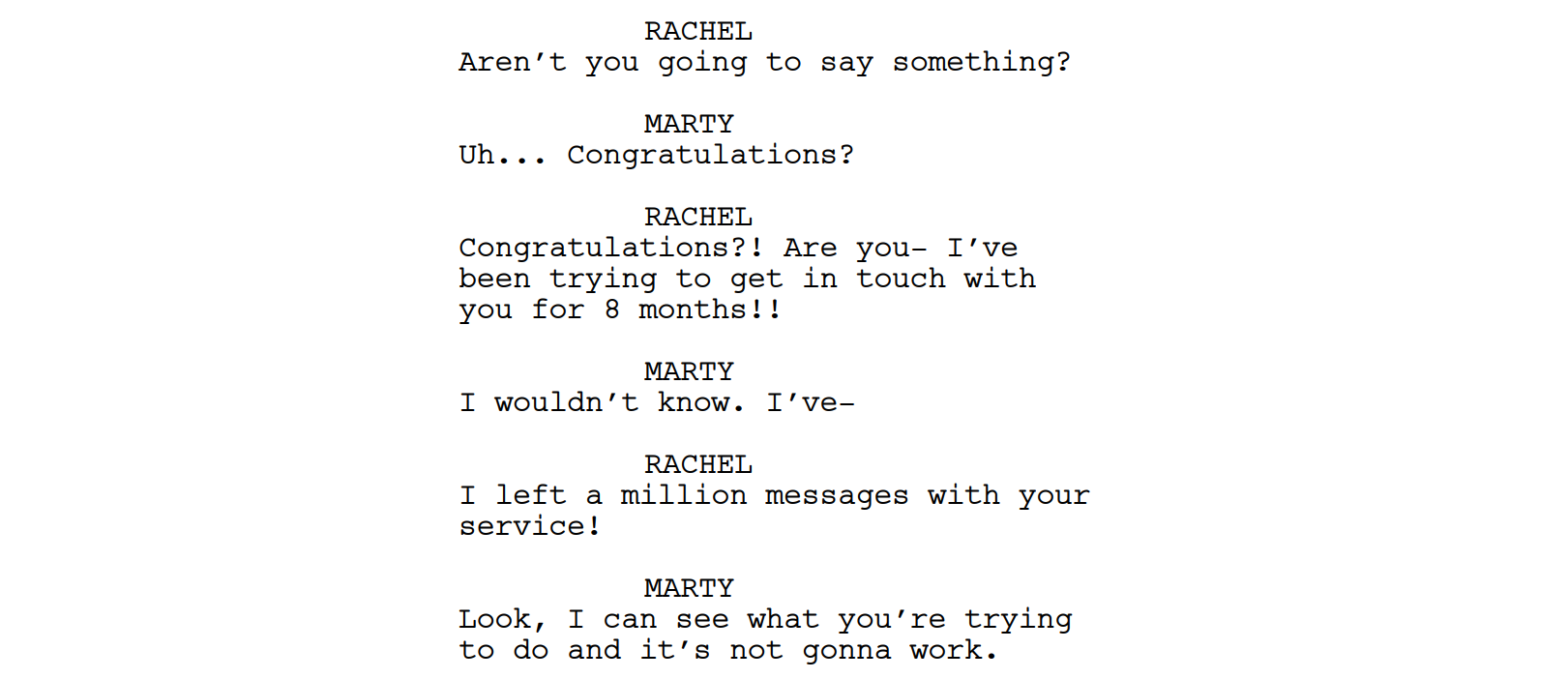
When suspicious husband Ira spots them arguing, he directs the pursuing cops inside. The two men exchange some fighting words. Marty hides in a dumpster to evade capture.
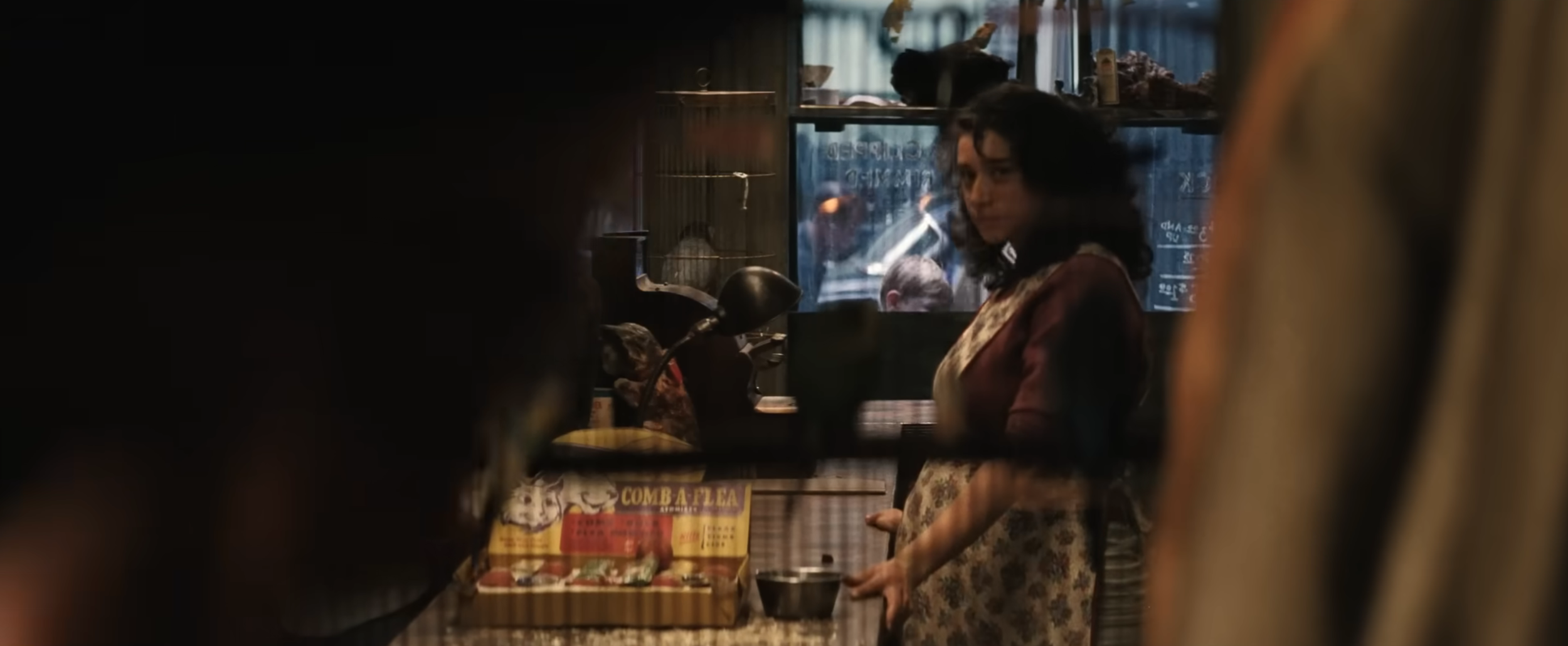
Marty reunites with Wally, who works as a cabbie. He books a shabby hotel room using Wally’s money but is warned not to use the tub. Promising swift repayment, he ignores the warning and runs a bath. Wally finds a hefty fine from the Ritz and a banning order from the IATT in the mail.
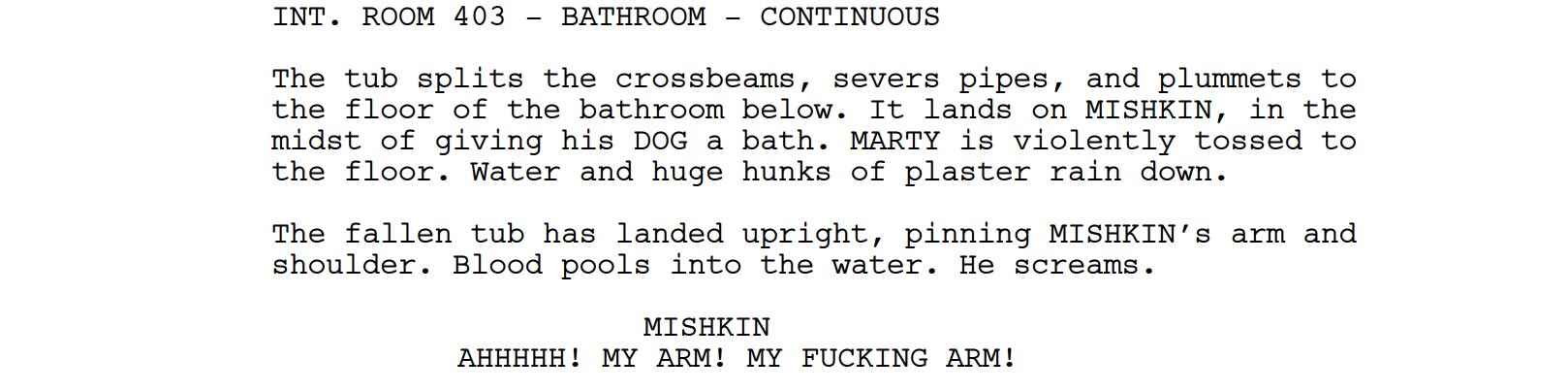
The bath crashes through the floor into the room below, where Mishkin – a mob-affiliated dog owner – is bathing his German Shepherd, crushing his arm. The dog escapes shaken but seemingly unharmed. Marty sees an opportunity to extort the hotel, but staff dismiss him, prioritizing an ambulance for Mishkin, who is far more concerned about his dog’s wellbeing than his own injury.
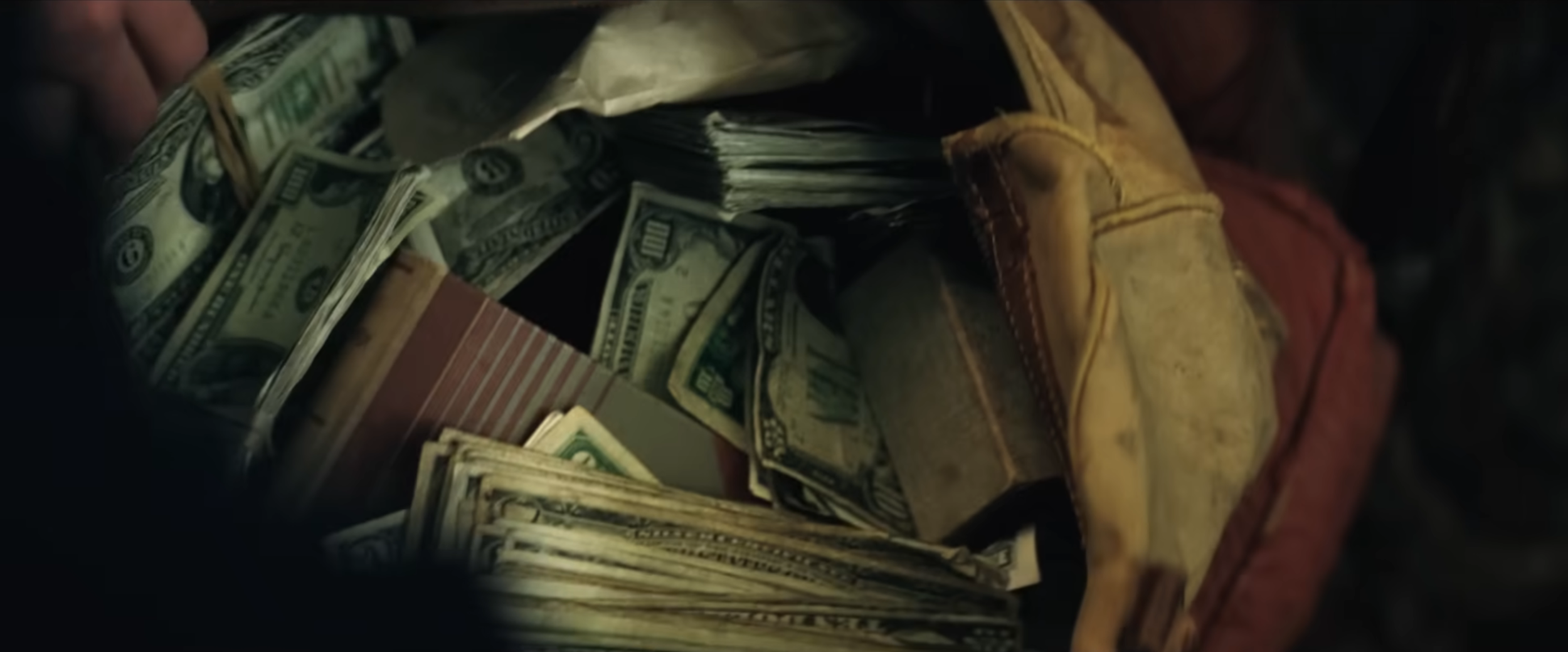
Mishkin, carrying a large amount of cash, begs Marty to take the dog to the vet and hands him $100. Instead, Marty pockets the money and feeds the dog – Moses – bourbon to dull its pain.
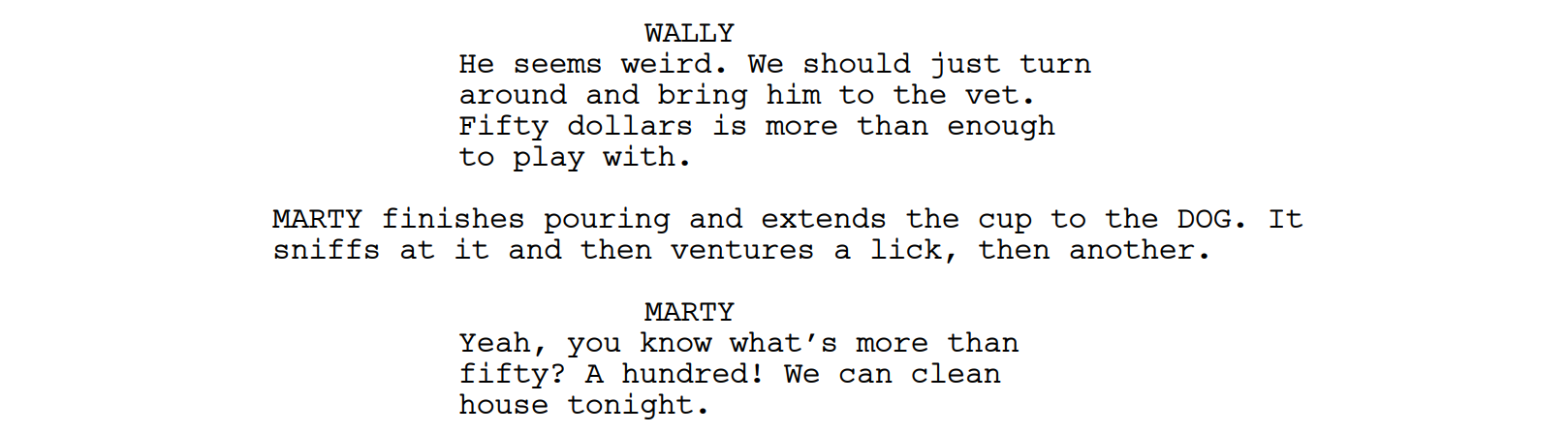
Marty and Wally hit a parlor to run a practiced con, acting as novice strangers while slowly raising the stakes until locals can’t resist the promise of easy money.
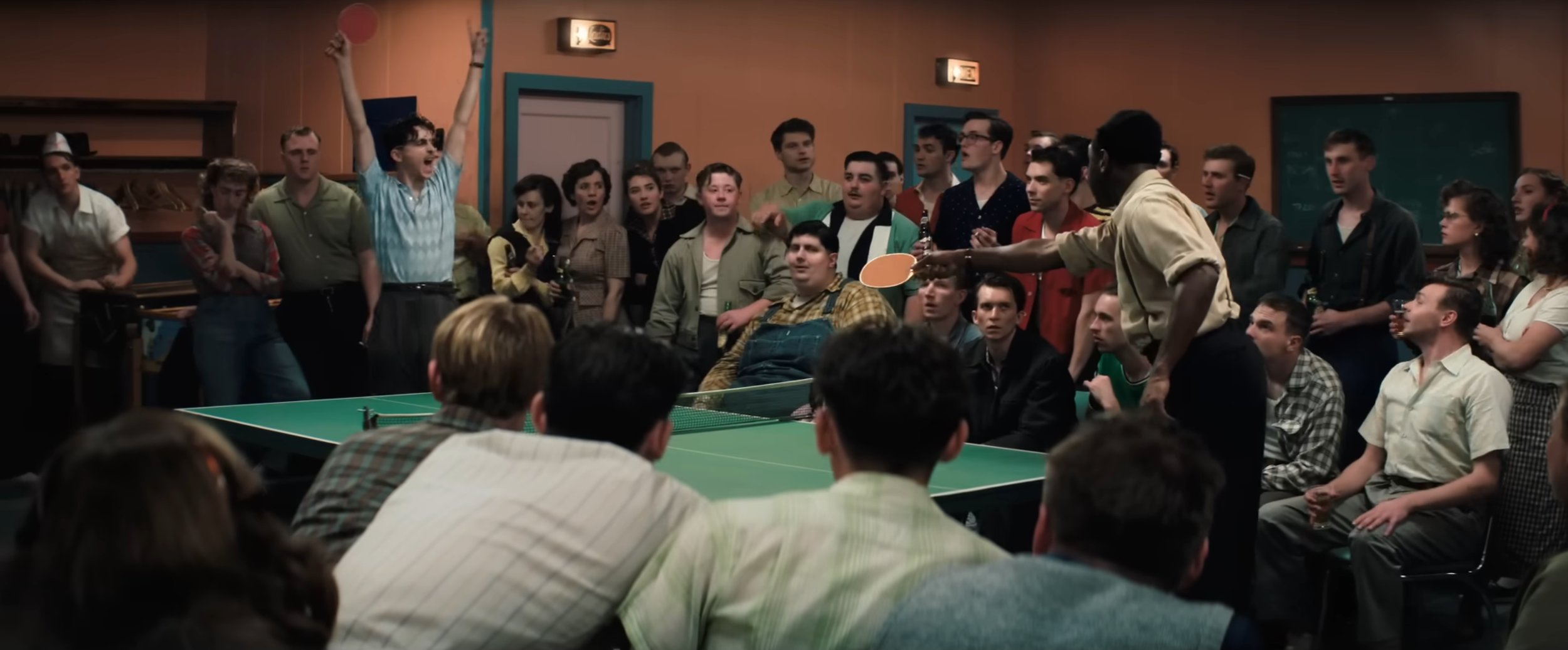
Wally deploys a rehearsed sob story to win the locals’ sympathy. When Marty cleans him out, a local hotshot steps in, hoping to play the hero and win Wally’s money back.
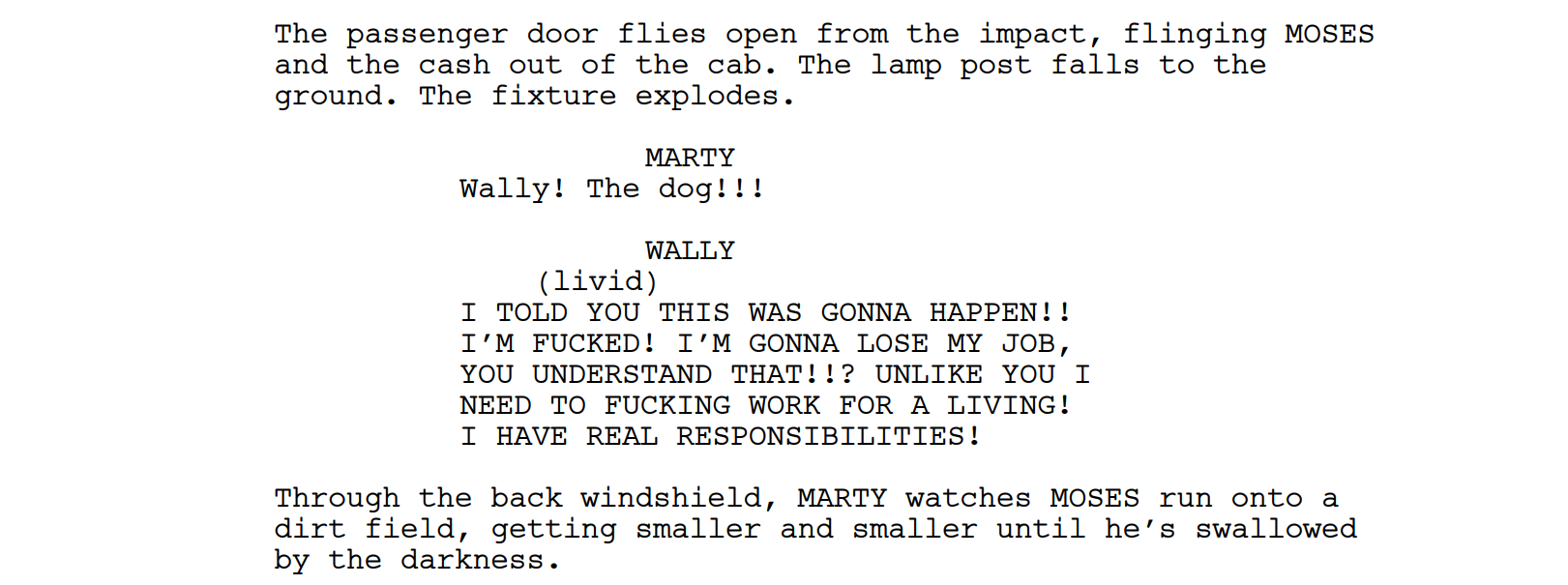
Marty and Wally leave triumphant, having turned $100 into $430. But the locals pursue, one recognizing Marty Mauser. They reclaim the cash when Moses bites back. In the scuffle, Wally’s cab – and livelihood – are badly damaged, and Moses is thrown out, lost in the night.
MIDPOINT
Once again, Marty is on his ass – no cash, no prospect of getting to Japan, in debt to Wally, and towing a pregnant girlfriend. He has no roof over his head and is writing checks he can’t cash. Returning to Lawrence’s parlor for the night, he finds Rachel waiting with a bruised black eye.

It’s the only moment in the script where he acts selflessly, driven by concern rather than personal progression.
BAD TO WORSE
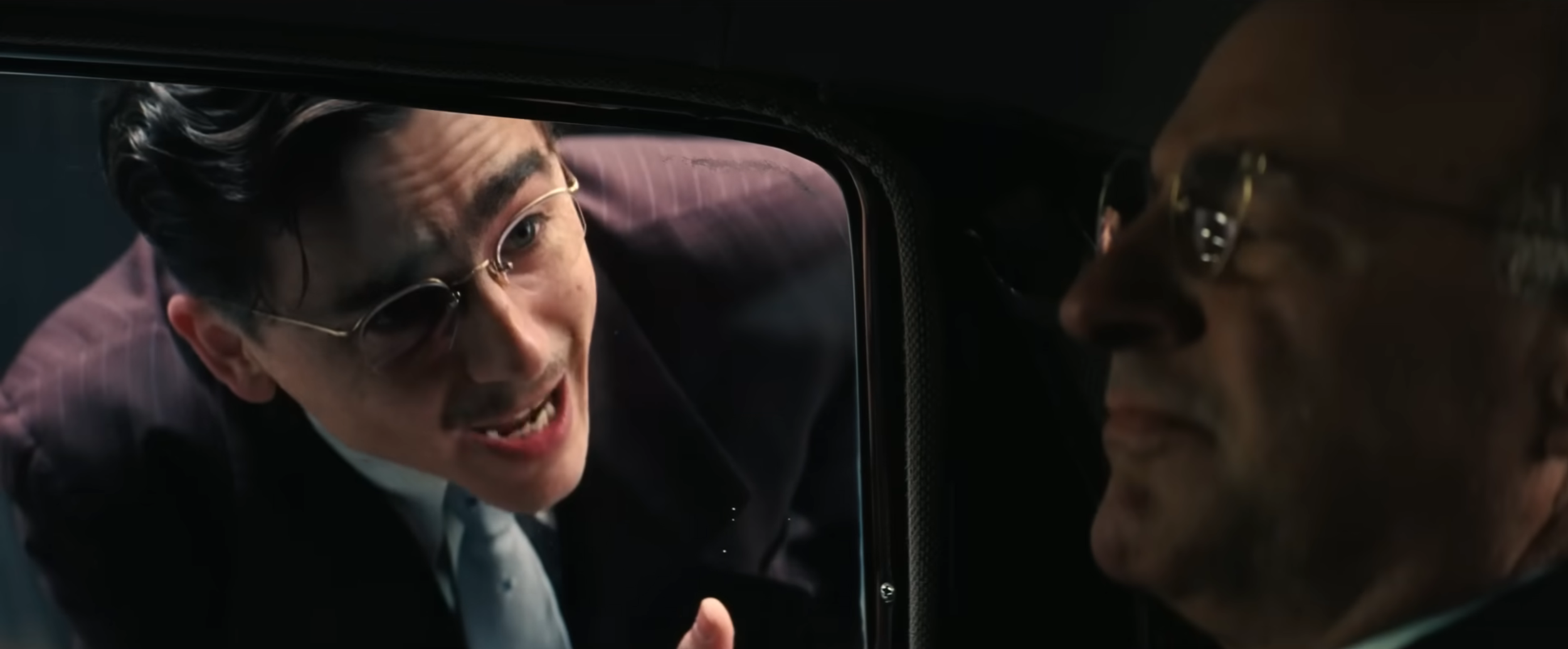
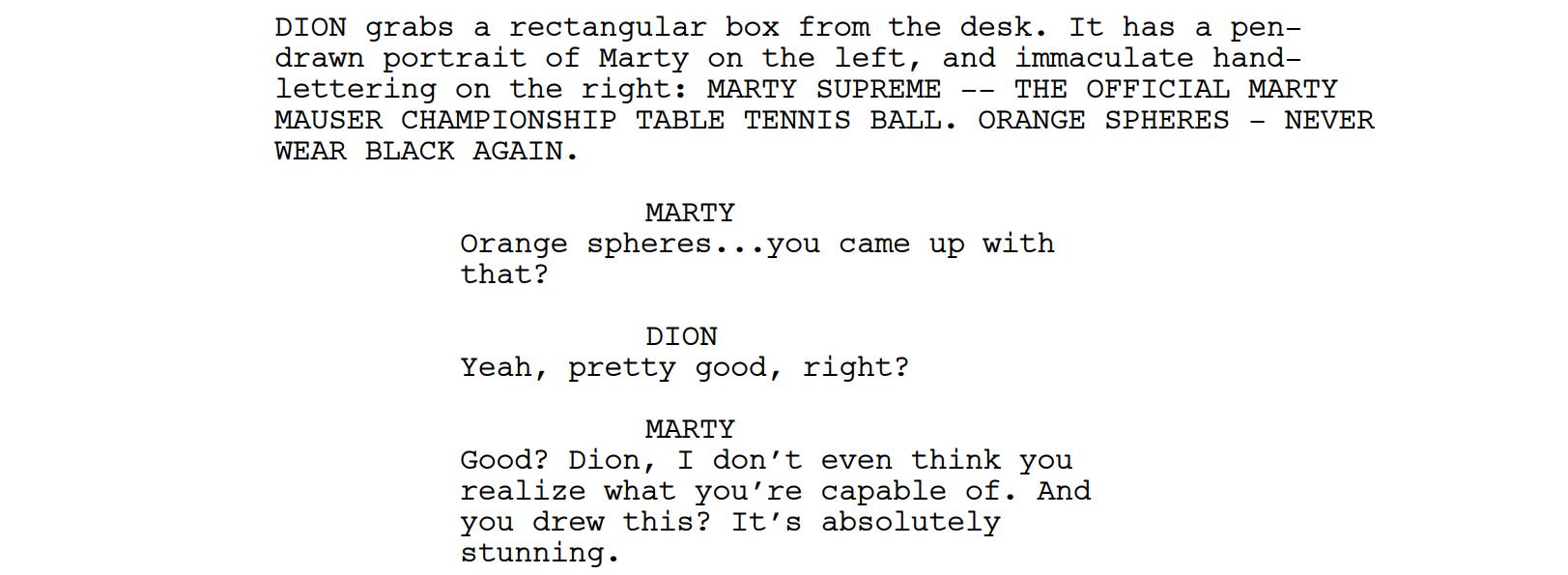
Marty’s life is spiralling – though he still won’t admit paternity. He brings Rachel to Dion’s house, where she poses as his sister. Dion reluctantly agrees to shelter her while his father Galanis is out of town, and is angry at Marty for wasting Dion’s time and money on the abandoned orange ping-pong ball scheme.
Strangely, this product barely reappears afterward, almost forgotten. Marty seems genuinely impressed with Dion’s handiwork – and knowing him, he should find a way to exploit that talent. It’s especially odd that Endo wears white in the finale without comment. I could see Marty offering Rockwell the Marty Supreme contract as a last-ditch effort to save face.
Desperate, Marty swallows his pride and returns to Rockwell. He schemes his way into the Morosco Theater, where Rockwell is funding Kay’s stage comeback. From the wings, he watches Kay struggle against Troy, a pretentious young actor overshadowing her. Marty intervenes, offering notes to the director and flattering Kay to boost her confidence.
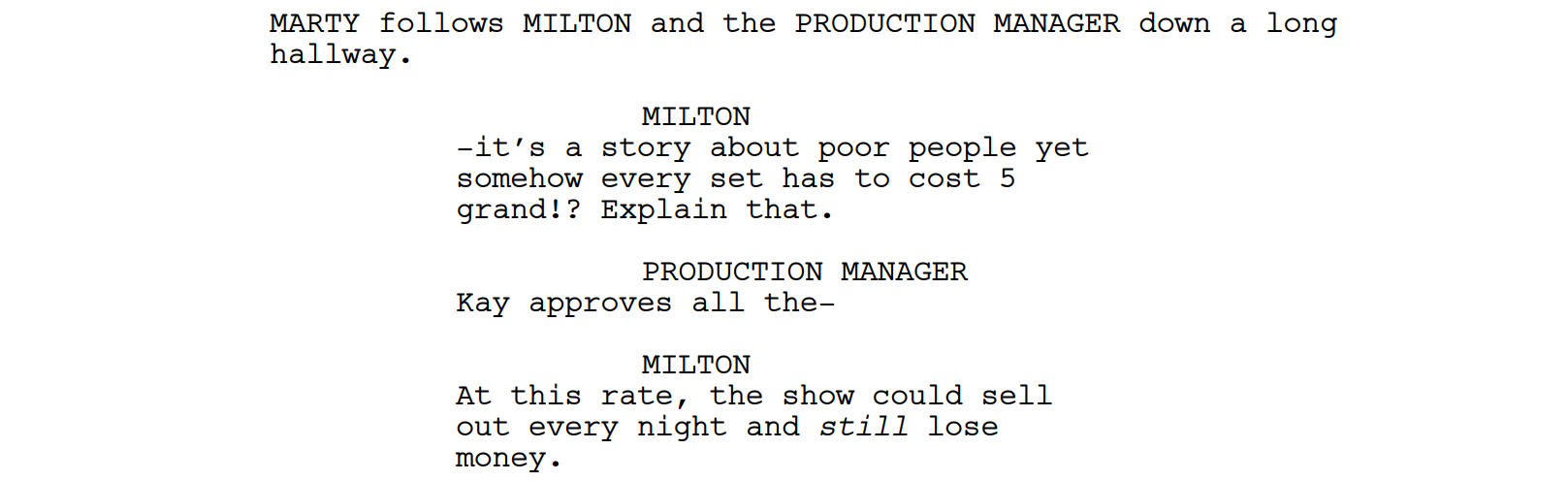
Marty finds Rockwell fretting over rising costs. He pleads for Rockwell to finance his trip, but Rockwell, insulted at being treated like a resource, refuses and drives off, leaving Marty behind.
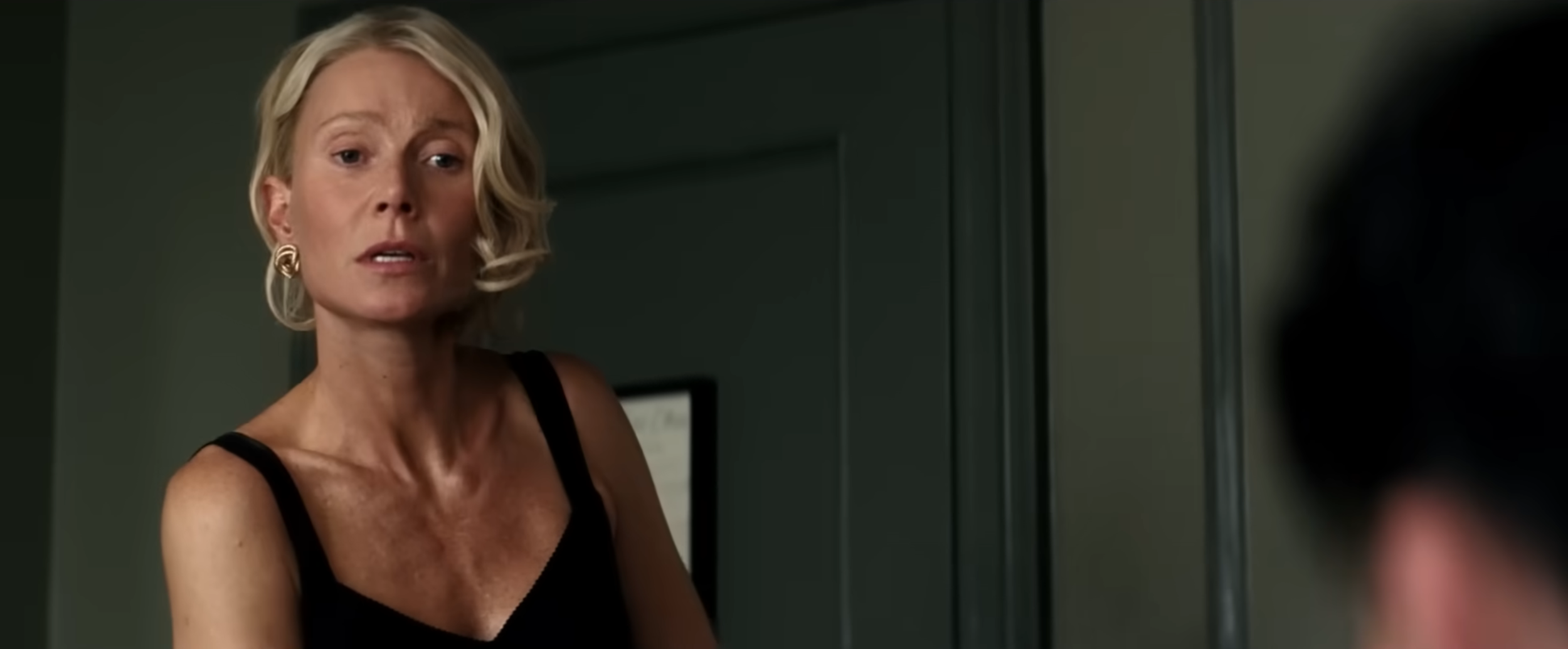
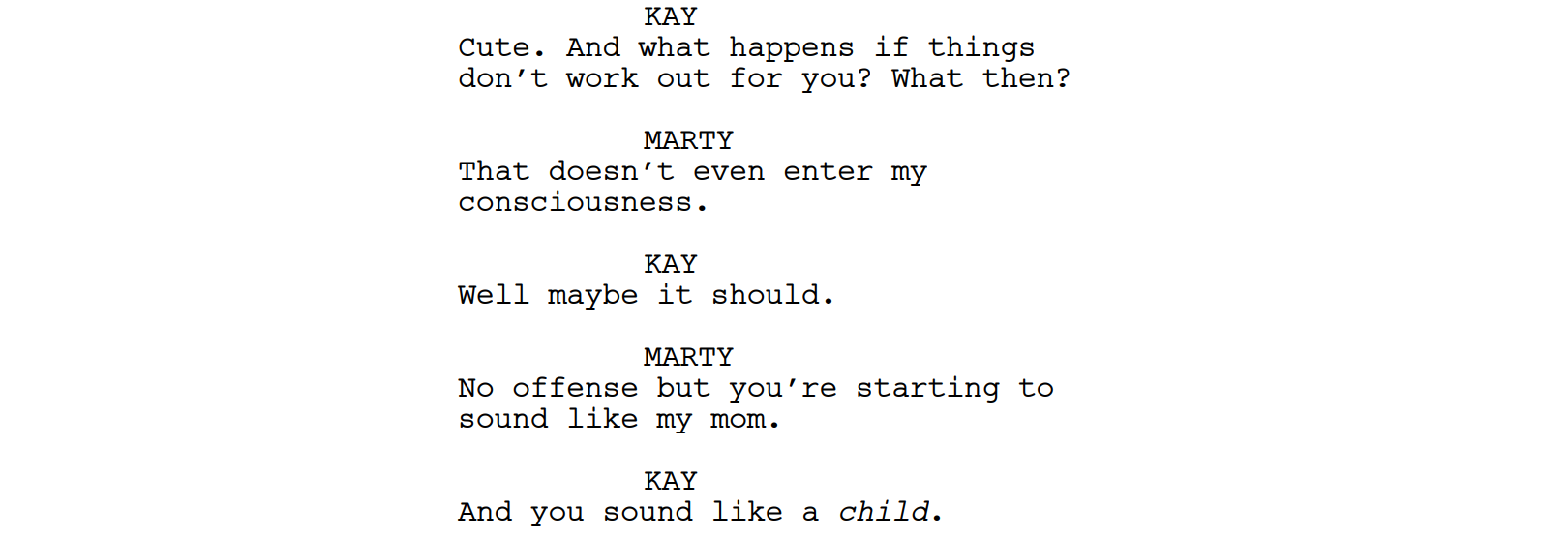
Almost to boost his ego, Marty has sex with Kay in her hotel shower. He unclasps her expensive necklace, dropping it down the drain to pawn later. He fans discontent by highlighting Rockwell’s frustration with the show’s costs. Posing as a self-made success, his confidence only prompts Kay to treat him more like a child.

Marty collects the necklace and calls the IATT to tell them he’ll pay his fine and be at the Championship. But a pawnbroker informs him the necklace is fake – prop jewellery for the play.
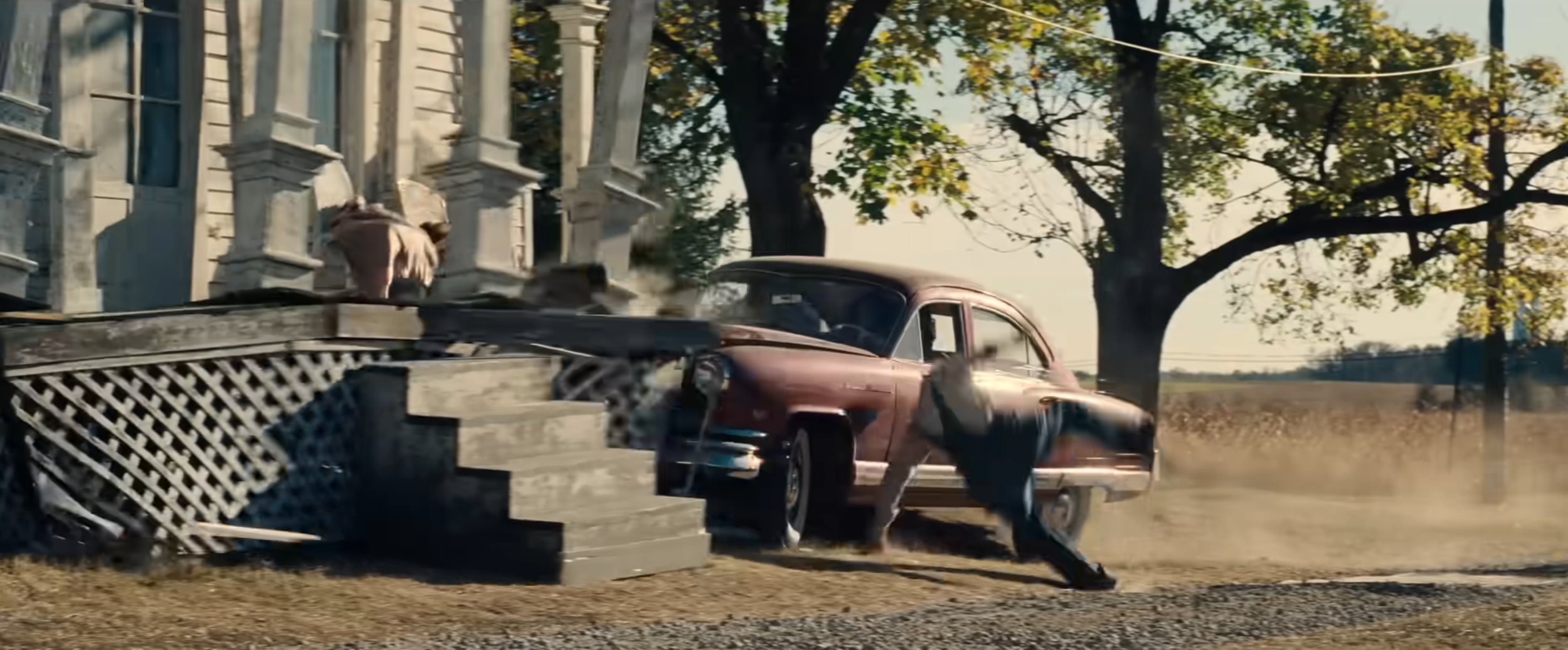
Marty urges Rachel to “borrow” Dion’s father’s car as part of a scheme to blackmail Mishkin. They try a house near where Moses was lost, and Marty spots him inside, trying to coax him out. When the homeowner, Hoff, returns, he claims the dog and threatens Marty with a gun. A scuffle erupts until Rachel crashes the car through the porch, scooping Marty up and fleeing as shots shatter the rear window.
Rachel calls Mishkin, claiming she has Moses. Marty urges her to demand $2,000 for the dog’s return, but Mishkin responds with threats and refuses. Rachel then proposes finding a look-alike dog to con him.
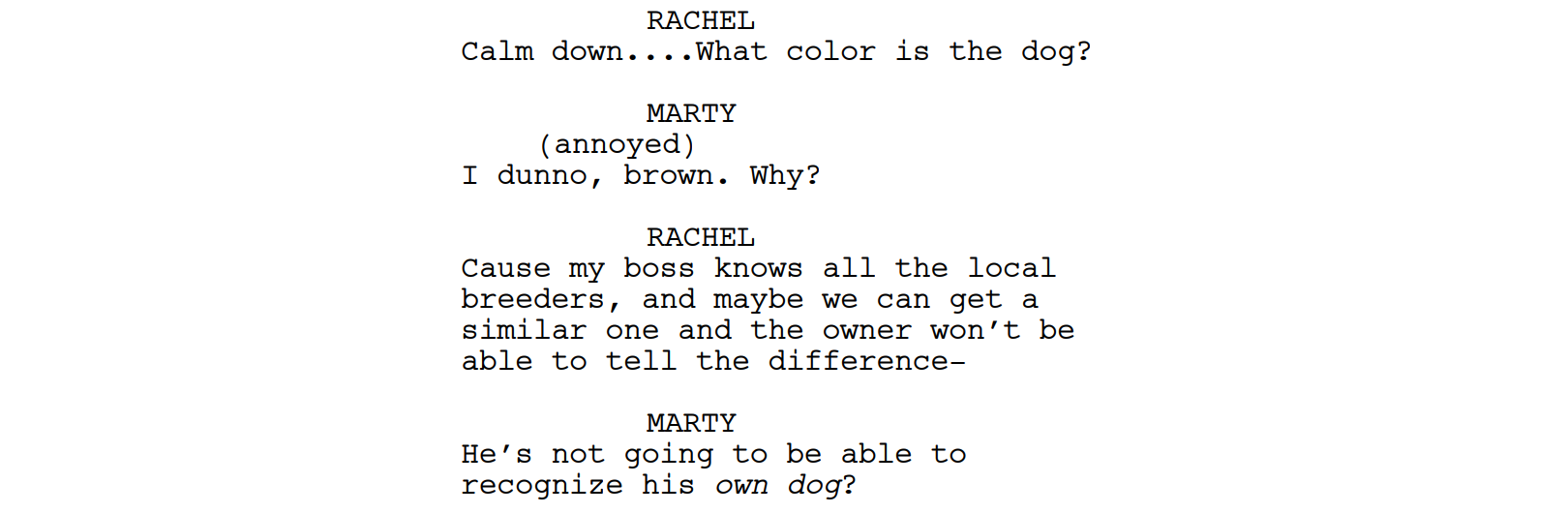
Another odd beat: we’re meant to see Rachel as a victim of Marty’s ambitions, yet her willingness – especially as a pet-store employee – to leverage a doppelganger dog feels contrived.
Dion tries to evict them: his parents are back, guests aren’t allowed, plus they stole his father’s car. Marty lies that it’s in the shop for superficial damage, then spins it to make Dion seem unreasonable. Rachel pretends to cry. Left alone, Marty notices her black eye is running – it’s makeup!
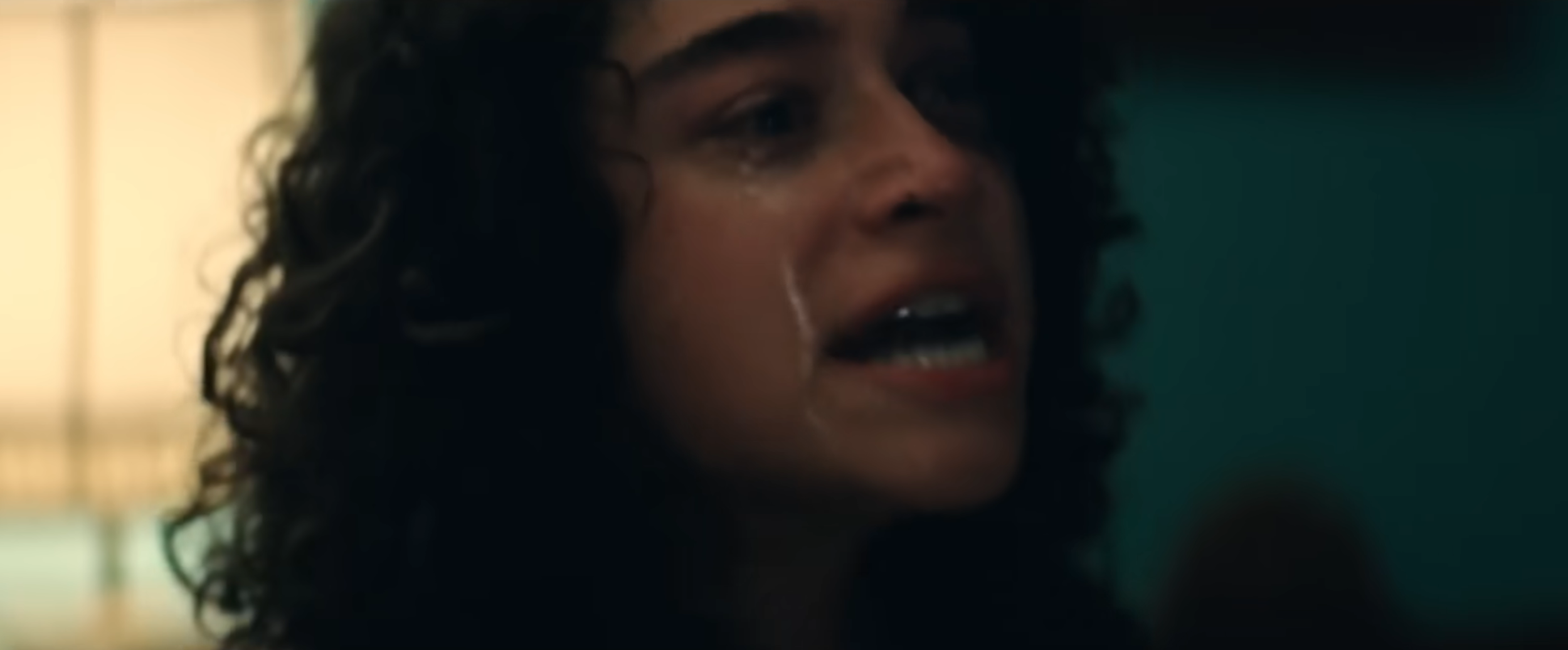
Rachel takes as good as she gets, their argument waking Dion’s parents. Rachel tells everyone Marty is the father – even though Dion believes they’re siblings. They’re kicked out.
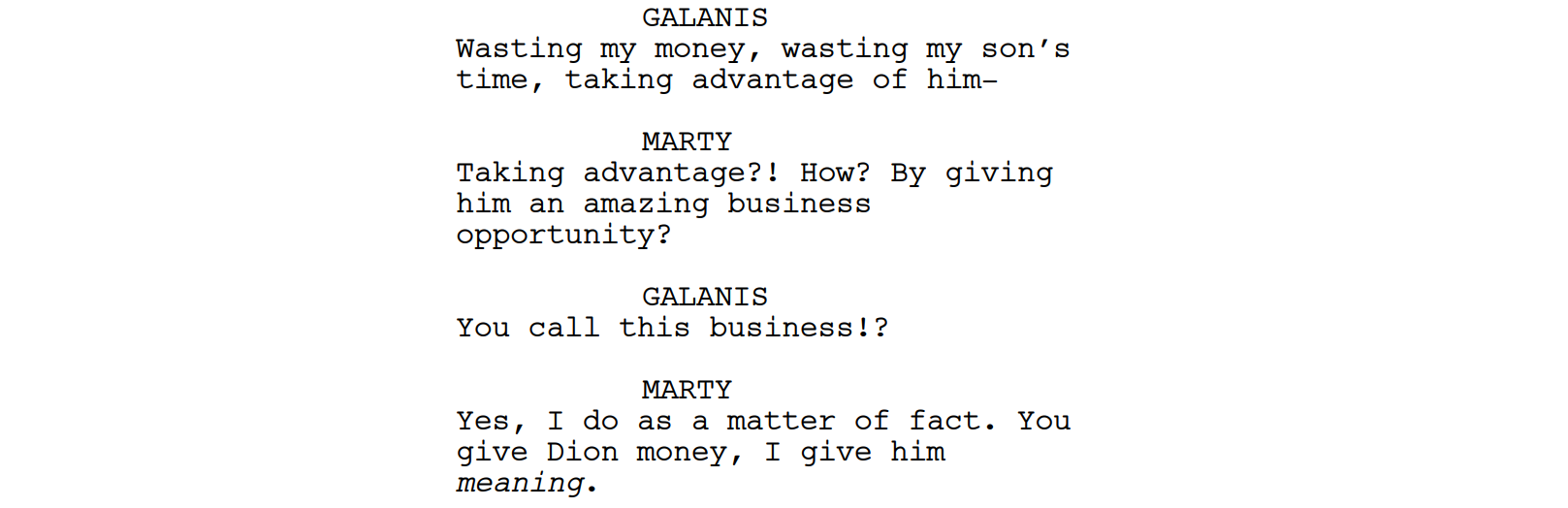
Marty calmly tells Rachel he has a week to make $1500 plus air travel. He can’t be distracted from his mission right now. Again, he feels his presence is a gift, and everyone around him is in his debt for his contribution to mankind.

BREAK INTO THREE
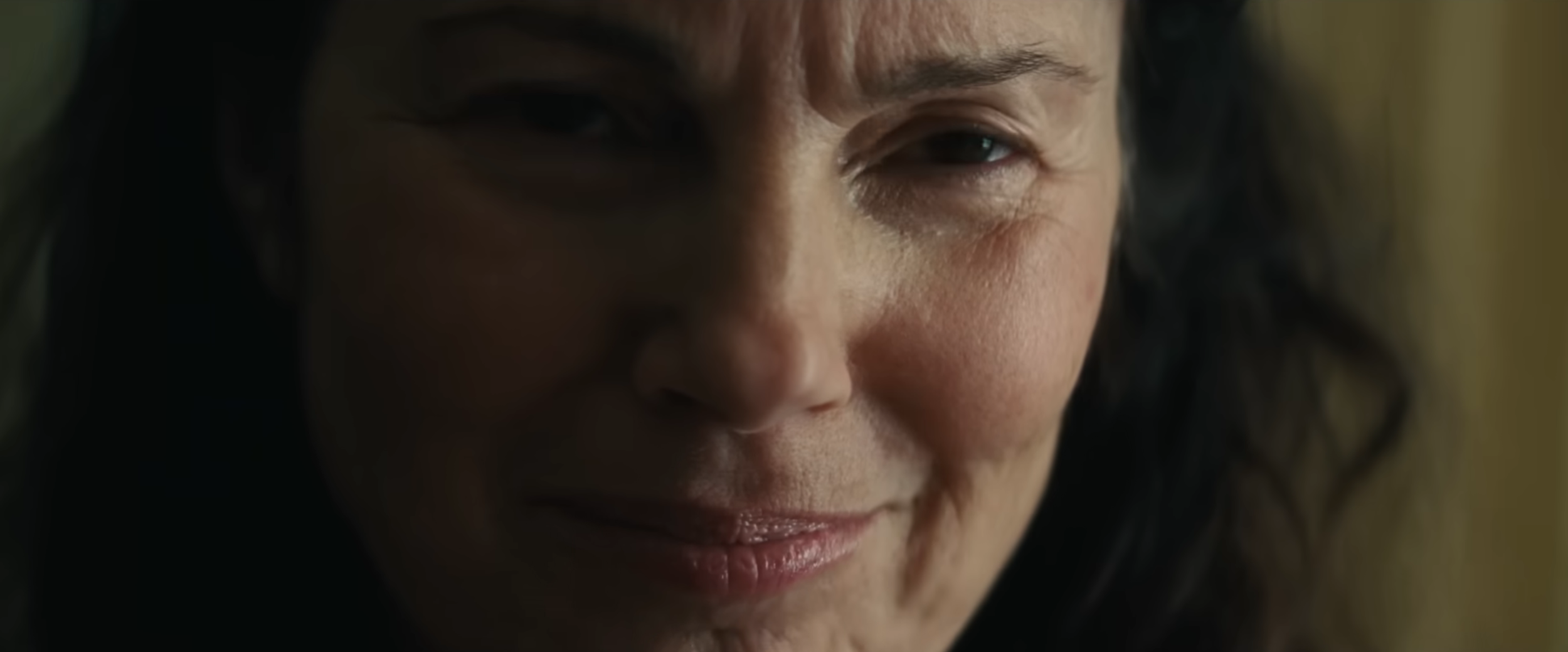
Rachel returns to Ira – who’s heavily bruised for a crime we know he didn’t commit. Learning the baby isn’t his, he tears the apartment up in a rage. This is how Marty’s mother learns she’s going to be a grandmother.

Meanwhile, Marty returns to training. Doing what he does best.
FINALE
The finale is, frankly, a mess. The second act plays like an extended fever dream, offering little indication about what resolution we’re hurtling toward. By this point the script feels bloated, and the focus should be squarely on Marty – not Rachel.
Unperturbed by Marty’s dismissal, Rachel meets Mishkin at a public, agreed-upon location. She has a Bartender on call with a fake Moses. Rachel tries to haggle, but Mishkin quickly realizes the dog isn’t his. Desperate, Rachel loudly accuses Mishkin and his associate of robbing her. In the confusion, Mishkin stabs the Bartender.

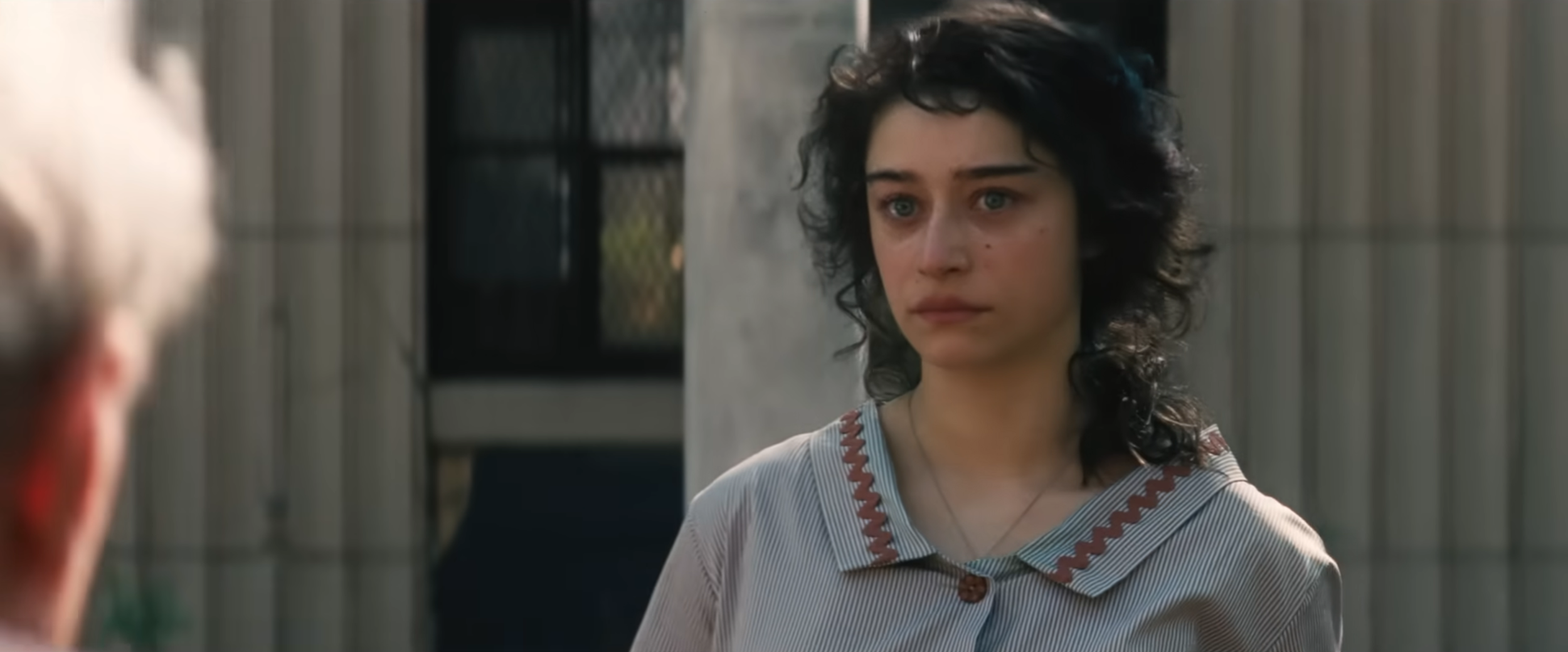
Marty returns to Kay as she prepares to open her play. He confesses to stealing her costume jewelry, feigning vulnerability in hopes she’ll pity him. She sees through the act and rejects him.
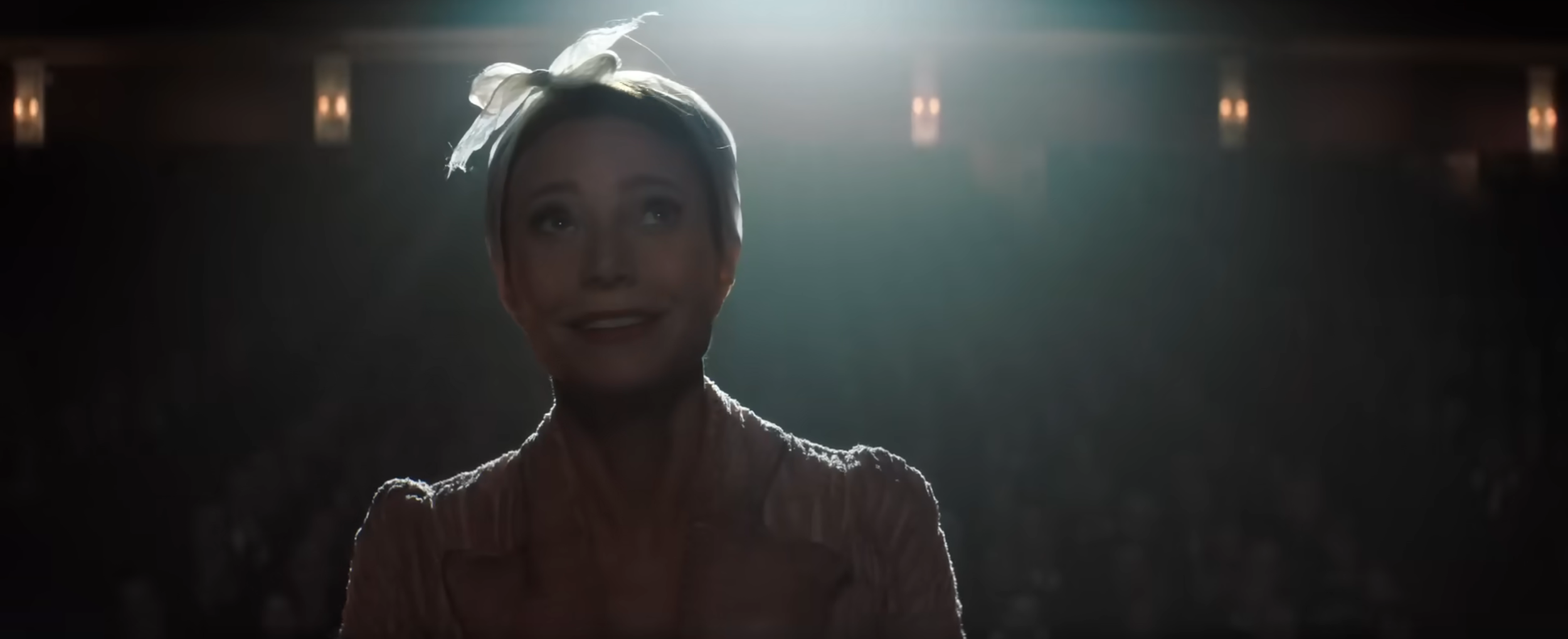
We learn Rockwell has filled the audience with his employees to ensure a full house, but it does little to comfort Kay. Marty sticks around to watch the show, which is met with a warm reception.
Kay meets Marty at midnight in Central Park to gift him an anniversary necklace – enough to cover his trip and expenses. They grow intimate but are interrupted by a patrolman as Marty hikes up Kay’s dress. Embarrassed, recognized, and handcuffed, Kay offers the necklace as a bribe to make the charge disappear. Marty resists but ultimately gives it up.
They return to the Rockwell apartment, where Marty begs Kay to get him another necklace. She reluctantly agrees but is distracted by a New York Times contact on the phone, ready to read the review.
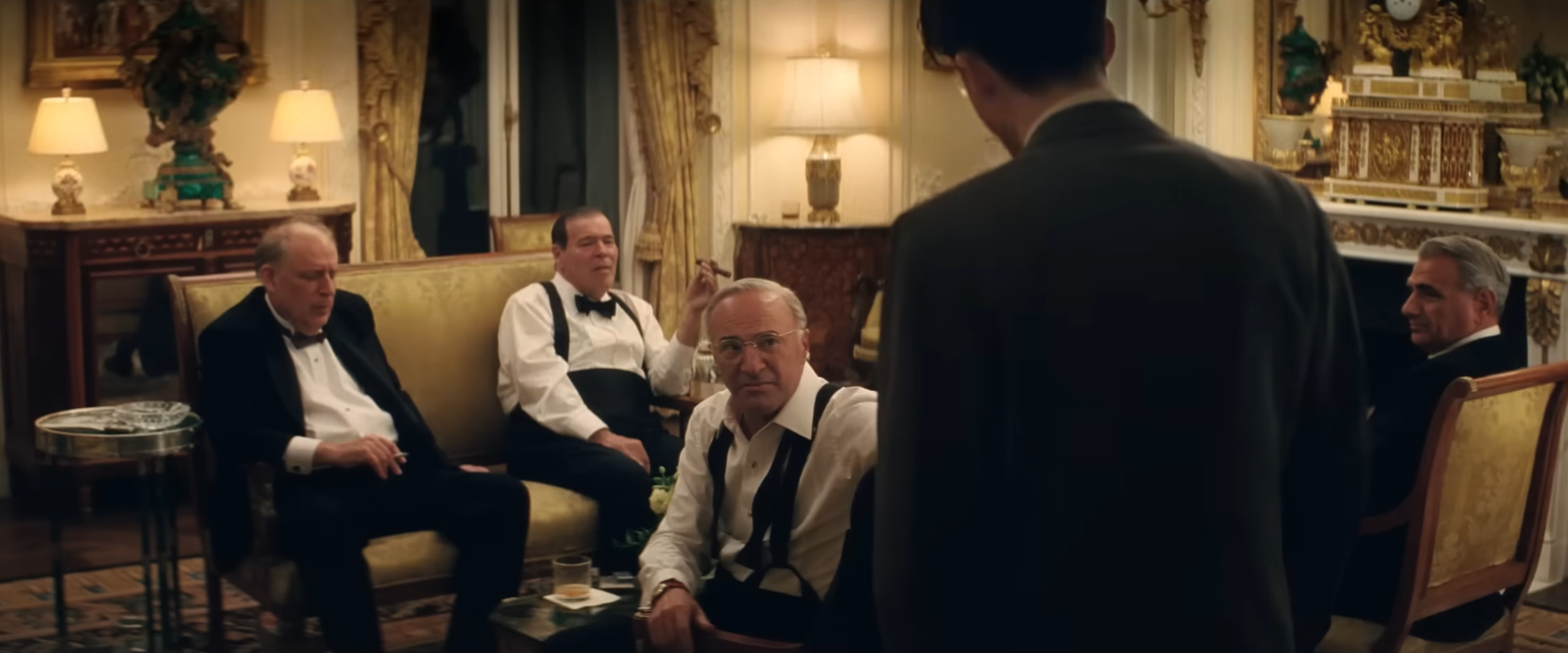
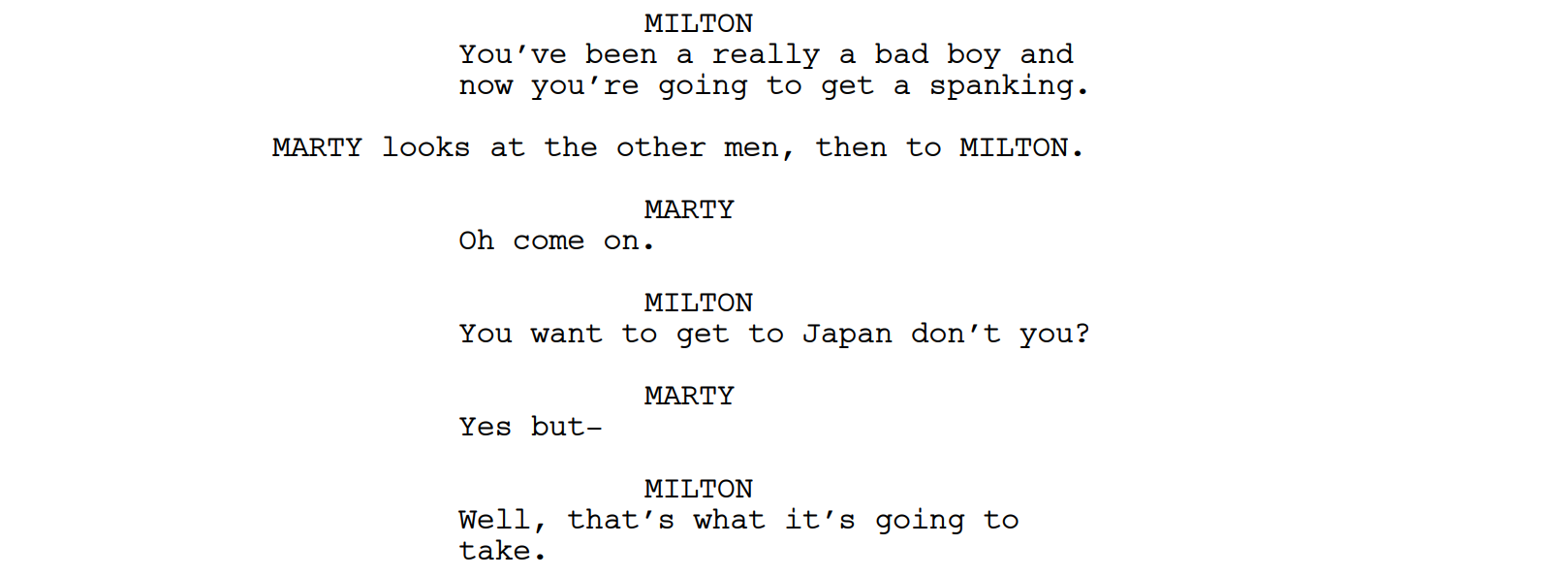
Marty follows Kay in to discover the partygoers leaving. He finds Kay distraught over the review: Rockwell can buy an audience, not a good publicity. Marty begs to be taken back. Rockwell humiliates him, spanking him with a paddle before his high-society friends.
Sore and at his lowest, Marty asks to stay overnight in Lawrence’s office but finds Mishkin waiting. Rachel is held hostage as Mishkin demands Marty lead him to Hoff’s house, where Moses was last seen.
Mishkin arrives at Hoff’s farmhouse. A firefight breaks out and Mishkin takes a bullet to the chest. Rachel is also struck in the shoulder. Marty is ready to drive her to the hospital, but she insists he grab Mishkin’s money first, only to realize most of it is fake. Marty abandons the three dead (or dying) men.
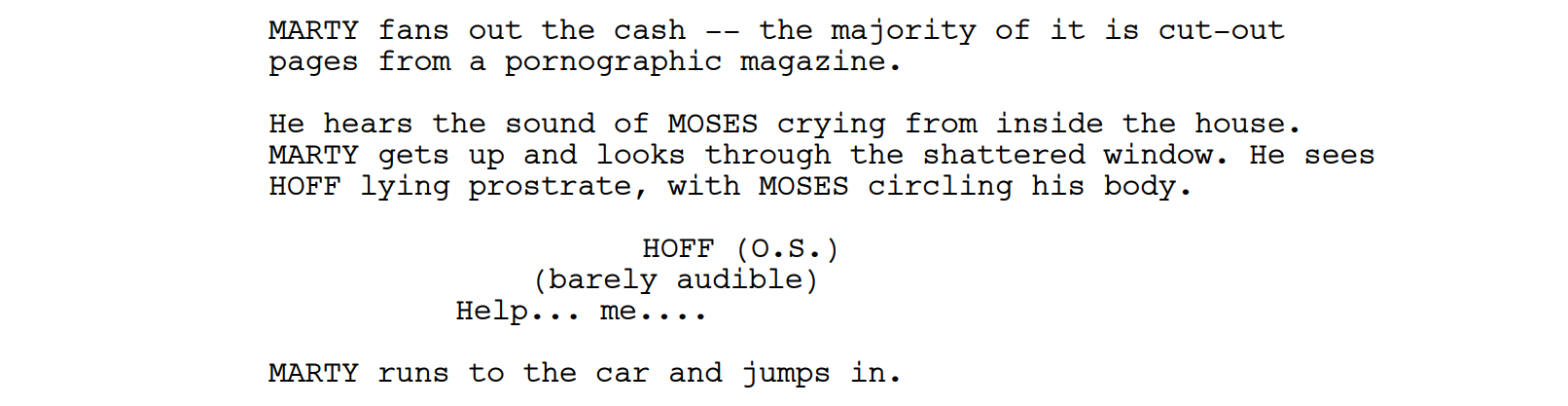
Remember when this script was about table tennis? I again question the necessity of the Moses subplot. By this point, it no longer advances the story, taking up space while muddying Rachel’s character. There are no real consequences: Rachel’s gunshot is non-lethal, the four dead bodies (Bartender, Mishkin, Reuben, Hoff) all go unaddressed, and no lessons are learned. Rachel’s transformation into Marty 2.0 peaks here – she’s disturbingly unfazed while surrounded by death so long as she profits.
Marty brings Rachel to Bellevue Hospital. She encourages him to go on his trip after a nurse suggests she and the baby will be okay.
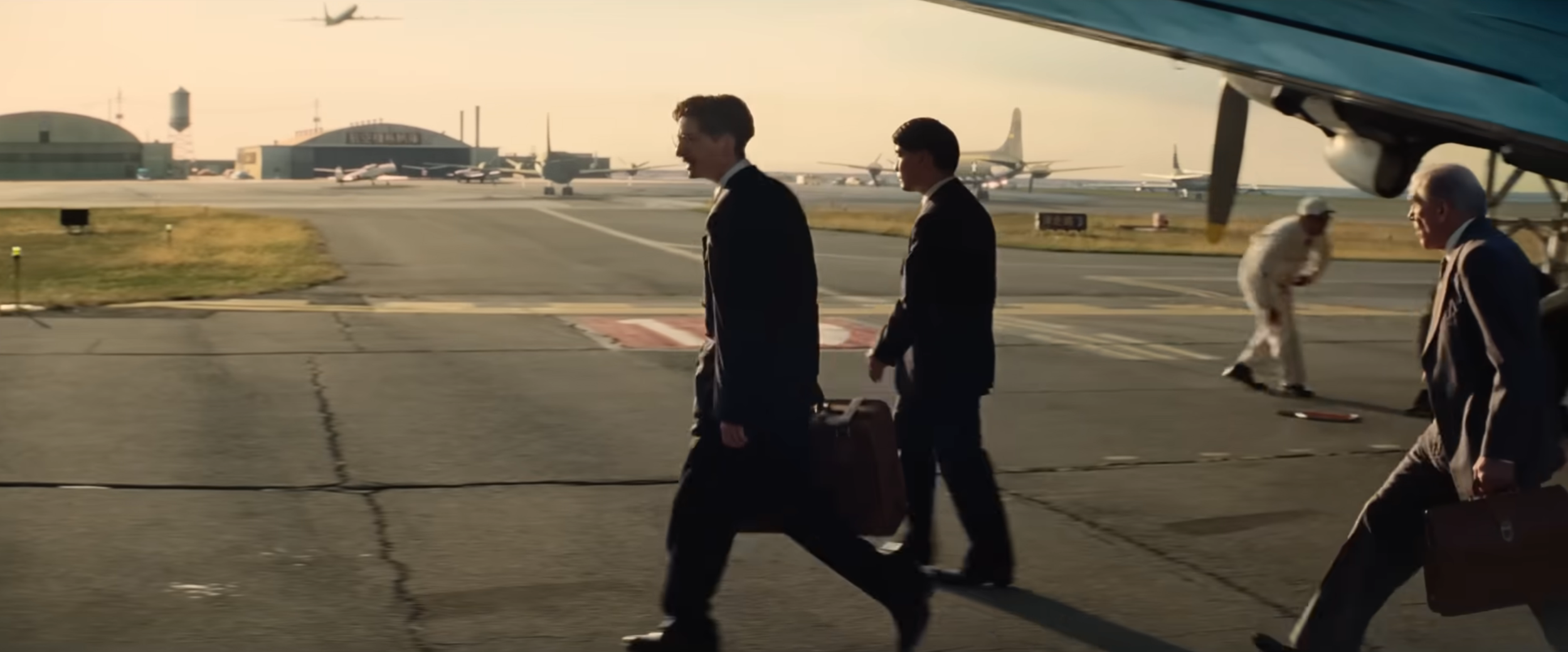
Rockwell’s private jet of businessmen lands in Japan. Marty is stunned he’s made it. The company stages an amphitheater event to promote Rockwell Pens, featuring a “Win a point, win a pen” challenge against Endo, now a national celebrity. He’s everything Marty isn’t. Quiet, composed, adored. He is the peace to Marty’s chaos. Marty is meant to challenge him and lose.

While waiting his turn, Marty spots Sethi at an IATT tent and approaches him. He explains he’s taking the gig to pay his fine and enter the Championship, but Sethi insists the ban remains. Marty’s apologies and justifications for his behavior go unheard. Suddenly, the exhibition match – one he’s contracted to throw – becomes his personal World Championship. I love this switcheroo of stakes. Making the small stakes feel large is difficult, but it’s executed with aplomb here.
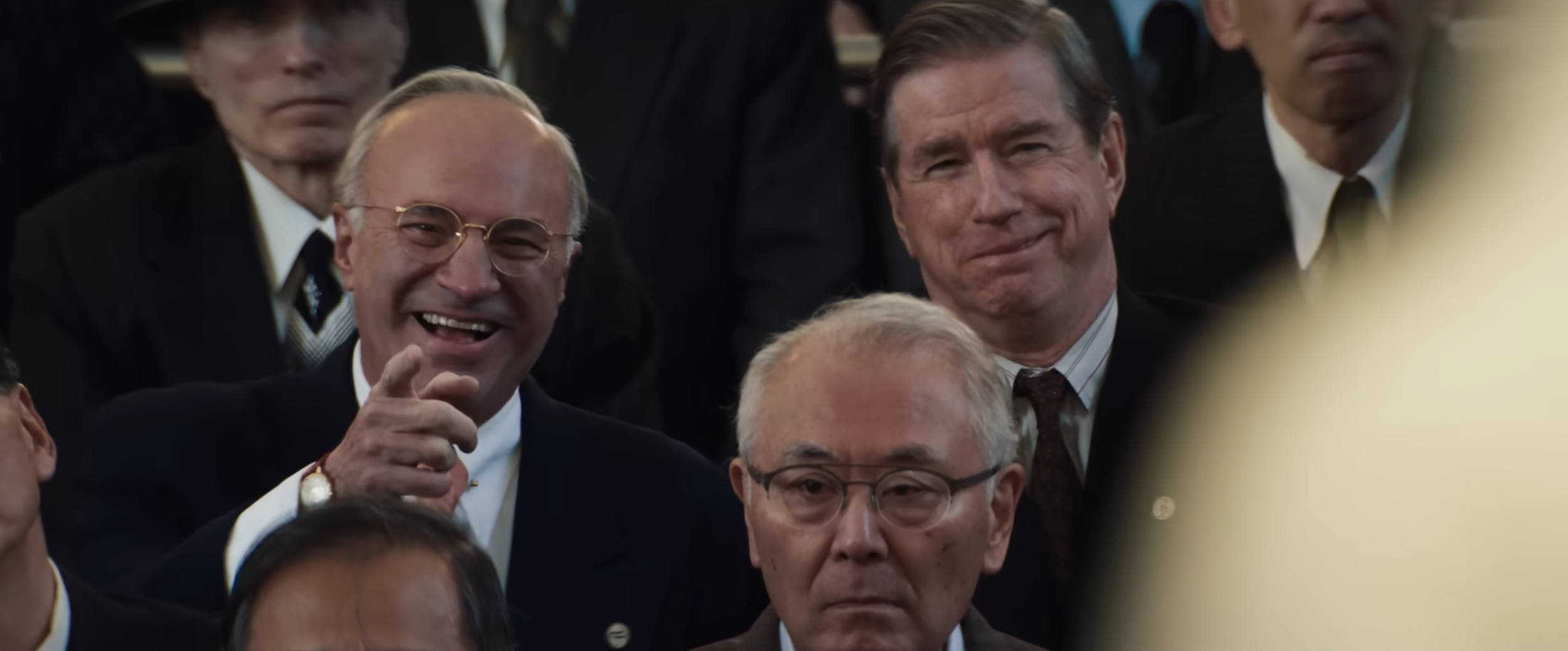
The audience doesn’t initially recognize Marty at first but quickly catches on to his theatrical entrance. He plays the heel, antagonizing the Japanese crowd while winning over the American GIs. The match terms include an extra twist: the loser must kiss a pig onstage – another layer of humiliation from Rockwell, who knows Marty is Jewish.
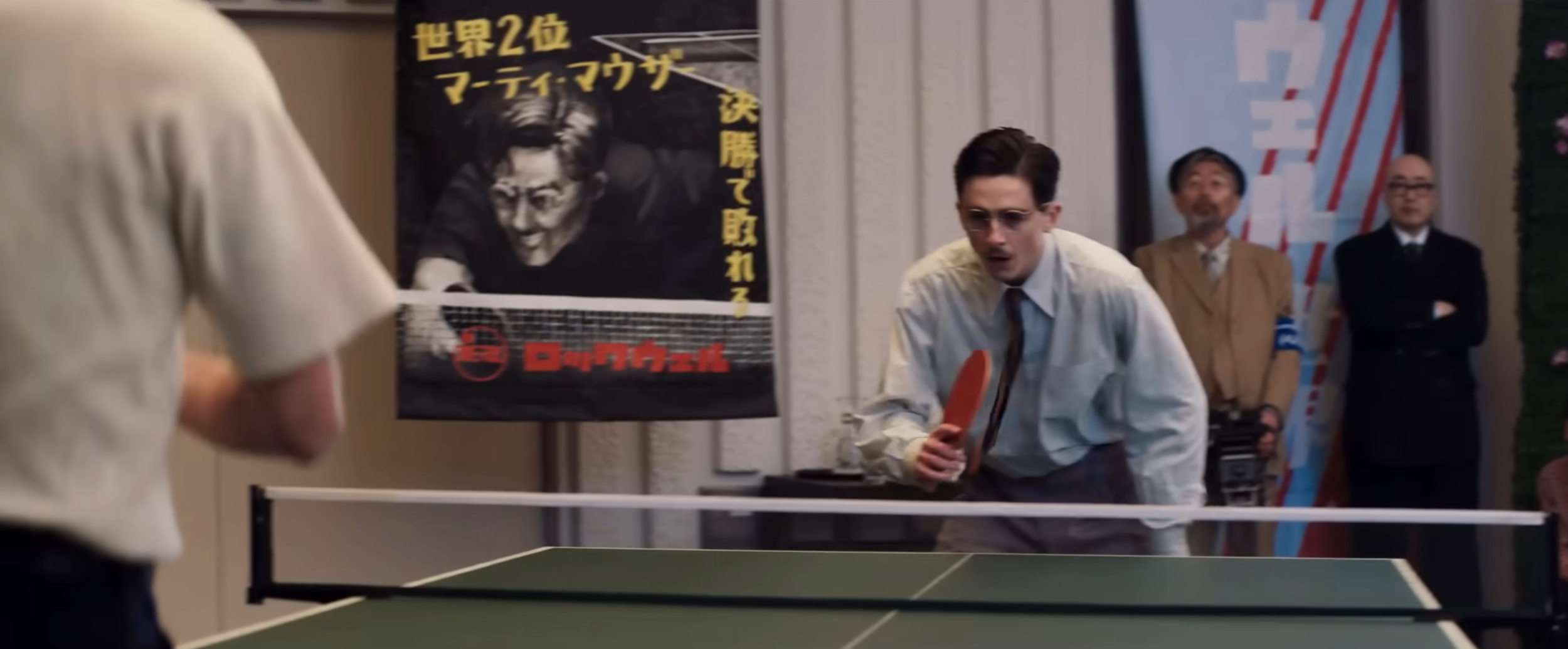
Marty is on track to lose the exhibition 21–14, as planned, but the jeers get to him. As Sethi steps onstage to promote the Championship, Marty interrupts, calling the match a sham and demanding a real contest. The English-speaking audience erupts, and Rockwell’s men are powerless to contain the backlash.
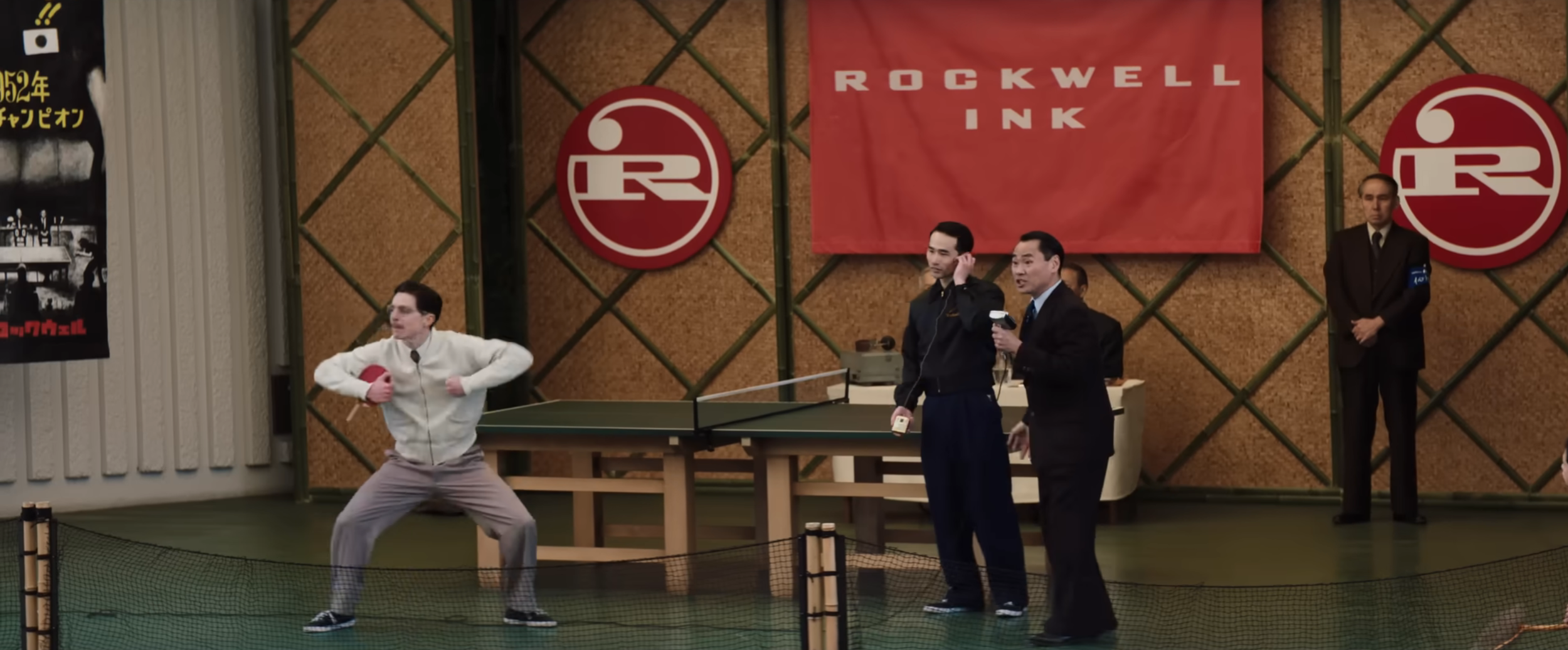
Endo shows his good nature by agreeing to a “fair game” against Marty – despite US-Japan tensions, Marty’s humiliating meltdown, and being called a cheat. He has nothing to gain. And at 17–17, it’s far tighter. Rockwell interrupts to sadistically tell Marty he won’t be paid and must find his own way home. Play resumes. Nothing matters now but winning. Endo pushes Marty to his limits – this is his World Cup, his Super Bowl, his Academy Award, with everything on the line.

Marty wins, 22–20. He and Endo share a moment of mutual respect. The crowd is deflated, save for a few elated GIs, and the event is clearly a failure for Rockwell.

Marty doesn’t care. He calls Bellevue asking for Rachel and learns she’s been moved to maternity. He returns to the States with the military and rushes to Bellevue, where Rachel has given birth. He stays by her side, comforting her as she rests.
CLOSING IMAGE
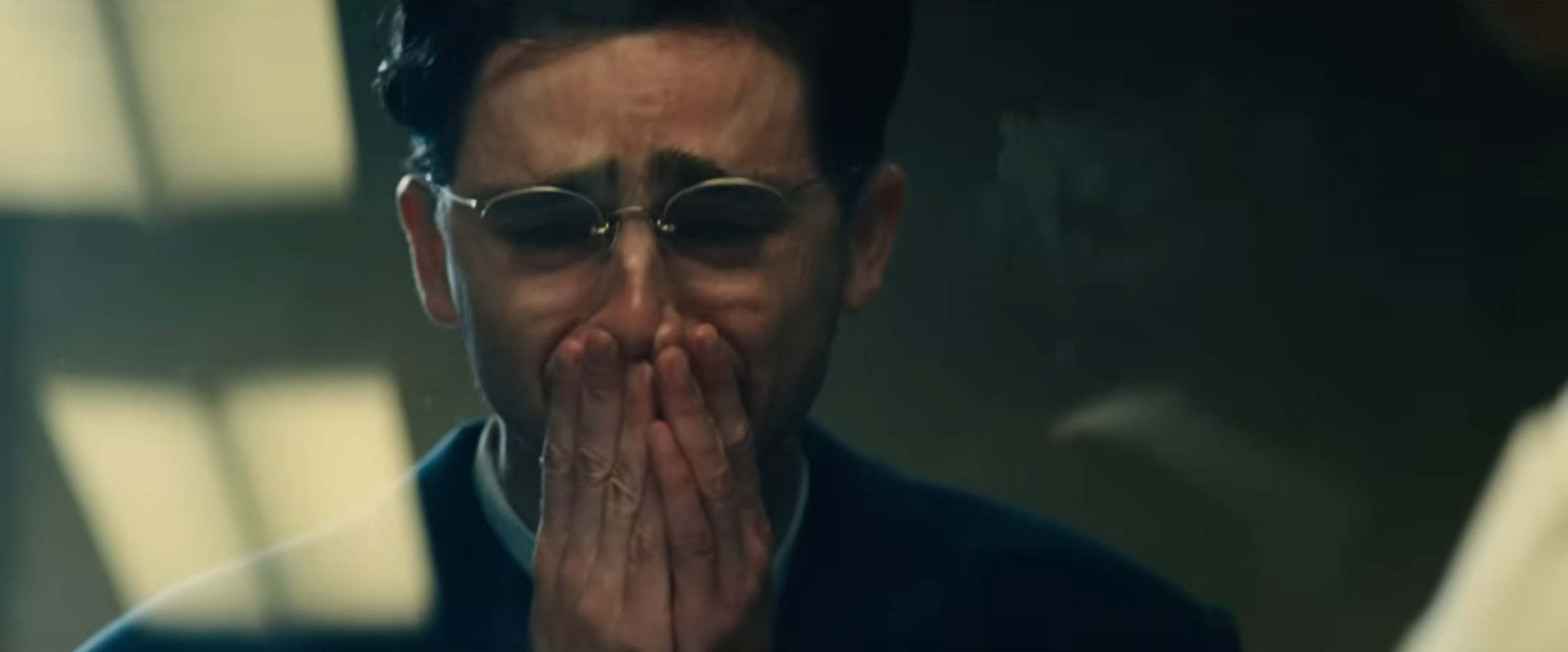
While the opening scene features a conception, the closing image takes place in a nursery. Marty glimpses his child through the window for the first time. He weeps.

The film’s thesis emerges at the end, suggesting that Marty may flee responsibilities to live fully – but his greatest joy isn’t beating Endo; it’s seeing his child and crying tears of happiness. This moment doesn’t land as strongly as it should. Despite his selfishness, Marty doesn’t suffer enough to truly learn a lesson. He weeps because he must accept his dream is over, but it doesn’t feel earned. It’s hard to imagine him leaving Japan after defeating Endo instead of leveraging his victory, the Marty Supreme ball, or some other benefit.
CONCLUSION
Safdie has certainly established himself as a modern Brian De Palma, with a remarkable talent for frying your nerves while leaving you nervously chuckling and wiping your sweaty palms on your jeans.
Yet that entire Act 3 felt rushed after Act 2 dragged, and the ending felt altogether too cute. At what point does Marty decide he loves Rachel? Why does he trust the baby is his after she pulled the black eye stunt? Why does he not leverage his victory against Endo to continue his relentless tirade? There’s no downtime to examine Marty in, to experience setbacks alongside him. No sense he’s exhausted and waning. This is a man who says failure never enters his consciousness, so what is he wrestling with?
I feel that the Safdies have previously shone when focusing on style over substance, which I say without any prejudice. That’s by design and it works. The craft, the pace, the acting, are all masterfully done – but this story isn’t anything incredible without these accouterments.
I sometimes felt like Marty’s trajectory was lost amidst all the theatrical and escalating comedy of errors. This was billed as a character study, but it felt like a spectacle rather than an analysis of Marty’s psychology, or even really a proper verdict. It reads like the first and last twenty minutes of Chariots of Fire with a fever dream in the middle.
Yet there’s so much to admire about it! Marty faces a gallery of stock villains – evil capitalist, Ivan Drago, snooty British bureaucrat, greasy abusive husband, mob boss – but each is more complex than expected. Marty is the constant. He’s the problem.
If there’s one award I’d love this film to win, it’s the inaugural casting awards. What an incredible cast of believable characters, interesting looking people, non-actors. It’s a deliciously cast spectacle.
Ronald is not likely to be the only Bronstein nominated this year, with Mary Bronstein also in the running with If I Had Legs, I’d Kick You. Could be a tense dinner in the Bronstein household that evening. Stay tuned and we’ll analyze that, too, in due course.
We award Marty Supreme a 3.5/5.