Blue Moon Analysis: One Night, One Room, One Man Unraveling
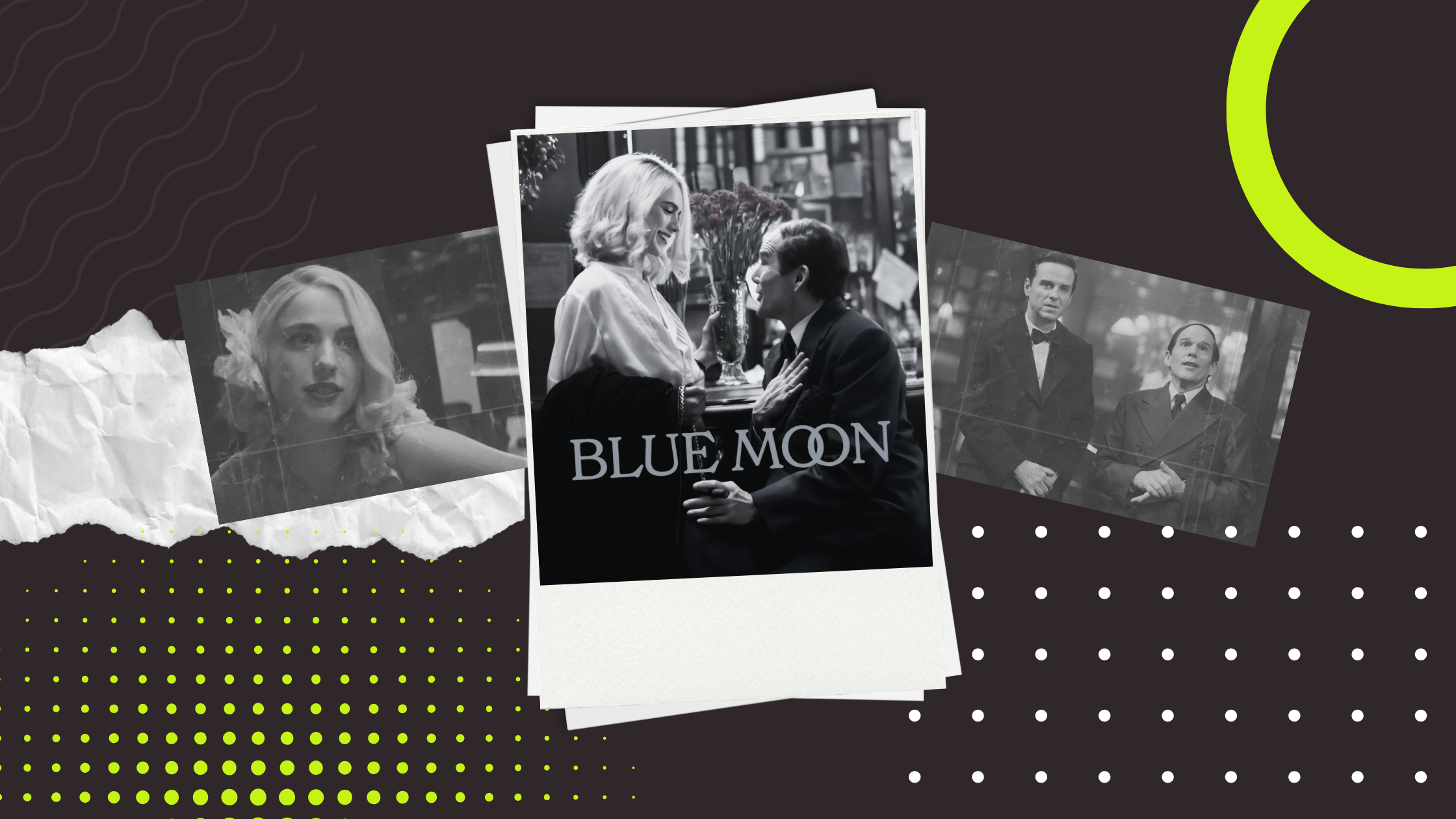
Blue Moon is a very special film. It is based on historic figures and historic events, but does not fit into the recent trend of biopics. Instead, it zooms in on one specific night of the lyricist Lorenz Hart’s life: the opening night of Oklahoma! – a musical by his ex-writing-partner, Richard Rogers.
A film about musical writers, Blue Moon’s connections to the theater world does not end with its subject matter. The screenplay itself reminds the audience of a play as well. The majority of Blue Moon’s story takes place within the setting of the same restaurant, where the theater world joins for post-show celebration, resembling the stage design of a play. The reliance on dialogue to move the plot forward and to establish characters, is also a trait often found in contemporary plays. In this article, I am going to analyze how Blue Moon incorporates elements of theater without losing its structure as a film, and how these two artforms are able to work together to relay universal themes of performance, loneliness, and art.
Opening Image
Before there is any image, we hear music. From the beginning, the film sets up music as an essential part of the storytelling, reminding the audience to pay attention to it as the film progresses. Over black, two quotes about Lorenz Hart appear.
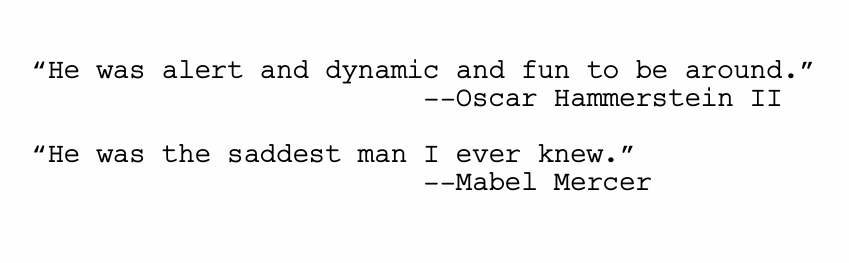
The contrary information sets up the film’s hook: how can Hart be, and why is he, “alert and dynamic” and “the saddest man” at the same time?
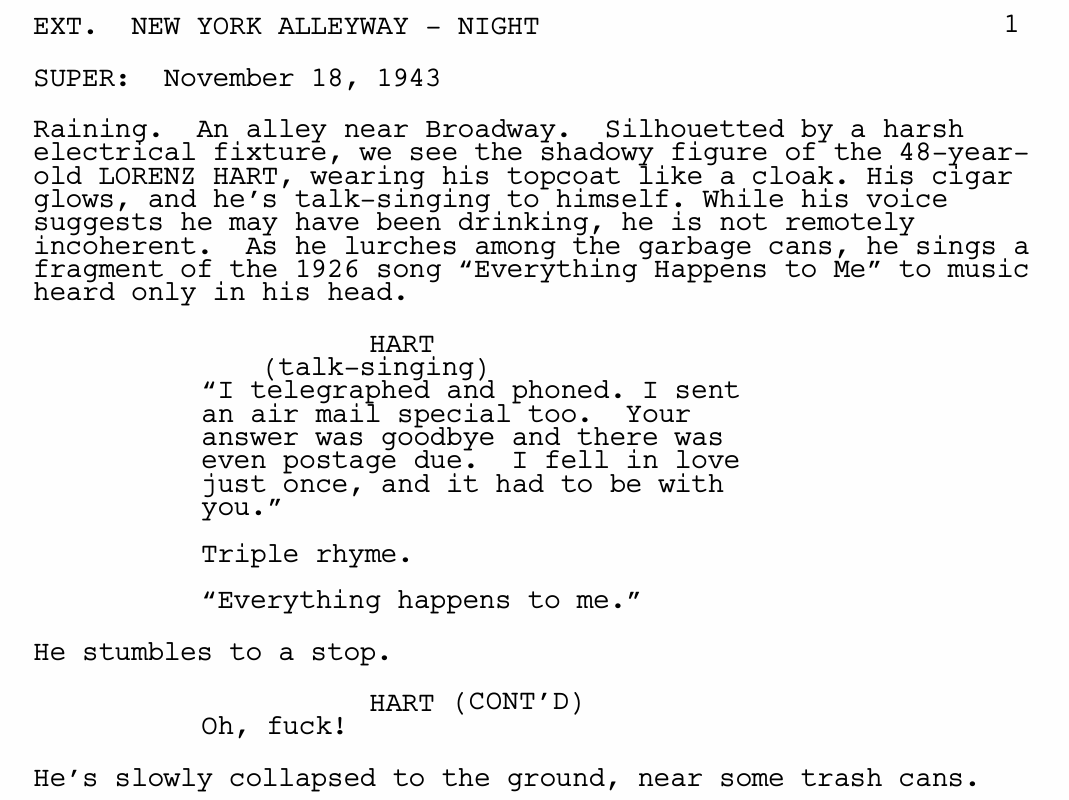
We see the end of Hart first. We hear him stumbling and singing, before collapsing in the raining alleyway near Broadway, on November 18, 1943. The radio obituary announces his death.
This sad last image of Hart introduces another hook: how did Hart get to his lonely end? Within the first minute, the film plants the two major questions in the audience’s heads, inviting them to find clues to their answers throughout the film.
Set Up
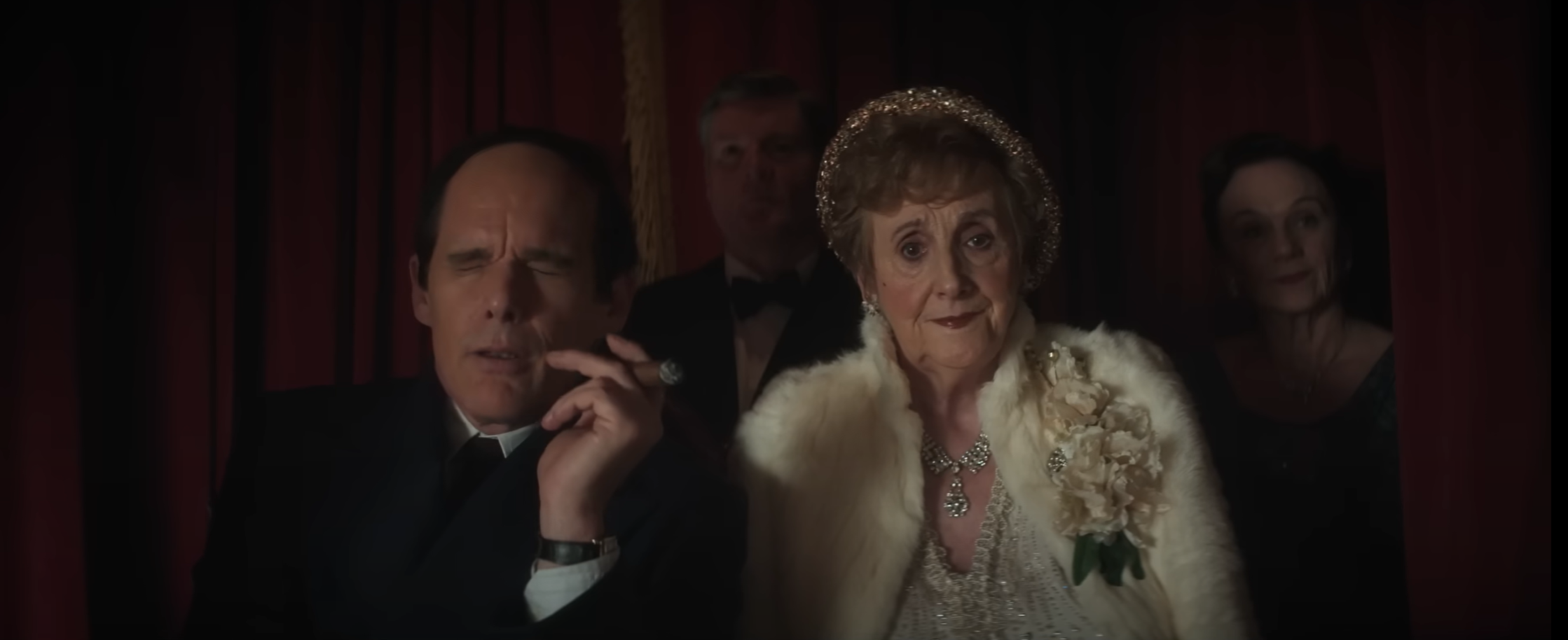
We cut back to seven months earlier. It is March 31, 1943, the opening night of Oklahoma! A chorus of cowboys is singing onstage, to the audience’s great enjoyment. Lorenz Hart, however, sitting amongst the crowd, is cradling his forehead in misery. He rises and leaves the theater before the song is over.
Hart enters Sardi’s bar, the location where the rest of the film will take place. Morty Rifkin, a WWII soldier, is working as a part-time cocktail pianist at the bar. The music that he plays throughout the film will always reflect the mood and Hart’s inner world. Right now, he is playing “Manhattan.”
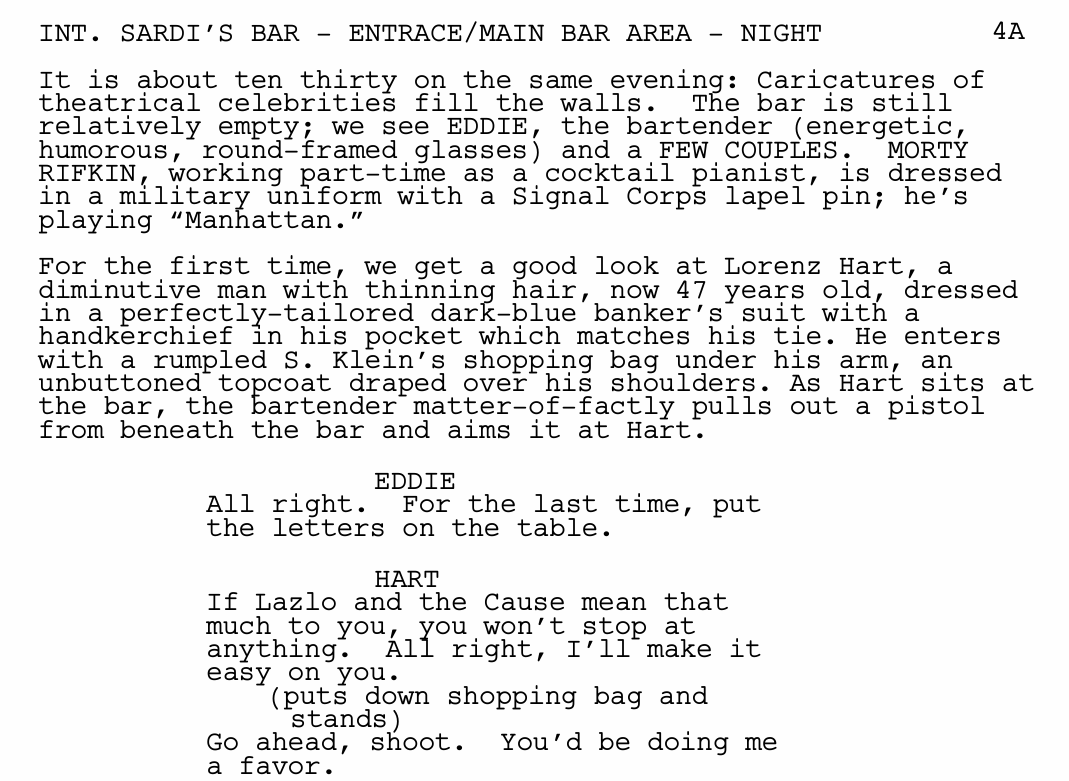
Hart asks the bartender Eddie, who he is clearly friends with, to pour him a drink, claiming that he’s “just gonna look at it.” They reenact a scene from Casablanca, both agreeing that the best line from the film is “Nobody ever loved me that much.” This line will be repeated many times throughout the film. Hart also suggests a possible queer romance between Rick and Captain Renault in Casablanca, which is the first hint of Hart’s conflicted relationship with his own sexuality.
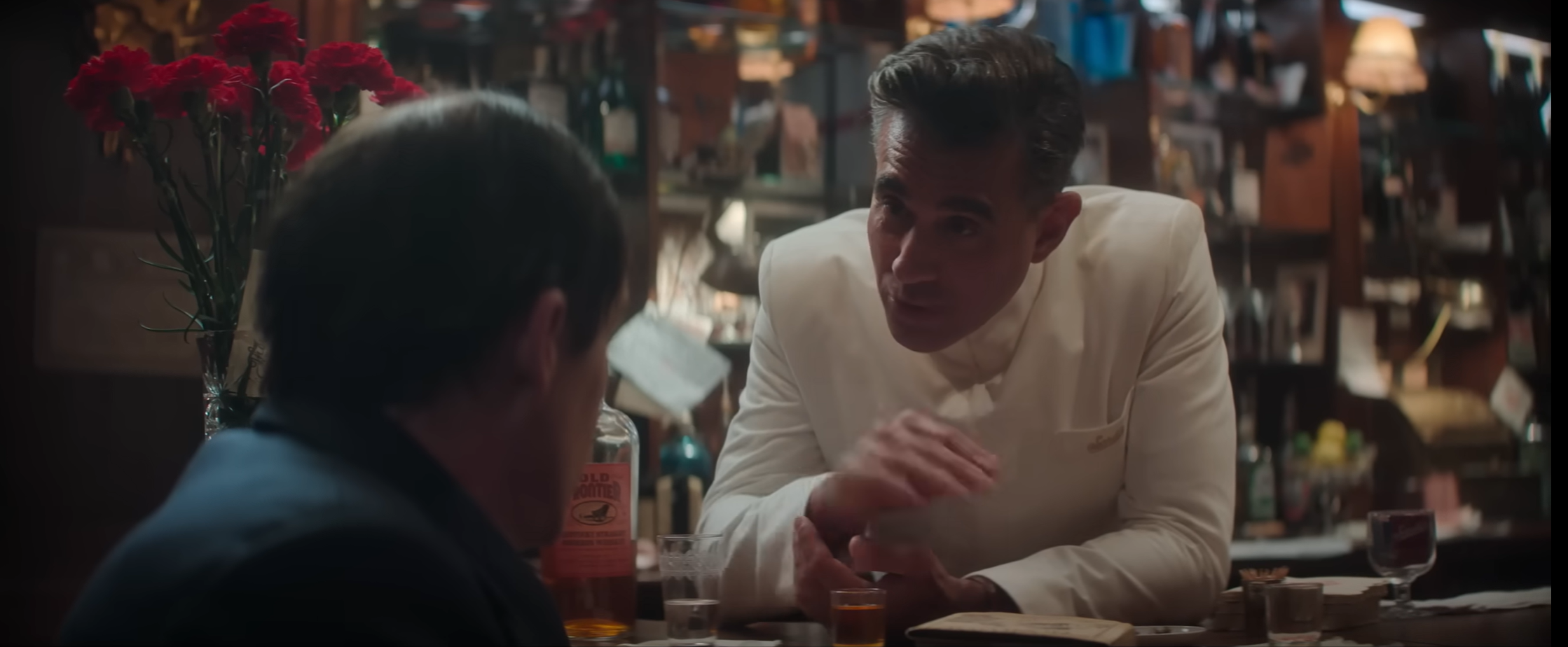
Hart tells Eddie about the girl that he is meeting at the bar tonight – Elizabeth, a twenty-year-old college student, who Hart claims to have an irrational adoration for.
Inciting Incident
Even though the setting of the film does not change, the screenplay sometimes provides a new scene heading when the plot turns or the mood changes. The first time that this divide happens, Sven, the flower delivery guy, arrives, bringing in a bouquet that Hart has prepared for Elizabeth.
Hart orders Sven a drink. Even though Sven clarifies that his name is actually Troy, Hart – and the screenplay’s character title – continues calling him “Sven.” This suggests that the film takes place not only in the theater world where Hart resides, but also in Hart’s mind space. This is an incorporation of playwriting techniques, since the perspective in screenwriting is usually the audience’s/strictly third-person.
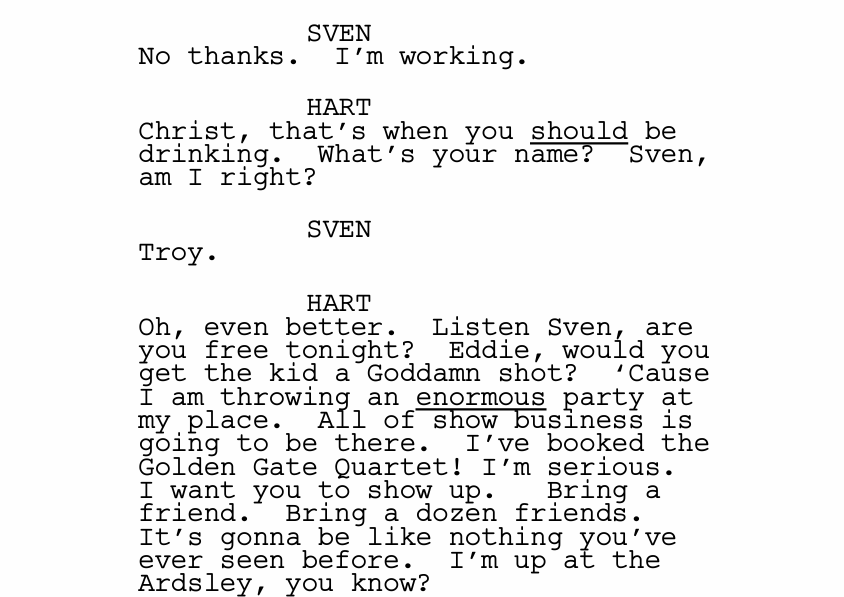
This conversation also cleverly shows Hart’s trait of never truly listening to those around him. He speaks in an almost monologue fashion (which resembles playwriting), and disregards objections until everyone, at least verbally, complies to his wish.
Hart invites Sven to an afterparty that he is hosting tonight – although it will become progressively clear throughout the film that there’s no such afterparty happening, that the party is but Hart’s pretense of fame and success.
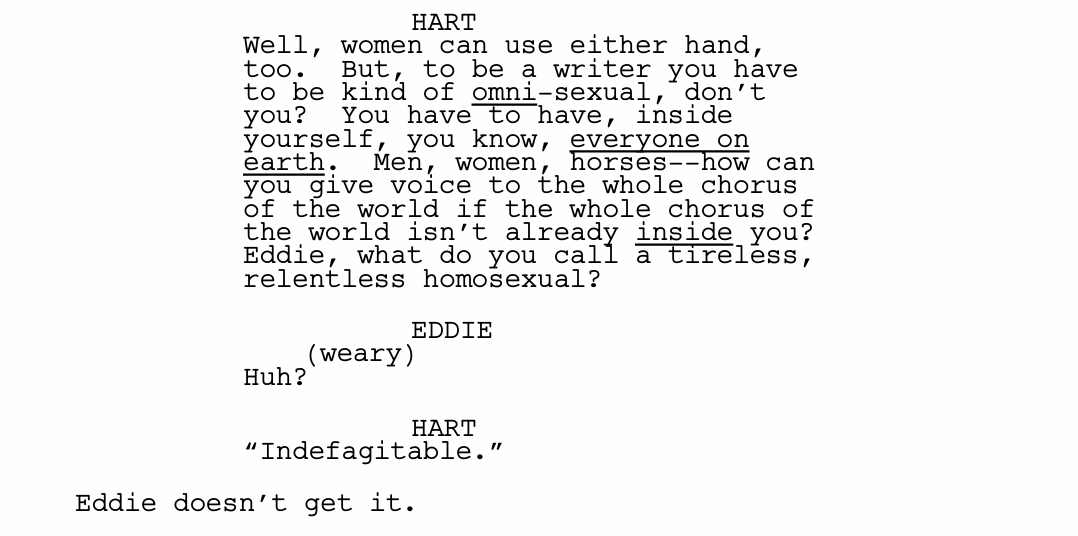
The scene ends with Hart telling a joke about his own sexuality that Eddie doesn’t get. An excellent example of showing instead of telling, the screenplay shows how desperately Hart needs someone to chat to, how he continues talking even when they don’t understand him. It leads the audience to ask why Hart is this way, and hints at the answer too: Hart is lonely. His detachment from the world – his sexuality, his sense of humor, his understanding of theater – shows on many levels throughout this conversation.
Debate
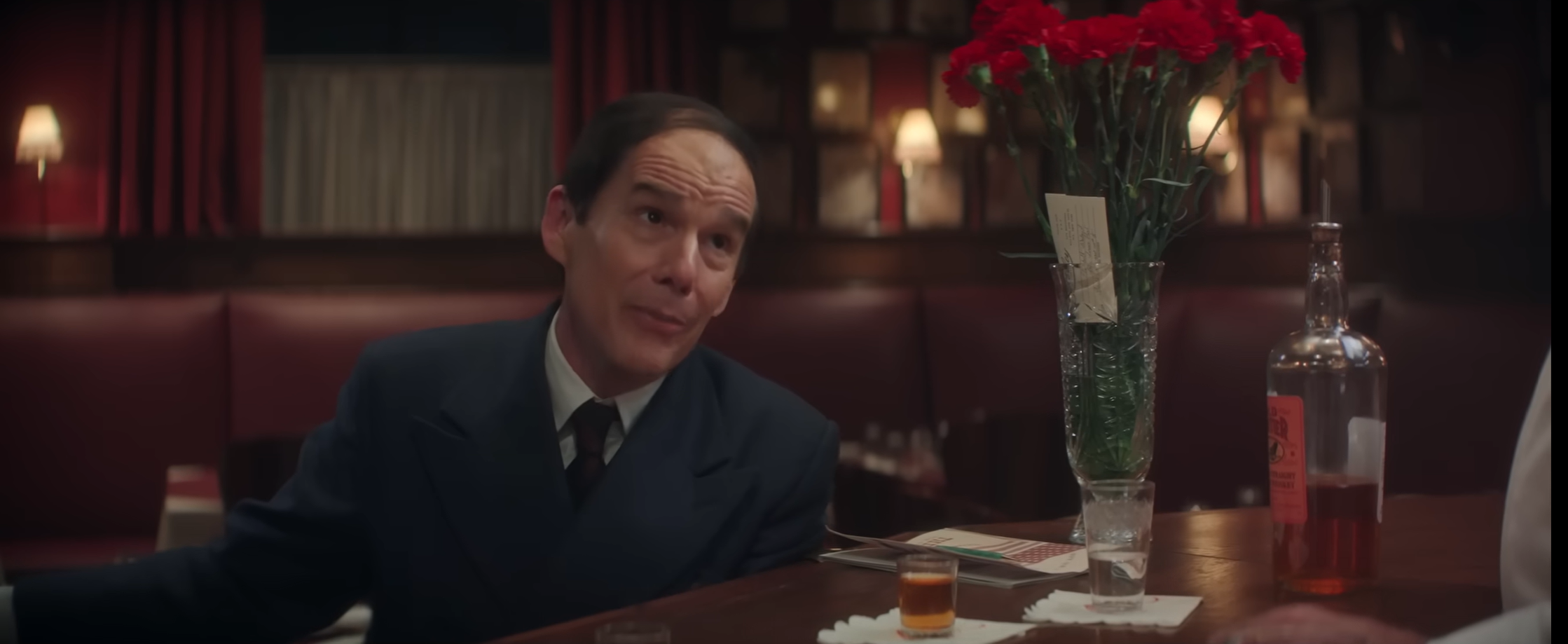
The “debate” of this film is more Hart debating with himself. After Sven leaves, Hart continues talking in monologue, with only occasional interjections from Eddie. Hart describes Oklahoma! as “gonna win the Goddamn Pulitzer,” “High schools are gonna put it on from now til doomsday because it is so inoffensive,” and “nostalgic for a world that never existed.” These all lead up to Hart admitting, outright, the bitterness he feels towards Rodgers’s success collaborating with someone else.
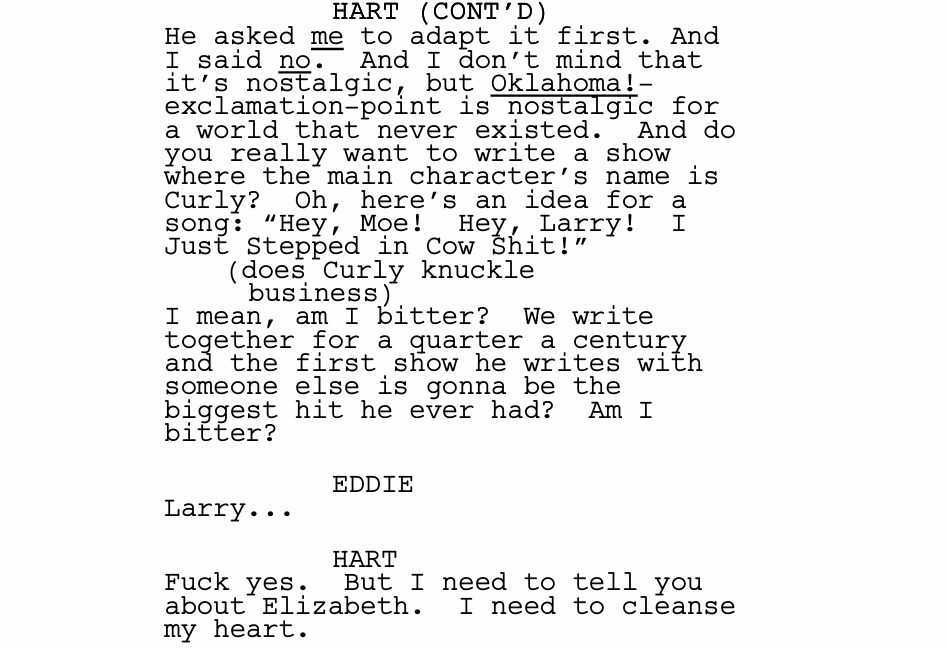
But then Hart interrupts himself and changes the topic abruptly back to Elizabeth, claiming that he needs to “cleanse his heart.” Despite how Hart insists that this night is about Elizabeth, she is, like the party he keeps inviting people to, Hart’s deflection from his real problems.
Sven enters again, bringing flowers for Richard Rodgers, a much bigger bouquet than the one Hart ordered.
Break Into Two
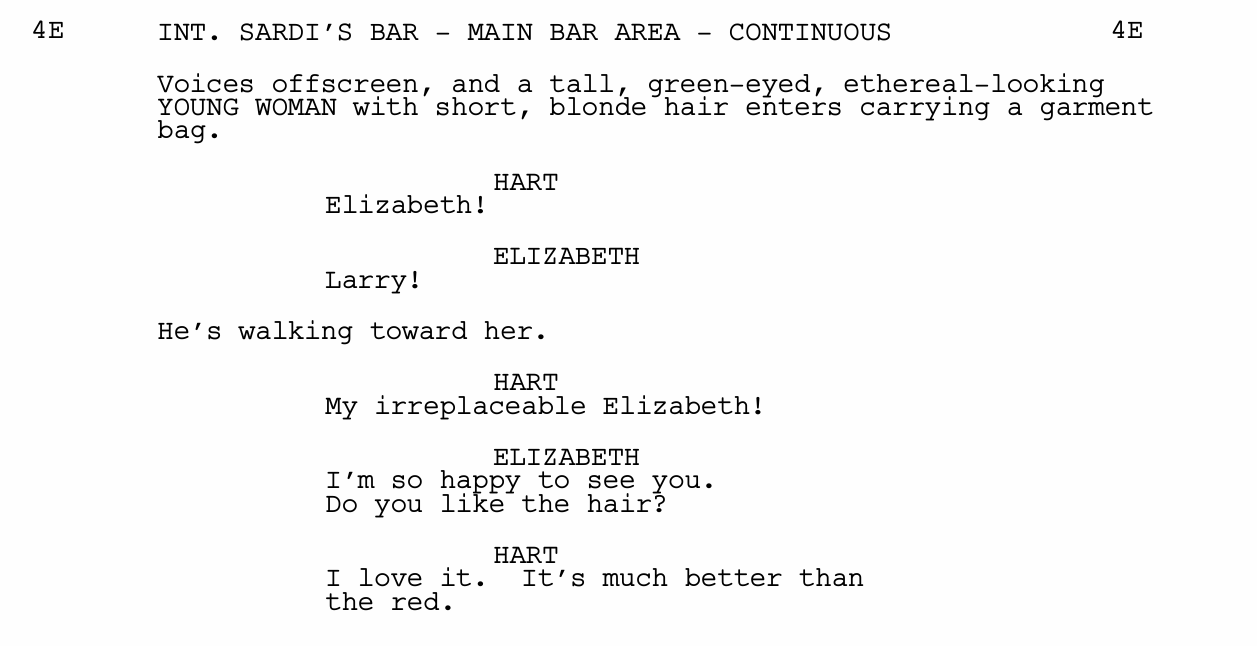
The entry to Elizabeth signals the beginning of Act 2. The screenplay describes Elizabeth as “ethereal-looking,” which is a word that Hart characterized her with earlier in the script. This shows, again, how the story is told from Hart’s perspective.
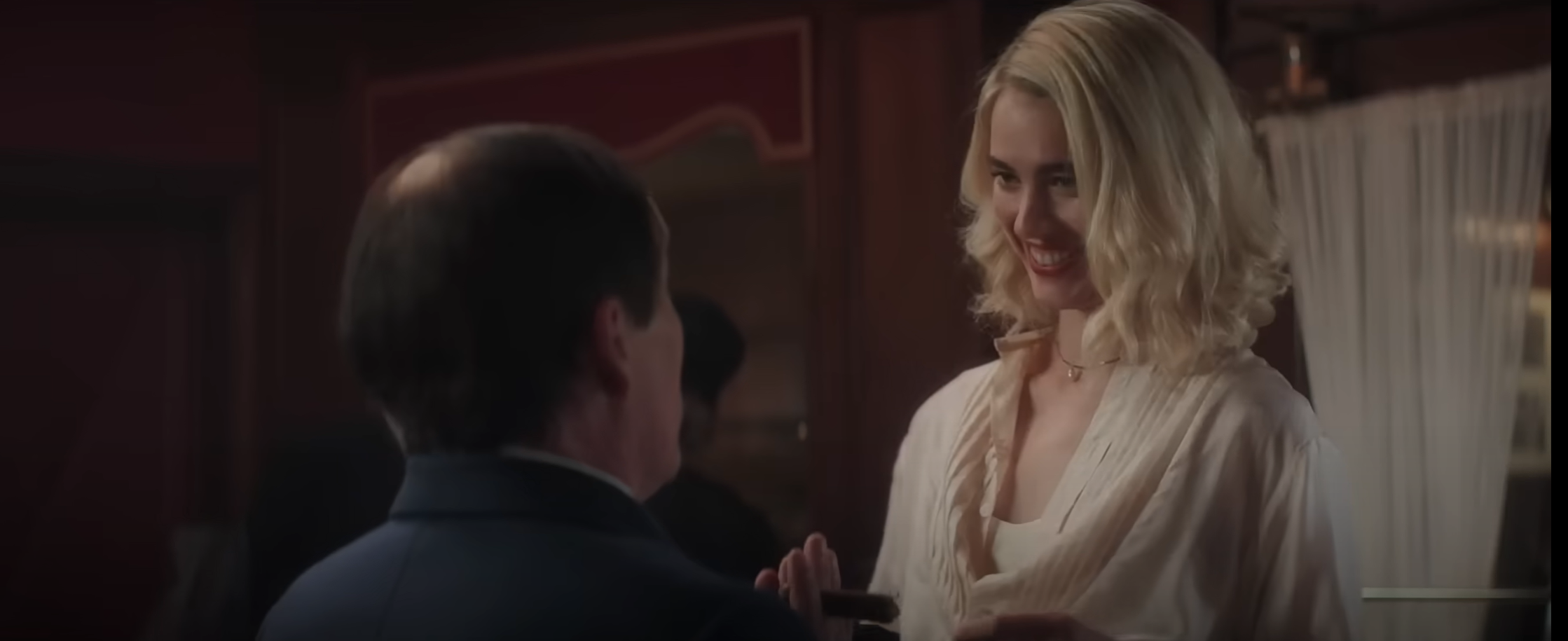
Elizabeht mentions a young man who she is into, but promises to tell Hart the story only later that night. After she disappears upstairs, Hart drinks his first shot of the night. It has been established that he is trying to get sober, so this moment signifies his first step towards that final demise in the rain.
Fun and Games
Hart returns to talking to Eddie. He claims that this evening is “a portrait of Elizabeth, and only Elizabeth.” This time, Elizabeht is the deflection from a discussion that gets dangerously close to his sexuality.
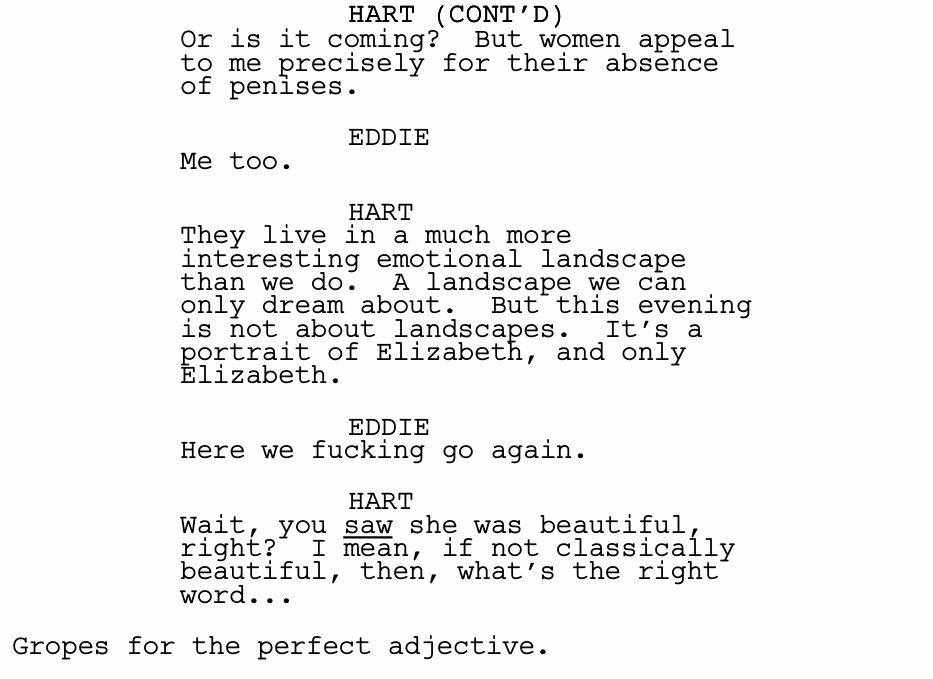
Another way of looking at Elizabeth’s “ethereal” existence is to see her as the manifestation of Hart’s idea of other-worldly perfection, of creativity, talent, and muse. And it is possible to view Hart’s relationship with Elizabeth as an analogy to his relationship with his own creative life. If we look at it this way, then this evening becomes a portrait of the arts, and of men’s relationship to it.
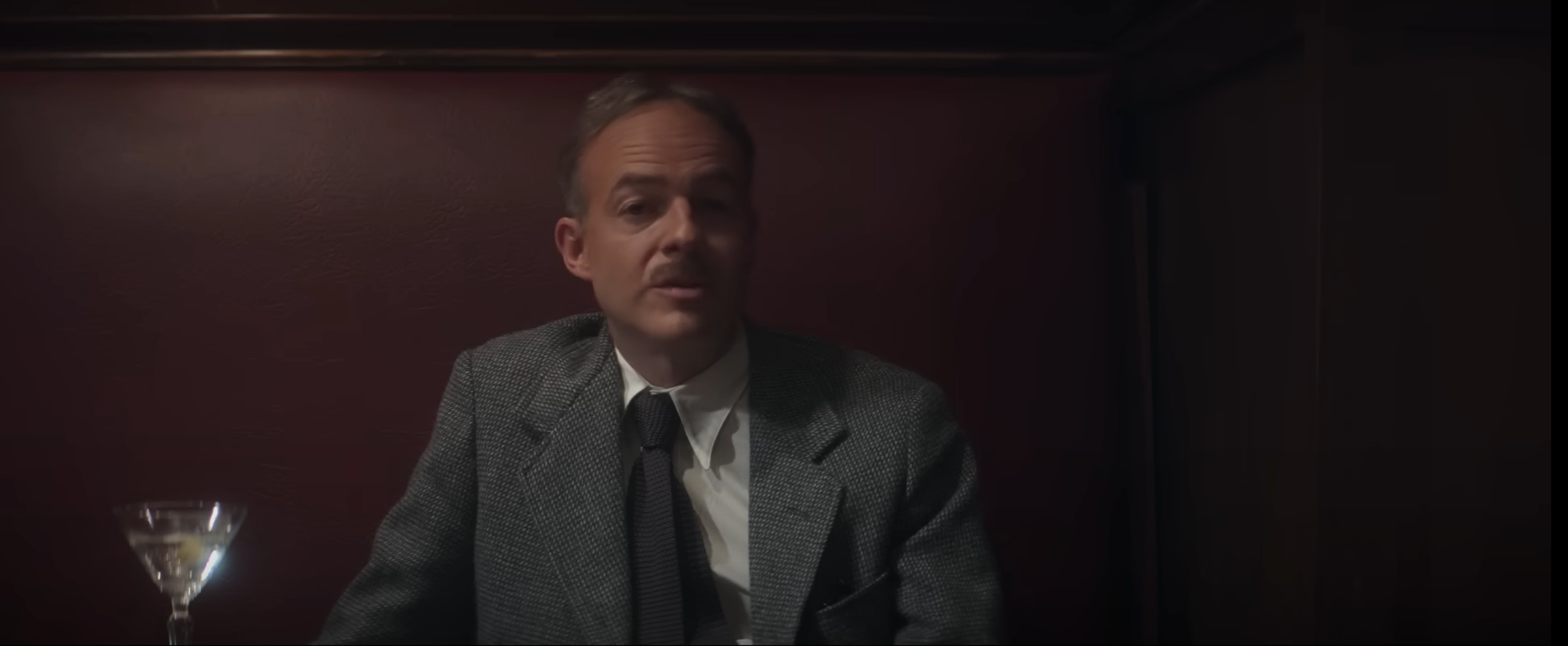
Hart notices Andy White sitting alone in a different part of the restaurant. He moves to White’s part of the stage, deciding to talk to White instead, with the hope that White would understand him more than Eddie does.
Even when talking to another great writer, however, Hart continues in the style of a monologue.
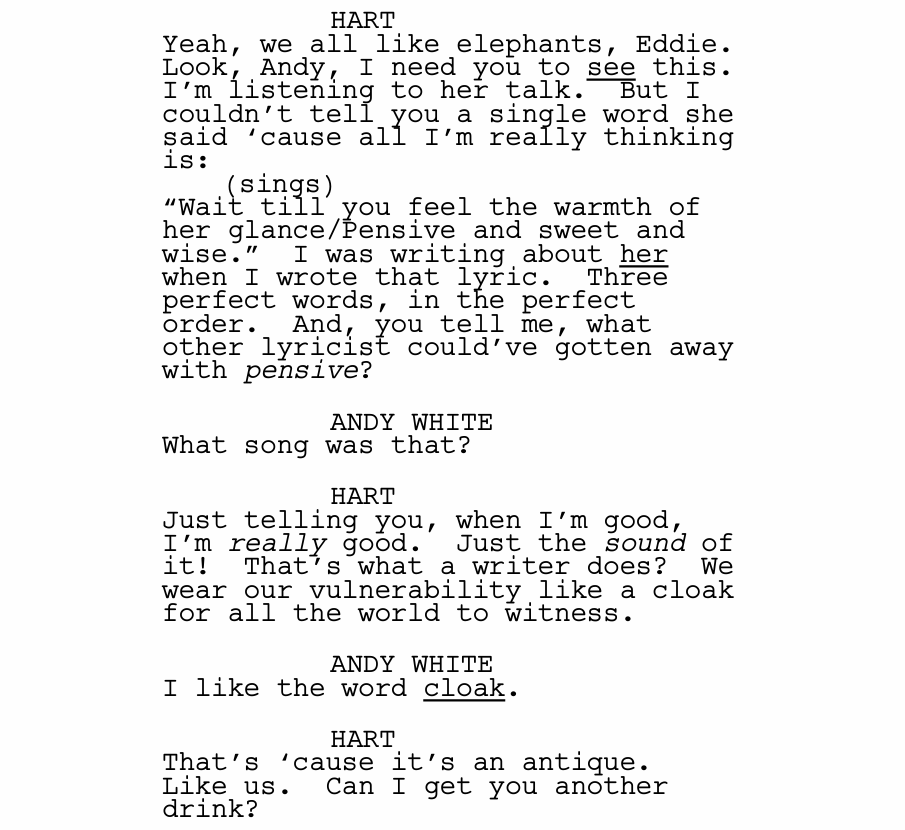
Hart involves the pianist Morty Rifkin to join their conversation. They discuss the war, and Hart asks White to read to the room a Playbill article about himself and Rodgers.
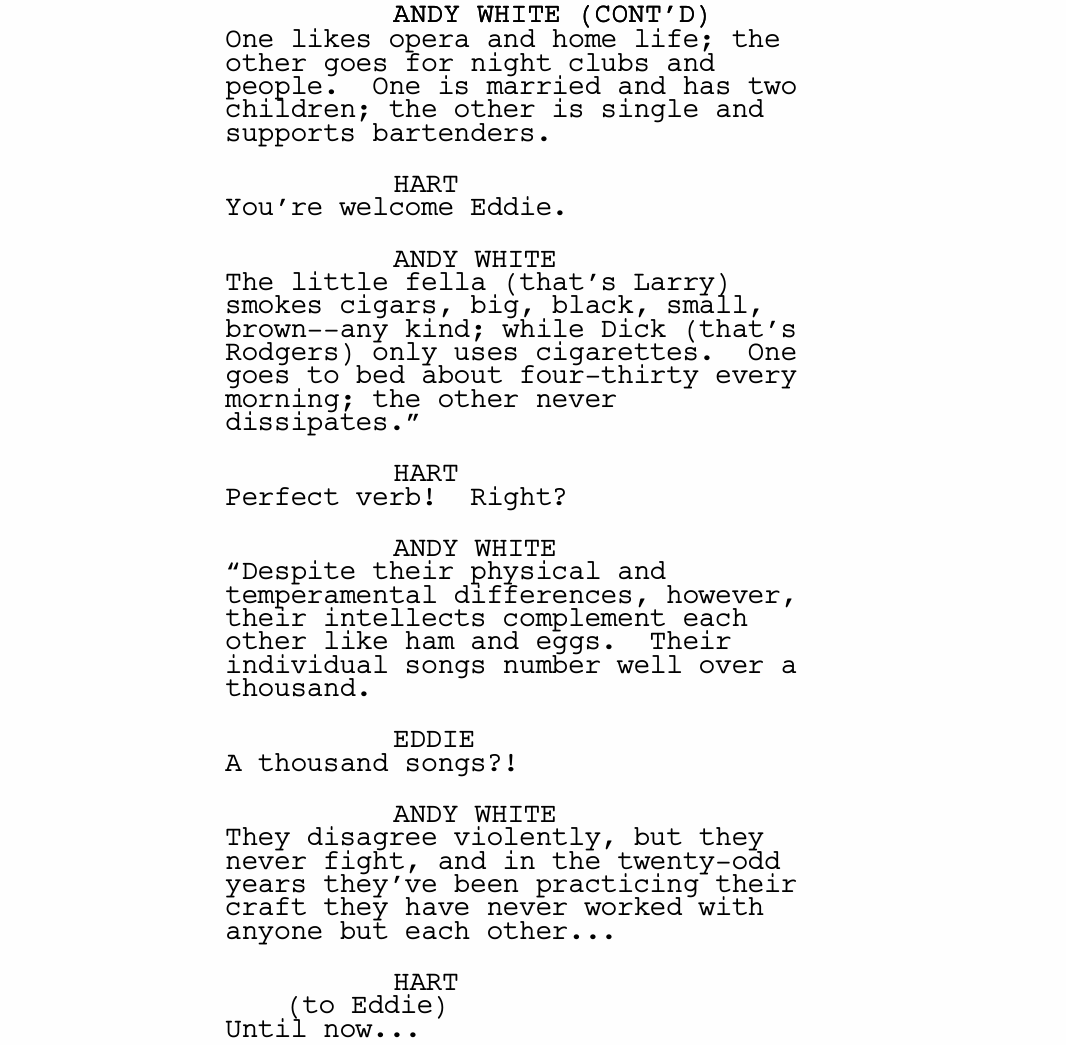
Through this Playbill, the screenplay provides a witty exposition on the Hart-Rodgers relationship, even before Rodgers enters the room.
Blue Moon has a clever way of sneaking important hints of Hart’s decline into its dialogue. A great example is when Hart suggests what he will put onto his tombstone:
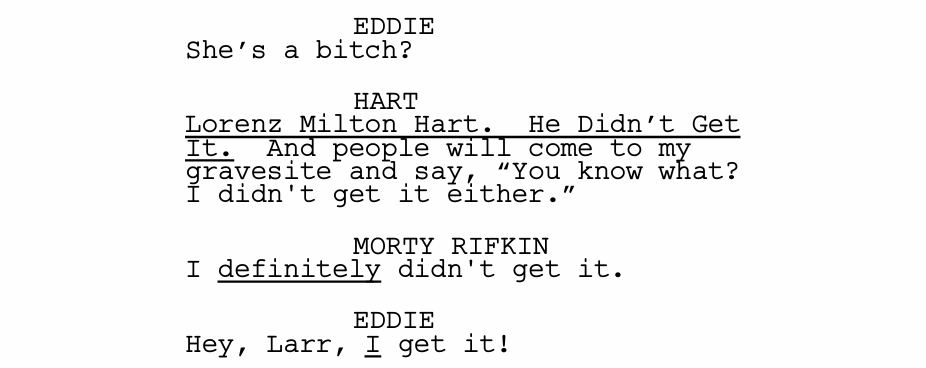
“Lorenz Milton Hart. He Didn’t Get It.” This is, in fact, an answer to many questions that the film asked at the beginning.
Hart doesn’t get it. He doesn’t get how the world works; he doesn’t get why he can’t fit inside it. And in turn, people don’t get him either. This impossible sense of loneliness is at the heart of his character.
Midpoint
After telling White, Eddie, and Morty about the time he spent with Elizabeth in Vermont, Hart observes the rest of theatergoers entering the restaurant. Finally, Richard Rodgers, Hart’s old writing partner, and Oscar Hammerstein II, Rodgers’ new collaborator on Oklahoma! make their big entry to the room’s applause.
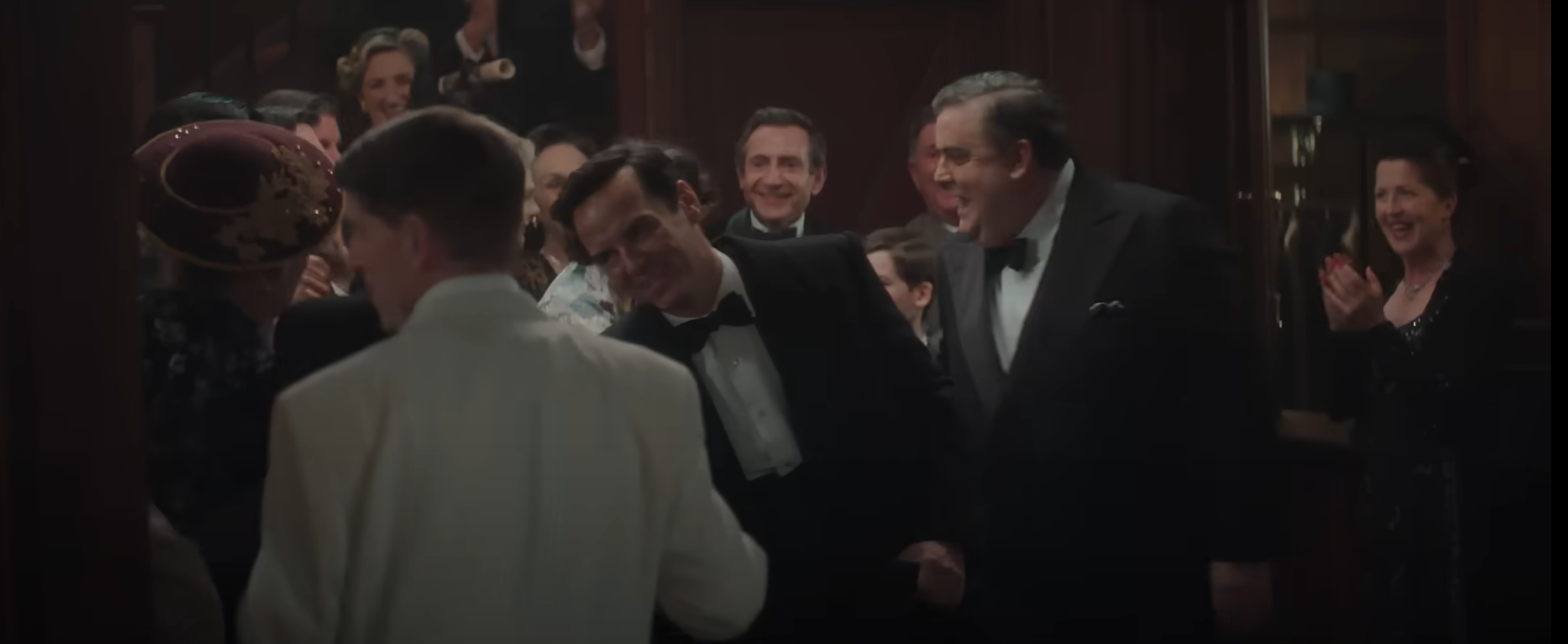
Hart moves off to congratulate them. Hart and Rodgers get a moment alone, where Rodgers propose to work on the revival of one of their old shows together. Hart, in turn, suggests a brand-new show to collaborate on, one inspired by his relationship with Elizabeth.
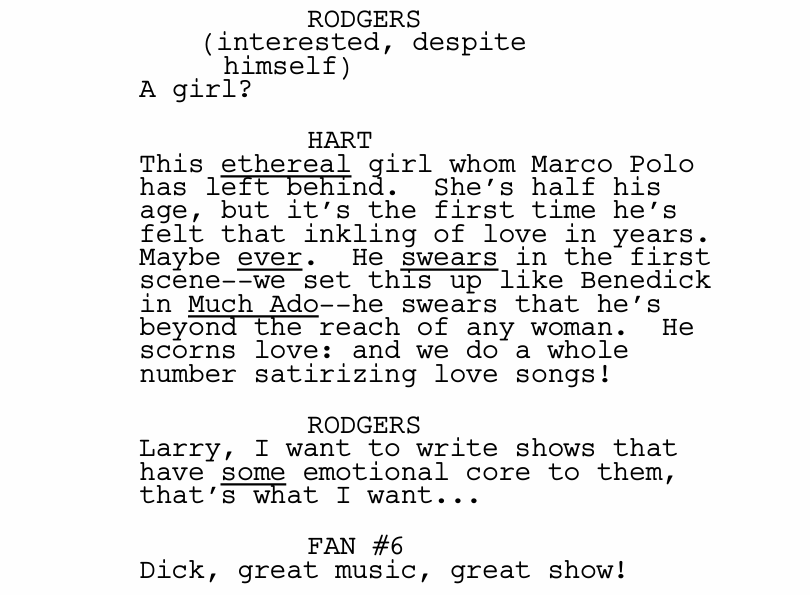
While Hart and Rodgers talk, fans continuously interrupt them to congratulate Rodgers, and reviews of Oklahoma! keep coming in, each more positive than the last. These interruptions are a clever way of navigating the pacing of the scene.
Not only so, but every time their conversation is physically broken up, it suggests a moment where Hart and Rodgers fail to properly communicate with each other. And that happens through seven fans and five reviews in the twenty pages where they converse on and off.
Bad To Worse
After the seventh fan interrupts their conversation, Hart and Rodgers’ debate escalates into a fight.
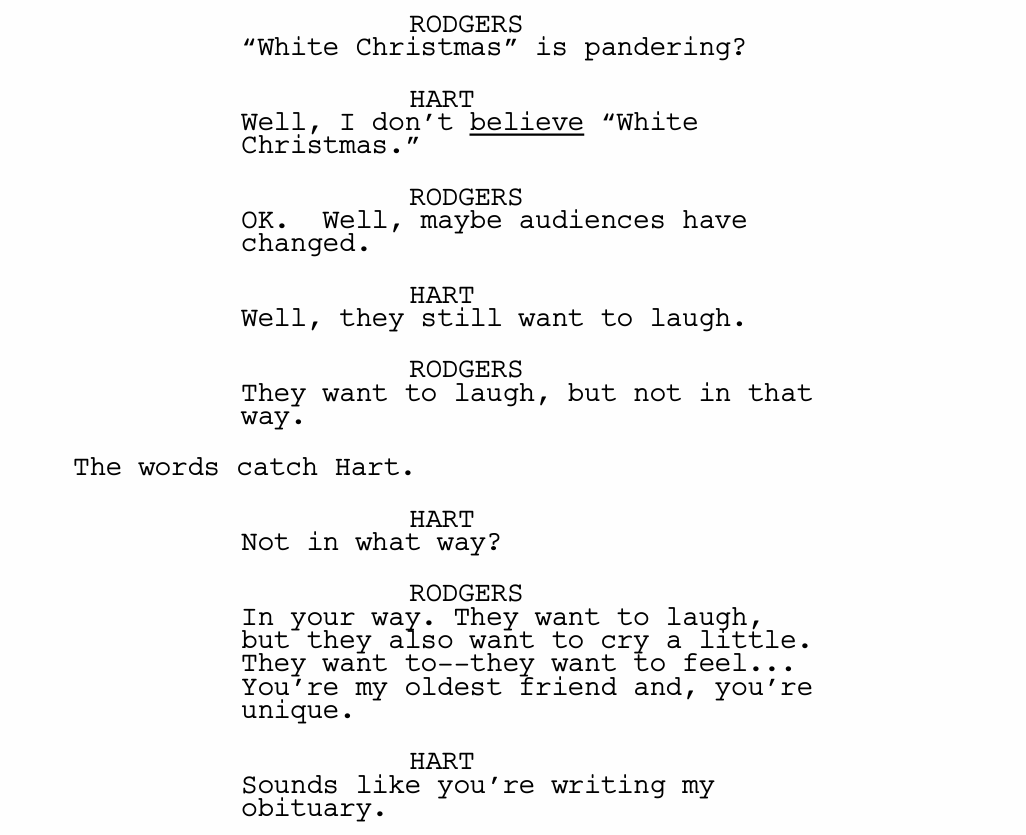
And for almost the first time in the script, Hart is no longer speaking in monologue. Hart and Rodgers bounce off each other, neither convincing the other, until Rodgers insists that he “must go upstairs.”
The “upstairs” in the script symbolizes many things. We never see it, yet we continue to feel its presence and its influence on Hart. It is a world that Rodgers enters, a world of success that Hart is not invited to; and a world that Elizabeth disappears to, a world of perfection and creative genius that Hart has lost touch with.
Break Into Three
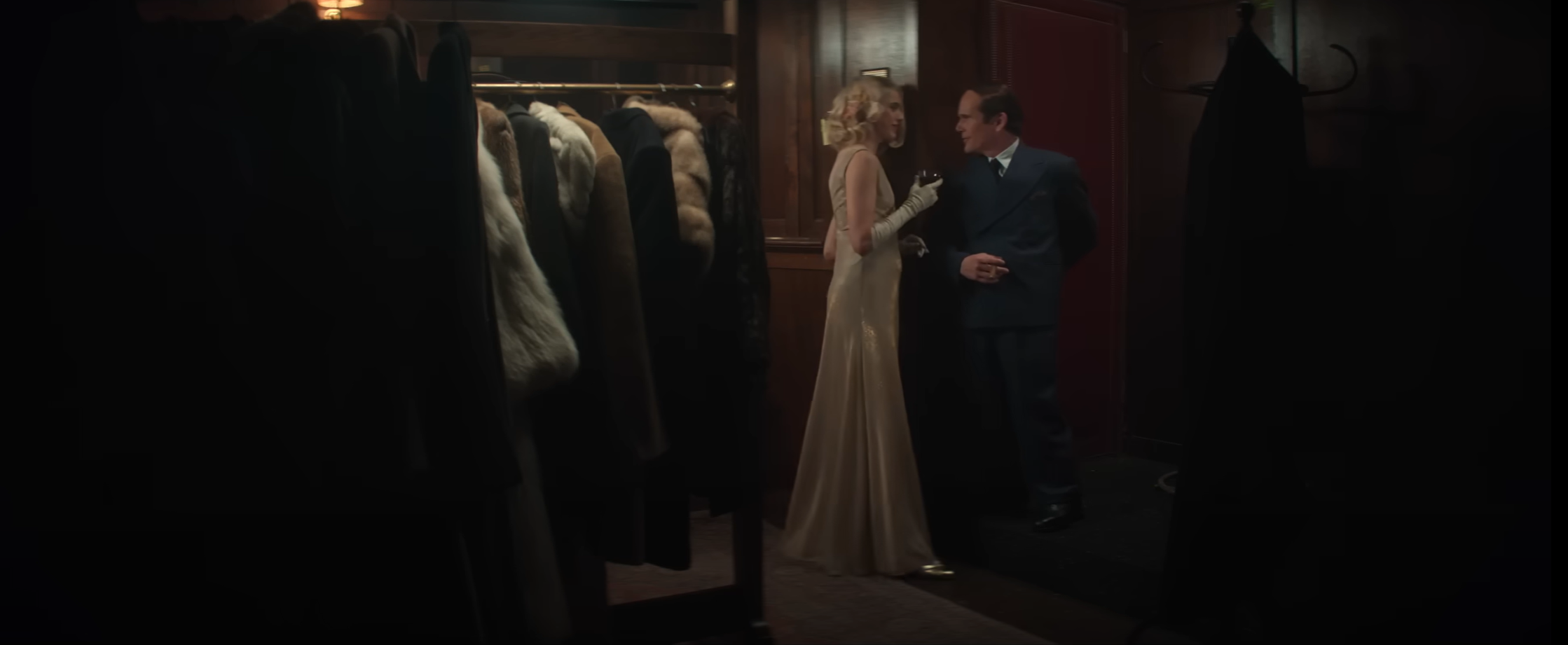
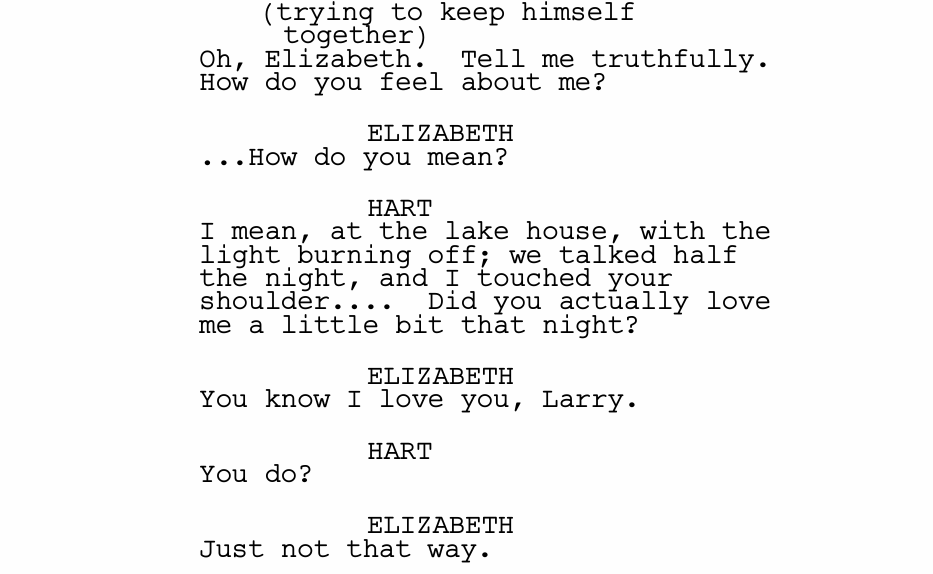
Elizabeth returns. She is now friendly with Hammerstein, which Hart is not happy about. Hart and Elizabeht decide to enter the coat room, where they can be more private, where Elizabeth will tell him about the young man that she’s entranced by.
This change in setting does not only draw them physically close. It also suggests that we are entering a more private part of Hart’s mind. As they transit from standing, to sitting, to Hart sitting on the floor, we move deeper and deeper into Hart’s inner world.
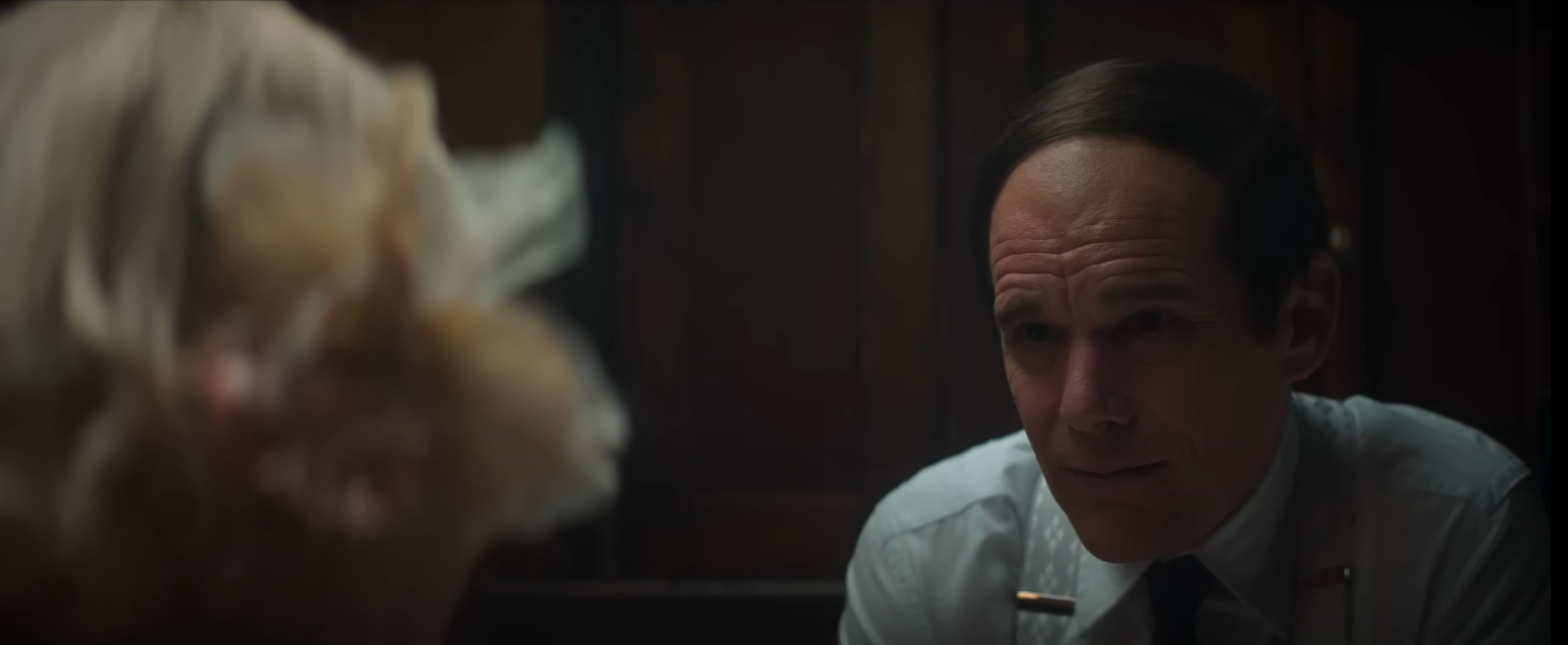
This time, Hart remains mostly quiet. He listens to Elizabeth’s failed relationship with the young man. Finally, the line “Nobody ever loved me that much” returns, as Hart uses it to echo Elizabeth’s description of unreturned love.
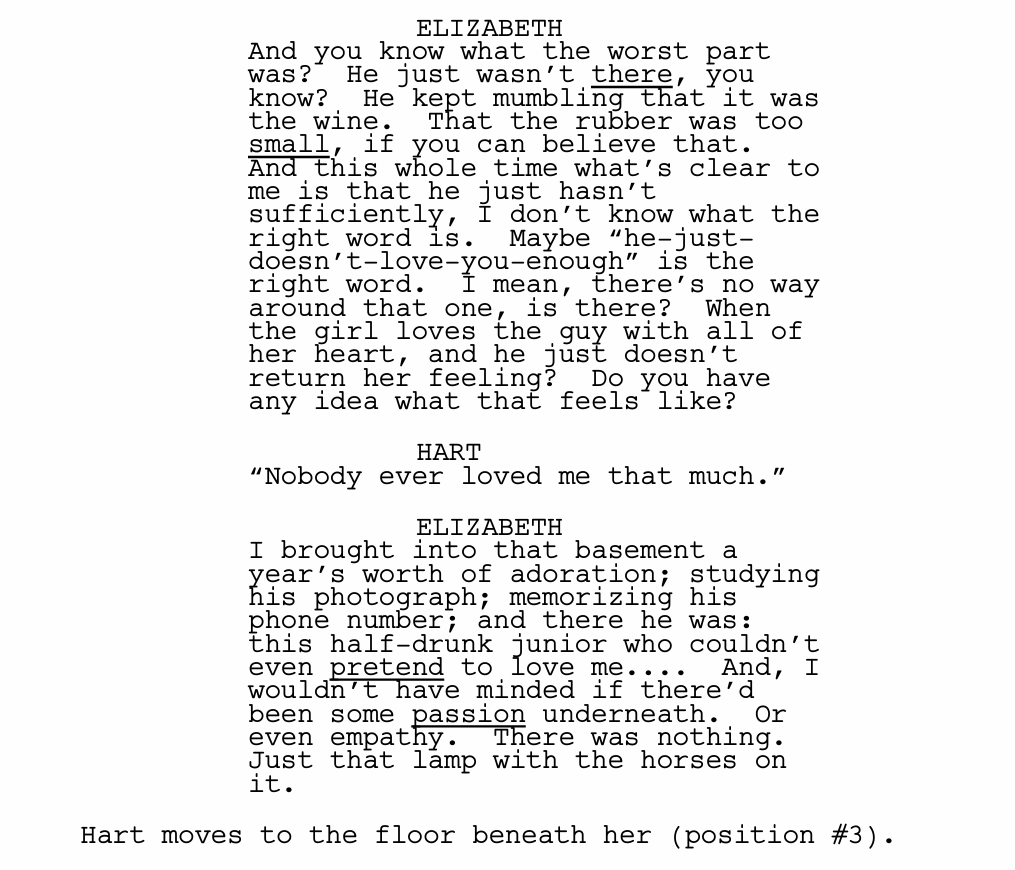
If we view Elizabeth as the personification of Hart’s muse and creativity, this conversation feels almost like his genius speaking to him for the last time. That other-worldly perfection which Hart, earlier in the script, describes as the one thing which he spends his whole career just wanting to touch for short moments, is now leaving him. She’s decided to devote herself to the people who Hart views as undeserving of her favor: people like that young man, or Rodgers and Hammerstein.
Finale
Elizabeth and Hart are interrupted by the theater world picking up their coats and leaving for Rodgers' afterparty. Rodgers invites both Elizabeth and Hart, but Hart declines, again mentioning the made-up party that he is hosting. Elizabeth decides to attend Rodgers’s.
Hart is now left alone in the restaurant. Morty begins playing the famous song that Hart wrote with Rodgers, “Blue Moon.”
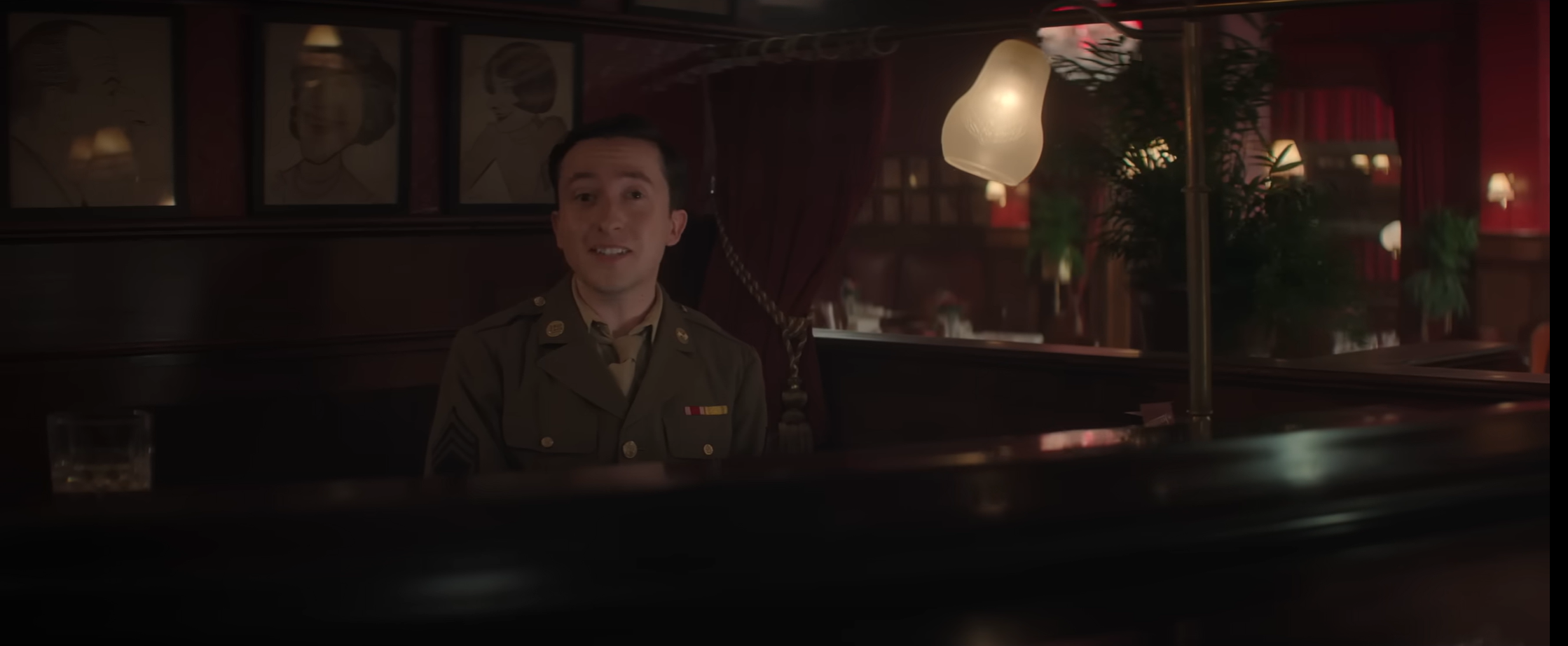
The lyrics are a reflection of Hart’s inner world. “Without a dream in my heart, Without a love of my own.”
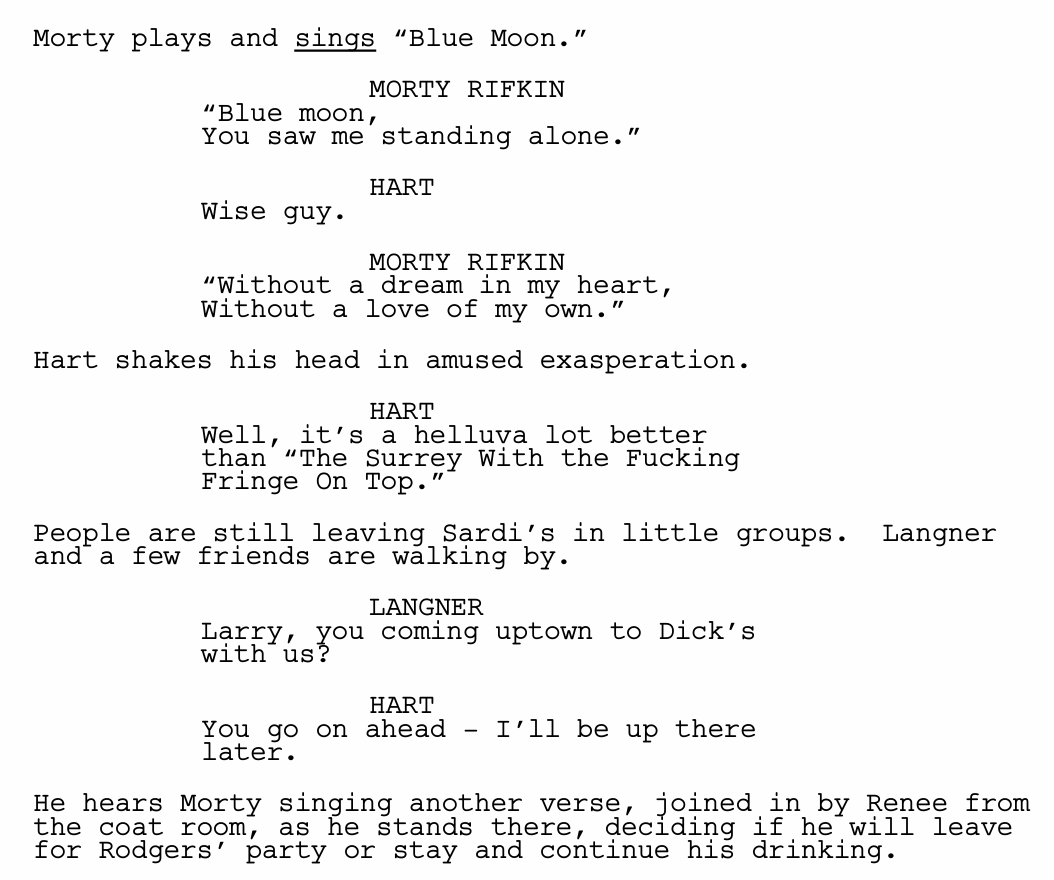
This is the last deciding moment. Will Hart continue to make an effort with Rodgers at his party, or will Hart give up, stay at the bar, and drink?
Hart chooses the latter. At the moment, the last puzzle of “How did Hart get to his end” is complete. As Hart monologues about how the song’s title “Blue Moon” came into being, the camera pans off to the caricatures on the wall: Rodgers and Hammerstein side by side, and Hart’s picture hanging alone.
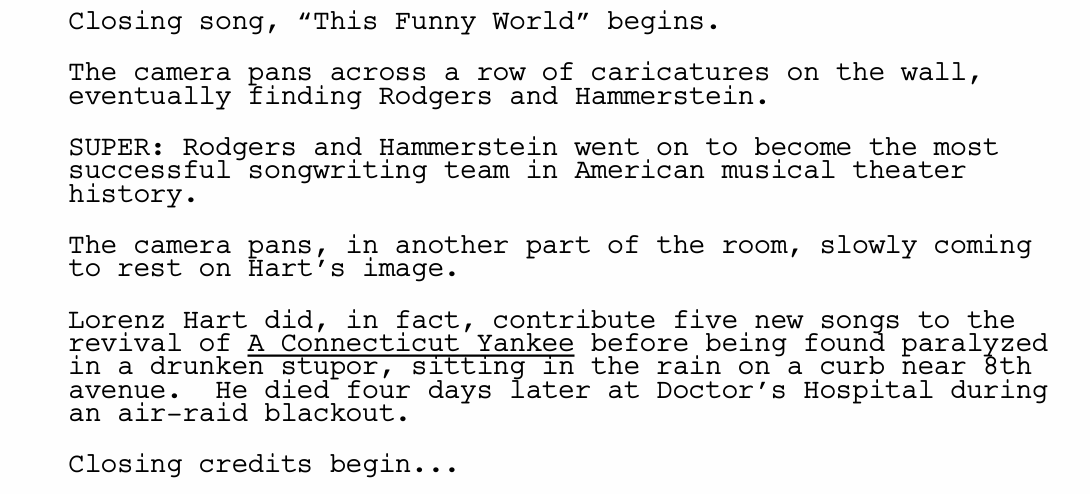
Blue Moon’s incorporation of the theater world is not only through its characters and plot, but also through its use of a single setting and playwriting-style dialogues. Its themes, too, comment on the intersection of theater and the real world.
The script plays with subtexts, symbols, and analogies. It uses the height difference of Hart and Rodgers standing on the stairs and the music playing in the background to reveal what Hart cannot say and cannot admit to himself.
Blue Moon is a story about the end of a romance, the end of a career, and the end of a man’s hope to connect with the rest of the world. With its witty dialogue, well-rounded characters, and effortlessly conveyed themes, the script is a wonderful sample of blending film with other forms of art. And, at split moments, when the artforms speak to each other, the script shows some of that ethereal quality that Hart so desires.