
From Script to Set: What It Really Takes to Make a Short Film

The Script is written, now what? Finishing the script is an achievement. You have created a story whole cloth into existence. The hard part is over. Now it’s time for the other hard part. Turning the written word into moving images. The short film production process can seem abstract and endless. It’s important to remember that every single filmmaker has been at this point of the wavering unknown.
Last year, I was a semi-finalist for the Kinolime feature script competition and was able to sign an option agreement with them. This year, I directed my first narrative short film and my second short film overall. It was a one day shoot to get seven script pages shot. So we had about two hours of time per page to get everything shot. But we did it. And so can you. Let’s demystify the process and dissect how to plan a short film shoot.
What is pre-production and why is it important

Before getting into pre-production tips for short films, remember: every decision made during production days costs time and, if you have any budget at all, money. Pre-production is the time to try and eliminate as many production headaches as possible before stepping onto set. This phase of the journey is where you will make decisions about budgeting, locations, casting, scheduling, and creating shot lists in order to make production days as systematic and streamlined as possible.
Creating a budget is the first step in your indie filmmaking workflow. List out what resources you have and what you NEED to allocate them for. If you have any budget left over for nice-to-have, well that’s very nice to have. Locations can make or break a budget. You never know where you can and can’t get a permit to shoot if you don’t ask. I worked on a project that was shot in a bar for free. The owners liked the idea and we shot well before their operating hours. My short was a single location inside and outside a house. I wrote the script around knowing I could use this location.
Assembling the crew and the cast is where most of your resources will go. Use websites like Backstage for cast and staffing sites like Staffmeup or local facebook groups for crew. If you’re making a student film, enlist your classmates. Once you have a cinematographer on board, the director and DP (cinematographer) create the shot list together. Here is where you will construct your interpretation of the written story into visual imagery. Determining your desired shots will also clarify what equipment, both camera and lighting, you will need. If the equipment is out of the budgeted range, the shot needs to be flexible enough to fit the constraints, or be dropped.
The shot list’s finalization leads into the schedule's creation. The shooting schedule is going to keep you on track the day of shooting so time doesn’t slip away from you. Time will fly on set. For films as a whole, a tight schedule is important, and especially so for short films since resources are minimal. If you have to shoot in two locations on one day, you have to account for a company move in your schedule. If shooting exteriors, you have to plan for bad weather.
One mistake I made was not accounting for events happening during our production day. There was a race that shut down roads spurring traffic delays. My DP arrived 90 minutes after the crew call. It was my fault. I did not think to research events happening in Brooklyn when our location was 90 minutes north of the city. Earlier I noted that we had twelve hours to shoot everything. Well, now we had a little over ten. While we were waiting, we shuffled the schedule to shoot our exterior scene first and set up as much as possible with what equipment we had. We got everything done. It was so much fun, but so stressful.
If I did more thorough research and planned around the event in Brooklyn, I could’ve avoided that massive headache. This is why Pre-production is so, so important. Think of as many possibilities for what could go wrong before production starts, and plan contingencies.
What challenges come with small crew film production
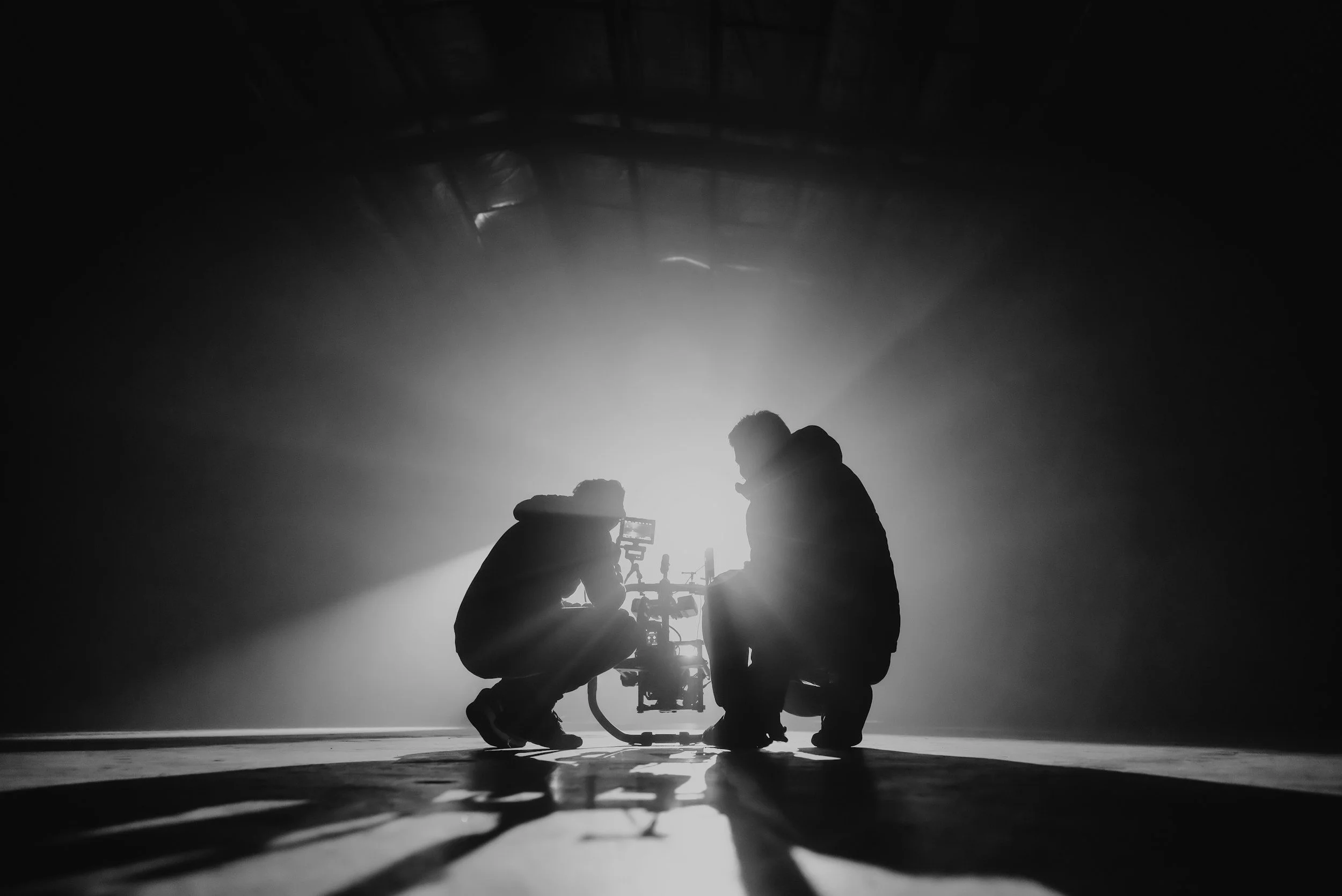
Small crew filmmaking forces you to wear many hats. Do you have enough in your budget for wardrobe or a script supervisor? Every position exists for a reason, and if they have to be cut due to budget constraints, the duties still have to be doled out to someone. If you forgo a script supervisor and didn’t delegate the duties to someone on set, you might miss that the eyelines between shots don’t line up, and now your characters don’t look like they are looking at each other in the edit.
Multitasking necessitates clear communication. You might be trying to figure out the problem meanwhile your Producer or AC knows the answer. But nobody asks them. Time constraints are ever-present, so while Camera is rigging the camera for a new lens or a different mount (if that equipment is available to you), you don’t want every other crew member to be waiting. Sometimes this is unavoidable, if Lighting is struggling to fix something, but everyone else is set, then we are waiting for Lighting. But if not, then Sound can be setting up the cast’s microphones while Production Design is staging the scene and Camera is working on their rig. The crew is a team all working toward one goal. Utilize them accordingly.
How do filmmakers solve problems on set

After everything has been planned and accounted for, there will always be unforeseeable on-set challenges for filmmakers. If a wireless receiver won’t work because there’s radio wave interference or your shooting in a public park and someone won’t wait for the take to finish and walks into frame despite being asked not to, you as the filmmaker have to adapt. Shot lists are meticulously put together, but when time constraints arise, shots get cut or condensed.
One time working as a script supervisor, we were running low on time before our “hard out” from the location and we would not be returning. We had to get everything that day. The director thought about cutting the last scene entirely, but I offered three suggestions on how to absorb essential parts of the scene into the penultimate scene we were about to shoot. It changed the script, but kept the integrity of the story and what the two scenes were conveying. He chose one of the options and we were able to fuse the two scenes before we ran out of time.
Weather, equipment malfunctions, lost locations, and more can ruin all your preparation, but creative filmmaking problem solving is a tool you will learn as you go. Keep your vision in focus and adapt the situation to maintain your ultimate vision. The shot might have been in your head one way for months leading to set, but then circumstances make that shot impossible. You have to be able to change the shot to fix the circumstances while preserving your vision. It’s hard, but chance can also spring inspiration to get a shot you didn’t dream of. It’s part of the wonder of filmmaking.
How do you keep a strong creative vision with a small budget
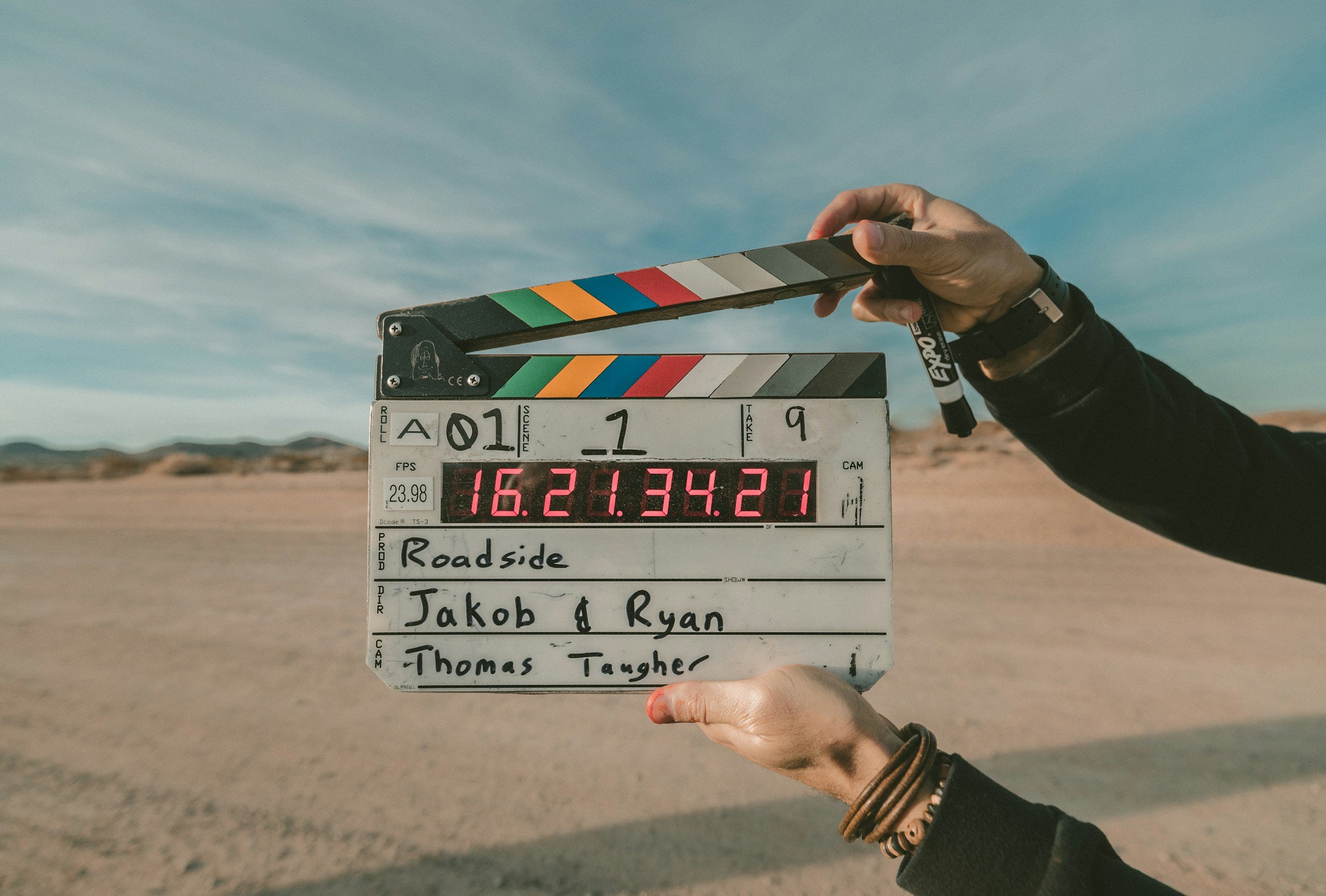
No matter how big or small your budget is, keep your Vision as the north star. If you have to shoot on a phone to make your film, don’t let that limitation stop you. The one necessity for equipment I’d recommend is a sound mixer and microphones. Audiences can work with visuals of all qualities, but bad audio can grate on the ears and turn audiences away.
Danish filmmakers of the Dogme 95 movement made films on tiny budgets with minimal gear. Robert Rodriguez’s book, Rebel without a Crew depicts how he made his first feature film for barely any money. The film got picked up and the distributor put money into post-production, but the story and characters had to work to get studio attention in the first place.
Filmmaking accessibility will differ depending on where you live in the world. And with that, access to equipment or crew can vary wildly. But know that no matter where you live, there will be like-minded people who want to create art. If you are applying to film festivals, English subtitles will expand the reach of worldwide screenings. Your first film does not have to look like a Hollywood production. Trust your story and trust the characters you have created.
Work with your DP and talk about the themes of the story, what matters for these characters, and how to highlight what they are going through visually. How the tone and the style can enhance the theme. Keeping your vision as the priority will help your decision making process. Opportunity can arise out of constraints. Perhaps your story will benefit from natural lighting and you don’t have to spend to rent lighting equipment. Perhaps your character’s isolation begets using a de-saturated color palette and minimal set design to illustrate how bare their relationship is to the world around them. These are the types of decisions to make when planning on how to make a short film on a budget.
Directing a short film can be very stressful, but it’s also so much fun. Collaborating with like-minded people to create art, to create something that you believe in, is pure magic. The first one will be the hardest, but you will be rewarded with having your first film completed. You’ve done it. It’s daunting, but generations of filmmakers have taken these steps that you’re about to. You’re in a long line of artists that have braved the tumultuous journey. As part of helping new artists on that journey, Kinolime hosted a short film competition. The winner, Pushing Daisy, will get production support and advice from the Kinolime team as well as a $7,500 grant to shoot the film plus $500 for submission fees for festivals.
Production is where your story truly transforms into a film. It’s doable even with a tiny crew and limited budget. Every filmmaker has been where you are now. It’s time to get started.