
The 10 Best Screenplays Of The 1970s

Nowadays, the 1970s are often looked back to as one of, if not the best, decade in film history. Known as “The New Hollywood Era”, this movement was the product of revolutionary, film-school-educated, countercultural writers completely throwing the rulebooks of old Hollywood out the window and writing as a reaction to the real-world events happening all around them. I’m not sure if any of you guys are history buffs (or just over the age of 50), but in the 1970s, things were pretty rough in the world. However, like most great art, beautiful things tend to grow from shitty situations, and what we are left with are some of the greatest screenplays ever written in film history. Without further ado, here is my list of the top ten best screenplays from the 1970s, developed through the thoughtful consideration of cultural significance, critical reception, and a bit of my own personal preference. And one more thing: all the screenplays listed are available for download! So sit back, read this article, and download a couple of screenplays from the best decade in film history. You won’t regret it.
1. Chinatown (1974) - Robert Towne
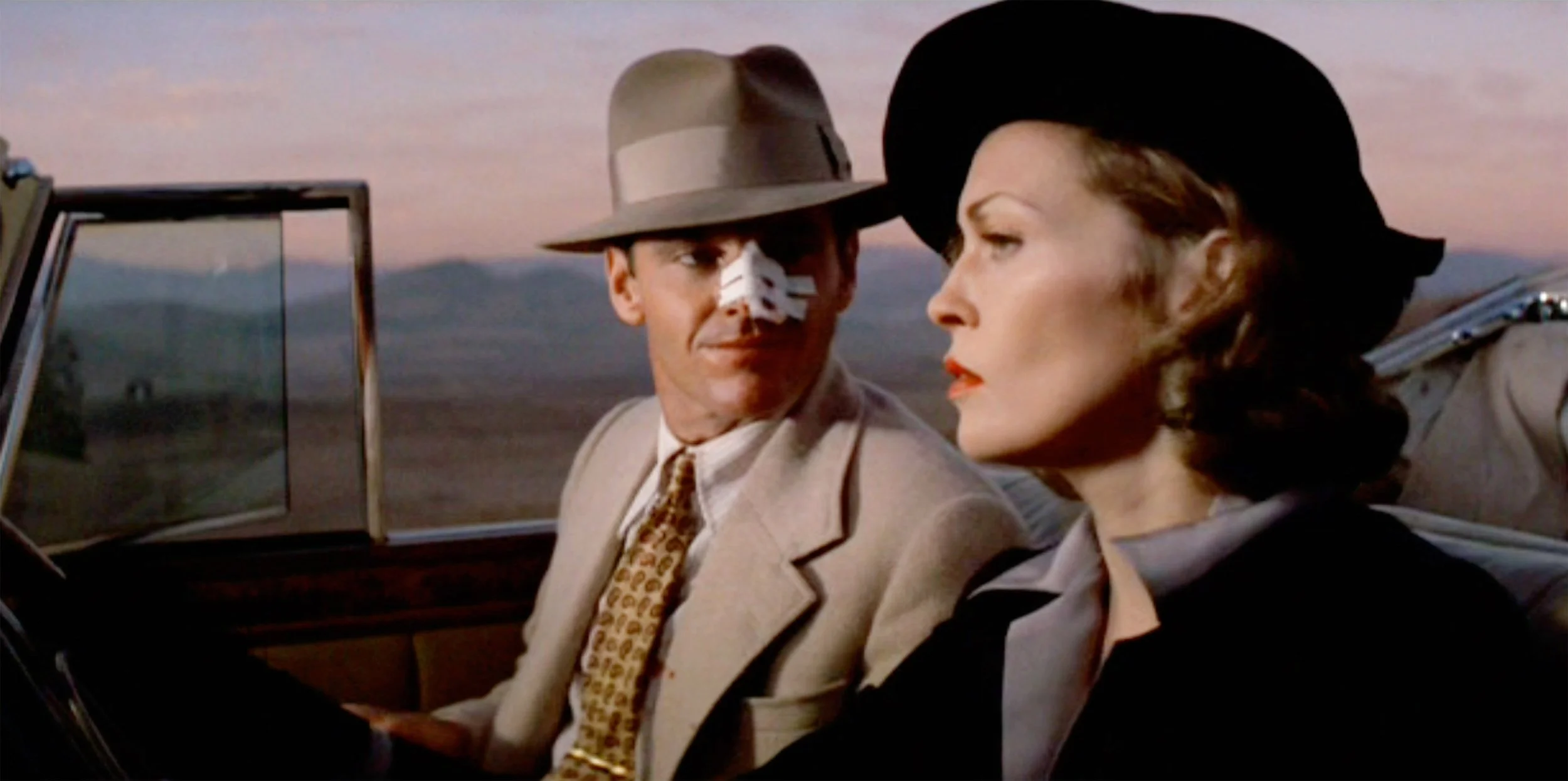
The script to Chinatown is often regarded as one of the best screenplays ever written, and for good reason too. Towne’s 40s noir script initially comes across as just another basic P.I. film, but as the movie goes on, you quickly start to realize that there are endless layers to the plot, mystery, and characters that all have a major payoff. There’s literally no fat to this script, which is the primary reason why it’s so often praised as “the perfect screenplay”. Everything is relevant, everything comes back around, and everything matters when uncovering the deep conspiracy in this magnificent movie.
2. American Graffiti (1973) - George Lucas
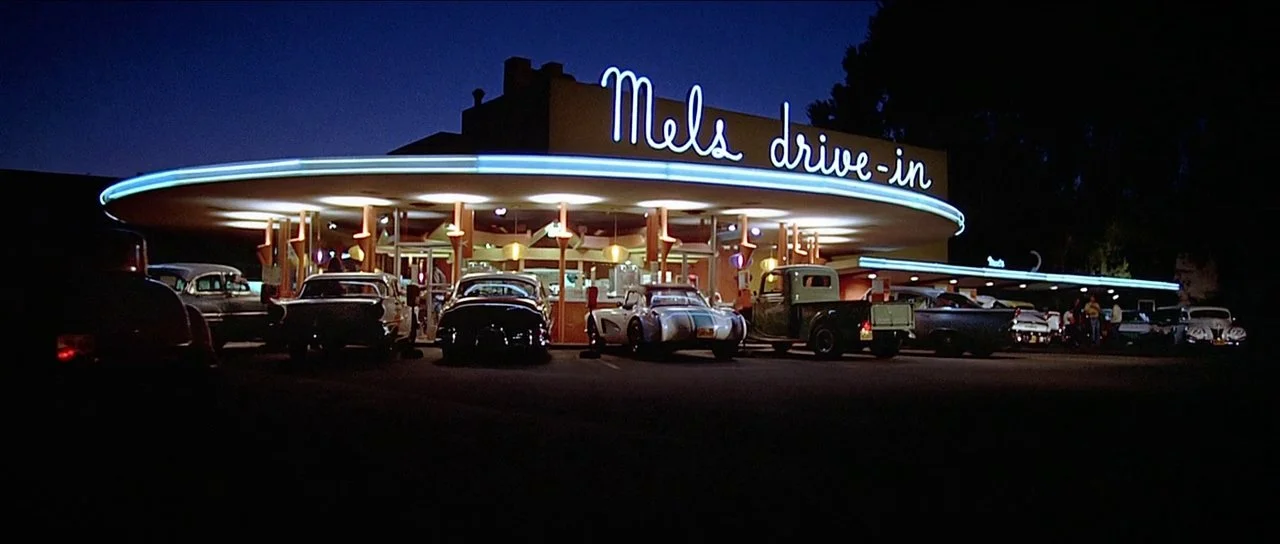
The film that practically invented the “high school hangout” genre, American Graffiti, is the go-to script to study when it comes to effectively balancing a variety of characters and sideplots within a singular screenplay. Every character accurately represents a different common conflict teenagers may face after they graduate. Do I stay with my girlfriend? Do I go to college? Do I stay home and work? Am I a loser? What am I supposed to do with my life now? Additionally, the film also represents the end of innocence within American culture. With the entirety of the film focusing on the minute problems I mentioned above, the title cards at the end of the film remind us that the world is not so kind: some characters died, some characters went missing in Vietnam, and some characters never left home. I can’t say enough good things about this script, and I strongly recommend giving it a read.
3. The Godfather (1972) - Mario Puzo, Francis Ford Coppola
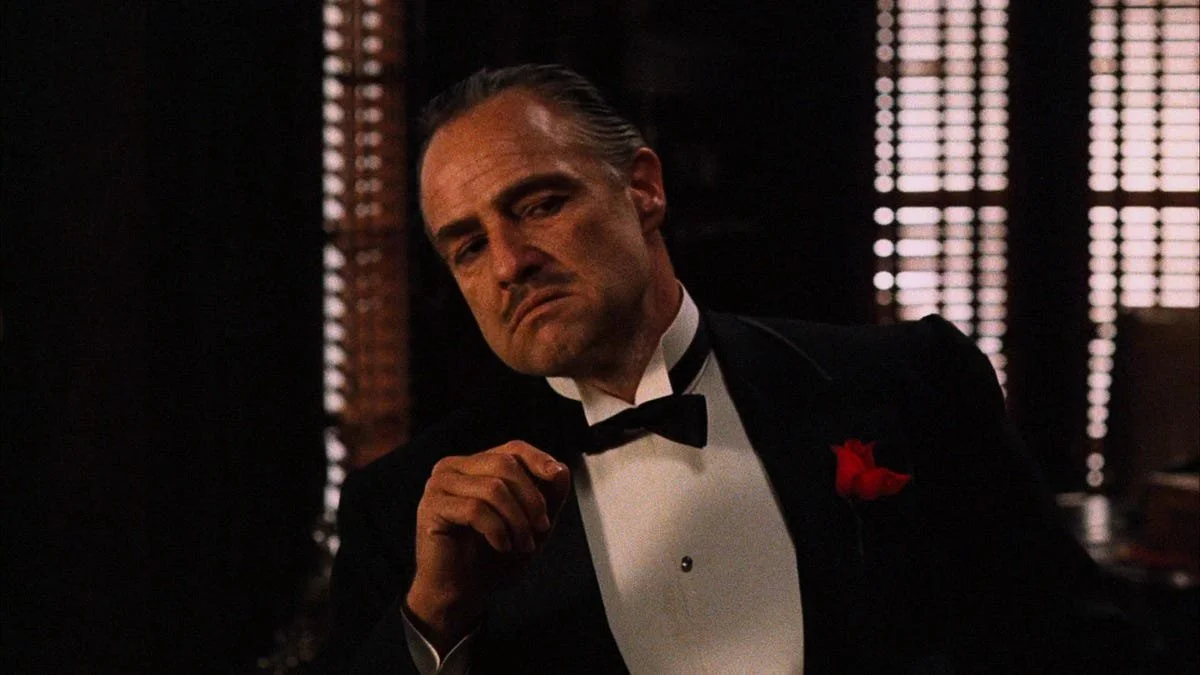
Obviously, there’s not much I can say about The Godfather that hasn’t already been said a million times before. Considered one of the greatest films of all time, this script is praised for its wide collection of deeply developed characters, its slow-burning plot that manages to remain exciting throughout, and its unique take on highlighting the corrupting nature of the American Dream. Watching Michael Corleone slowly become the very thing he despises over the course of 3 hours is like watching a very slow train crash that ends in a fiery explosion. If you want to improve your pacing and character development, give this classic script a read.
4. Network (1976) - Paddy Chayefsky
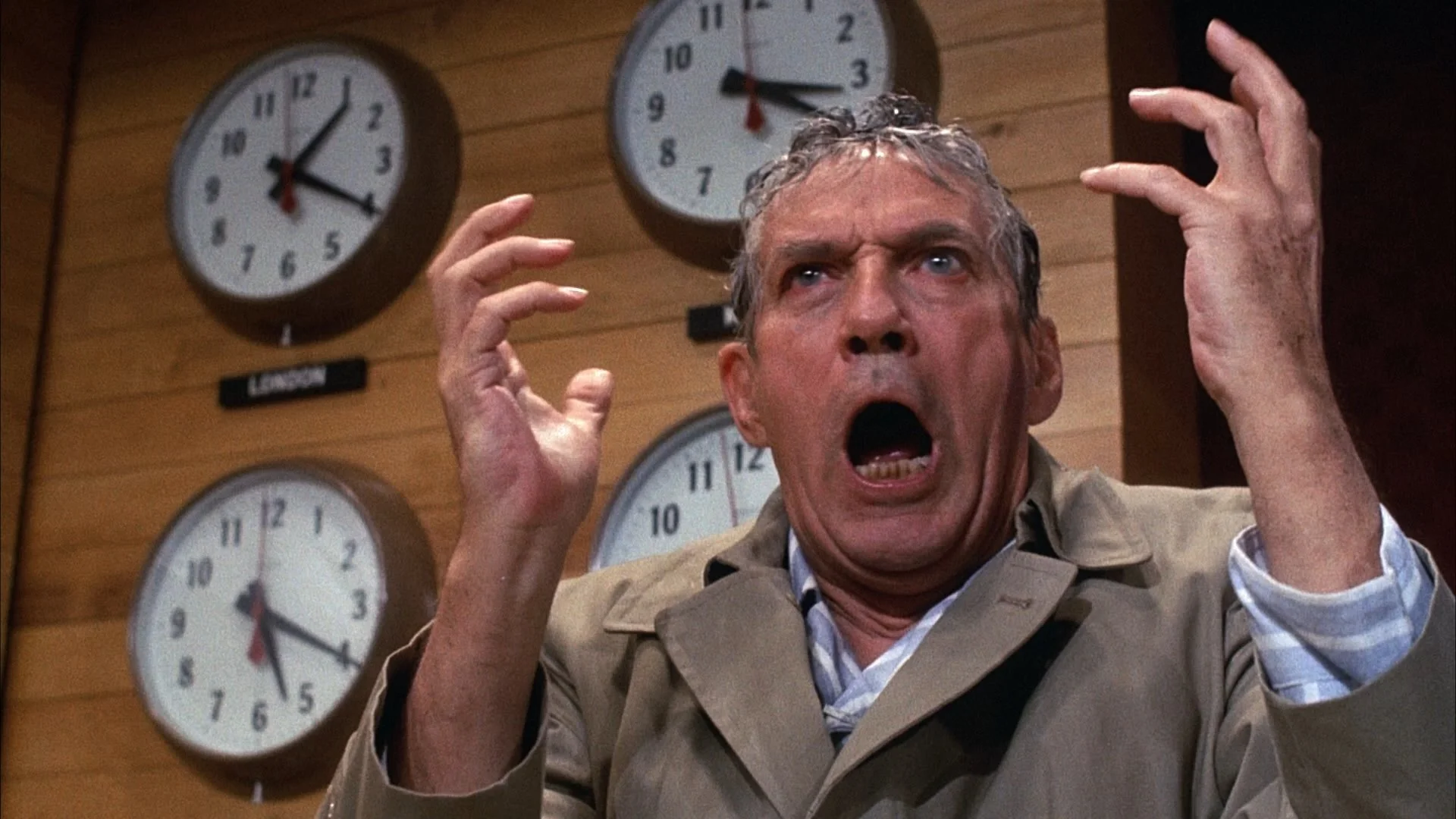
Besides possibly Chinatown, Chayefsky’s script for Network is the gold standard for screenplay writing in the twentieth century. With an in-your-face social commentary paired with memorable characters and masterfully witty dialogue, Network has proved that under the right circumstances, a screenplay really can have it all. Nowadays, so many films attempt to tackle social issues in a unique and entertaining way, but none have even come close to achieving what Network did in 1976. If you’re looking to improve the satire within your scripts, I’d say to start here.
5. Taxi Driver (1976) - Paul Schrader
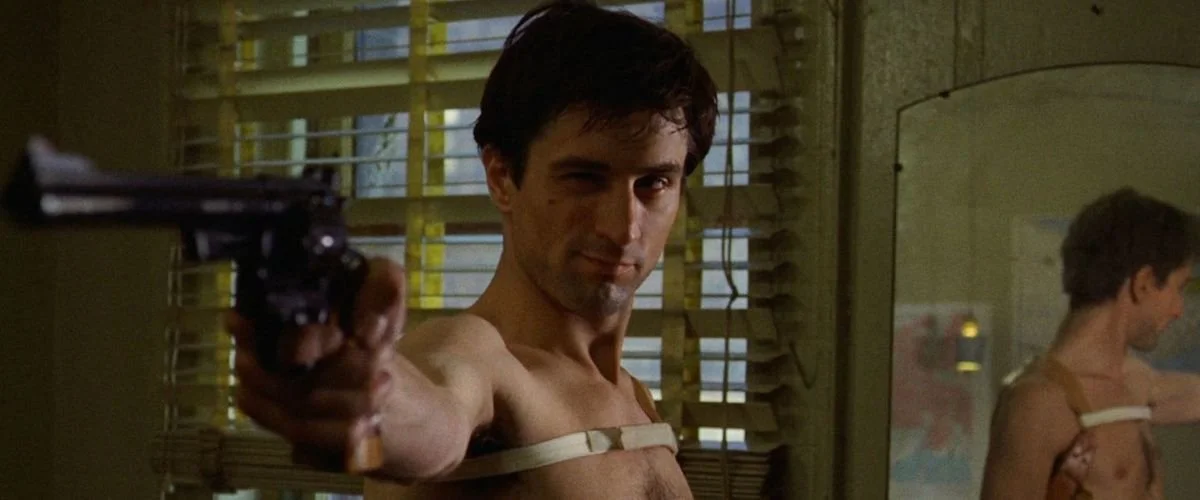
Like Network, Paul Schrader’s script for Taxi Driver highlights the overwhelming sense of nihilism experienced by many in the 1970s. People were losing hope in society, in the government, and even in their own peers. This script presents all these issues through the eyes of a lonely, frustrated individual who seeks to finally do something about the cruel world he inhabits. If you’re looking to write a script centered on the perspective of a singular, unique protagonist, you can’t go wrong studying Taxi Driver.
6. Five Easy Pieces (1970) - Carole Eastman
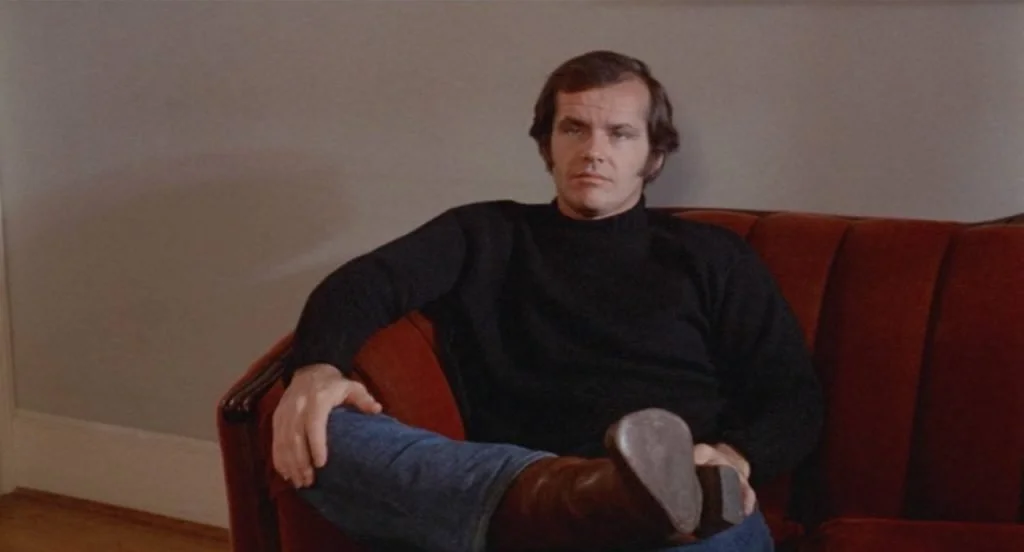
While this film certainly had its day in the sun upon release, I don’t really see people discussing it much today. Which is a shame, because it's one of the most beautiful movies I’ve ever seen. This movie centers on Robert Dupea (played by a young Jack Nicholson), a classical pianist raised by a wealthy family, who decides that the upper class isn’t for him and opts for a blue-collar life working in an oil field. However, when his father becomes ill, he and his waitress girlfriend take a road trip up to his family estate in Washington, forcing his two very different worlds to collide. Like American Graffiti, this film centers on the feeling of uncertainty that many young people felt in the 1970s. Why am I here? What do I want out of life? Who am I? If you’re looking to improve your character depth, then definitely give this script a read.
7. Annie Hall (1977) - Woody Allen
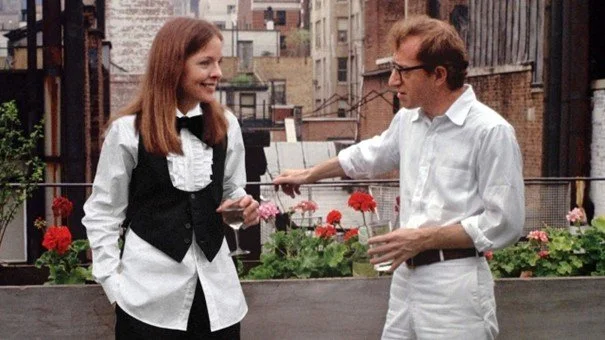
I won’t talk about Annie Hall too much here because I’m pretty sure I’ve brought it up in about three other blogs already, but it’s just so damn good. The fourth wall breaks, the lovable characters, the heartbreaking plot, the ability to switch genres and structure on a dime, the witty dialogue – there’s an endless list of wonderful qualities to praise in this script. If you’re looking for inspiration on how to break traditional screenwriting rules, you can’t go wrong with Annie Hall.
8. Star Wars (1977) - George Lucas

What can I even say here? I mean…it’s Star Wars. In my opinion, without a doubt, it is the most ambitious screenplay ever written. The world building, the characters, the plot that seemed to be inspired from every war that ever took place in human history–Star Wars is the absolute peak in science fiction fantasy. If there’s anything that an aspiring screenwriter can take away from reading this script, it’s that maybe that ridiculously crazy idea you have isn’t that bad after all. You just gotta write it and find out.
9. Rocky (1976) - Sylvester Stallone
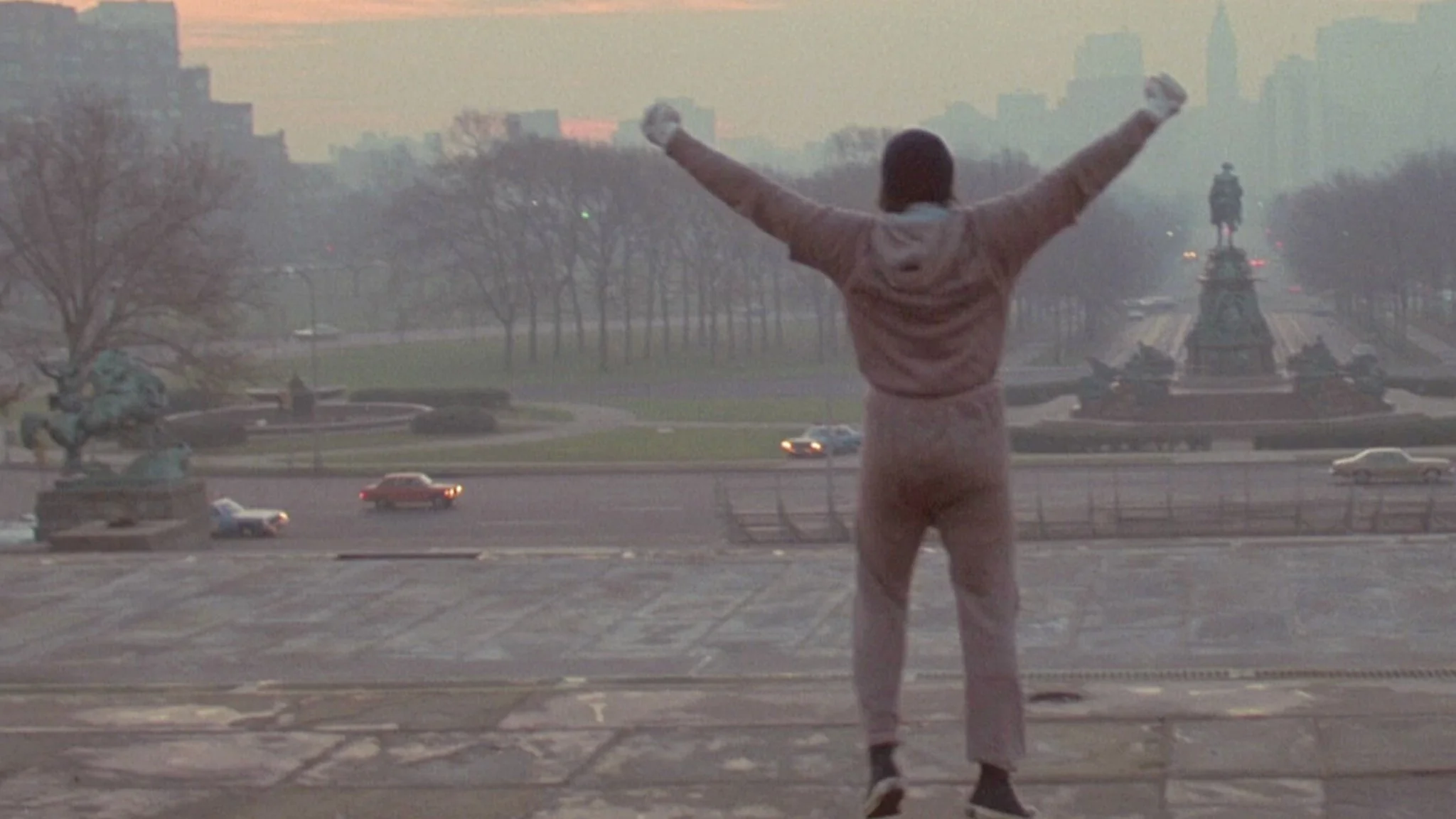
Okay, I’ll admit that the story behind the development of the Rocky screenplay makes the entire script seem better, but it’s still a pretty damn good script. It’s about passion, never giving up, and the idea that anybody can achieve their dreams, even if their back is against the wall. And when you compare these themes within the script to the actual life of Sylvester Stallone after making this film, it just goes to show that everything expressed in the movie is absolutely true. While the actual screenplay can definitely help any writer improve their character development and pacing, I think that it’s most effective as a motivational tool to inspire writers to finally sit down and get that screenplay finished. You just never know what might happen.
10. One Flew Over the Cuckoo’s Nest (1975) - Lawrence Hauben, Bo Goldman
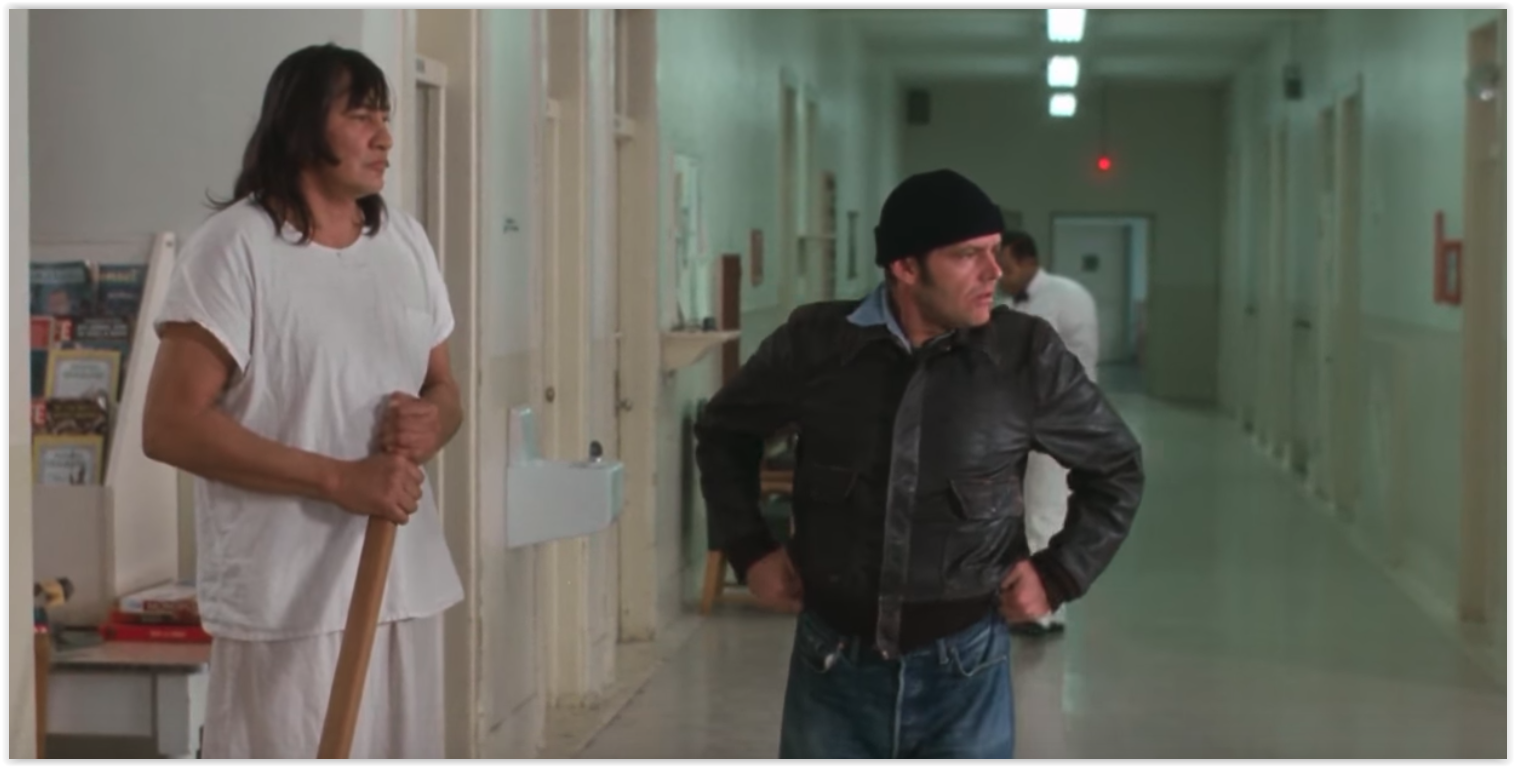
Based on Ken Kesey’s 1962 novel of the same name (my absolute favorite book of all time), this film has garnered some controversy throughout the years. Primarily coming from Kesey himself, he thought the movie was blasphemous to the source material as it completely removed Chief Bromden as the story’s narrator. However, coming from an outside perspective, it is exactly for this reason that the screenplay is so impressive. Hauben and Goldman managed to take everything important from the novel, boil it down to its most effective aspects, shift the point of view to an entirely new character, and provide us with a truly beautiful story that will haunt you for years after watching it. If you’re looking to find a way to make audiences either fall in love with or absolutely loathe your characters, then this is the script to read to help you achieve that.
CONCLUSION
Overall, the trauma inflicted upon the younger generations in the 1960s opened the door for a rebellious, new take on filmmaking in the 1970s. And as a result, we were left with some of the greatest films and screenplays coming out of this era. Which goes to show you, no matter how bad things may get in the near future (politically, economically, technologically, etc.), we may at least get some great movies out of it.