

If I were forced to boil down what makes a story great into a single sentence, I would probably say “something that communicates an important message in an interesting way”. While this is super broad and generalizing, many films somehow manage to ignore both Step 1 and Step 2. This brings me to the topic of the day: theme, AKA the entire reason why you’re telling your story. While the idea of a theme might be an elementary subject to review, many writers still find it difficult to effectively incorporate it into their screenplays. When done right, the theme not only serves as the underlying message behind a film but also helps drive the characters, provides subtext, and allows the story to connect with audiences beyond the surface level of entertainment. In this article, we’re going to take a look at what exactly a theme is, how you can determine what you want your theme to be, and how to utilize it in the best possible ways.
What Theme Is and Isn’t
To put it most simply, the theme of a story is the underlying message that the writer wants the audience to take away from their work. Art serves as a vessel for thoughts, emotions, and ideas. That’s the entire reason it exists. And by attempting to dissect the elements of the artist’s work to get to the bottom of these messages, the audience is better able to understand the artist’s intentions, and sometimes, even view a certain subject in an entirely new light.
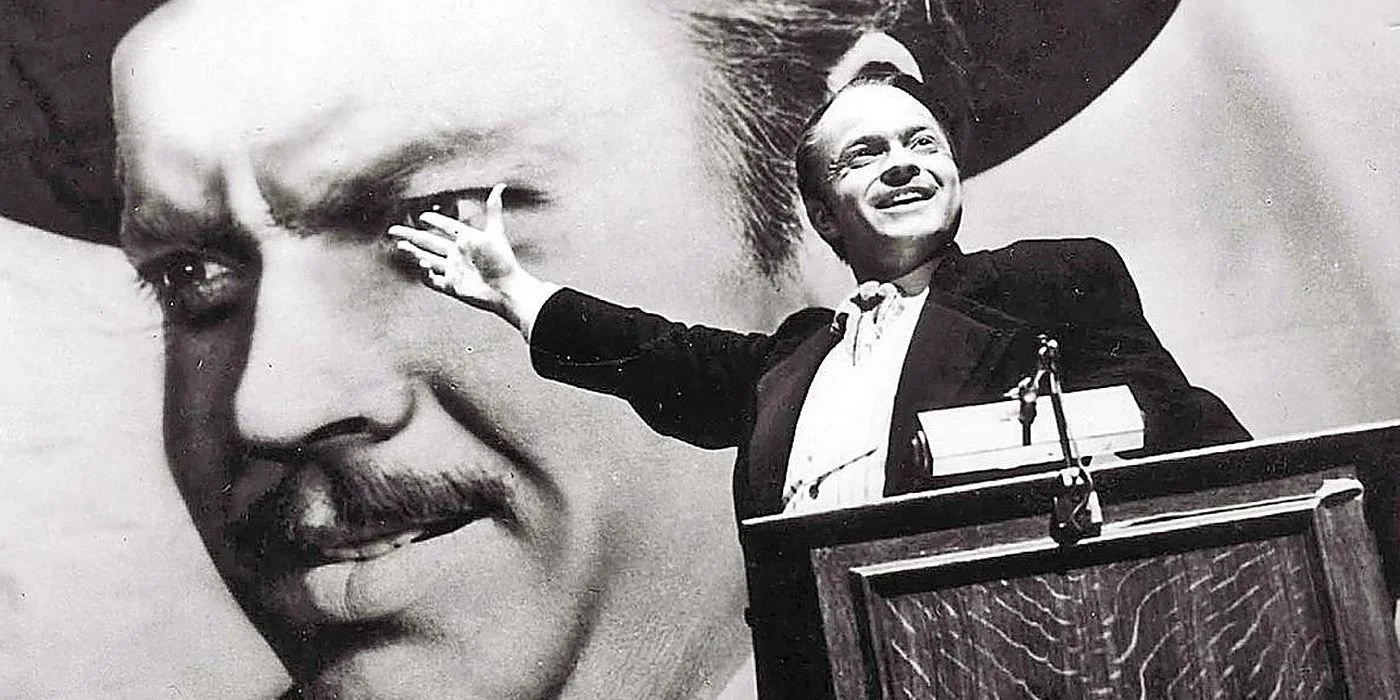
Take Citizen Kane, for example: a timeless and powerful film that flips the concept of the American dream on its head by highlighting the corrupting nature of power and wealth. The audience is able to grow up with Kane over the course of two hours and witness the seductive, evil power of his greatest desires, just for his life to end in horrible regret. Perhaps somebody in the audience was the billionaire founder of a major corporation and lost touch with reality. Perhaps they married their partner for financial gain instead of love. Perhaps they were a politician who recently took a bribe to vote a certain way. All of these people would certainly have to self-reflect after watching this film, because its message was that strong. Now, if Orson Welles simply wanted to criticize the ruling class, he could have just written a thinkpiece where he rants about millionaires for several pages. But would that have changed nearly as many people’s minds? Would that have had the cultural impact that Citizen Kane did? Would that have been consumed by the absurd number of individuals who have seen his film over the past 85 years? The answer is a very definite no, and that is the power of theme in a screenplay.
Now, the theme is not to be confused with the topics of a film, which, in essence, are usually the most basic elements of the theme. An easy way to differentiate the two is that the theme requires an entire sentence to explain, while the topics can be simplified down to one or two words. For example, if your theme is “absolute power corrupts absolutely”, one of the topics might simply be “power”. If you want your message to be conveyed strongly, then you have to have a strong message. And no strong message can be diluted down to singular words: it must be an entire, well-conceived thought. And once you have that, you’re golden.
How to Determine Your Theme

There are a number of ways to conceive of a theme for your writing, but usually, they all fall into one of two categories. Some people come up with an interesting story or character first and allow a relevant theme to arise naturally. Other people come up with the theme first and brainstorm creative ways to explore that through a story. James Cameron, for example, famously had a dream about a metal exoskeleton rising from flames, and built the entire Terminator world around that character (any major themes surrounding technological dangers and escaping one’s fate came after the fact). On the other hand, Jordan Peele, when writing Get Out, intentionally set out to write a modern horror film that served as an allegory for the horrors of American slavery.
To conclude, it really doesn’t matter whether the story or theme comes to you first, but you have to make sure that they pair well with each other and offer the audience something to take away from your project.
How Theme Guides Character Choices
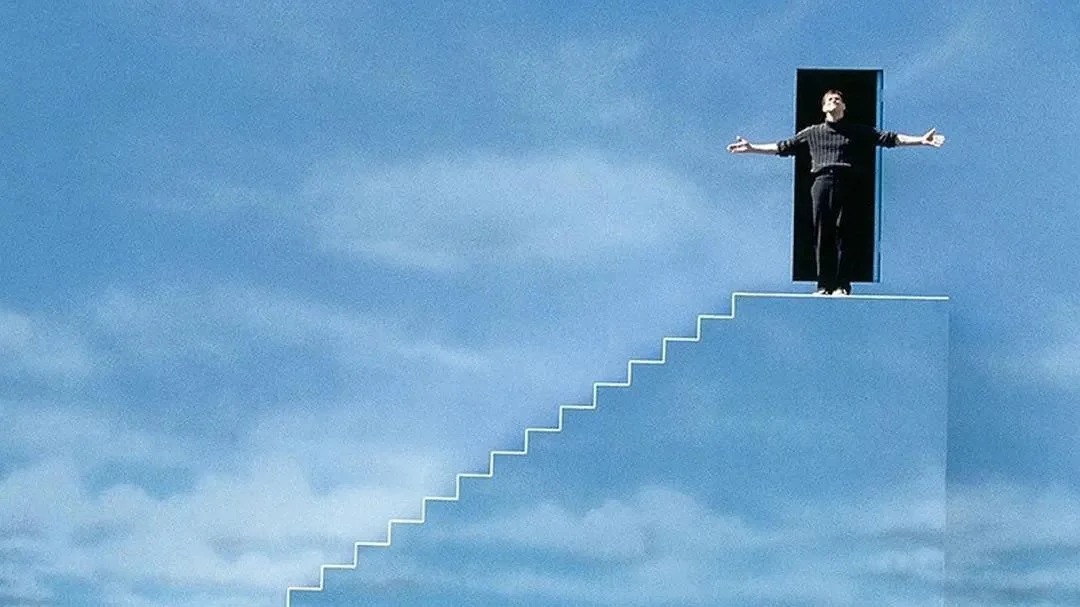
The theme is central in helping a writer guide their characters throughout the story because it provides a basis for their wants and needs. Every movie is inherently surreal because the filmmakers have to acknowledge two completely different realities: the reality of the world they’ve created, and the reality of the audience watching a film. The writer naturally wants the world they’ve created to be immersive, so unless it’s a meta comedy, the characters do not know that they are in a movie. So, as a result, the characters are unaware that there even is a theme, and are acting purely on their individual desires or wants. Meanwhile, the audience at home, watching from an outsider’s perspective, should be able to witness what’s going on in the story and come to a clear conclusion as to what the character needs, even if the character themself doesn’t. How is a writer able to effectively juggle these two concepts? Well, the answer is theme. By focusing on the theme, rather than just pure entertainment or interest, the writer is able to put their characters in interesting situations that make sense for them within their reality, while also remaining thematically relevant to the audience at home. If you were to ask yourself, “Why is my character doing what they are doing?”, there should always be two answers: because it makes sense for them, and because it makes sense for the theme. And you need to achieve both of these to have a good story. If there’s nothing thematically rich occurring in the decisions your characters make, then the audience is simply watching things happen for no apparent reason. But if you make the entire point of your character's decisions to reflect the theme, and completely ignore the reality and logic of the world you’ve created, then it eliminates all immersion, and your film will become far less entertaining.
Using Theme As a Revision Tool
Piggybacking off of my previous point, understanding your theme will also help you revise your screenplay significantly (in all aspects, not just relating to character). Every single event that occurs should somehow strengthen the message of your theme, or at least lead to something that strengthens the message of your theme. As you go through the first draft of your screenplay, you’ll probably shift gears often, thinking some scenes are awesome, thinking other ones might suck, and you’ll lose your rhythm. It’s okay, that’s what first drafts are for. But by sitting down and asking yourself, “What really is the point of this script?”, you’ll be able to cut through all of the bullshit in your second draft. You’ll notice what scenes digress, what scenes don’t need to exist, and sometimes, what scenes actually say the exact opposite of the point you’re trying to make. In essence, having a clear theme will allow you to stay focused and provide a clear guide for every revision you make to your script.
Subtle Vs. On-The-Nose Themes

This is yet another difficult task to juggle. Just because you know what your theme is doesn’t mean you’re going to execute it efficiently within your script. You need it to be subtle, but not impossible to figure out. You need it to be present, but not on-the-nose. And during the writing process, it can sometimes feel impossible to figure out which direction you’re leaning towards. I’ve written scripts where one person tells me the message too in-your-face, and then a different person says they couldn’t figure out what I was trying to say at all. One good way to navigate this problem is to avoid using ultra-common/played-out themes. These messages have been heard so many times that they become obvious to the audience right away, and as a result, make your film less interesting. Another useful tip, which is honestly heard just about everywhere during the filmmaking process, is to do the most with the least. Trust your gut and provide the minimum amount of information necessary to get your point across. You don’t want the movie to just be the theme; you want the movie to be about your characters and plot, and the theme is something the audience has to uncover for themselves along the way.
Conclusion
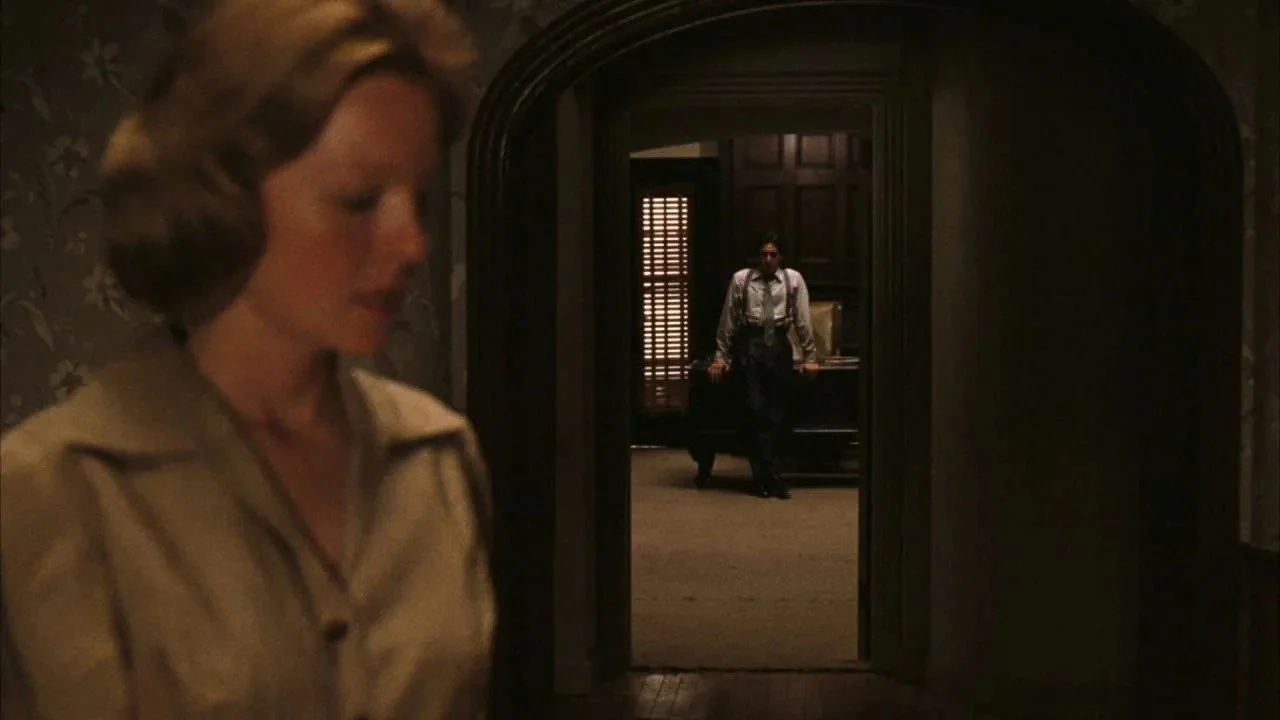
Basically, this article exists just to emphasize how important the theme really is in storytelling. Since film is a medium that contains such an abundant amount of elements to love, screenwriters often get distracted along the way. They think too much about how cool a character is, how iconic a certain scene might turn out if executed well, or what kind of music would help emphasize the tone of their scripts, and they end up getting stuck on the one storytelling element that makes these films resonate with audiences in the first place: theme.