
15 Examples Of The Best Inciting Incidents (And Why They Work So Well)
Ah, yes: the inciting incident. We all know what it is by now. I bet if you were asked to come up with a definition yourself, you’d even be able to regurgitate the exact phrasing you were taught whenever you first learned about it. No matter what definition you came up with in your head, you’re probably exactly right. And the reason for that is because the concept of an inciting incident is universally crucial to the art of writing, no matter the medium, length, or origin of a story. In fact, every single story that’s been told throughout time has one (or something pretty close to one), even if the writer didn’t consciously think about it. They tell the audience what to expect from your story, they’re what’s used to keep the audience engaged, and they help provide structure and organization to any work of storytelling. Overall, I’d say mastering the inciting incident is up there with act structure and character development in terms of skills that every writer absolutely needs to acquire. So, in this article, I’m going to dive a little bit deeper into what exactly inciting incidents are, why writers should study them, and provide some all-time great examples that any writer can learn from.
The Basics
1. What is an Inciting Incident?
As I mentioned before, any definition you’ve learned of an inciting incident is probably right, even if they vary a little. Some people like to think of it as the moment that sets the plot in motion. Others like to think of it as the incident that disrupts our character's status quo. But no matter what combination of words you like best, they’re all basically saying the same thing: it’s the event that is necessary for the rest of the story to take place. If you remove the inciting incident, then the movie, book, or whatever you’re writing just doesn’t work. Which brings me to my next point:
2. Why Do They Matter?
Inciting incidents can matter for a number of different reasons, depending on the writer’s goal for the project. If you’re writing a movie, the inciting incident tends to be the writer’s “sales pitch” to the reader. They’re saying, “Here are my characters, here’s the situation they’ve found themselves in, and now aren’t you just dying to see how it all plays out?” For authors of books, the inciting incident might be intended to be more of a writing sample of sorts. Books are a big artistic investment, especially with the attention span our society has today. So authors have a limited amount of time to show off their style and prevent the reader from deciding that this novel just isn’t for them. Universally, though, the inciting incident matters for one reason more than anything: it exists to provide context. Context for why the characters are doing what they’re doing, context for why the writer has decided to focus more on certain moments than others, and context for why the story is unfolding in the way that it is. Without this context, the story would have less structure, less value to certain scenes, and less investment from the audience as a whole.
3. Where Do They Belong in a Story?
Where the inciting incident goes depends entirely on what the writer is trying to achieve. Most of the time, it’s somewhere at the beginning of a story (which is pretty much universally agreed to be the best place to put it). Unless you’re already a well-respected working writer whose name carries some weight, you’re probably just trying to get people to read what you write. Because of this, most scripts tend to have their inciting incident somewhere in the first 15 pages or so. The writer can’t afford to stretch out the introduction too long, at risk of the reader losing interest and setting the script down. However, there are exceptions, of course. In many “character study” scripts where the people in the story are more important than the story itself (think Rocky), the writer may spend upwards of the entire first act focusing on the protagonist rather than where the story’s heading. If you have a character interesting enough to keep the audience engaged for a longer period of time, then this route may work for you (but it should be noted that this is the exception, not the rule). Books, on the other hand, tend to be a little more fluid in their structure, so it’s difficult to say where the inciting incident should occur. I’ve read books where the inciting incident happens in the first chapter, first page, or even the very first sentence. But if you look back at some of the most celebrated and read books in literature’s history, the inciting incident doesn’t happen until at least a quarter into the book, such as The Great Gatsby, Moby Dick, or hell, even The New Testament if you’re a Christian (Jesus doesn’t show up for a while, man). So once again, it’s hard to give an exact ideal location. I’d say the best rule of thumb is to put the inciting incident as soon as possible. If you can get it in right off the bat, then do that. But if you think your story requires a little bit more build-up, then wait a little bit. The main thing is that you don’t include a bunch of unnecessary fat beforehand.
4. How Do You Write One Effectively?
An inciting incident is effective as long as it grabs the audience and steers the story in the direction you want it to. The first part is difficult to teach; it more or less just depends on the writer’s style. You want it to be interesting, unique, and set your characters up for any number of possible scenarios to get wrapped up in. Basically, you just want the audience to think, “Damn, what is possibly going to happen now?” Which leads me to the second point. You MUST allow the inciting incident to be the first big step into the rest of your movie. Everything that comes after that must in some way relate back to that moment. If you think in terms of cause and effect, the “cause” is the inciting incident, and the “effect” is everything that comes later. This naturally puts a lot of weight on the inciting incident, but that’s the point. You just have to come up with something strong enough to hold up the rest of your story.
The 15 Best Examples (In No Particular Order)
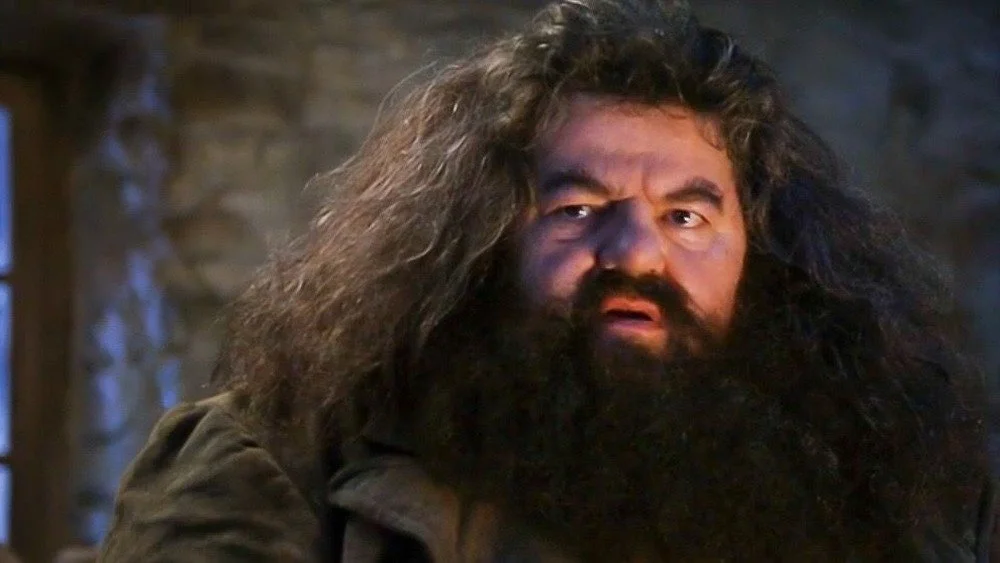
1.Harry Potter and the Sorcerer’s Stone, Book/Film, 1997/2001
Inciting Incident: When Hagrid arrives to tell Harry Potter that he’s a wizard and has been accepted into Hogwarts.
Why it Works: Up until Hagrid’s arrival, Harry lived a lonely life of quiet shame. An orphan forced to live with his horrible aunt, uncle, and cousin, the audience felt nothing but empathy for the child. With the sudden arrival of letters from Hogwarts, the audience began to feel a sense of hope that something magical would happen that would deliver Harry from this horrible existence. Then, when Hagrid finally arrives, the audience is practically begging Harry to accept the offer. This ended up being the turning point in this story, opening the door for six more critically acclaimed books of adventures and a major motion picture franchise that changed pop culture forever.
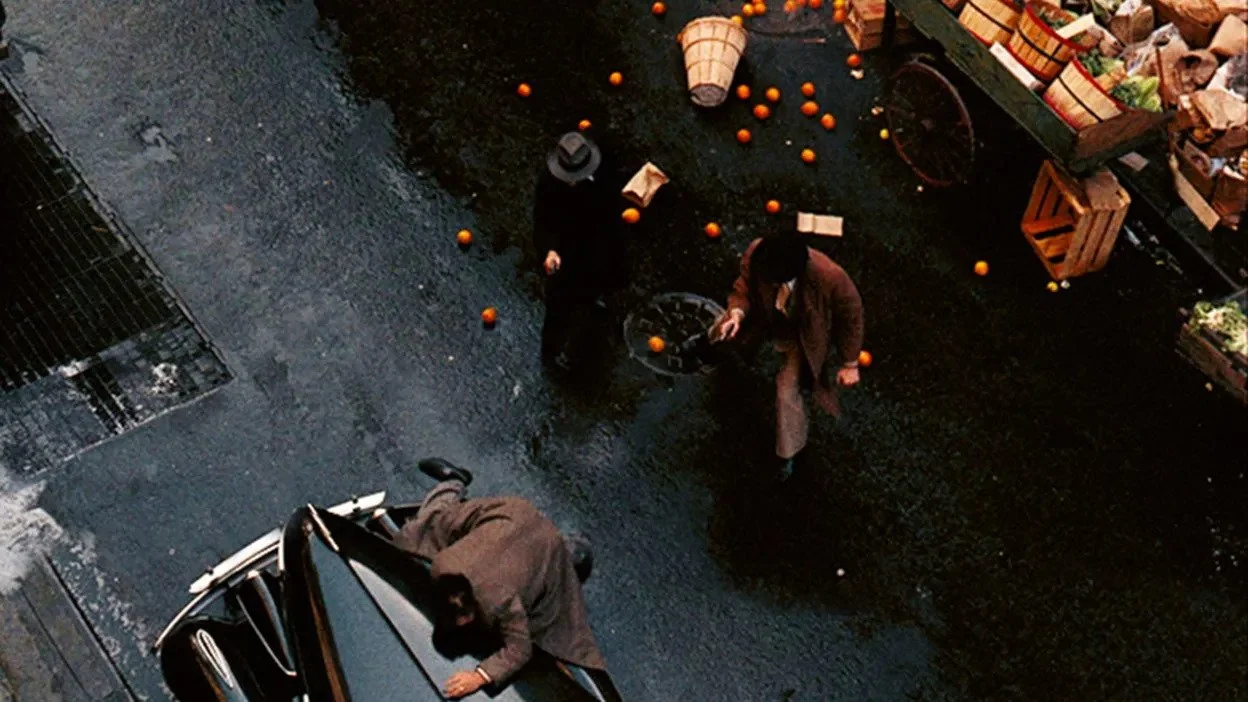
2. The Godfather, Film, 1972
Inciting Incident: The shooting of Don Corleone.
Why it Works: When Don Corleone declines the Solozzo family’s offer to partner with them in the heroin business, Solozzo attempts to assinate Don Corleone, putting him in the hospital. This drastic escalation and betrayal are what finally rope the innocent Michael Corleone into the family business, marking the first step towards one of the most notorious character developments in film history.
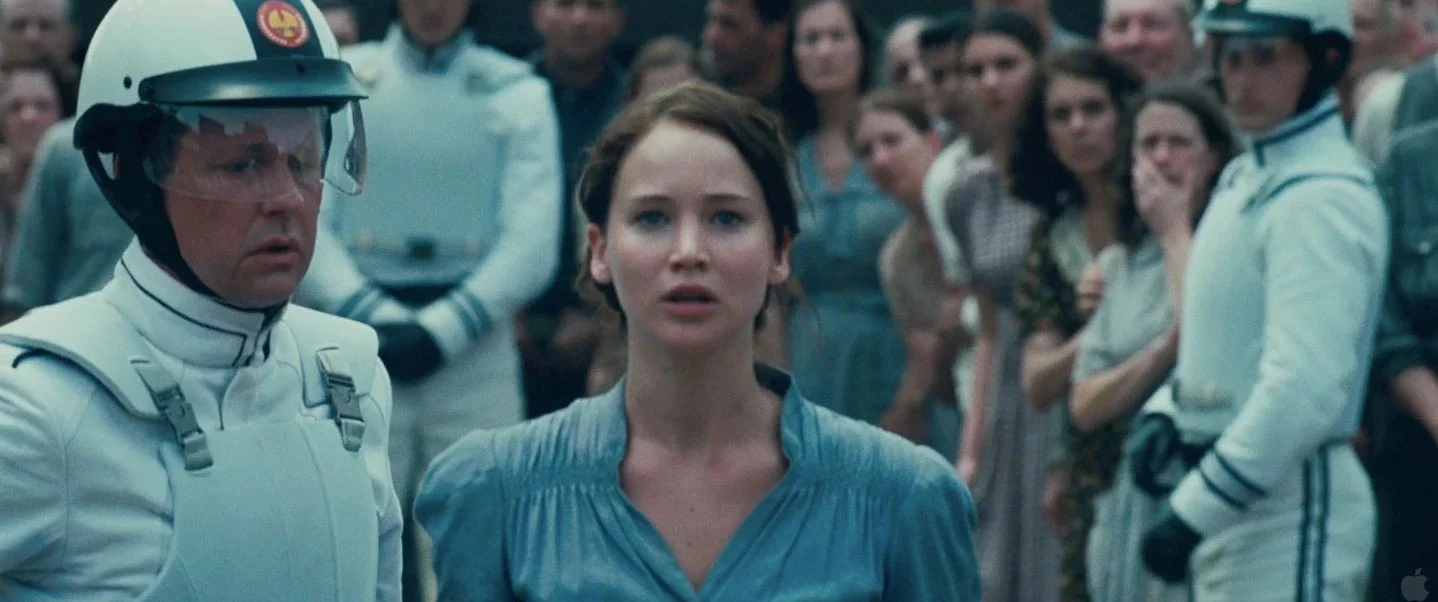
3. The Hunger Games, Book/Film, 2008/2012
Inciting Incident: When Prim’s name gets drawn for the Hunger Games.
Why it Works: When Katniss’s little sister gets chosen to compete in the annual Hunger Games competition (a fight to the death where only one person wins), it forces her to offer to compete in her sister’s place. Eventually, Katniss ends up becoming the most important person to play the games, allowing this single decision to significantly alter the course of this fictional world’s entire history.
4. Parasite, Film, 2019
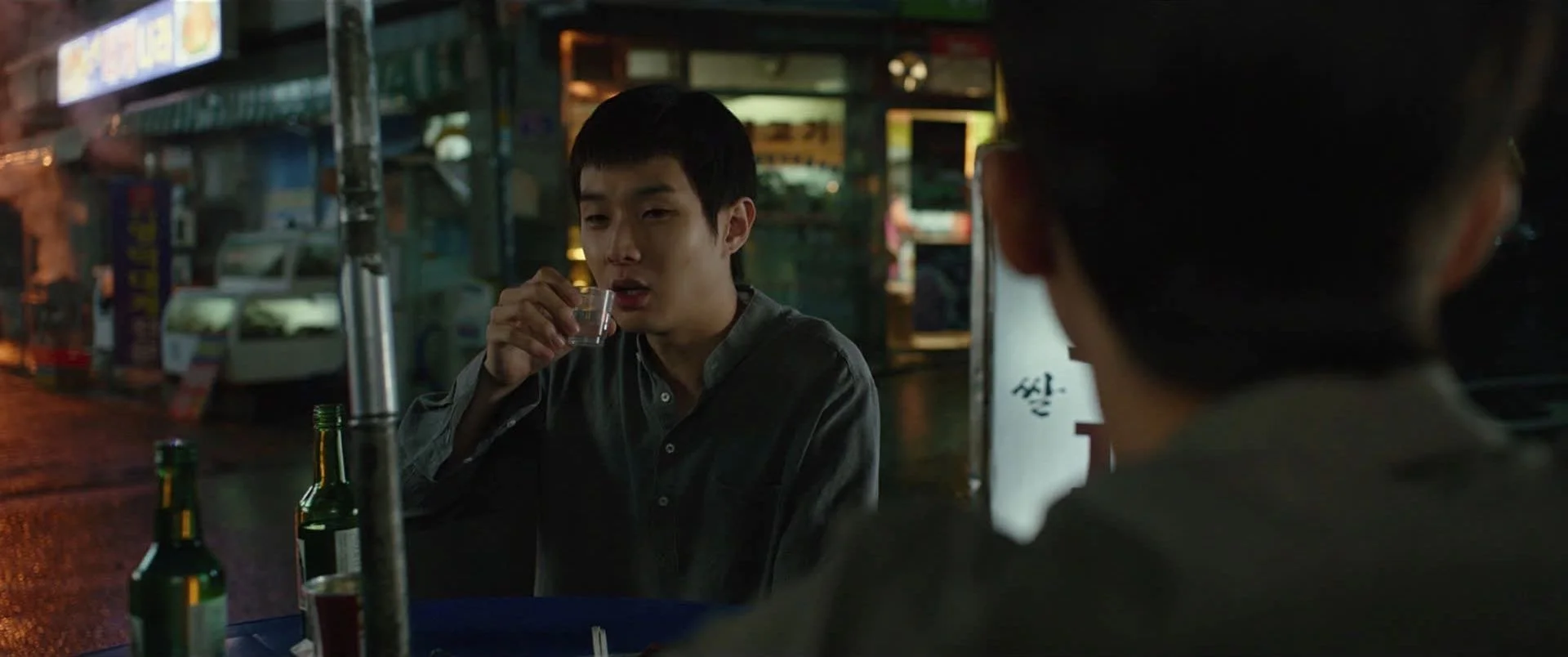
Inciting Incident: When Ki-woo gets the tutoring job.
Why it Works: When the impoverished Ki-woo falls into the amazing opportunity to tutor the daughter of a wealthy family, it kicks off a major scheme to get his entire family employed that eventually turns deadly. The reason this moment works so well is that the audience truly can’t predict what could possibly go wrong from such a simple decision. Excellently executed throughout the rest of the film, this singular moment highlights just how quickly money can corrupt anybody under the right circumstances and highlights how far removed the working class is from the elite in many capitalist societies.
5. Titanic, Film, 1997
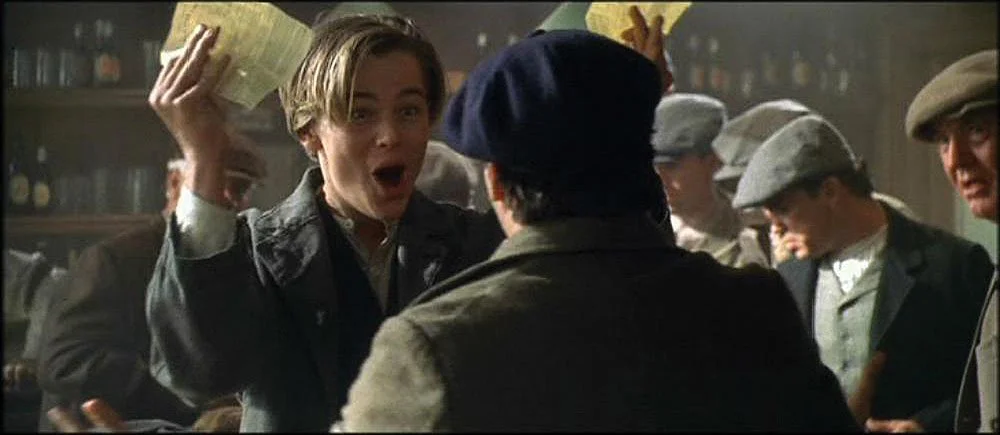
Inciting Incident: When Jack wins the ticket aboard the Titanic.
Why it Works: The reason this inciting incident works so well is primarily due to one piece of dramatic irony: the audience’s historical knowledge of the doomed Titanic voyage. Everybody watching already knows the Titanic’s fate, so instead of making the inciting incident the ship taking off, James Cameron made the brilliant decision to center it around a likable, undeserving protagonist. When Jack wins the ticket, he feels like the king of the world, but the audience can’t help but hold their breath. Immediately, we’re invested in something beyond the ship itself.
6. Breaking Bad, Television, 2008
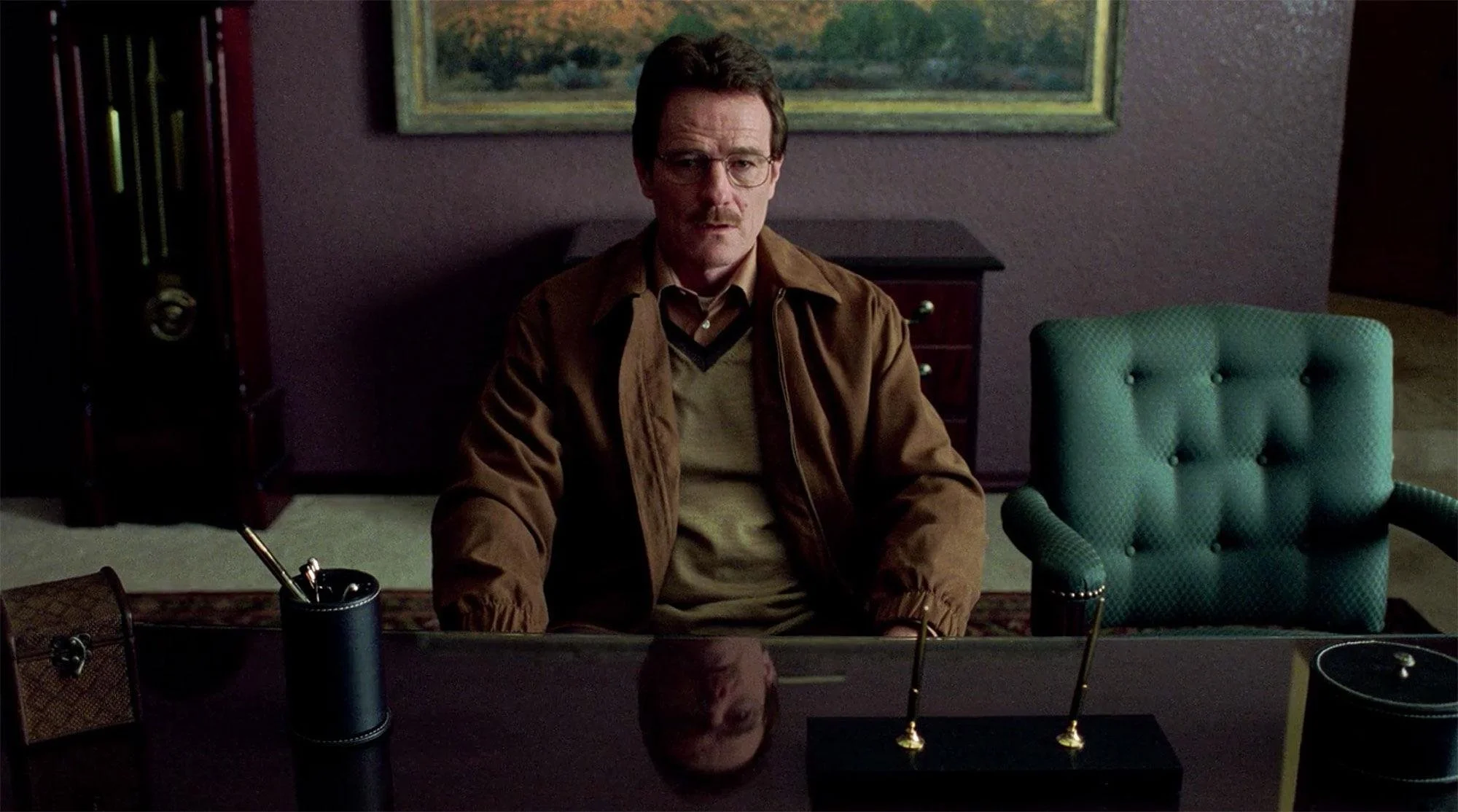
Inciting Incident: When Walter White gets diagnosed with cancer.
Why it Works: Similar to the previously mentioned inciting incident in The Godfather, Walt’s cancer diagnosis kicks off one of the most celebrated character developments in entertainment history. It highlights the desperation that comes with financial issues in America and shows how quickly corruption can escalate things beyond our characters’ control. When you go through the entire timeline of the show, with Walt going from timid schoolteacher to the biggest drug lord since Pablo Escobar, it can all be traced back to this one scene in the very first episode.
7. Jurassic Park, Film, 1993
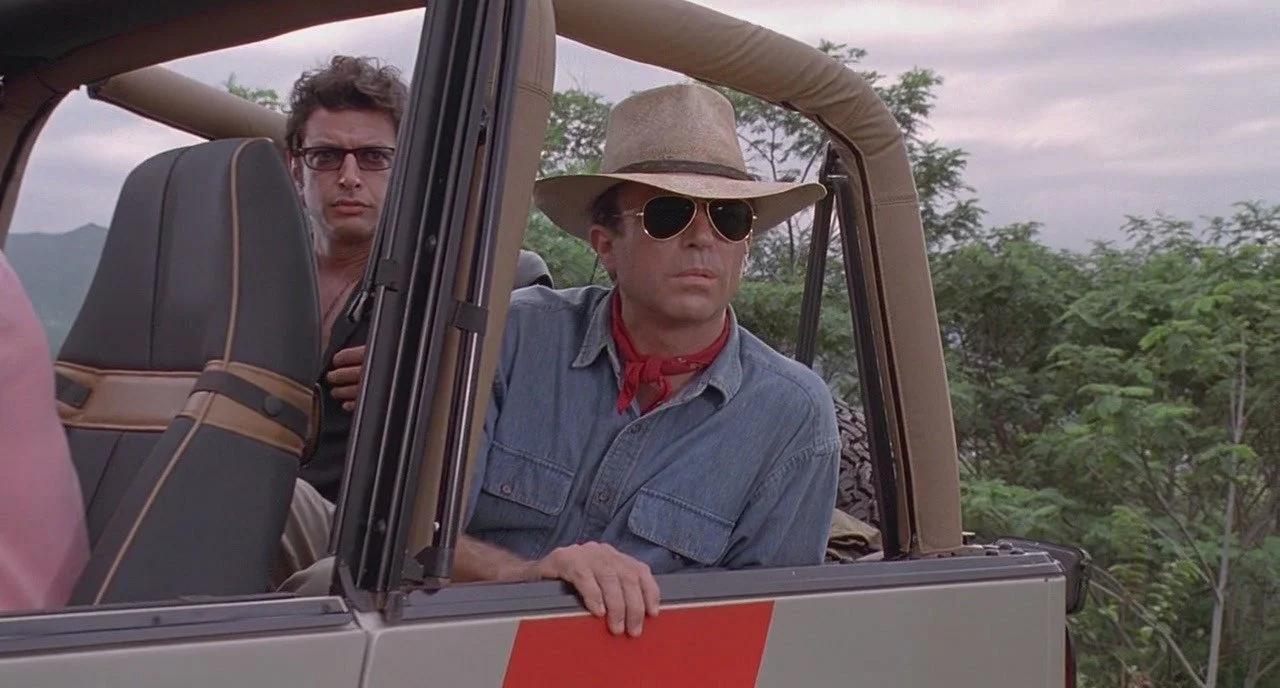
Inciting Incident: When the park guests see the dinosaurs for the very first time.
Why it Works: This inciting incident works on multiple levels. From a writing perspective, it acts as a wake-up call to what is possible throughout the rest of the film. When that Brontosaurus approaches the Jeeps and the characters all stare up at it in awe, they realize this park is the real deal. The scientists have actually done the impossible and brought dinosaurs back to life. By showing the largest species of herbivore first, the writers are telling the audience that yes, this place is magical, but you’re also looking at the best-case scenario. What can go right can also go wrong. Spielberg also managed to capitalize on this inciting incident from a filmmaking perspective, as well. Remember, special effects of this caliber had never been achieved before. So everything the characters are feeling in regards to the scientific achievements on the island is also being felt by the audience at home. Once again, we have an intense mix of magic and dread, and it all begins at this moment.

8. The Big Lebowski, Film, 1997
Inciting Incident: The criminals peeing on the Dude’s rug, mistaking him for the millionaire, Jeff Lebowski.
Why it Works: This inciting incident is by far my favorite introduction into a comedic film. Such a simple act of mistaken identity takes our slacker, loser protagonist down an intense rabbit hole where he’s forced to be the hero, all because he’s trying to replace the rug that the criminals peed on in the beginning. It’s silly, it’s dumb, it’s brilliant, and it opens us up to one of the funniest films of all time.
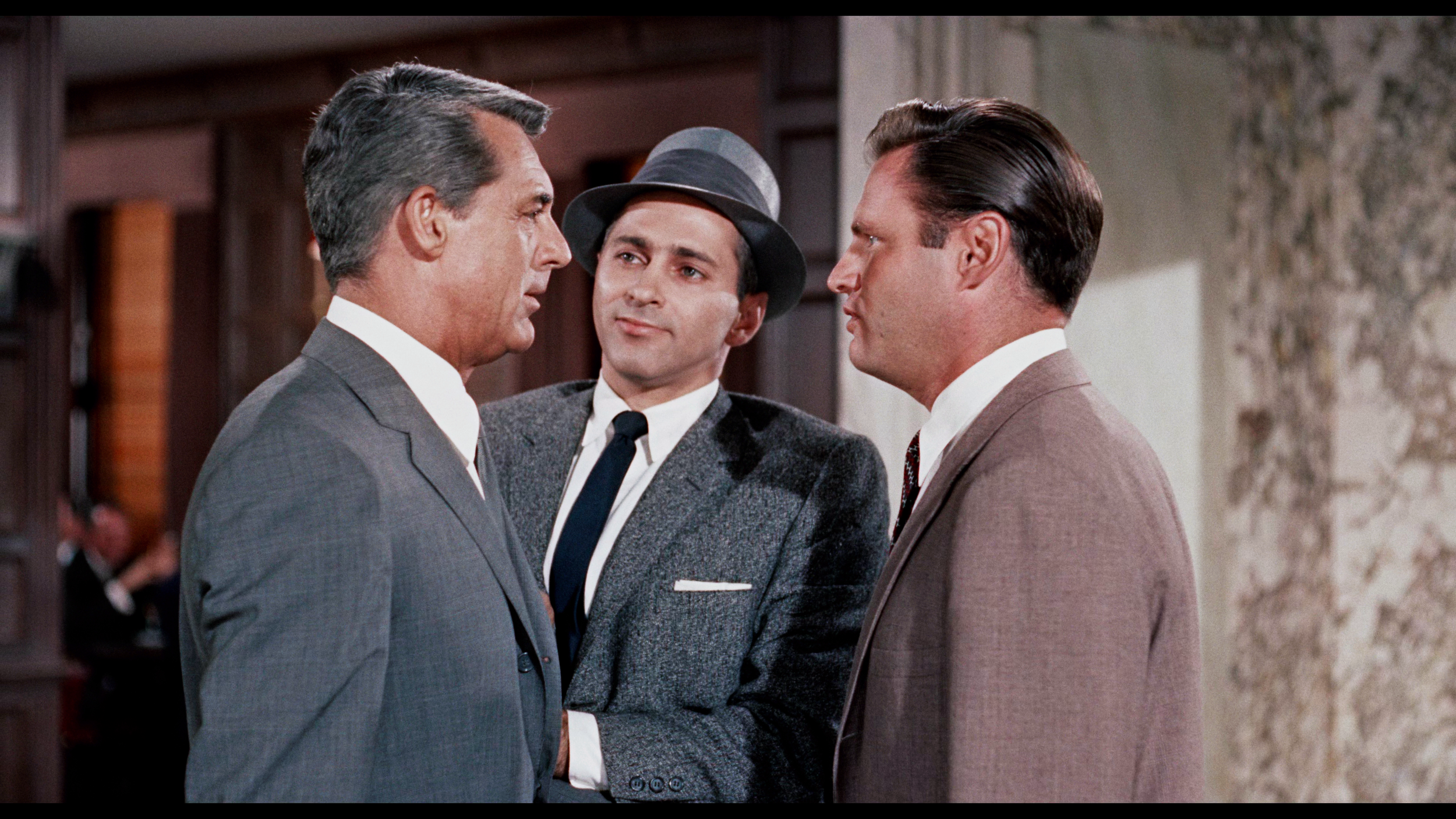
9. North by Northwest, Film, 1959
Inciting Incident: When Roger Thornhill raises his hand for the waiter at a restaurant at the same time a call comes in for another person.
Why it Works: Like The Big Lebowski, this inciting incident is also a hilarious act of mistaken identity. When our protagonist raises his hand at the wrong moment in a restaurant, it gets him implicated in an intense government conspiracy that forces him on a cross-country trip in an attempt to clear his name. Hitchcock’s ability to create such an intricate, interesting plot from such a mundane moment is masterful, and this film has become a classic for that exact reason.
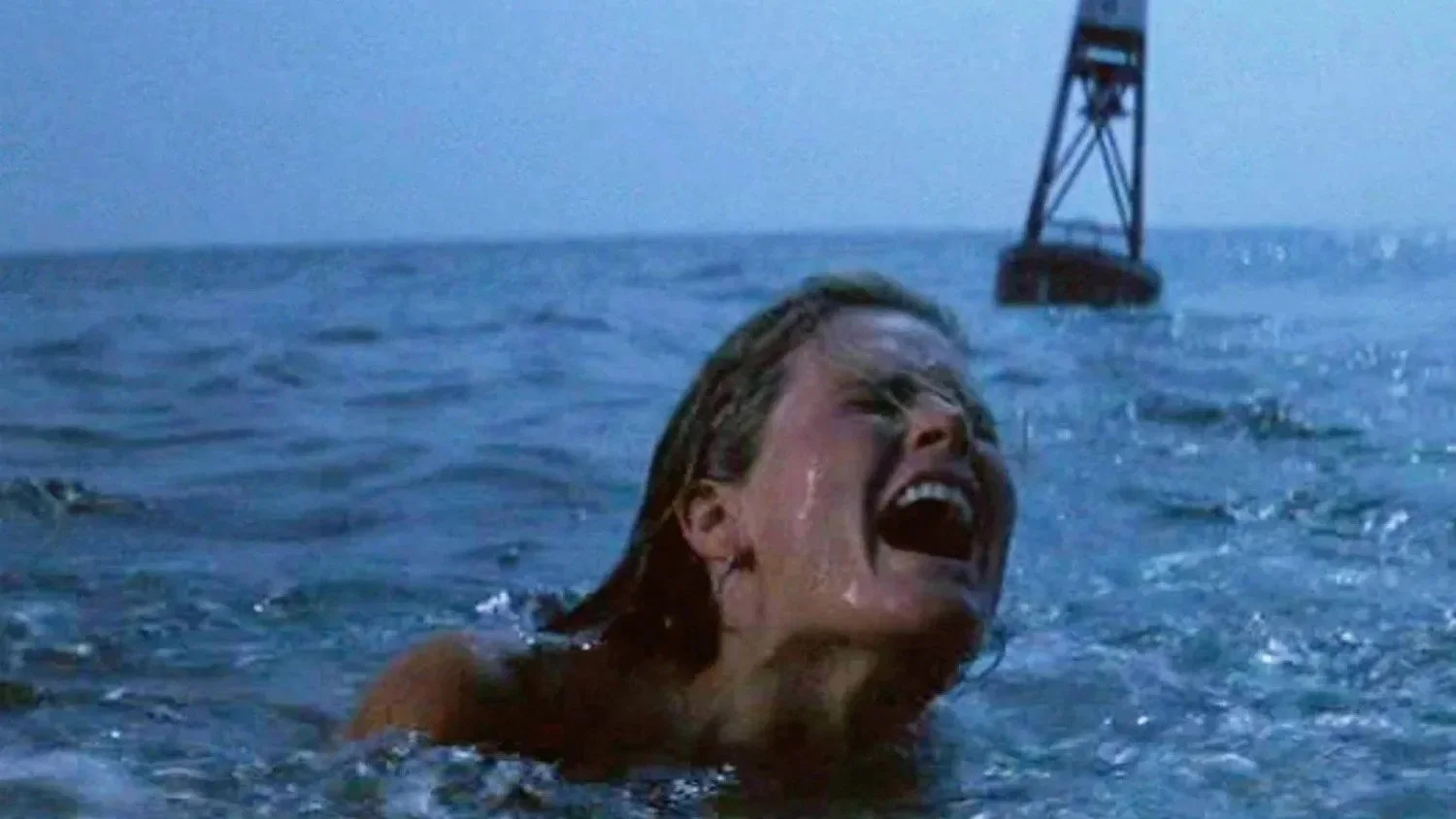
10. Jaws, Film, 1975
Inciting Incident: The shark attack in the opening scene.
Why it Works: That first shark attack, as horrifying as it is, showed how a single crisis could throw a quiet beach town into complete disarray. Right off the bat, the audience is terrified and intrigued. This one moment instigated a chain of desperation, fear, and neglect from the local government that allows for the rest of the film’s events to take place.
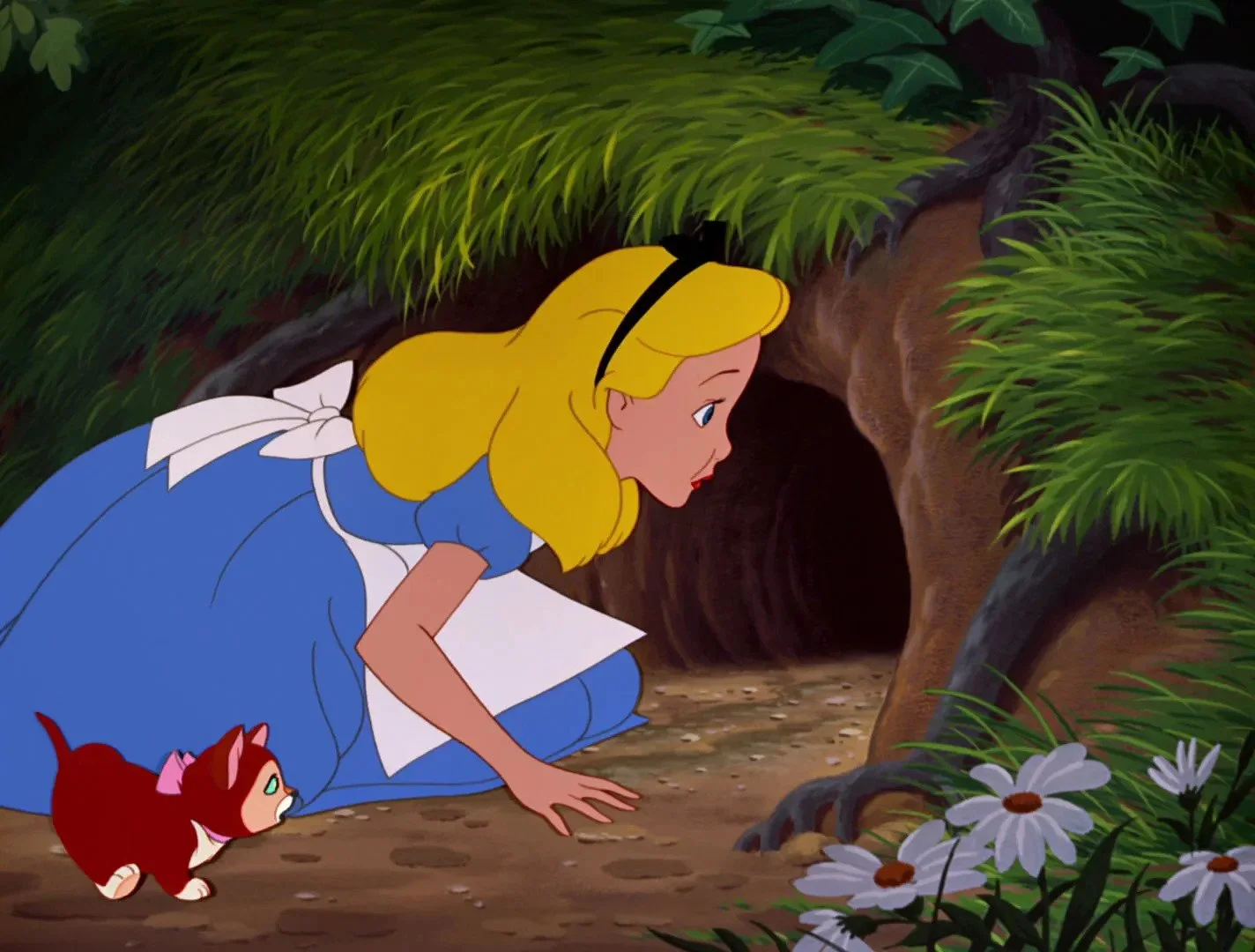
11. Alice in Wonderland, Book/Film, 1865/1951
Inciting Incident: Alice following the White Rabbit down the hole.
Why it Works: When Alice sees the White Rabbit wearing human clothes and checking a pocketwatch, it immediately contradicts the banality of her normal life. At this moment, she’s desperately seeking something new. The appearance of the rabbit gives both her and the audience a small taste of something magical, and when Alice sees the rabbit, she has a decision to make: does she remain above ground and continue to live her ordinary life? Or does she follow him, opening up an infinite number of wonderful possibilities? When this happens, the audience is already begging her to go down. They want that magic just as much as she does. And when Alice finally gives it, what follows are some of the most famous events in fiction’s history. This moment has become so significant in storywriting that it eventually began to be taught as the “follow the white rabbit” moment, a technique that refers to a protagonist’s decision to act upon their curiosity, even if it means sacrificing their life as they know it.
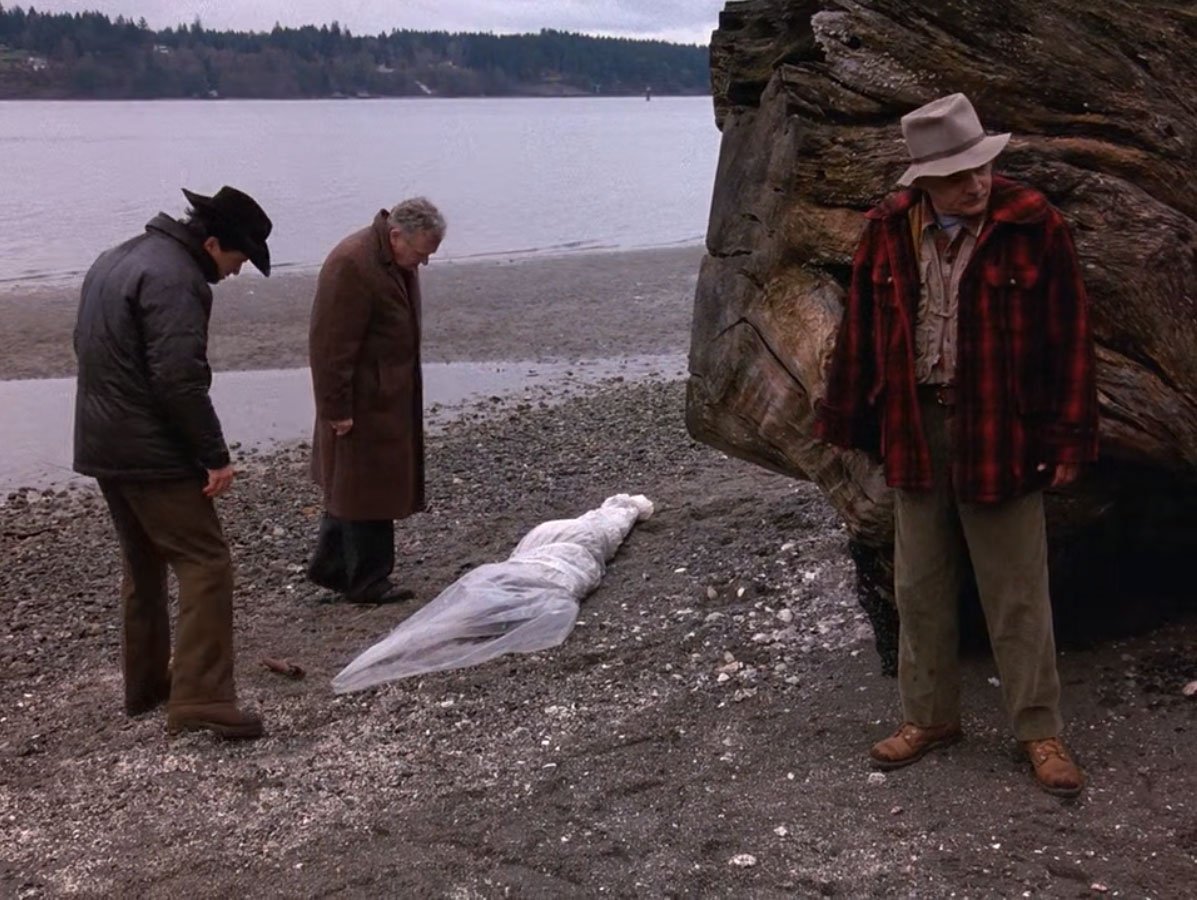
12. Twin Peaks, Television, 1990
Inciting Incident: The discovery of Laura Palmer’s body.
Why it Works: Similar to the inciting incident in Jaws, the discovery of Laura Palmer’s death is the very beginning of a much larger reveal that the town of Twin Peaks is not so simple and calm after all. Because of this one event, we begin to learn about the darkness that underlies every single character in the show, opening the door to a sinister, supernatural world that nobody would expect from the outside looking in.
13. The Lord of the Rings: The Fellowship of the Ring, Book/Film, 1954/2001
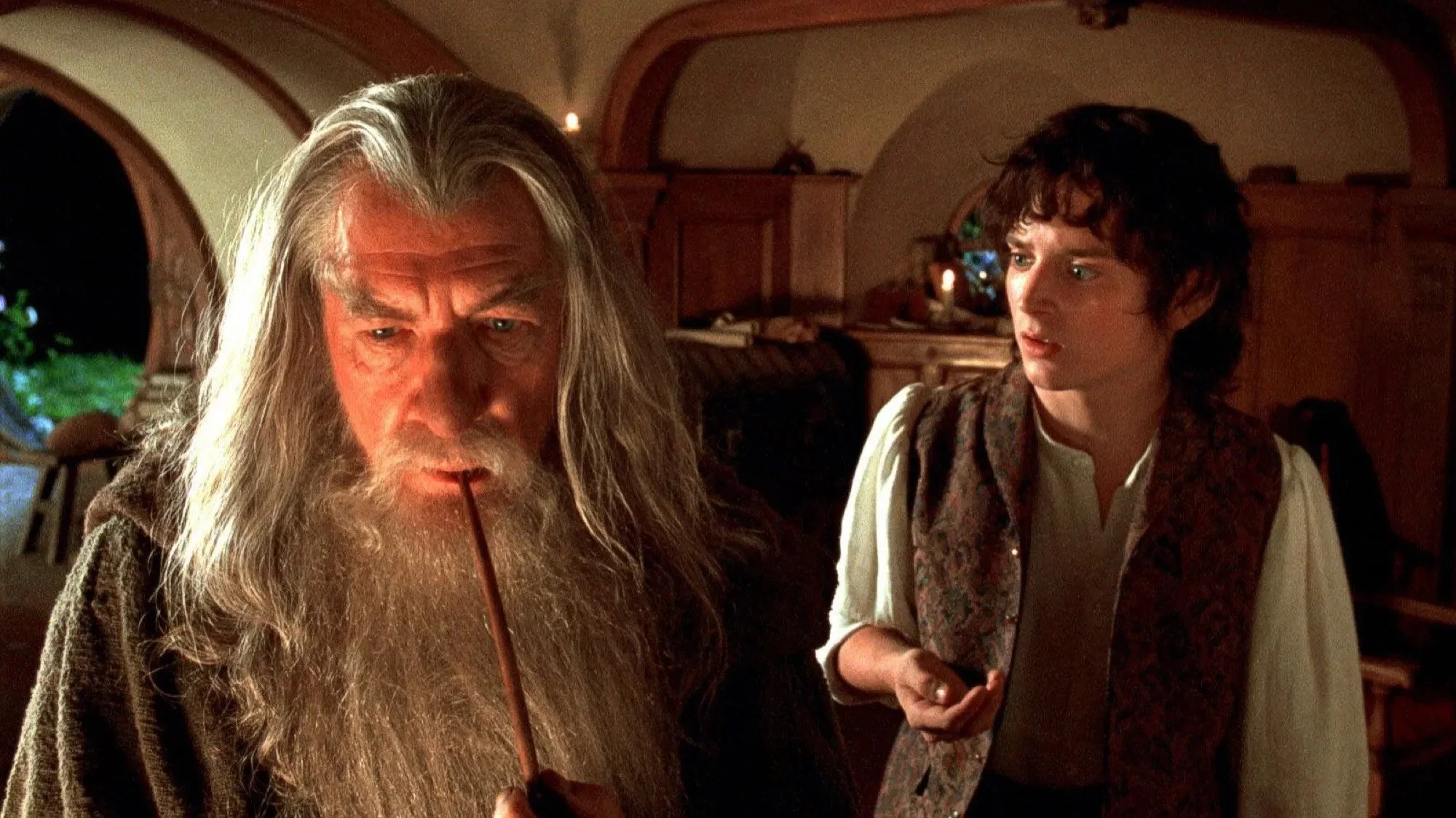
Inciting Incident: Frodo being given the Ring by his uncle.
Why it Works: When Frodo learns that the ring left to him from his uncle is actually the all-powerful One Ring, sought desperately by the evil Sauron, Frodo must embark on a journey to destroy it once and for all. This famous case of the “call to adventure” is what allows the Lord of the Rings universe to reveal itself, opening the door for an endless string of exciting characters, adventures, and conflicts that have gone on to cement themselves at the top of fiction’s history.
14. Oldboy, Film, 2003
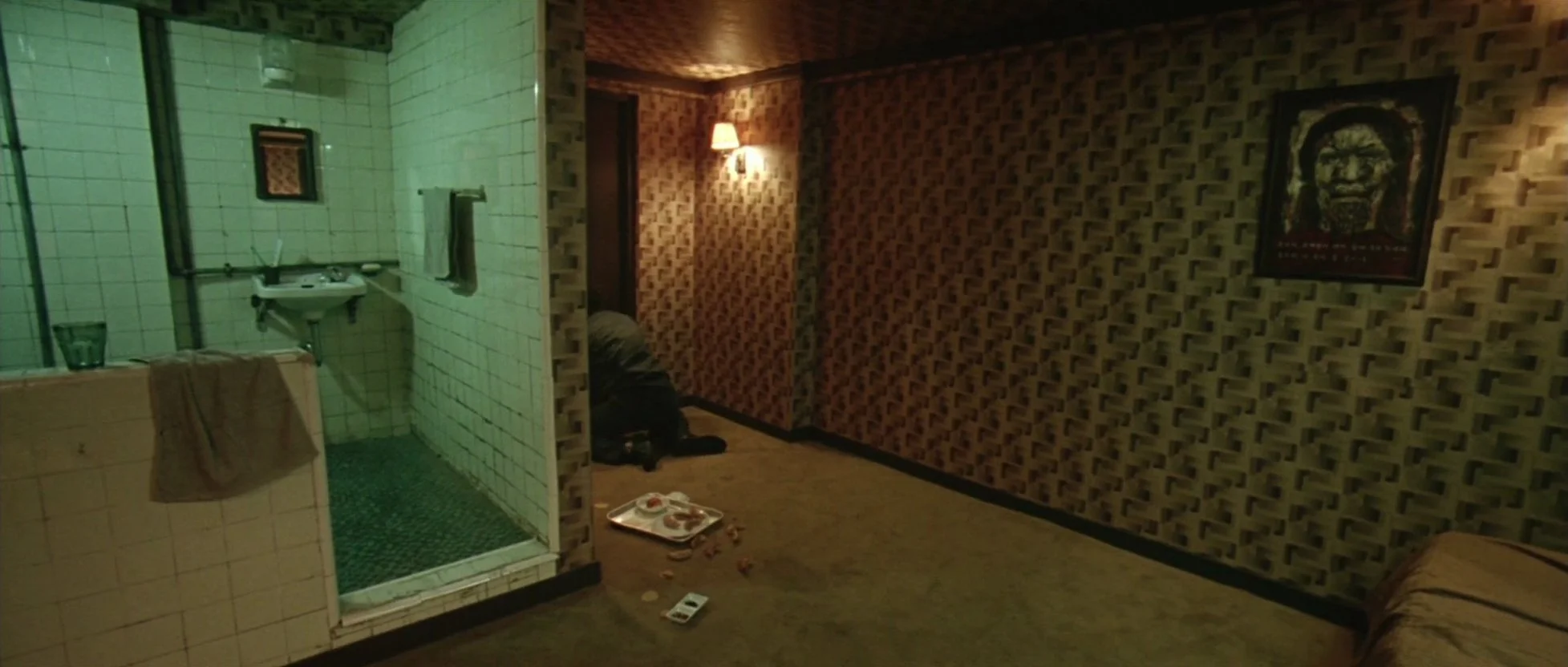
Inciting Incident: Oh Dae-su getting abducted off the street and locked in a cell.
Why it Works: This inciting incident works primarily due to the mystery behind it and the terrifying reality of the situation our protagonist has been thrown into. When Oh Dae-sut is kidnapped and locked in a motel room-style prison cell for years, for apparently no reason, it leaves the audience with immense claustrophobia and terror. Who would possibly do something like this? Why are they doing it to him? Will he ever get out? And even if he does, then what? It’s one of the most hooking inciting incidents I’ve ever seen, and the eventual reveal is just as great.
15. Star Wars: A New Hope, Film, 1977
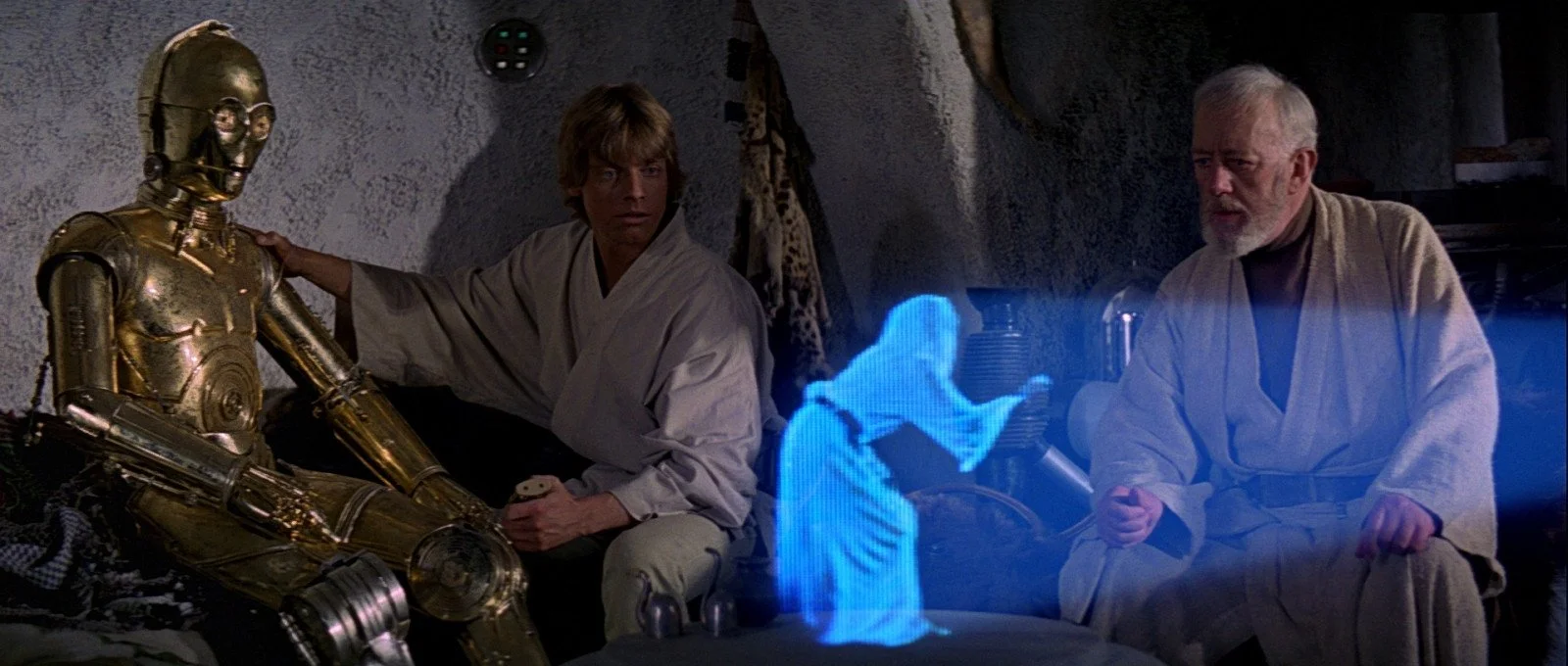
Inciting Incident: When Luke discovers Princess Leia’s secret message inside R2D2.
Why it Works: Once again, this is another classic case of the “call to adventure”. When Luke receives this message, it provides him with the opportunity to explore this new world and leave his mundane life as a farmer behind him. When he does, he discovers that he’s more important than he ever realized, allowing the audience to explore Lucas’s universe deeper and be at the forefront of the most important events in its timeline’s history.
Key Takeaways
If you analyze all of these inciting incidents, you’ll notice that they have a lot in common. First of all, they’re all centered around the idea of hooking the audience and effectively teasing future possibilities. As I mentioned before, these moments are a sample of what our protagonists and audiences can expect from the rest of the story. The writer is saying to the audience, “Here is my world, would you like to see more of it?” And if they’re good, we will.
Secondly, all the inciting incidents themselves are uncontrollable. They are an outside source that affects the protagonist’s status quo, and then it’s up to the protagonist to act further. That’s what makes them so interesting and allows for immediate investment in the characters.
Lastly, the motivations behind our protagonist's reaction to the inciting incident are clear. Even if the audience doesn’t know what’s going to happen next, they need to know why the inciting incident is important. The stakes must be introduced right away. In the case of a movie like Jaws, this is obvious. A shark attack is bad, and therefore, decisions will be made as a result. But in the case of Jurassic Park or Parasite, the stakes are a little more implicit. In Jurassic Park, there’s no clear and present danger at the moment of the brontosaurus reveal, but the audience already knows that a velociraptor killed someone earlier. So when they see the brontosaurus presented in a marvelous and happy light, their mind immediately wanders to the worst possibilities. Same with Parasite. There’s no reason to think that our protagonist getting a new job would turn into such a disaster, but we do know that he and his family are ridiculously desperate. And it’s because this desperation is so evident that the audience becomes fearful.
There are many other similarities, of course, but these three keys are the most important by far. So whenever you’re developing your inciting incident, make sure to refer back here to make sure it checks these boxes. Your story will thank you.
Conclusion
In conclusion, there’s no perfect recipe for writing the ultimate inciting incident, but there are a few key ingredients. Where they’re placed and how they’re used vary from writer to writer, but no matter what, every writer is trying to ultimately achieve the same goal. So if you’re looking to improve your catalysts, make sure to constantly be analyzing your favorite stories, see what they have in common, and find some motivation in how to improve the inciting incidents within your own writing. Remember, you only make one first impression, so make it count. Happy writing.