
21 Jump Street – A Reboot With Heart
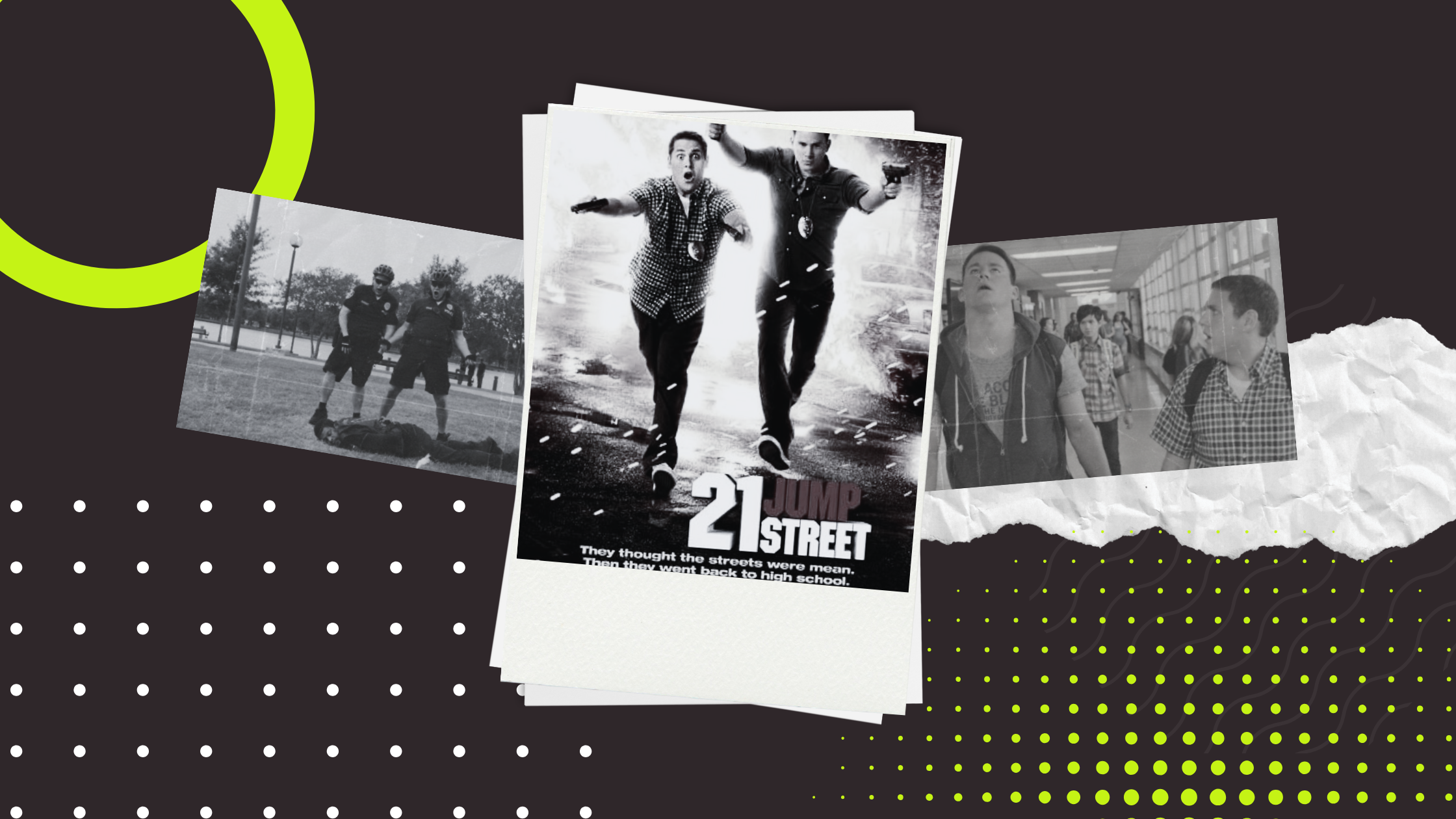
We’re about to enter Oscar-bait season, and I mean that without a shred of cynicism. It’s genuinely one of my favorite times of year: a flood of top-tier films released in quick succession, each vying to be the freshest thing in voters’ minds. Expect plenty of ambiguous endings, transformative performances (ready crying and snotting), and bold, experimental craft in categories that won’t even make the broadcast. But it’s often dour.
This time of year, I always like to revisit some lighthearted films as a palette cleanser, before the gutwrenching dramas kick in. 21 Jump Street has been on my rewatch list since I recently wrote a blog post on Best High School screenplays, and I wish I’d got to this in time to include it.
“A Bad Boys movie directed by John Hughes” is how Jonah Hill described the reboot back in 2009 – and that’s a killer way to get butts in seats. In an era where everything gets rebooted, it’s worth looking at how Michael Bacall took a once-popular, now kinda-irrelevant ’80s drama and reinvented it as a raunchy buddy-cop comedy for 21st-century audiences, putting it up there with Mission: Impossible in terms of successful, franchise-spawning-reimaginings.
Opening Image
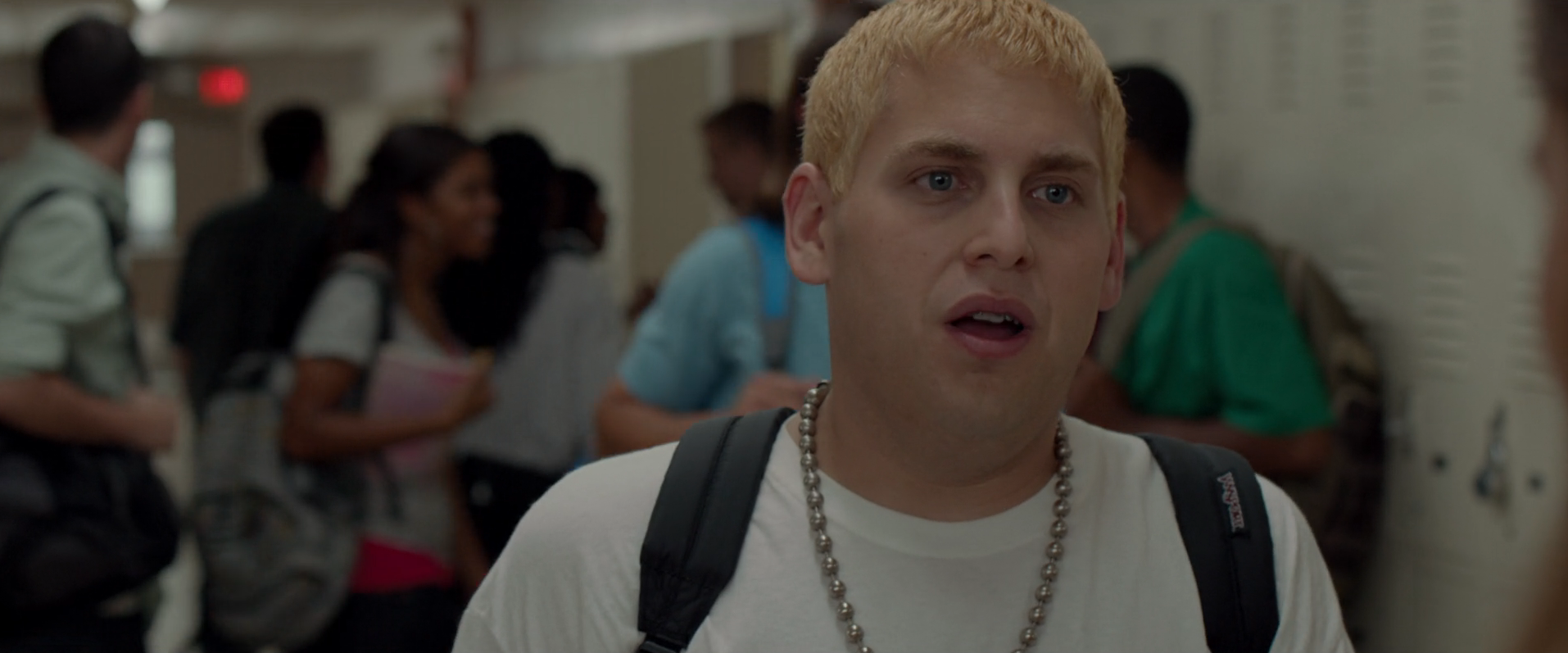
2007. A typical high school braces for prom. Speaking of braces, Schmidt, a full-blown nerd, completely blows his attempt to ask popular girl Melodie to accompany him. Enter Jenko, a jock who mercilessly mocks Schmidt – only to learn he’s barred from prom for failing his classes. Outside the school, the two lock eyes: wounded at opposite ends of the social ladder.
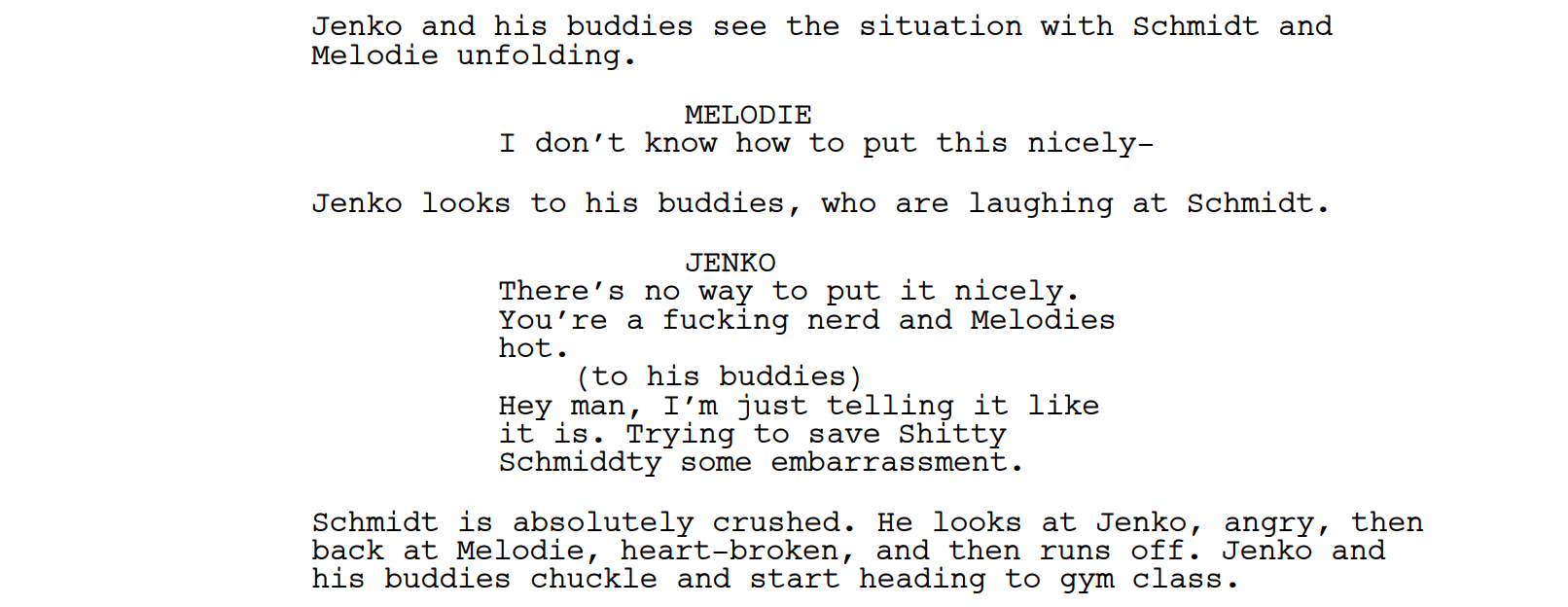
This is a snapshot of a school life. It establishes familiar tropes with ease, setting the table and preparing to flip it.
Set Up
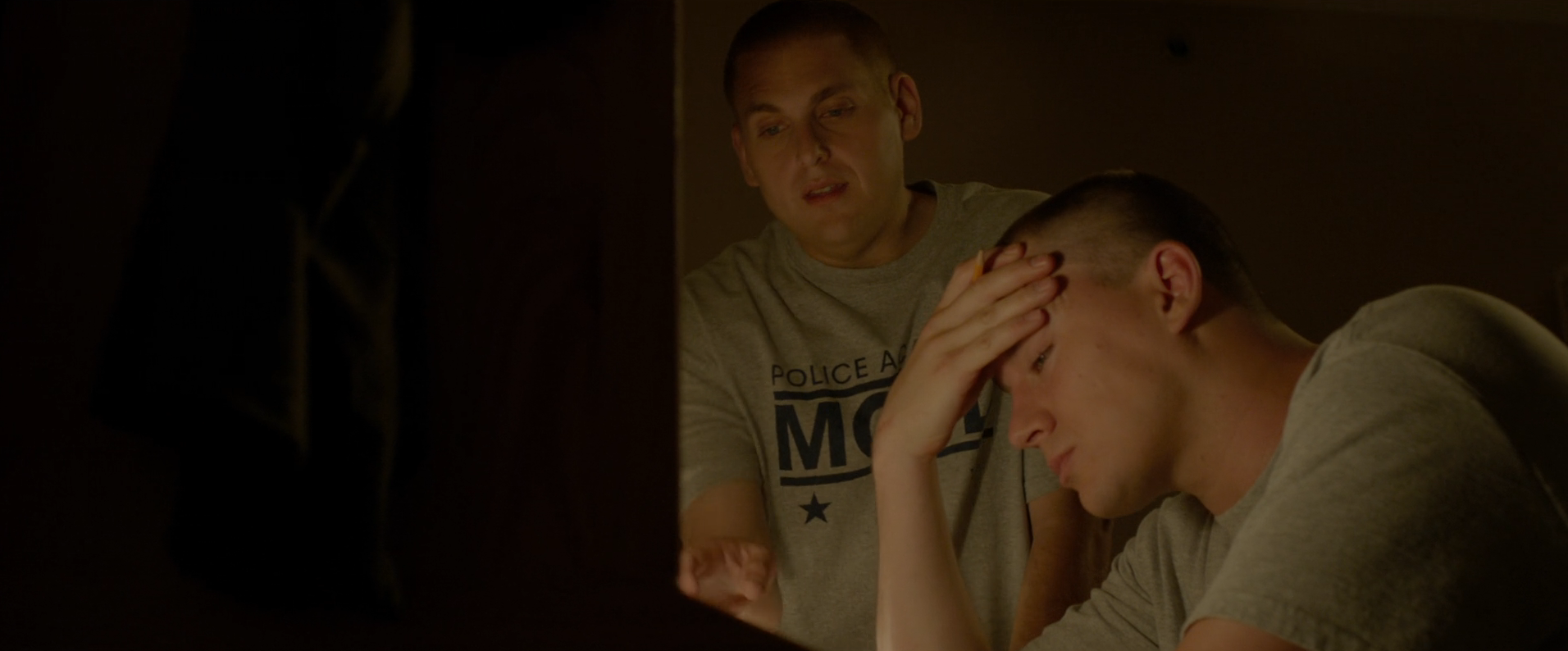
2012. The pair reunite at the police academy. Time has smoothed their rough edges, but the tension between them lingers. Like any old relationship, it snaps back into familiar rhythms – only now the setting has changed. They’re no longer running parallel lives. Once from different worlds, they’ve landed in the same place, both having dropped out of college in search of something they’ve always lacked: respect.

Jenko flunks his theory tests and leans on Schmidt for tutoring. In return, Jenko pushes Schmidt to toughen up and train his neglected physical skills. They form an unlikely partnership. It’s symbiotic, but hey. It works.
The job isn’t the “life of butt-kickery” they imagined. Instead, they’re assigned a teeny-bopper bike patrol in the park. That is, until a gang of 1% bikers roll onto their turf. Eager to flex some authority, they find drugs on ringleader Domingo’s bike. The altercation goes sideways – Schmidt can’t keep up with Karl, but Jenko manages to tackle and cuff Domingo. Elated, they celebrate prematurely…
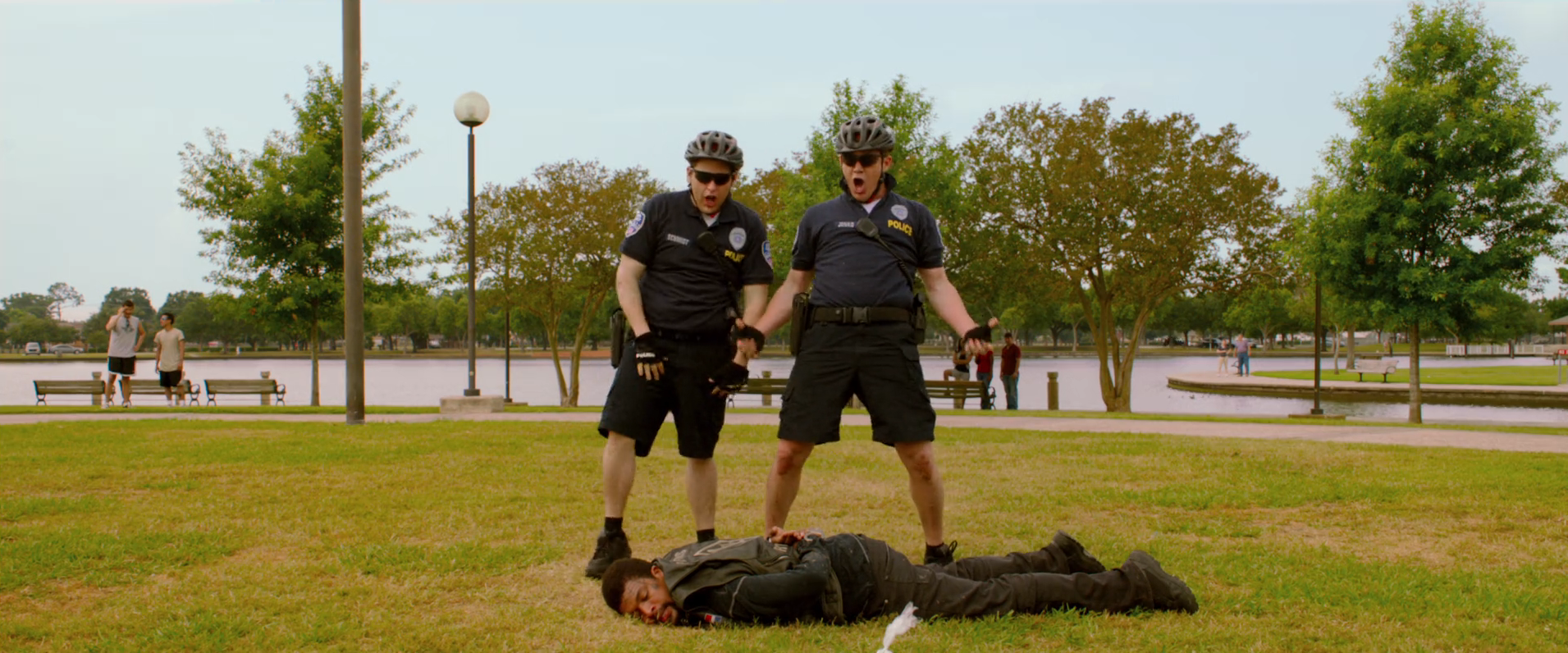
…because the Police Chief informs them Domingo is already a free man – Jenko forgot to read him his Miranda rights. Schmidt has to admit he let his perp escape.
These guys are meant to compliment one another. But they didn’t… so they’re reassigned to 21 Jump Street – a dead end undercover drug sting job.
Inciting Incident
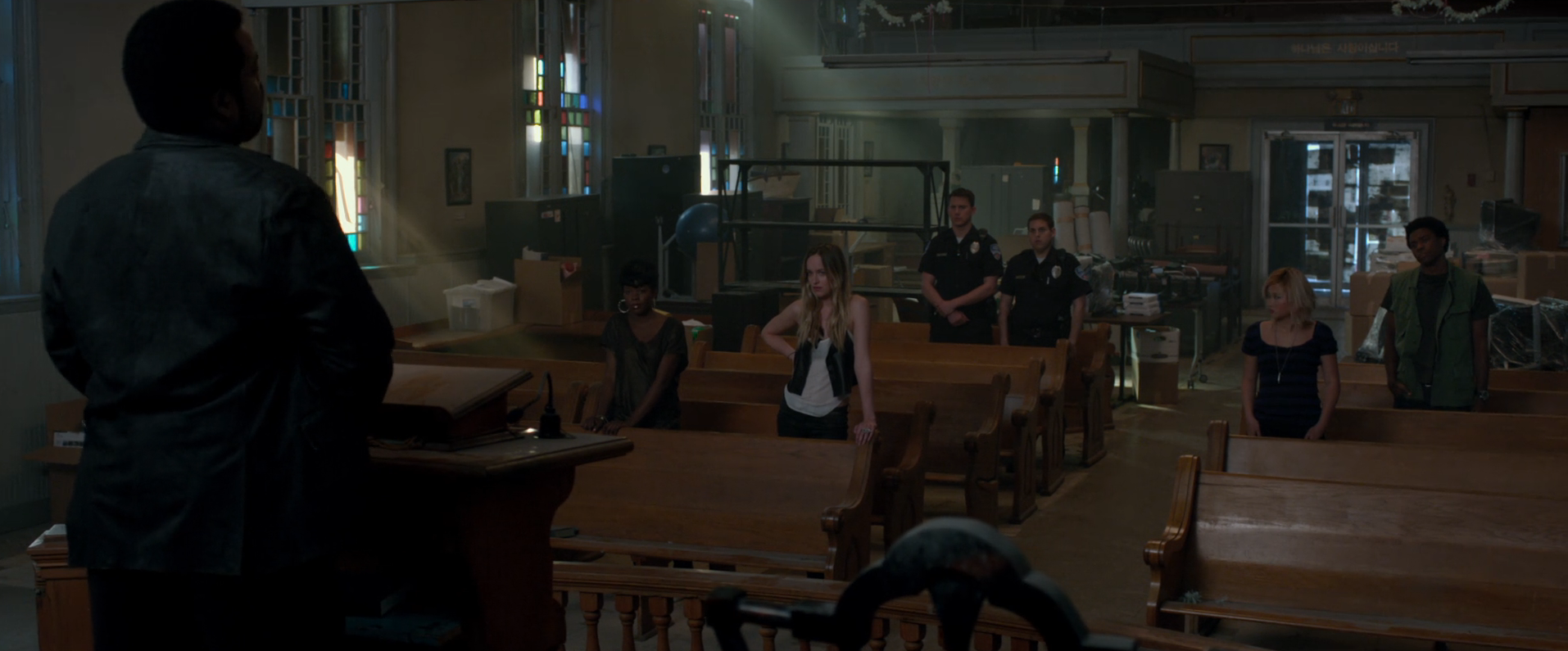
They reach Jump Street, which is run out of an old Korean Church. Meet Captain Dickson and other cops selected because they look young enough to pass as highschoolers. And that’s exactly what they’re told to do – infiltrate Sagan High as students.

Debate
There’s no real question about whether they’ll go through with it – the guys are going undercover, like it or not. The real debate is how fully they’ll commit. Dickson lays down three rules: no expulsions, meaning they follow school rules like real students; no drugs or alcohol; and absolutely no romantic entanglements with teachers or students.
Dickson lays out the mission: identify the distributor of H.F.S. (Holy Fucking Shit!), a new synthetic, highly addictive, volatile drug proliferating. It’s a race against time to stop it from spreading beyond the microcosm of Sagan High.
They get fake identities to match their academics: Jenko joins the cool kids, burnouts, and abuser demographic, while Schmidt goes with the nerds to investigate reported missing chemistry gear. They’re posed as brothers – a cover they immediately question. Schmidt dreads returning to school, fearing a repeat of past bullying from Jenko.
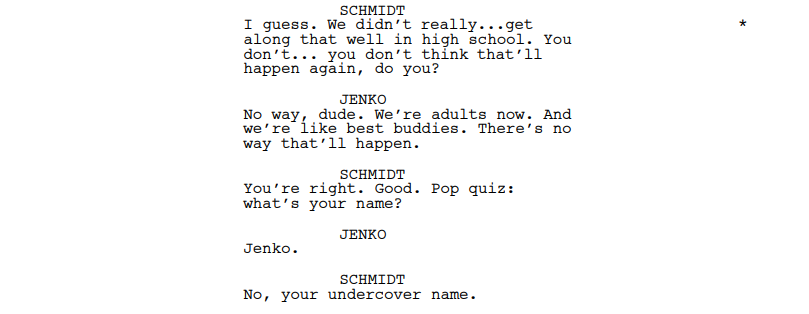
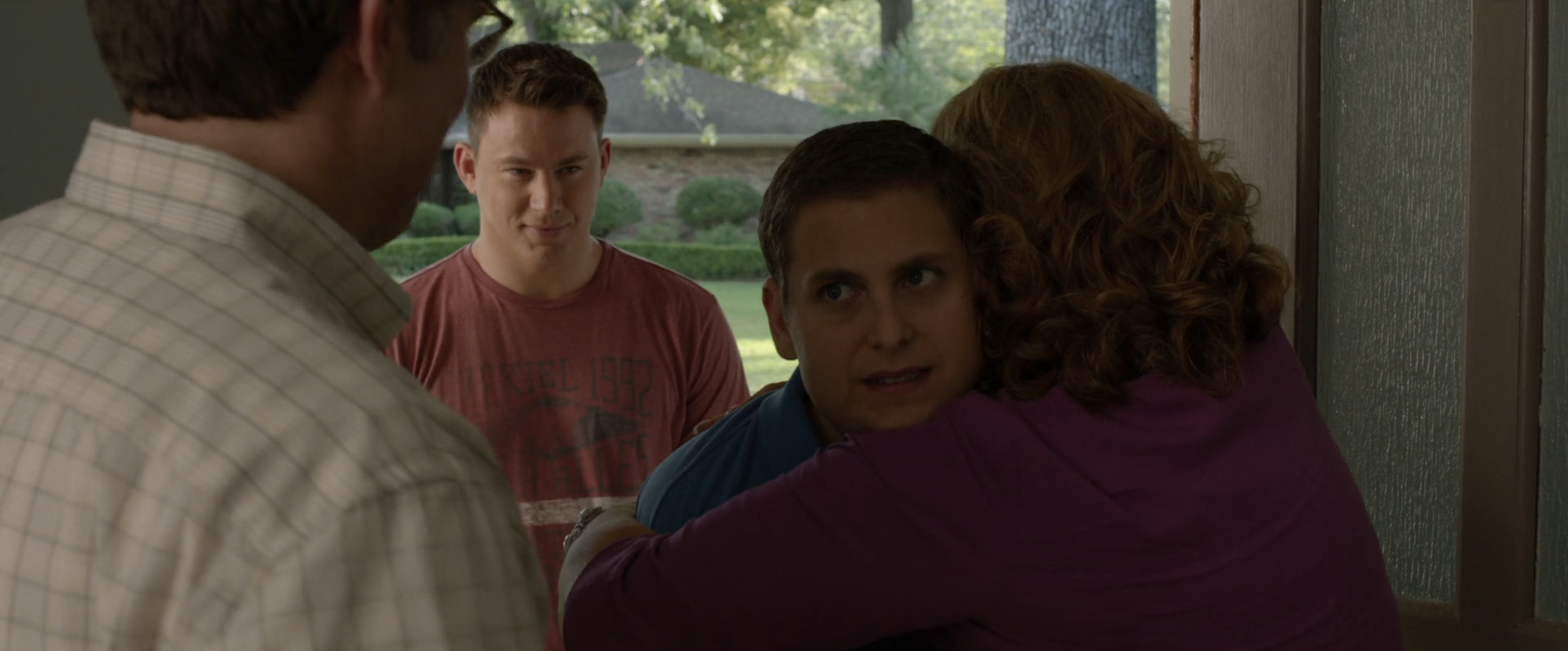
They question the credibility of their cover stories as brothers. They stay at Schmidt’s overbearing parent’s house, immersing themselves in being teens again.
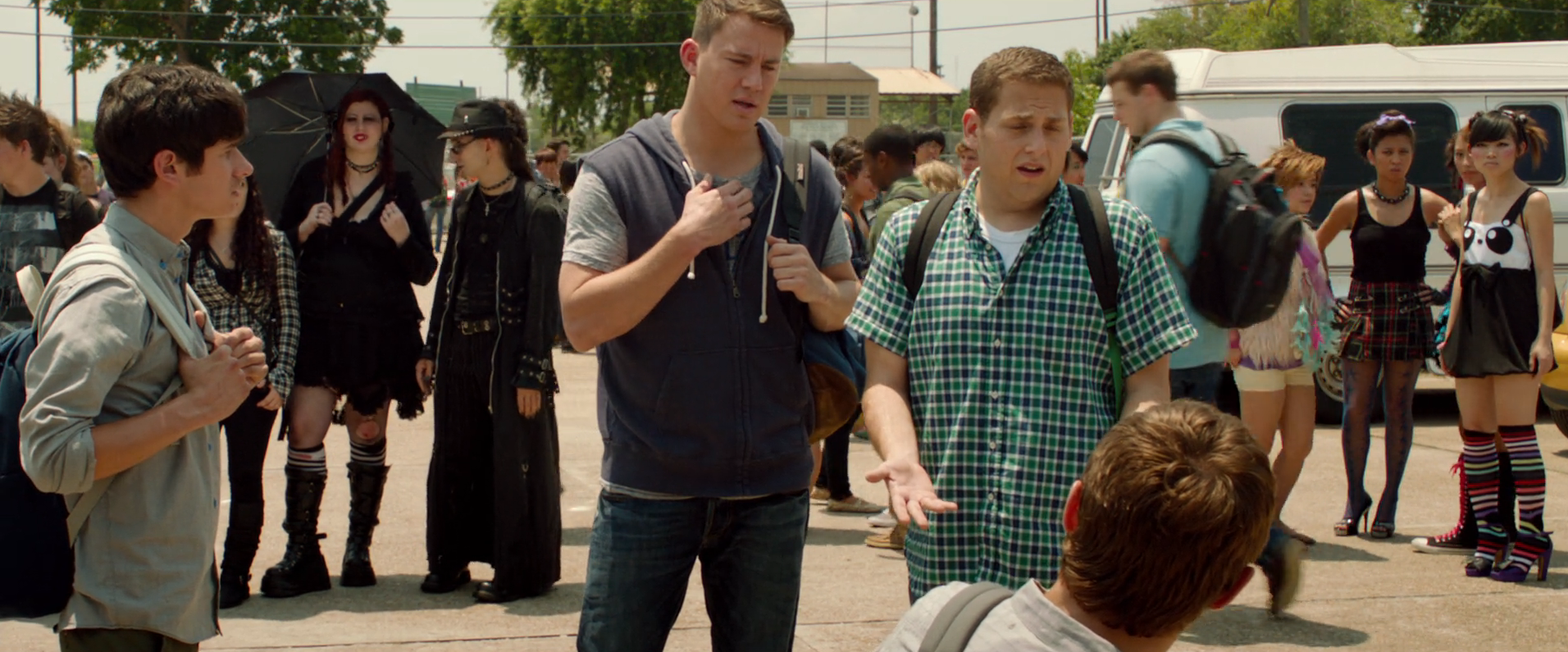
They rock up at school in a borrowed car from the impound lot, trying to blend in and immediately learning that the landscape is totally different from when they were students.

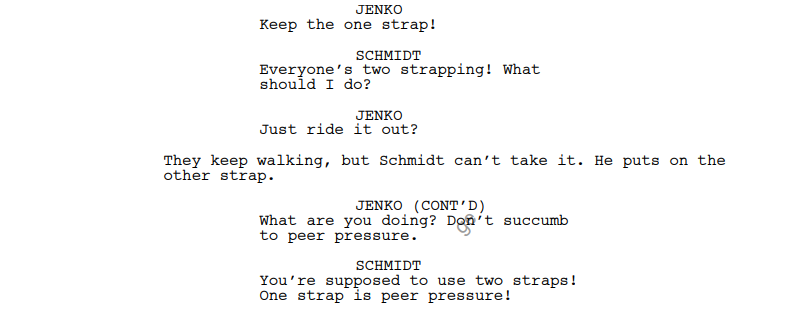
They meet Eric, a cool kid who’s the opposite of Jenko’s brand of cool. The old “I don’t care about anything” attitude is out. Jenko punches a kid and discovers that using “gay” as a pejorative is no longer tolerated. His fist-first approach lands them in trouble fast.
Facing Principal Dadier, they confuse their fake identities and must now play each other’s roles to keep their cover intact. Jenko becomes Brad, the nerdy science kid, while Schmidt takes on Doug, the held-back athlete.
Break Into Two
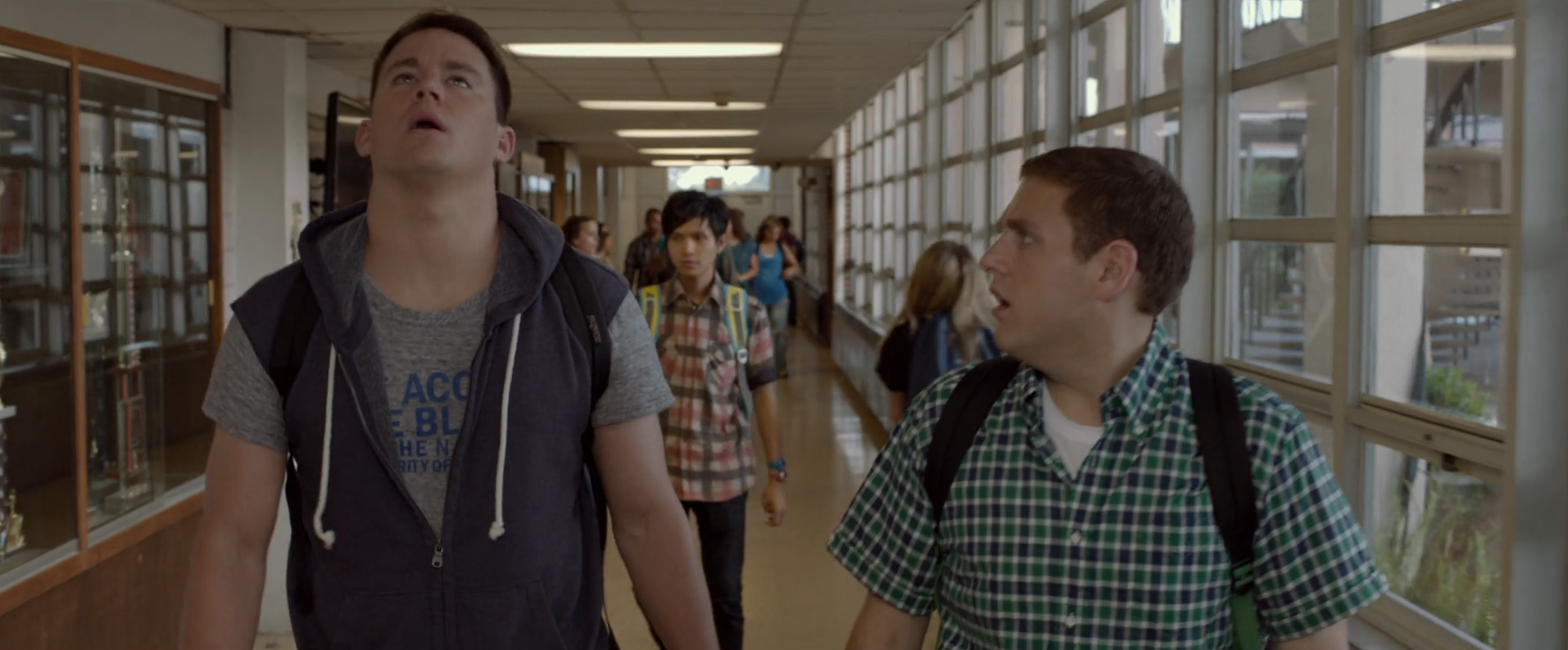
They start high school on thin ice, facing expulsion if they slip up. Schmidt’s mad at Jenko for messing up their placements, while Jenko’s sure he can skate through.
Fun And Games
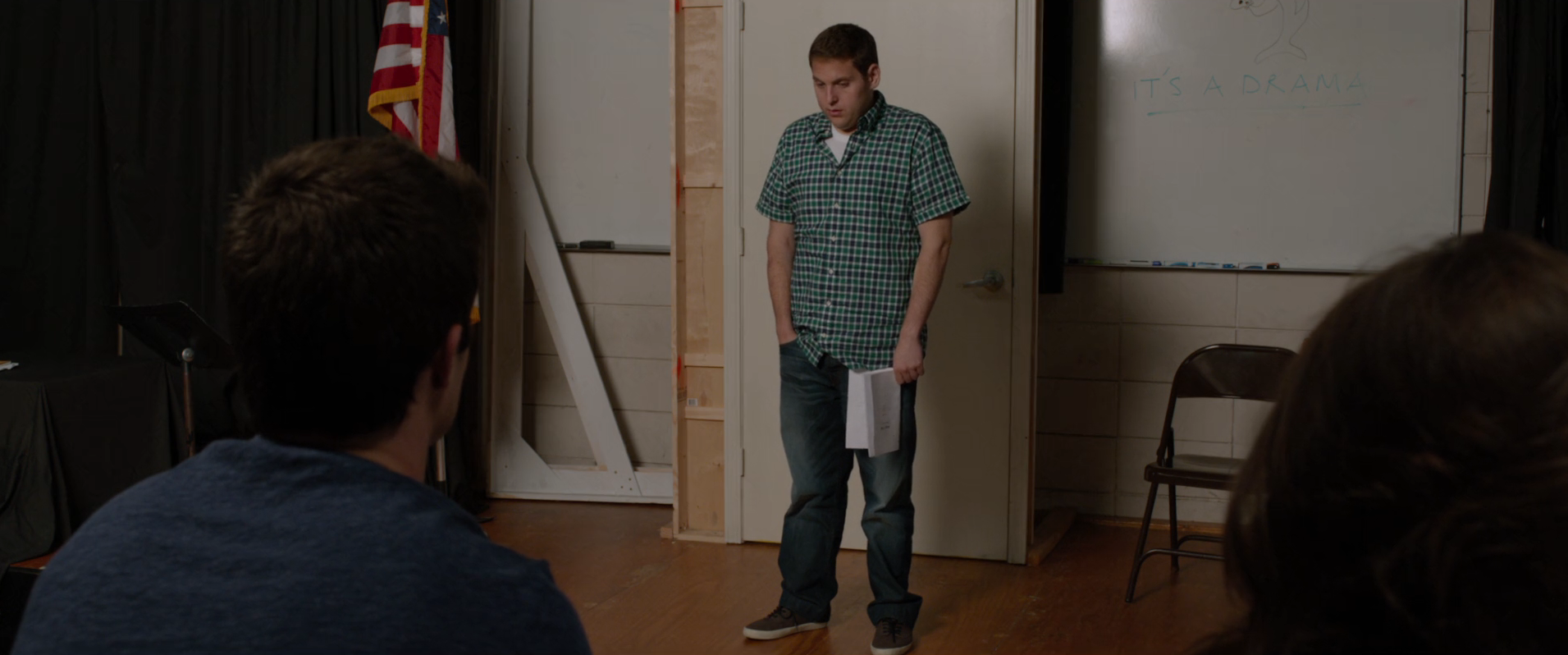
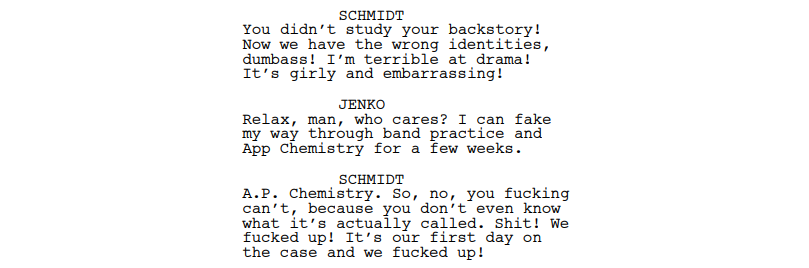
The bulk of this section sees the guys trying to infiltrate iron-clad social circles while assuming one another’s identities. They struggle to navigate the unfamiliar modern high-school culture.
Posing as a buyer, Schmidt gets a contact for H.F.S through Molly, a drama classmate he instantly clicks with. Jenko flounders in his science classes but coasts by thanks to Ms. Griggs thinking he’s hot. Soon, they both ditch class to meet the dealer.
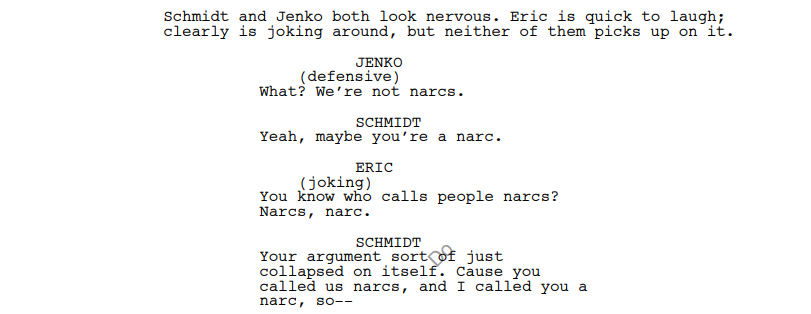
…who is none other than Eric – the school’s main dealer. They ascertain he doesn't manufacture, just distributes. Peer pressure forces them to take the drugs to prove they’re not snitches, and they trip hard through the four rapid stages. Along the way, they run into Mr. Walters, the P.E. coach, who’s surprised to hear Schmidt is a track star.
Full of artificial confidence, Schmidt lands the titular role of Peter Pan in drama class and embarrasses himself in the relay race. Jenko makes a mess in band class and tweaks out in A.P Chemistry.
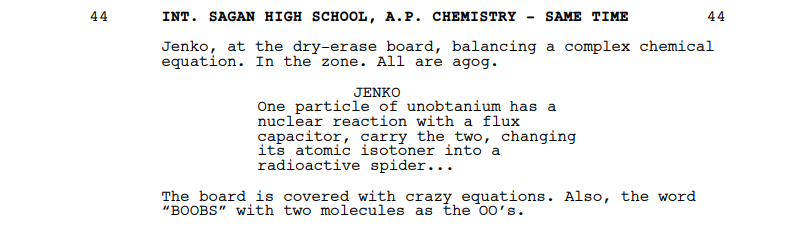
They return to Dickson and report the dealer hierarchy as they understand it, exaggerating their progress and hinting the dealer is covering his tracks. Dickson, running low on patience, expects results.
Schmidt flourishes socially as Eric takes a liking to him and starts developing feelings for Molly. Jenko struggles in class but befriends the quirky kids (like Zack) and grows interested in their niche hobbies.

At a dead-end and confused by social dynamics, they throw a “wildly irresponsible” party at Schmidt’s in hope of tracing Eric’s supply chain. Schmidt calls Molly, who promises to invite all 411 of her Facebook friends.
Jenko warns him against developing relationships, but Schmidt jumps through hoops to justify why he “has to.” His parents are sent on a winery trip for the weekend, leaving the house free for the party.
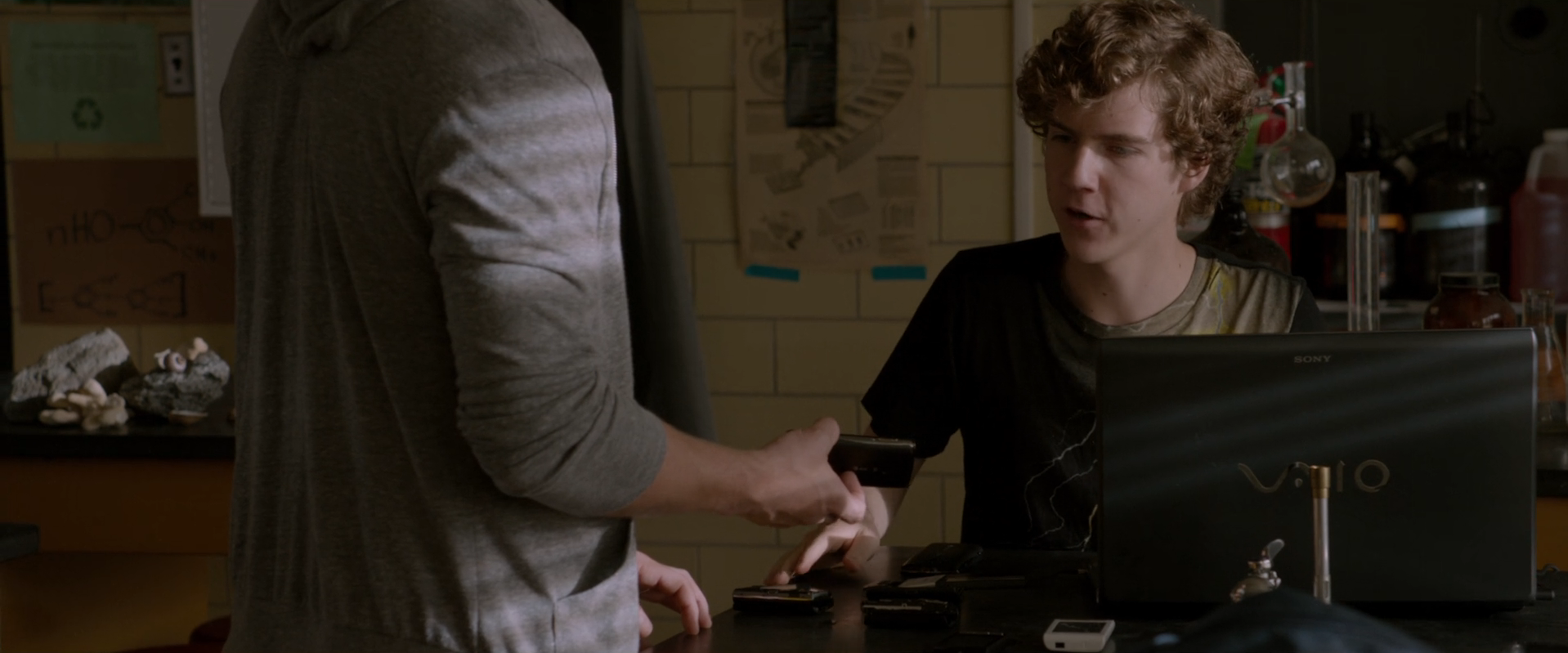
Jenko’s new nerd friends – Zack and Delroy – can jailbreak phones. He begins to plot a way to listen in on Eric’s calls, offering them party invites in exchange.
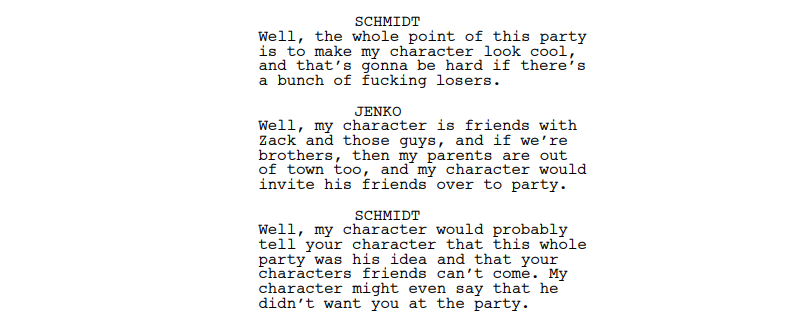
The party kicks off. Zack shows up, and Schmidt’s annoyed that Jenko invited his lame friends. Their projected differences begin to blur into their actual differences as they embody their cover characters. Eric’s phone is stolen to install malware, but he’s unimpressed by the nerd party and wants out. Jenko panics, trying to keep him there.
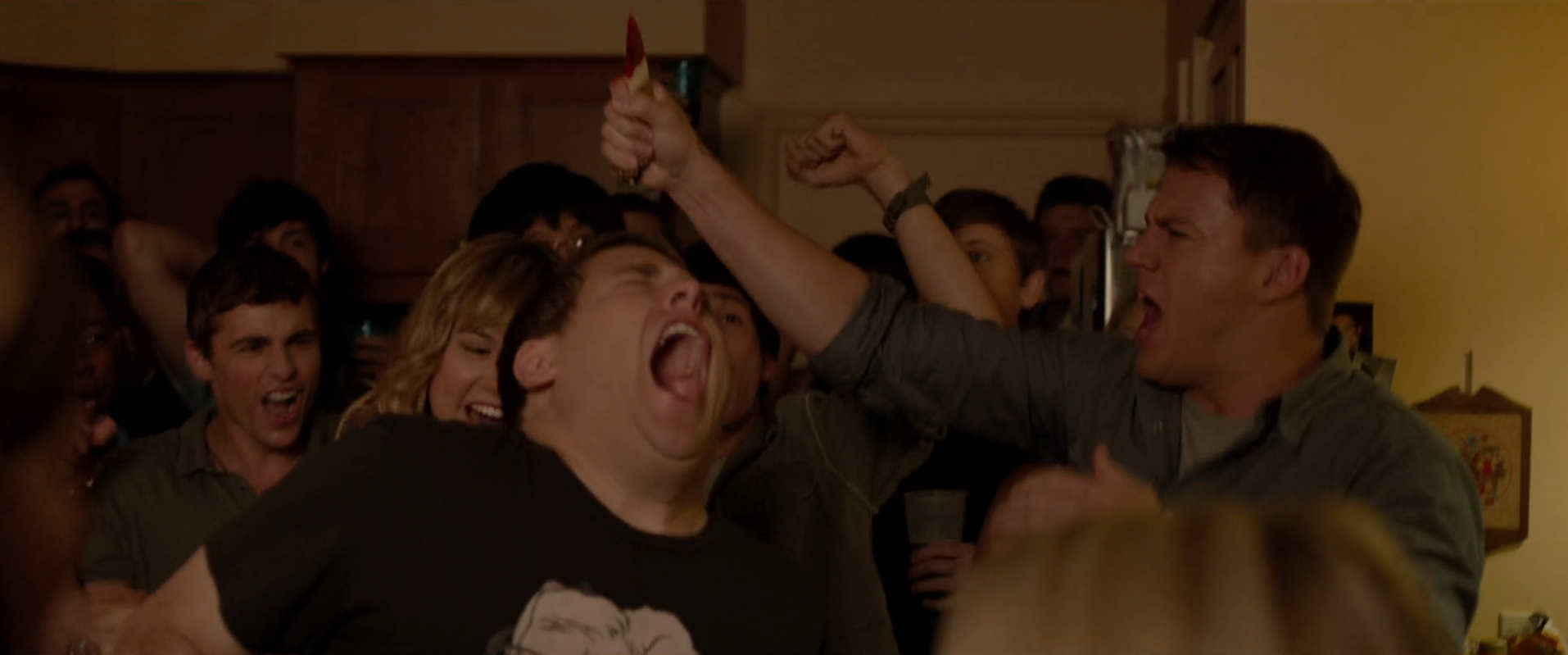
Kids from another school crash the party, with leader Scott trying to muscle in on Eric’s distribution. Schmidt steps up, fighting Scott one-on-one, impressing everyone by knocking him out – but gets stabbed in the back. This wins him favor with Eric and the cool kids, who think it’s badass. Meanwhile, Jenko and his nerds slip Eric’s tapped phone back into his pocket.
Midpoint
At the halfway mark, Jenko’s jealousy of Schmidt’s popularity is spiking.
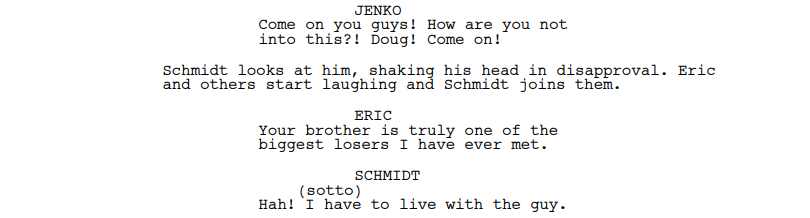
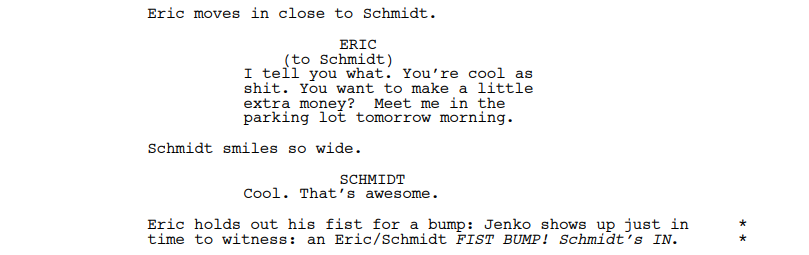
Schmidt’s parents return home earlier than expected and crash the party. In the aftermath, Eric approaches Schmidt and asks if he’ll help distribute the HFS.
Bad To Worse
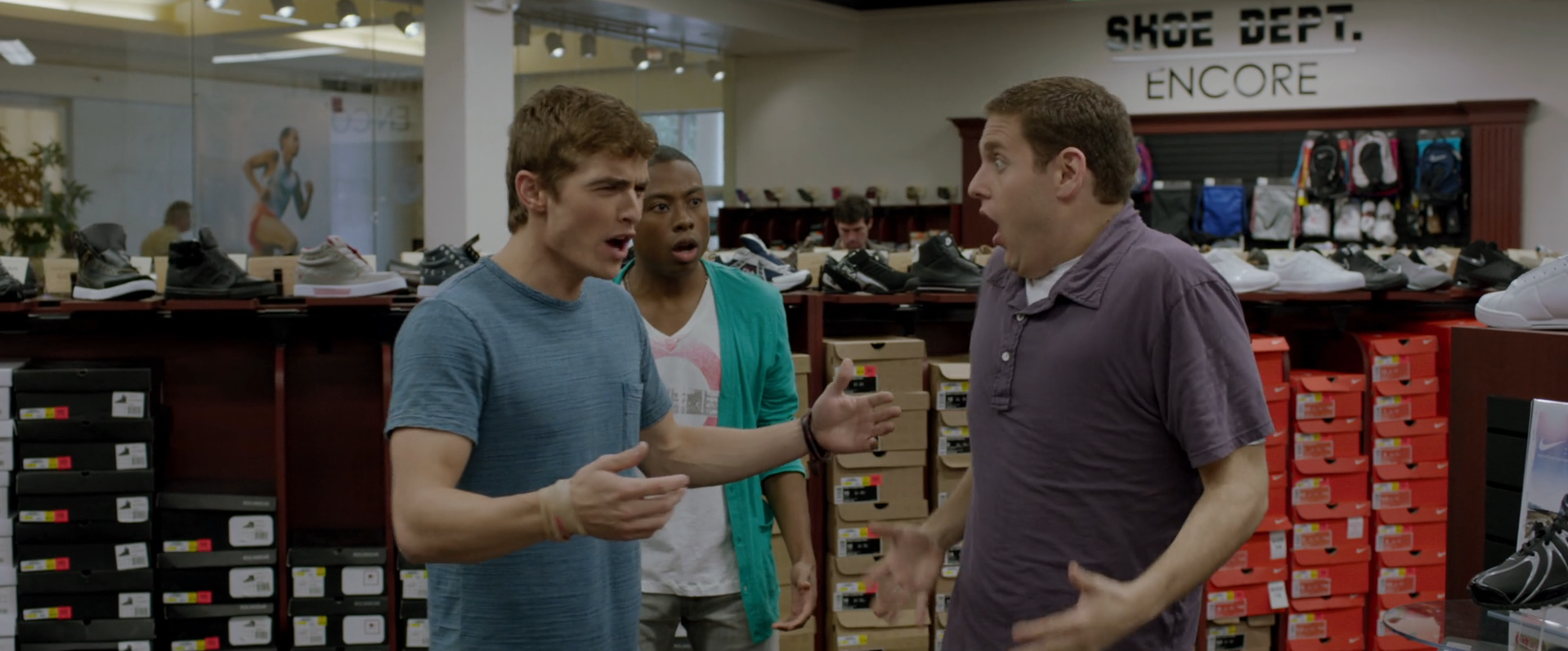
Schmidt discovers Jenko’s phone tap and is annoyed – he thinks he can get the dealer info organically. Excited, he begins ‘distributing’, actually just borrowing Jump Street funds to become Eric’s top seller.
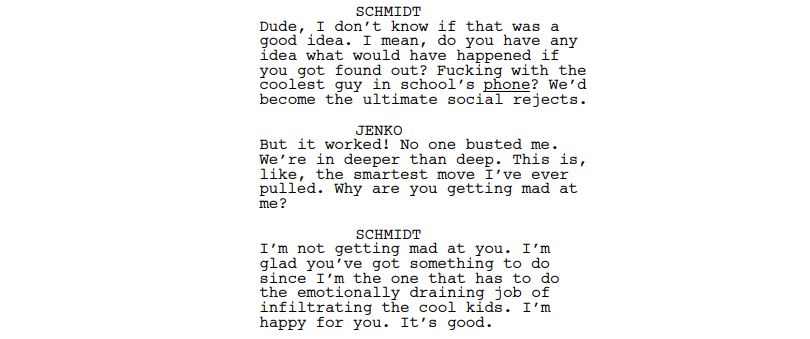
Jenko heads back to his nerds, who tutor him while he starts enjoying their hobbies like Bakugan and Magic: The Gathering, drifting further from Schmidt, who’s running the prom committee like the Navy.
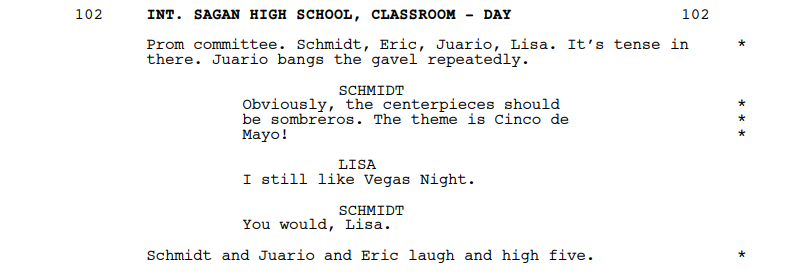
In the midst of a conversation about Molly, a family friend recognizes Schmidt in public and risks blowing his cover in front of Eric. He has to assault her to keep his identity intact.
Jenko’s phone tap reveals an upcoming meeting between Eric and the supplier. At a hangout at Eric’s house, Schmidt asks Molly to prom, risking the mission as personal feelings interfere. Jenko’s fired up – he missed prom once, and now Schmidt looks set to go a second time before he can go once!
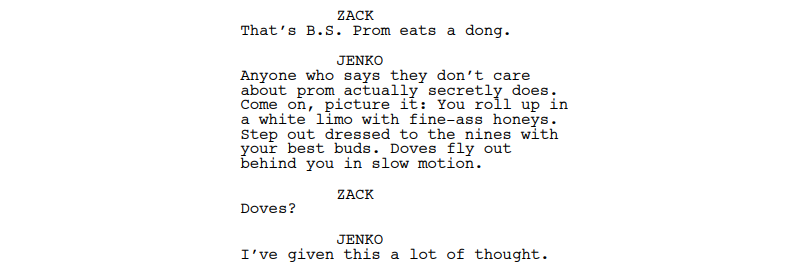
Jenko overhears Eric and Schmidt mocking him over the phone, straining their friendship even further. They’re beginning to forget where they end and their ‘characters’ begin.

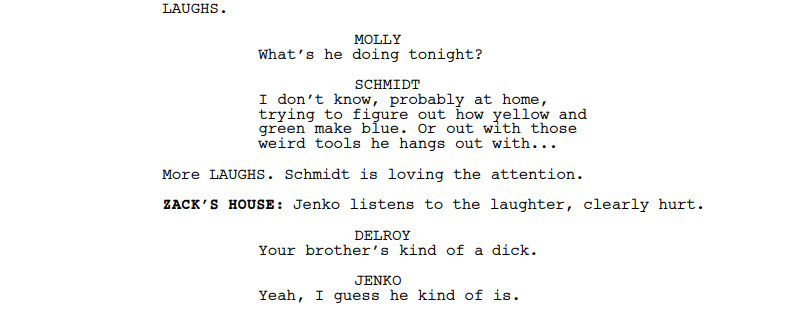
At Jump Street, other cops are already on their third sting. Dickson’s patience is running thin – the drug has spread beyond Sagan, and all they have is the overheard keyword “piñata.” The case risks collapse.
Schmidt prioritizes Molly and their Peter Pan production, but Jenko extracts him just before he’s due to go on stage to pursue Eric – who’s driving a piñata out of the school lot. Bingo.
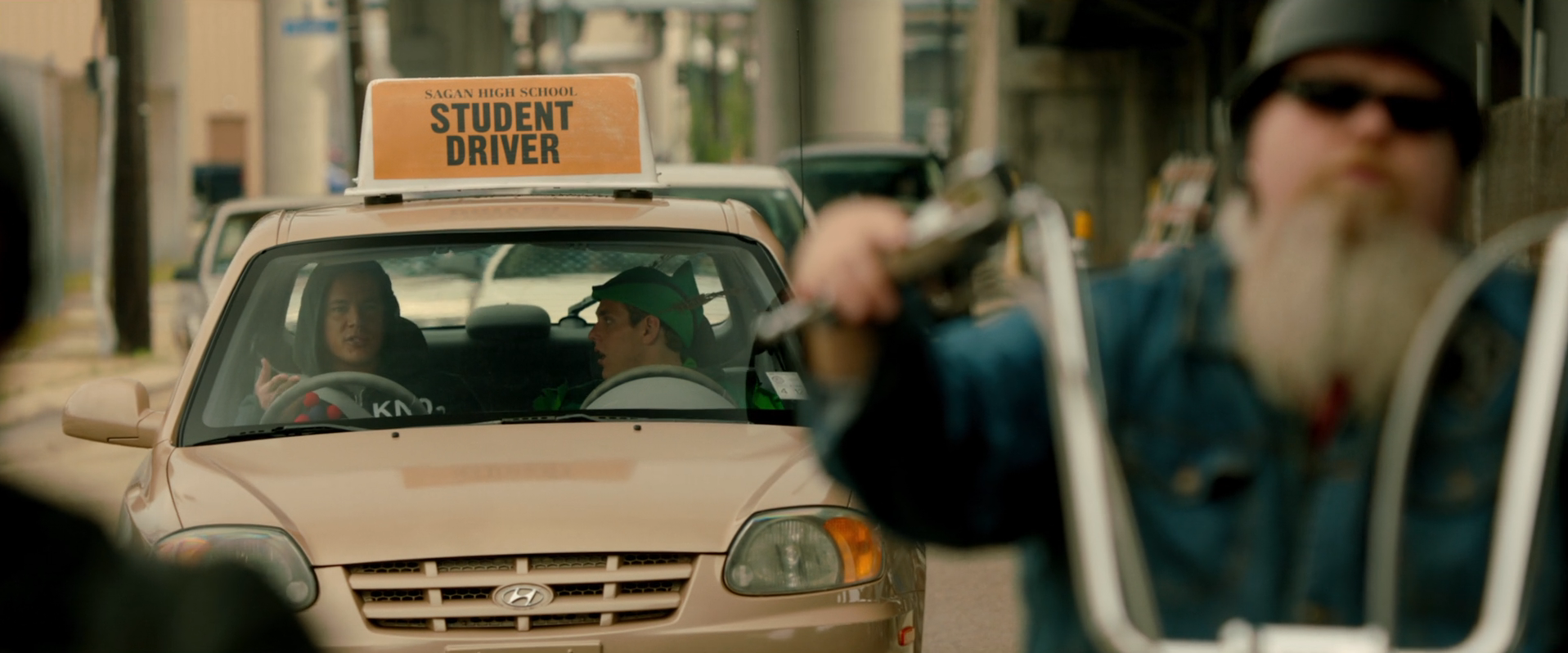
Schmidt, still in a Peter Pan costume, drives a stolen driver’s ed car as they track Eric to the 1% gang from the park – Domingo and crew. They accidentally rear-end Karl while arguing, sparking a chaotic chase down the highway. They keep hitting things you’d expect to explode… until they hit a chicken truck, which erupts into a cloud of feathers.
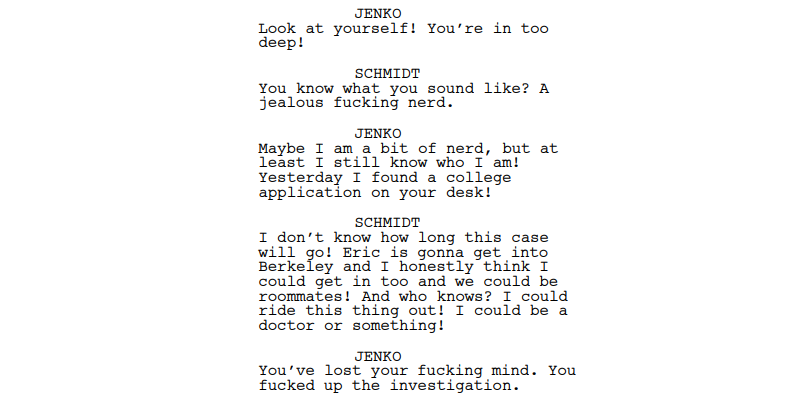
Back at the play, Jenko’s harsh comments hit Schmidt hard. He storms on stage, upstaging his understudy and embarrassing Molly, ruining his shot at prom with the girl he likes.
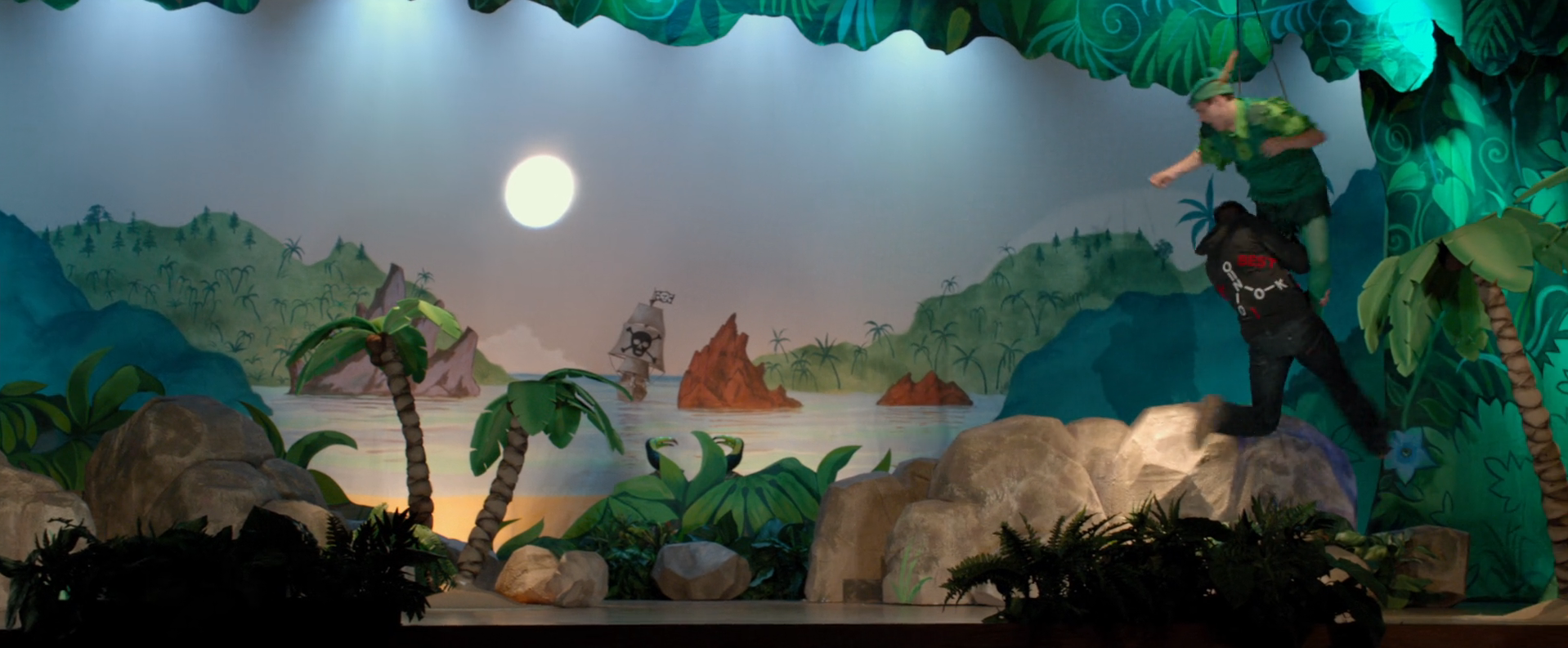
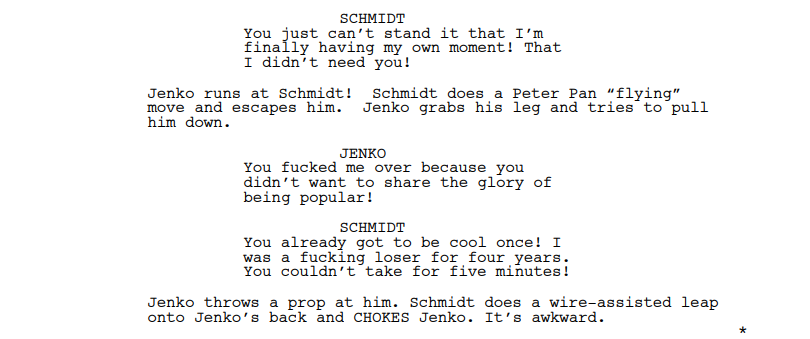
But Jenko isn’t finished with him – he follows Schmidt onto stage and they fight it out. The crowd love it as they tussle – physically and verbally.
Break Into Three
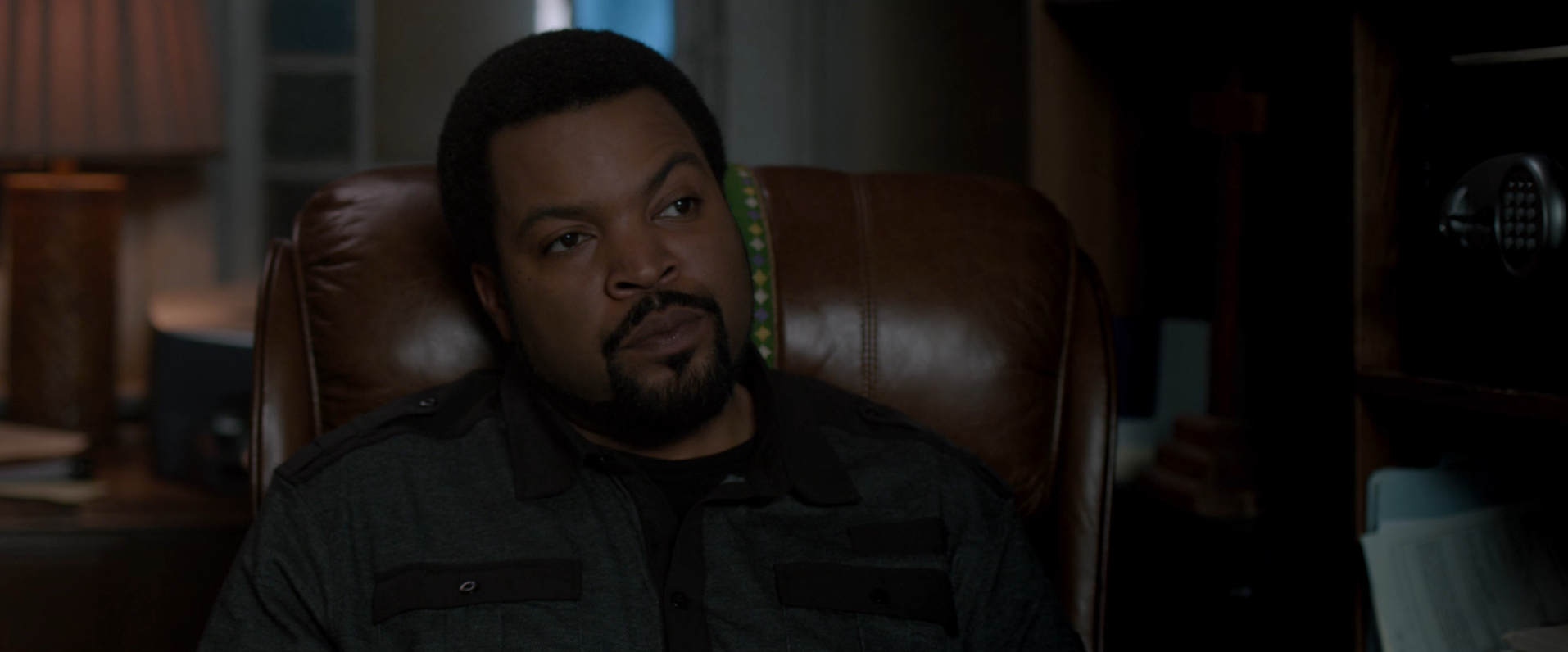
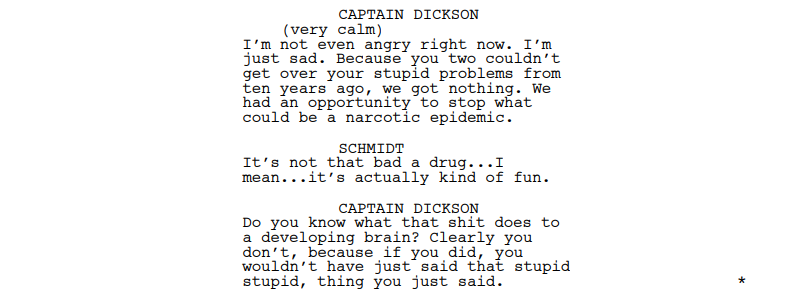
Unsurprisingly, they get expelled. Then, on top of that, Dickson fires them for the 17-car interstate pileup that they caused. They don’t understand the stakes of the drug ring, it’s become completely secondary in their lives.
Jenko leaves the house. Molly is ignoring Schmidt. Everyone is at their lowest apart from Ms. Griggs, who can sleep with Jenko now he’s no longer a student.
Finale
The two cops seem beyond reconciliation, when Eric interrupts their argument. He takes them to a sketchy alley, where they think they’ve been sprung…
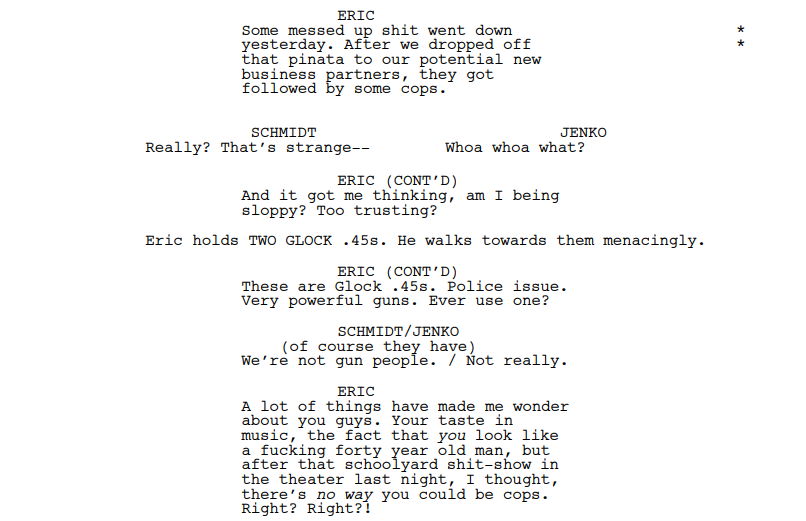
Eric doesn’t suspect them – he expects them to act as his muscle when the supplier facilitates a deal with the bikers at prom. While doing chores for Schmidt’s mom in tuxes and bulletproof vests, they rediscover some common ground, agreeing to see the job through and head to prom with Jenko’s real friends.
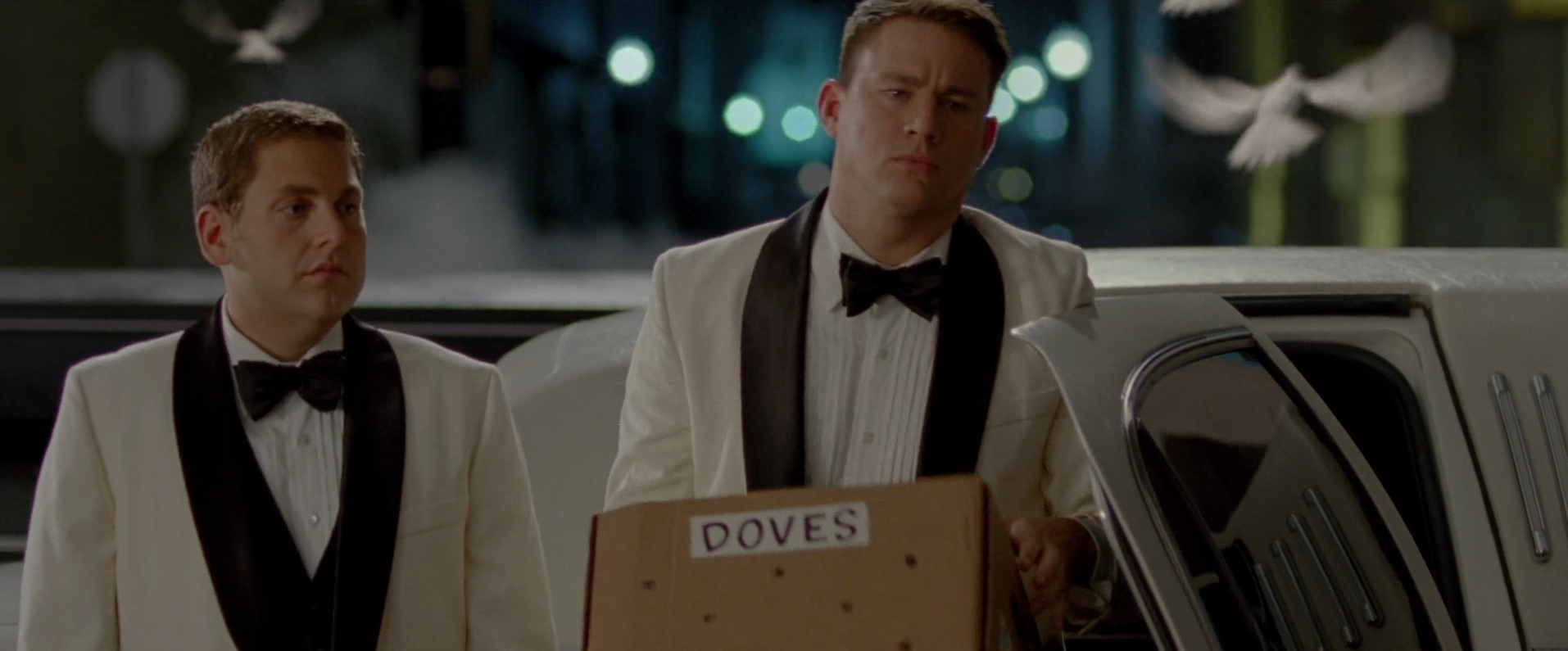
They confess to Zack, who doesn’t care if they're cops. Schmidt finds Molly dancing alone, high on H.F.S, and urges her to leave before she gets hurt, admitting he’s been lying about his identity.
Eric leads them to a hotel room, where Mr. Walters – the P.E. coach – is revealed as the supplier. He starts monologuing his master plan while Zack listens in through a tapped phone, gathering evidence. The bikers arrive to make a deal, and Jenko and Schmidt conjure a cover story for why the bikers recognize them.
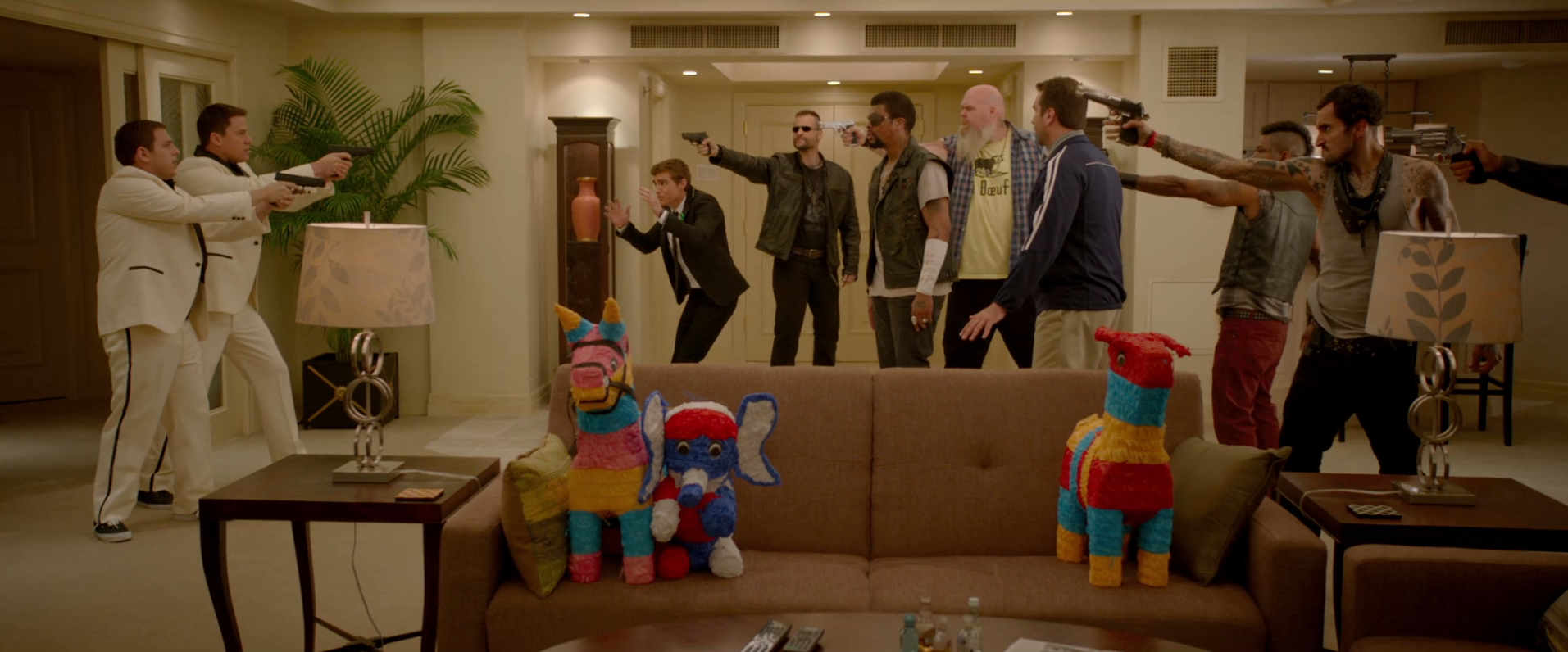
Then Molly bursts in and blows their cover once and for all. A Mexican standoff ensues.
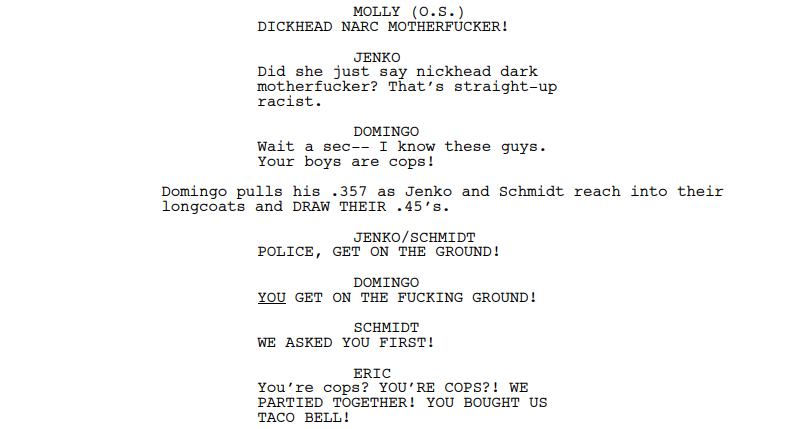
Two of the bikers reveal they’re undercover cops, complicating the standoff. Jenko and Schmidt have just blown a five-year operation. Domingo shoots Tom Hanson, a Jump Street alum (played by Depp from the original series) sparking a firefight. Molly, passed out from the H.F.S, is taken hostage by Eric and Walters, with Domingo in pursuit.
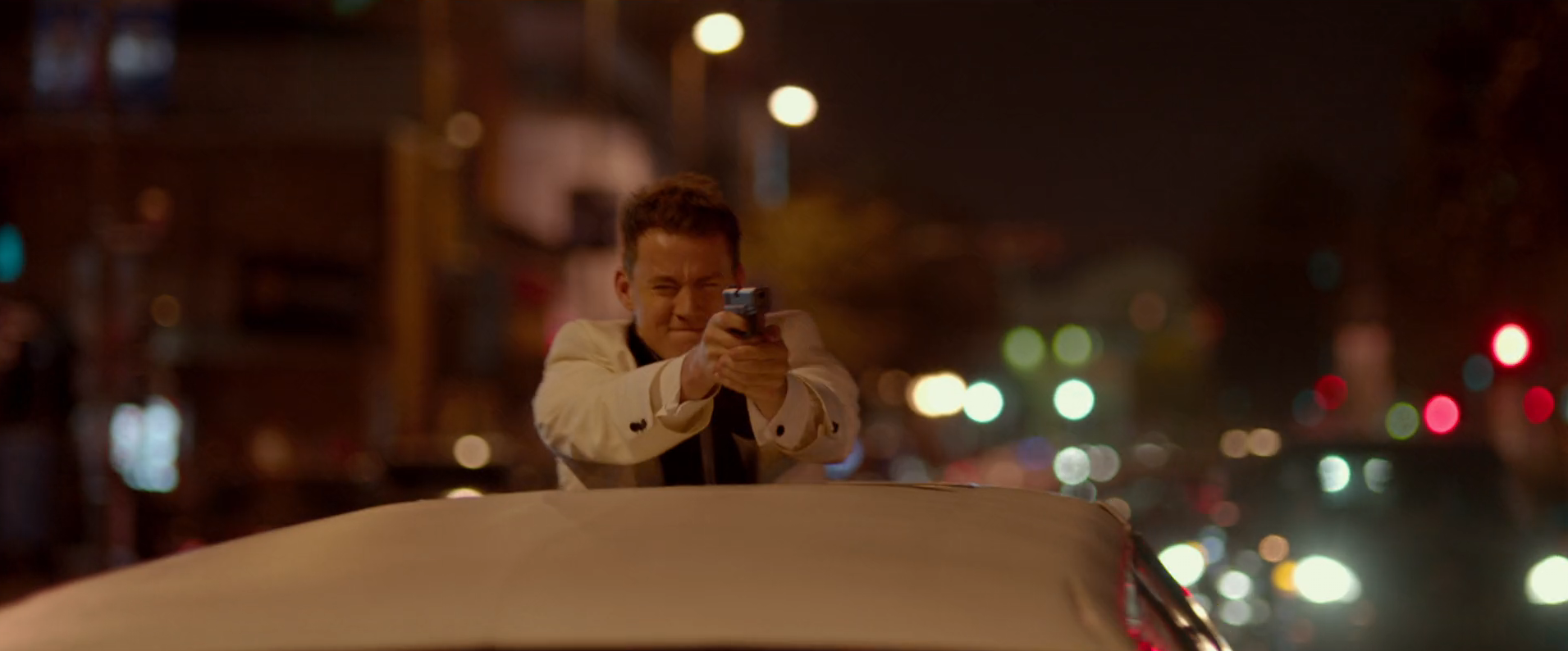
Jenko and Schmidt pursue, shooting bikers and being the badasses they dreamed about.
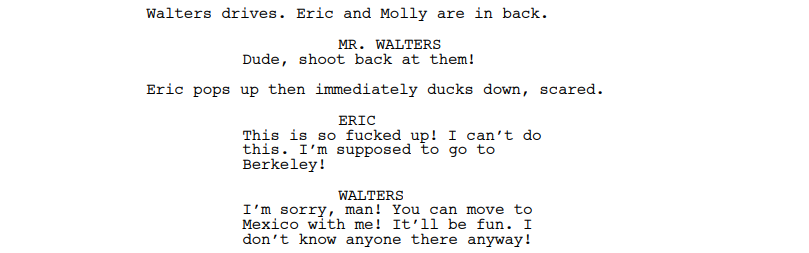
A three-way limo chase ensues, Eric in tears because he’s ruined his life. While exchanging fire from limo-sunroofs, the cops re-bond, apologizing for their shortcomings.
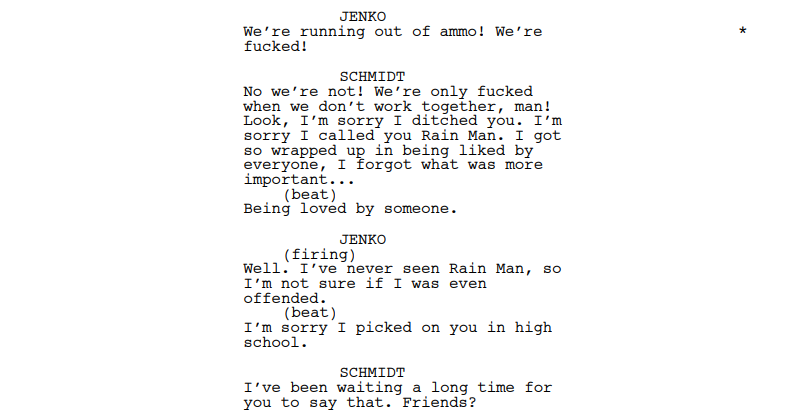
Jenko proves his growth by using his A.P Chemistry skills to improvise an explosive and blow up the bikers. Schmidt drives like a badass. Mr. Walters still has Molly hostage – and Jenko takes a bullet to the vest protecting Schmidt.
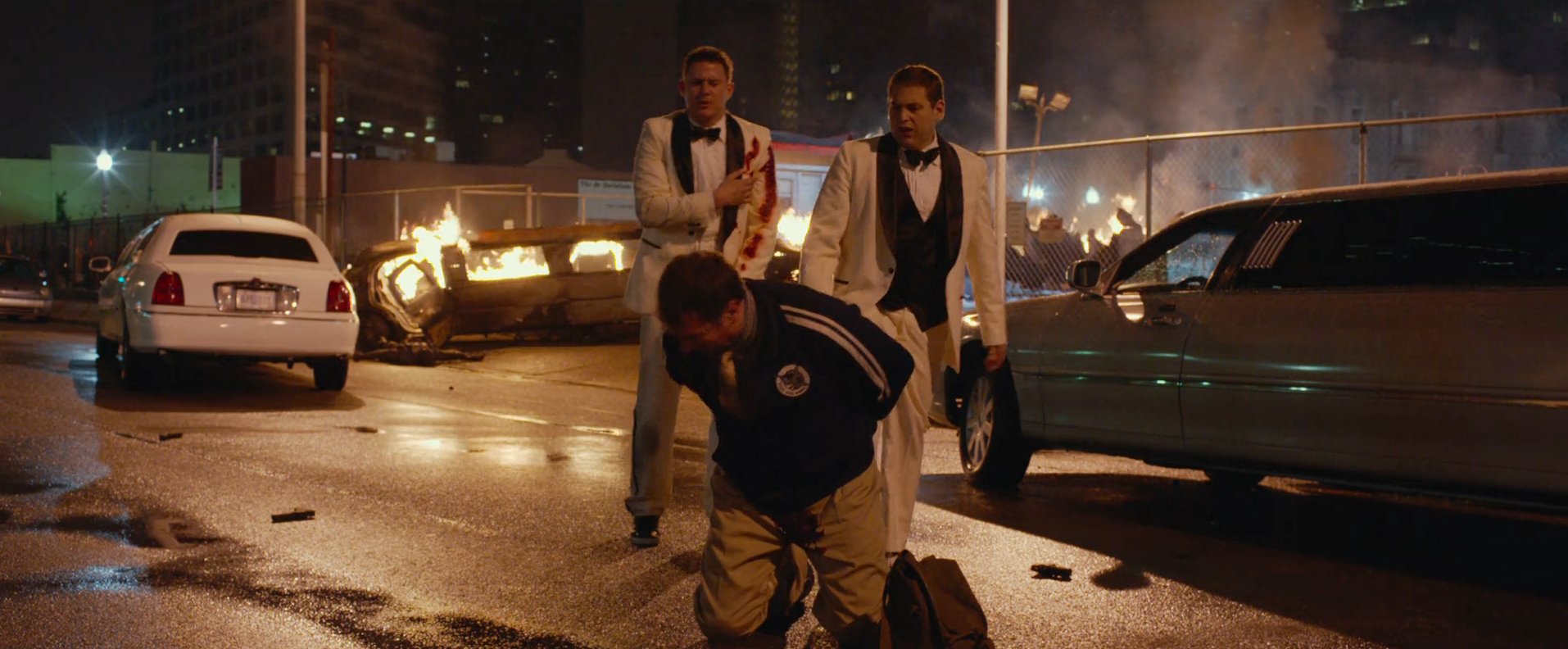
Schmidt, who previously failed to take out his man, shoots Walters in the groin, freeing Molly. Together, the cops recite the Miranda Rights verbatim – illustrating the conclusion of their arcs.
Molly hears out Schmidt’s apology, then thanks him for saving her life. Eric is arrested. Walters’ penis may never be reattached.
Closing Image
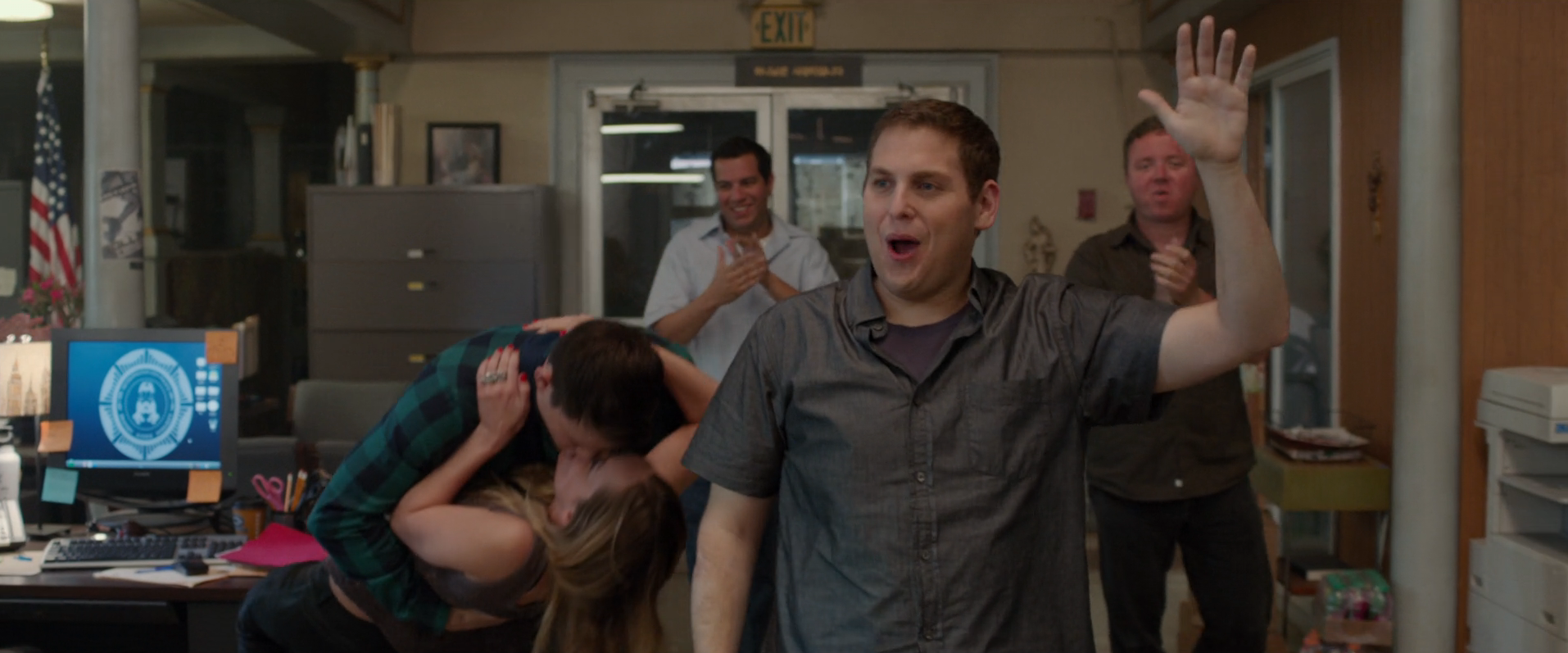
Schmidt and Jenko return to Jump Street, where they’re welcomed back as heroes, reinstated, and deployed on their next assignment – college.
Conclusion
This is a solid script, with well-rounded character arcs, leads who challenge each other, and a cathartic ending. It’s not revolutionary, but it’s a well-executed, fun romp with almost no downtime. Legacy reboots don’t get much better than this. But things can always be improved;
I always encourage my clients: execute on the premise. In the Fun and Games section, the script has to deliver on its promises. From the moment our protagonists enter school to the midpoint, almost no real progress happens – they’re just trying and failing. That’s exactly what you want in a comedy. Setbacks and developments can come in 2B, but 2A often serves as a playground for vignettes and comedic moments.
That said, the Fun and Games section falls a bit short due to what I call double dipping—two premises competing for space on the page. Premise 1: undercover cops return to high school and navigate a changed social landscape. Premise 2: nerd and jock accidentally swap identities. Because 2A juggles both, neither hits as hard as it could, and there are few real consequences for premise 2. Jenko isn’t pressured to pass tests or perform for the mathletes on stage; Schmidt isn’t pushed to win a track meet or play starting quarterback. More struggles fitting their expected roles would allow premise 2 to shine.
Detaching myself from the filmed version for a moment, it’s clear how an actor’s chemistry and presence can hide a script’s flaws. The movie feels stronger than the screenplay, largely thanks to Hill and Tatum’s charisma.
There are three main weak points in the story for me, and they fall at each the most important junctions of the narrative. The Break into Two, the Midpoint, and Break into Three.
Break Into Two
The Principal not recognizing Jenko and Schmidt as their archetypes feels weak – one’s clearly the jock, the other the nerd, and the ID cards they’re administered have photos. Being asked, “Which one of you is Doug?” comes off as contrived. It works for laughs, but on paper, it’s pretty thin.
Midpoint
By this point, both cops have made progress on finding Eric’s supplier, but they’re working independently of one another. Their success relies on a rival school crashing the party, letting Schmidt impress Eric and giving Jenko time to tap his phone. This cements their roles as “cool guy” and “tech nerd” respectively, but it’s success through happenstance, not their own machinations.
Break Into Three
After their blowup, there’s no real separation or moment showing they need each other. They’re pulled back together by Eric’s scheme and proximity, not by resolving differences. They don’t go through a synthesis that drives Act 3 – they’re just forced together and make the best of it. It’s far less satisfying than it could be.
Because all three of these weak points rely so heavily on coincidence, I want to reiterate a point I’m always hitting on. Coincidence in the first fifteen pages is subconsciously accepted by the audience as necessary for the story to exist. Coincidence beyond the first fifteen is understood as a requirement for the story to end. We can accept a contrived inciting incident, but beyond that… things begin to feel artificial.
Despite these critiques, this is still a brilliant script, executed exceptionally well. Comedy benefits from actors who understand timing and can adapt jokes on set, which is exactly what happened with Jump Street. Many jokes were cut or improved from page to screen, including the extended scene explaining why they MUST sleep with high school girls – and Ms. Griggs’ sleeping with Jenko – probably for good reason.
We award 21 Jump Street a 3.5/5.