

The pitch deck is a new tool used to convey the story, appeal, and tone of a potential project with visual references and descriptions. It can be used to pitch to investors, studios, producers, or grant applications to help secure funding and support for a film or tv series.
From a one pager with a graphic design makeover to a full powerpoint/keynote/slideshow/canva presentation, the pitch deck has become the go-to tool for screenwriters — sometimes even before the script itself is written.
WHAT GOES IN THE DECK
There are no rules for a deck, so it’s really about including what you need to get your idea across, but here are some standard pages to get you started:
Title
Logline
Synopsis
Highlight why this film is important now and why you are the person to create it
Characters
Themes
Tone and Style
Worldbuilding
Key players’ bios (Screenwriter, Director, Producers, etc)
Understandably, not many pitch decks become publicly available — they’re an internal tool used to greenlight the screenplay or film/series; but there are a few creators out there who have generously shared their work. Let’s take a look and see what makes them stand out:
A QUIET PLACE
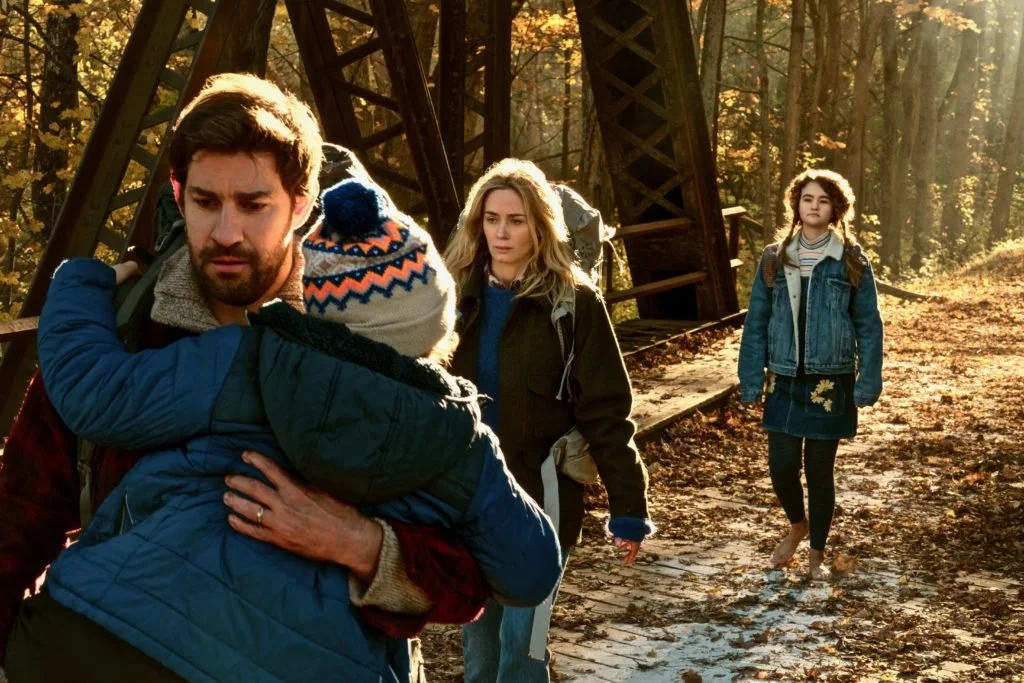
Co-writers Scott Beck and Bryan Woods conceived of A Quiet Place and created a visual look book to help get Paramount onboard. This was before their eventual co-writer and director John Krasinski came aboard.
They chose to open with a remote urban farmhouse and a potential poster caption: “Sometimes the loudest sound is silence.” This is set to a backdrop of unnerving music. With screenshots from projects with similar visual vibes (Interstellar and Signs, for example), they include glimpses of the screenplay in the form of sluglines that slowly build in tension.
They include comparable projects such as Stranger Things, Lady in the Water, and Hellboy, going for vibes over details. It’s truly a teaser, but, combined with a unique concept — aliens that hunt based on sound leaving survivors desperately trying to stay quiet — it’s compelling.
STRANGER THINGS
With the working title of Montauk, the Stranger Things deck is uniquely in the portrait orientation and mimics the vibe of a Dungeons and Dragons book, leading off with a strong creative choice. Text is set against creamy pages and the images are straight from the 80s films it harkens to: E.T. The Extra-Terrestrial, Close Encounters of the Third Kind, and Poltergeist, with the pages themselves looking folded and aged.
The first two lines read: Montauk is an eight-hour sci-fi horror epic. Set in Long Island in 1980 and inspired by the supernatural classics of that era, we explore the crossroads where the ordinary meets the extraordinary.
And for five seasons, Stranger Things has kept to that vision, starring young kids on an adventure at a time when Gen-X and Millennials were young — hitting the nostalgia of the era, both lived and on-screen.
Emotional, cinematic, and rooted in character, Montauk is a love letter to the golden age of Steven Spielberg and Stephen King – a marriage of human drama and supernatural fear.
They included a storyline conspiracy to pique curiosity, their story of a missing child in a small town and a mysterious government experiment gone wrong, episode synopses, tone and style descriptors, character bios, and an idea of how they would take what they envisioned as an eight-part miniseries to a franchise with a sequel set ten years later.
As the show, which of course has become a serial episodic (and Broadway play) and not just a limited series, winds down to its New Years Eve 2025 season five and series finale, we can see what sparked the greenlight and where the Duffer Brothers let their imaginations give the project an engine to run on.
THE MOUNTAIN
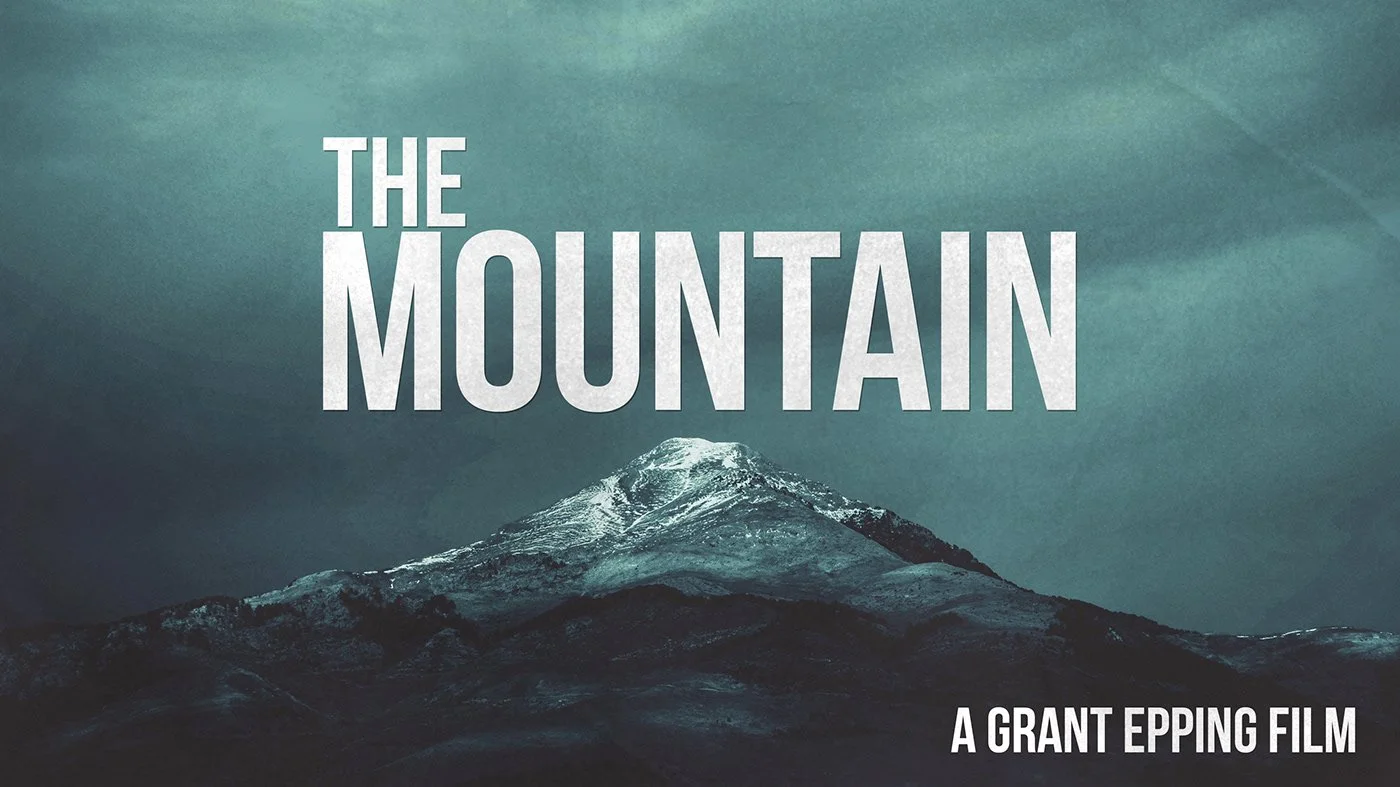
You may not have seen The Mountain, but its pitch deck is well worth checking out. It is aesthetically so consistent and well-designed, even without reading any text from it (and indeed, neither the full deck nor the full descriptions are available), it’s clear exactly what kind of film it proposes: an action-packed, edge-of-your-seat thriller set in a frigid and remote mountainscape.
The filmmakers called it “a survival film meets murder thriller” with rocking color theory giving the icy green imagery a contrast with red highlighted words (in this case, “murder”). Here’s the logline:
Mourning the loss of their mother, two sisters embark on an adventurous mountain climb but soon find there are killers hunting them. It’s not just the elements that pose a danger — they’re in for the fight of their lives.
This one also includes a snappy tag that might be found on a poster:
Outwit
Outlast
To the Summit
With comparable films (and their aesthetically comparable posters) included such as The Revenant, Everest, and Wind River, this deck sets up the target audience and the experience they’ll have.
HUNTER’S CREED
Why does God allow bad things to happen?
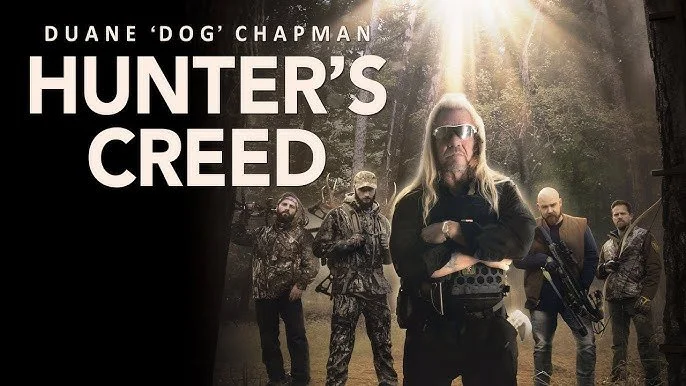
The Hunter’s Creed pitch deck was created for a very specific built-in audience. Starring Duane “Dog” Chapman, it’s a faith-based found footage thriller about an Atheist who, after losing his wife to cancer, goes on a hunting trip with some childhood church buddies and finds himself stalked by something evil within the woods that “brings him face to face with death, both physically and spiritually.”
The pitch deck was clearly created for a pitch meeting for investors, because in addition to highlighting the story and characters, it goes into great detail about why the filmmakers believe it will be a commercial success, including target audience, market, and festivals.
The film was designed to be a low-budget indie film that avoided the box office and went straight for digital and home video. The filmmakers knew exactly who was going to make their film and how and what their plan was to distribute it — and, judging by the Deadline article that announced the project, it seems they were right on their target.