
Stereotypes in Movies: The Definitive Guide

Naturally, stereotypes are a touchy subject, especially in the context of Hollywood’s history. If you watch any movie from before 1950, you are undoubtedly going to come across either the most racist or sexist thing you’ve ever seen in your entire life. As awful as this is, it isn’t all that surprising, because, well, those movies were often made by sexists and racists during an especially sexist and racist time. But luckily, art isn’t just a product of the culture; the culture is also a product of the art. So once people started breaking down barriers and making art that denied the previously “accepted” stereotypes, the world actually started to deny them, too. Which goes to show you just how powerful depictions in your writing can actually be. In this article, I’m going to analyze stereotypes in the context of a film, why they’re so powerful in shaping audience perception, and the best ways you can avoid them in your writing (because after all, even if they’re not dangerous or offensive, they’re still lazy). Let’s dive in.
The Basics
What is a Stereotype?
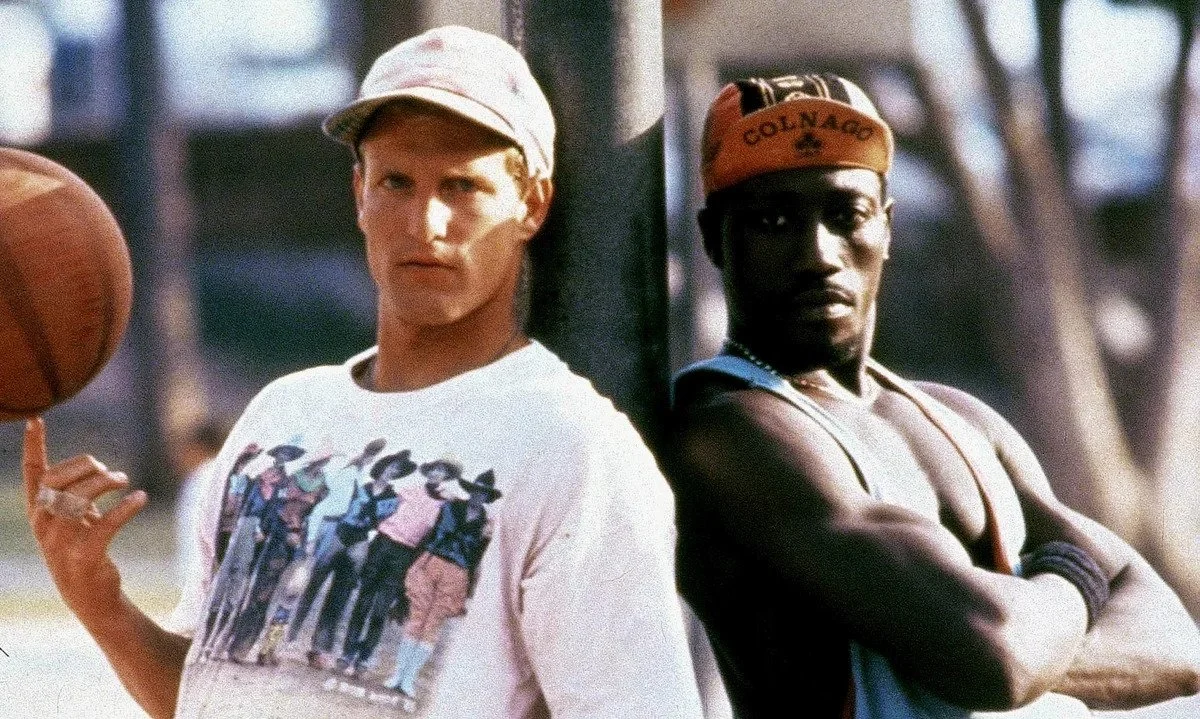
A stereotype, in its simplest definition, is a widely held, but oversimplified and generalized, idea of a person, group, place, or thing.
Why Do They Matter?
Stereotypes matter in film primarily because they reinforce these oversimplifications instead of fighting against them, leading to audiences to treat them as fact within a real-life context, no matter how inaccurate they may be on an individual basis.
As a result, the audience’s perception of reality has the potential to be swayed by these various media representations, further keeping groups and ideas trapped within the confines of their stereotypes.
What Are the Main Categories?
The main categories include, but are not limited to:
Racial and Ethnic Stereotypes
Gender Stereotypes
Age Stereotypes
LGBTQ+ Stereotypes
Disability Stereotypes
Cultural and Nationality Stereotypes
Occupational Stereotypes
Genre-Based Stereotypes (in the context of film)
These are just some of the most common examples, which we will explore in further detail below.
How Do I Avoid Them?
The only way you can avoid stereotypes is if you’re aware of them and work to keep them out of your writing. This can mean editing your script once you fall into one accidentally or consciously avoiding them from the beginning. But if you aren’t able to recognize that something you’re writing can be considered a stereotype, then you’re never going to realize your mistake in the first place.
When it comes to identity-based stereotypes, for example, you must have your finger on the pulse of the current cultural landscape in order to know what might be a generalization or not. Obviously, some more egregious stereotypes don’t require that much historical context to know that they’re wrong, but without a solid knowledge of the most recent cultural conversations, it’s very possible that you may fall into a more subtle stereotype that you didn’t even know existed. So, participate in society, see what people are discussing online, and have some conversations with friends from different backgrounds. The goal is to stay as well-informed as you possibly can.
The other way to be made aware of stereotypes in films is to simply watch films. Focus on a certain genre, study the characters and plots, and find the common denominators that tend to generalize entire groups of people. The patterns will become evident after a while, and then you’ll be able to consciously subvert these ideas in your own scripts.
The Major Categories of Movie Stereotypes
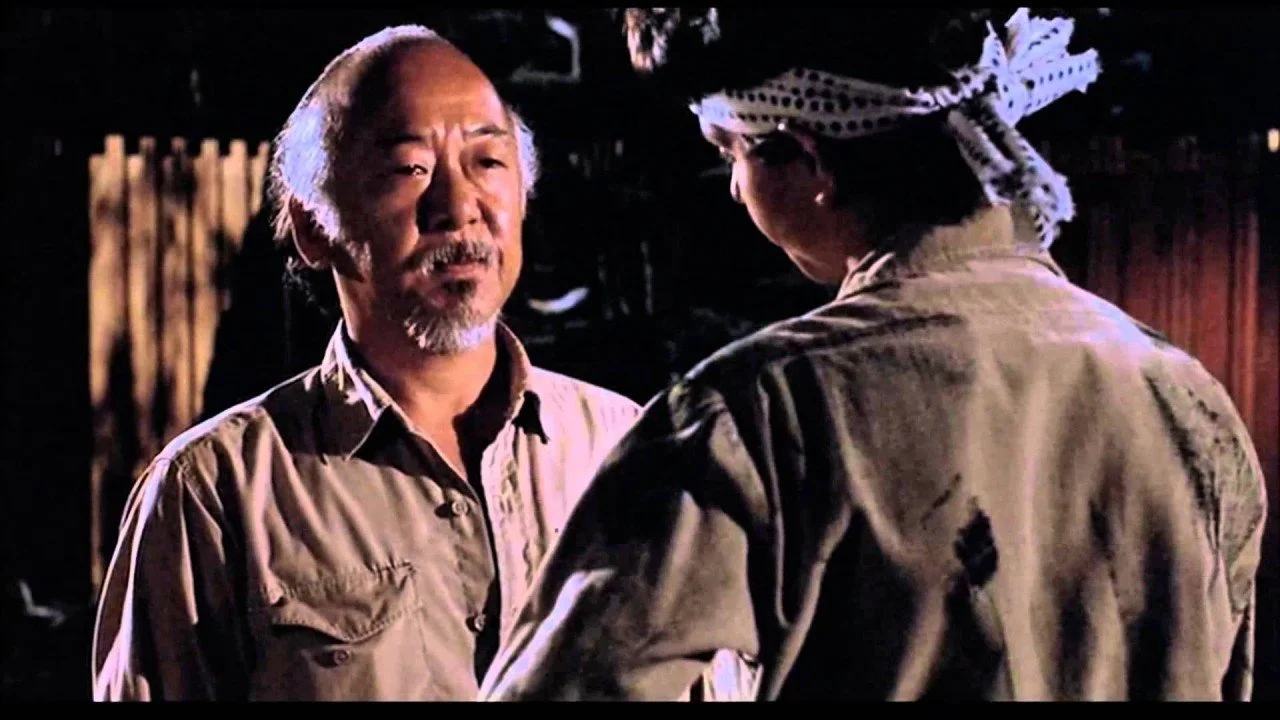
As I said, there are practically unlimited groups of stereotypes that I can explore, but for the sake of time, I’m going to stick to the most common instances and provide some definitions and examples of each one. Some stereotypes might exist as the result of the writer’s biased perception of reality, while others might exist as the result of recreating an already accepted trope within film, despite it having no real basis in the real world.
1.Racial and Ethnic Stereotypes
Definition: Stereotypes that exist primarily because of a sweeping generalization of an entire race or ethnicity.
Examples:
Indian characters running convenience stores
Italian characters being mob-affiliated
Black characters being the “funny best friend.”
2. Gender Stereotypes
Definition: Stereotypes that play into the concept of “gender-roles” in society or reinforce differences between men and women that many believe to be true.
Examples:
Female characters being stay-at-home moms
Male characters being drunk, deadbeat husbands
Male characters cheating on their partner for sexual reasons vs female characters cheating for emotional reasons
3. Age Stereotypes
Definition: Stereotypes that reinforce biased perspectives of people from different age groups.
Examples:
The wise old man character
The crazy cat lady character
Young people being dumb/naive
4. LGBTQ+ Stereotypes
Definition: Stereotypes that uphold assumptions made about people with different gender journeys or sexualities.
Examples:
Gay characters being sassy or flamboyant
Lesbian characters being masculine or athletic
Transgender characters being the root of a sexual situation for the protagonist
5. Disability Stereotypes
Definition: Stereotypes that support societal biases or assumptions regarding people with disabilities.
Examples:
Handicapped characters always being a victim
Mentally disabled characters wishing they were smarter
Schizophrenic characters being murderers
6. Cultural and Nationality Stereotypes
Definition: Stereotypes that exist primarily because of a sweeping generalization of an entire culture or nationality.
Examples:
Gross or comedically exotic foods being served when a character visits another country (monkey brains, live bugs, etc.)
Fictional “cultural customs” being presented as a conflict for the protagonist
The “Mexican Filter” (scenes that use sepia or other warm color grades when a character visits Mexico)
7. Occupational Stereotypes
Definition: Stereotypes that play on bland characterizations of various occupations, primarily as the result of previously accepted movie tropes.
Examples:
The corrupt cop
The ditzy assistant
The scientist who can’t get anyone to believe their research
8. Genre-Based Stereotypes
Definition: Stereotypes that have been reinforced primarily as the result of genre-specific cliches.
Examples:
Black characters dying first in horror movies
Women being untrustworthy in noirs
Europeans being the villains in American action movies
Why Stereotypes Persist in Film

Stereotypes continue to persist in film for a number of reasons. Obviously, the bias of the writer plays a major part, don’t get me wrong, but there are a number of alternative factors that may contribute to this flaw in the artform. Allow me to walk you through all of the most common reasons why stereotypes are still present in film, despite consistent backlash, and highlight why they might be more difficult to overcome than you think.
Simplicity/Speed of Storytelling
Sometimes, in the entertainment industry, quantity is more important than quality. I know we like to believe that every single movie is made with tedious thought and care, but that is far from the truth. In the instances where somebody just wants to make an inexpensive movie as quickly as possible, the writer is expected to have a quick turnaround. As a result, the end product tends to be filled to the brim with typical plotpoints, one-dimensional characters, and, of course, stereotypes. It’s not necessarily that the writer wants to include these aspects in their movies; it’s just the natural result of rushing a difficult task.
Market/Audience Expectations
Another unfortunate truth is that money rules all. For the most part, if a film is to be enjoyed by a wide audience, it usually has to avoid difficult or controversial thoughts, even if it is a morally correct one. If a majority of the public is offended by or disagrees with the content of the film, it’s going to sell fewer tickets. Big studios tend to try to appeal to the majority, not the morally righteous. And as a result, many groups of people end up getting thrown under the bus in the process.
Legacy Tropes
For many years, legacy tropes served as an outline for how certain movies should play out. All the slasher films from the 80s had the same basic teenage protagonists, all the action films from the 90s had the same hero archetypes, and all the rom-coms from the 2000s had the same unexpected romances. People knew what they were going to get each time, but they enjoyed the subtle differences between each film. And many filmmakers enjoyed making these types of movies. But after a while, audiences began to get bored with such repetitiveness and borderline offensive characterizations. As I mentioned above, legacy tropes existed more to serve as an homage to an already integrated staple of the genre, more than to make bold claims or assumptions about entire groups of people, and as a result, filmmakers have actually begun to subvert these into something fun. The Cabin in the Woods completely flipped the five main horror character tropes on its head. The Blackening geniusly played into the “black character dies first” stereotype by having an all-black cast (the tagline of the movie being “We Can’t All Die First). I go into modern subversions of stereotypes in more detail below, so I’m not going to spend too much time harping on it here, but you get my point. While not all legacy tropes remain due to filmmakers poking fun at them, I think it is going to be a big reason why they’re still in the conversation in the very near future.
Global Distribution Pressures
Once again, this is another stereotype that remains purely for financial reasons. Basically, big movies have to consider their dominant markets overseas when producing their film. If Chinese audiences are expected to turn out for a big war movie, then it would be wise not to depict China as the bad guy. As a result, the filmmaker might choose to make the country at fault someone more stereotypical for a movie of this genre, such as Germany or Russia. This is basically what happens for any film that focuses on international affairs, and producers simply switch and swap the countries depending on who’s expected to watch it the most.
Biases (Conscious or Unconscious)
By far the simplest answer for why stereotypes are reinforced in film is that the writer believes them to be true. If the writer is misogynistic, then misogynistic themes are bound to arise. If the writer is racist or has never experienced diversity, then racist or stereotypical characters of other races are probably going to show themselves, too. And this happens both consciously and subconsciously, I might add. A common example of this nowadays tends to center around either sexuality or transgenderism. Many experienced screenwriters are from older generations, and they just don’t understand the nuances of such recently accepted advances in society. They may not intentionally be trying to stereotype certain characters, but their lack of knowledge on such subjects may lead to ignorant writing regardless.
Laziness/Lack of Creativity
Sometimes, people just aren’t good writers. And when you’re not a good writer, you might end up stereotyping just because you can’t think of anything else. What kind of character might be working at this place? The easiest answer is a stereotype. Why would a female character do this thing? The easiest answer is a stereotype. What does the villain of my movie look like, and how should they speak? Once again, the easiest answer is probably a stereotype. Stereotypes, tropes, and cliches serve as the easiest way out of almost any train of thought, so bad writers are always going to resort to them. And unfortunately, sometimes, bad writers get their movies made, too.
How Modern Filmmakers Subvert Stereotypes
Now that practically anyone from any background has the potential to get their movie made, many filmmakers have wielded this power to consciously subvert the stereotypes that were common in the past. Here is a list of some great examples from recent years that you can learn from:
Barbie (2023), Greta Gerwig
This film takes all of the typical female stereotypes we’ve come to expect from Hollywood films (ones that have also been reinforced by the actual Barbie dolls, I might add) and completely deconstructs them by presenting the dolls as complex, imperfect individuals looking for purpose in a world where they’re judged by their appearances.
The “existential crisis” Barbie encounters highlights how many women are viewed in a still very misogynistic society. Gerwig is pointing out that the very reason why people like Barbie dolls in the first place is problematic and serves as a microcosm of the female experience.
Gerwig also pokes fun at patriarchy by emphasizing how ridiculous it is when the roles are reversed in the female-run Barbieland. If the rules and societal structures look silly there, then why don’t they look just as silly in the real world, which is mostly led by men?
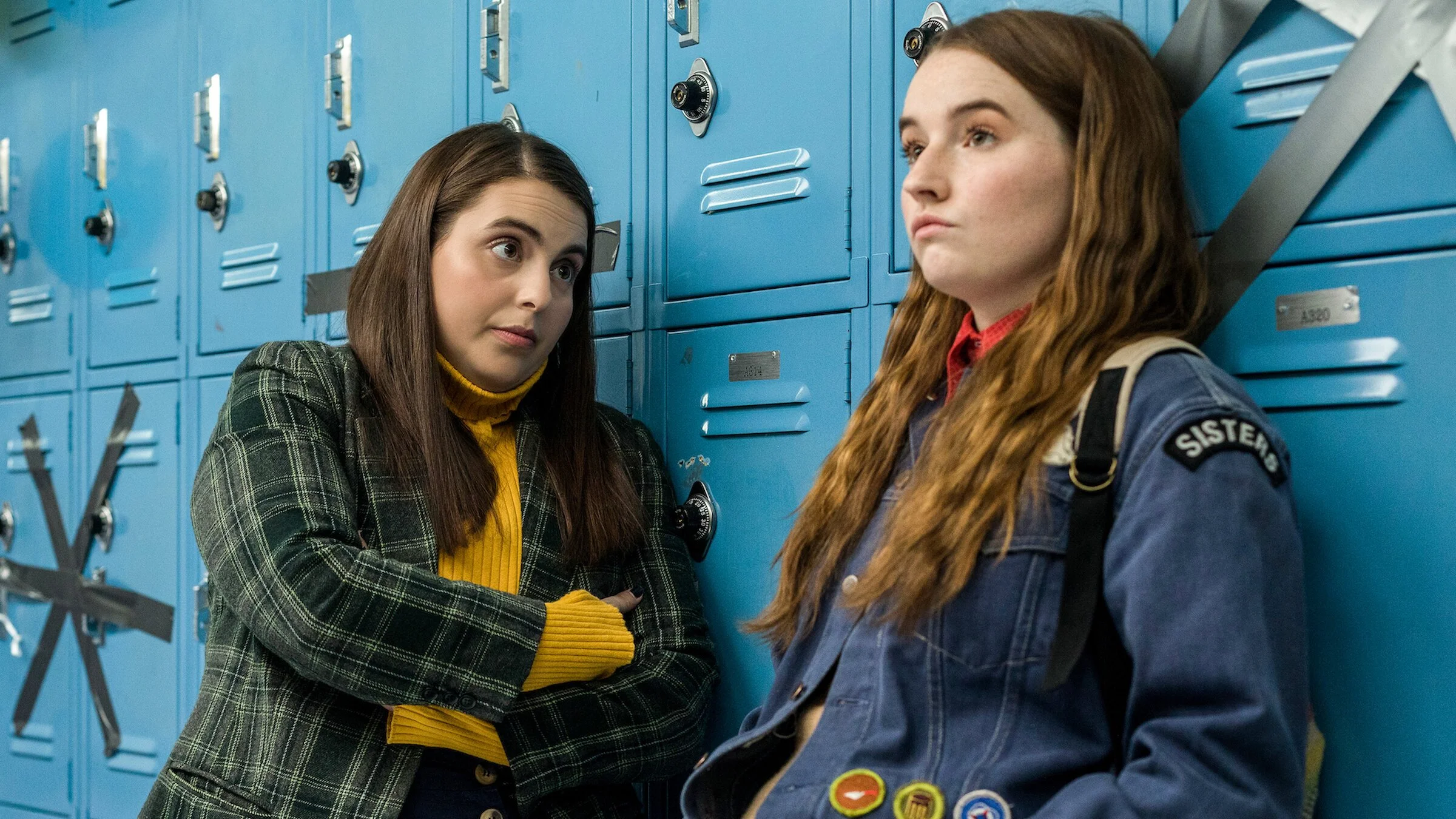
Booksmart (2019), Olivia Wilde
Booksmart took on the difficult task of challenging what is perhaps the most overdone stereotype in all of media: how teenagers in high school are portrayed. Practically every single teenage comedy plays into this stereotype a little bit, even the ones that are praised for the creativeness (looking at you, Superbad), but not Booksmart. The film introduces the characters just like any other high school comedy, setting the plot around two dorky students stuck in a world of pretentious cool kids (made up of your usual athletes, stoners, and troublemakers). When one of our protagonists finally snaps, she tells off this group of bullies by bragging that she’s going to go to college, while all of them will shrivel into desperate obscurity after graduating high school. It’s every nerd’s fantasy. But to our protagonist’s surprise, the cool kids are all smart, too, with most of them getting into better schools than she did. This leads our characters into a full-blown crisis where they’re left questioning every single stereotypical assumption they’ve made regarding their peers, thus allowing the audience to do the same in the context of media.
Get Out (2017), Jordan Peele
There would be no point in writing about stereotype subversion in film if I didn’t mention Get Out, a movie that points out so many flaws in the media’s depiction of black people that it would be enough for an entire standalone article. Jordan Peele’s magnum opus managed to:
Subvert common horror movie tropes centered around black characters by making all of its black characters complex, intelligent, and serious protagonists instead of silly side characters who exist merely to complement the white protagonist before they’re killed off in the second act. Even Lil Rel Howery’s character, who many assumed would fit this stereotype, ends up being the only person to take our protagonist’s fears seriously enough to investigate the situation, ultimately being a major reason why he escapes safely in the end.
Mock the surface “gifts” that white filmmakers have given to black people throughout film’s history. During the twentieth century, the bar for not being a racist was especially low, and many white filmmakers presented the black community with shallow crumbs of opportunity, of which they expected immediate praise. In the early days, it might have been “I’m not racist, my movie has a black character that’s played by an ACTUAL black person”. Then, in the mid-twentieth century, this became “I’m not racist, my movie has MULTIPLE black characters”. I could keep going, obviously, but you get my point. Peele emphasizes a more deeply rooted form of racism being buried beneath these superficial facades by having the antagonists present themselves as easygoing liberals who believe that being anti-racist means saying or doing “all the right things”: “I would have voted for Obama a third term if I could.”
Get Out also highlights the issues with the idea of “positive stereotypes” by exaggerating the ways white people fetishize and look to take advantage of black people’s bodies.
Practical Tips for Writers and Filmmakers
So, with all of that being said, allow me to leave you with a few tips on how to avoid stereotypes when working on your next project.
Do deep character research
Do not simply refer to your own assumptions regarding characters from a certainbackground or experience. More likely than not, you don’t know as much as you thought. Do the research, talk to people from that background, and work to represent them in a respectful, appropriate light.
Build multidimensional motivations
This is a writing tip that will help improve as a writer across the board, not just with avoiding stereotypes. If you work to make sure that all of your characters have deeply rooted, multilayered motivations, then you’re more likely to naturally avoid falling into the trap of stereotyping in the first place.
Avoid tokenism
Every character should exist and be portrayed a certain way for a certain reason. Your film is not a checklist, so do not try to squeeze in one-dimensional characters simply for diversity’s sake. If anything, that’s more offensive than just not having the character in the first place, and will only lead to more offensive generalizations being made in the process.
Frequently Asked Questions
Are stereotypes the same as tropes?
Stereotypes and tropes are similar, but not quite the same. Tropes refer to predictable or cliched storytelling devices, while stereotypes refer to groups of people. However, in certain instances, a stereotype can actually be part of a trope, such as movies centered around the relationship between a jock and a nerd.
Can stereotypes ever be harmless?
I would be lying to you if I said no, even though I’m sure that’s what most people would try to argue. Obviously, there can be cases of “harmless” stereotypes, like if you assumed that old people like hard candy. It’s not disrespectful, it’s not offensive, and nobody is going to get angry at you for thinking it. However, this is a slippery slope into thinking that all stereotypes that are “positive” are harmless, which is not true. So be careful.
How do I write diverse characters without stereotyping?
The easiest answer to this question is to focus on the character as an individual first, and then allow their background to round out certain aspects of their personality. If you start with their background first and then get to them as an individual second, you’re likely going to end up stereotyping.