
Want vs. Need: Building the Internal/External Engine of Your Protagonist

Being able to define and differentiate your protagonist’s wants and needs is one of the most fundamental skills you need to master if you want your screenplay to stand out from the crowd. I had already briefly mentioned wants and needs in my article about making a good screenplay great, but now it’s time to focus on these two elements specifically. Think of this knowledge as any other tool an artist may use to their advantage. Like a painter without a brush, not knowing your characters’ wants and needs leaves you limited; unable to reach the full potential of whatever it is you set out to achieve with your story. But once you’re able to grasp these concepts, it opens up an entire world of possibilities for your script and the characters who inhabit it. But what are these possibilities? And why is this “fundamental skill” so much more difficult to achieve than it seems? Well, in this article, we’re going to answer these questions, help define exactly what I’m talking about when I say “wants” and “needs”, and guide you on the best ways to utilize all of this to your advantage the next time you’re writing a screenplay.
Defining the Terms

“Wants” is pretty self-explanatory. It’s your character’s main, surface-level goal; their apparent desires. It’s the selling point of the film and guides the characters on their initial journey. To give the easiest example possible, think about the film Forgetting Sarah Marshall. What does our protagonist want in that film? Well, to forget his cheating ex-girlfriend Sarah Marshall, of course.
“Needs” is where the true challenge comes in. In simplest terms, this is simply what is best for your character. It doesn’t matter if they want it or not, and it doesn’t matter if they’re even aware of it or not. It just has to be what’s best for them. If the “want” is what initially guides the character on their journey, the “need” is what’s supposed to keep them going. To refer back to my Forgetting Sarah Marshall example, the protagonist may want to completely forget about his ex-girlfriend, but what he needs is to remember where things went wrong with her, learn from that, and move on in a healthy way.
Why It’s So Important
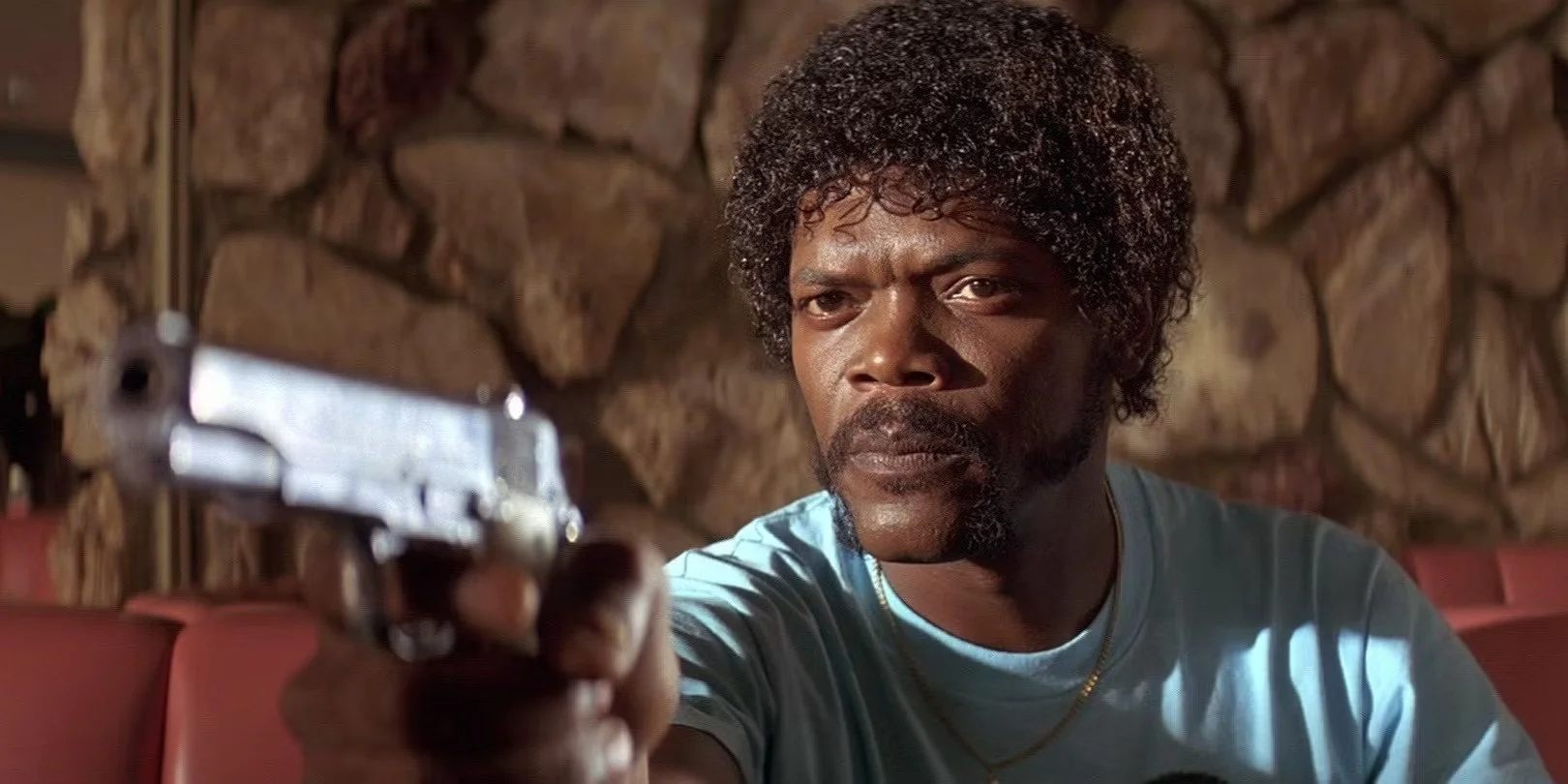
Knowing the difference between the two is important for a multitude of reasons. First of all, it allows your character to have more depth and provides them with the opportunity to consciously or unconsciously pursue goals that may differ from the primary conflict in your story. And this doesn’t just make your characters better, but it also gives the audience something extra to read into when watching your film. And as a result, it makes the movie far more entertaining. Simply putting your character in a problematic situation and having them take steps to solve it is not interesting. What is interesting is providing them the opportunity to learn something about themselves along the way, giving them a chance to unexpectedly develop as a character. Let’s take a look at Samual L. Jackson’s character Jules in Pulp Fiction. On the surface, he’s a pretty stereotypical gangster who has to retrieve a stolen briefcase for his mobster boss. That’s his want. Fun? Yes. But especially interesting? Not really. What he needs is to realize that he’s chosen a fairly dark path in his life, is lucky to be alive, and must take drastic steps to redeem himself as he moves in a new direction. By adding in this extra layer of character development, Jules takes the leap from being a run-of-the-mill gangster to being one of the most iconic movie characters in (somewhat) recent history.
How to Find Your Character’s Needs
Before you can ultimately determine what your character’s needs are, you have to truly know your character inside and out (you can refer to my articleon character development for more help in this area). Essentially, you have to figure out what kind of person your character is and who they should be. Ideally, the character’s needs should be a blind spot in their mind; something they wouldn’t consciously choose and that’s pretty far off from their superficial desires. Navigating this gap is especially important, because it’s what provides all of the room for change in the first place.
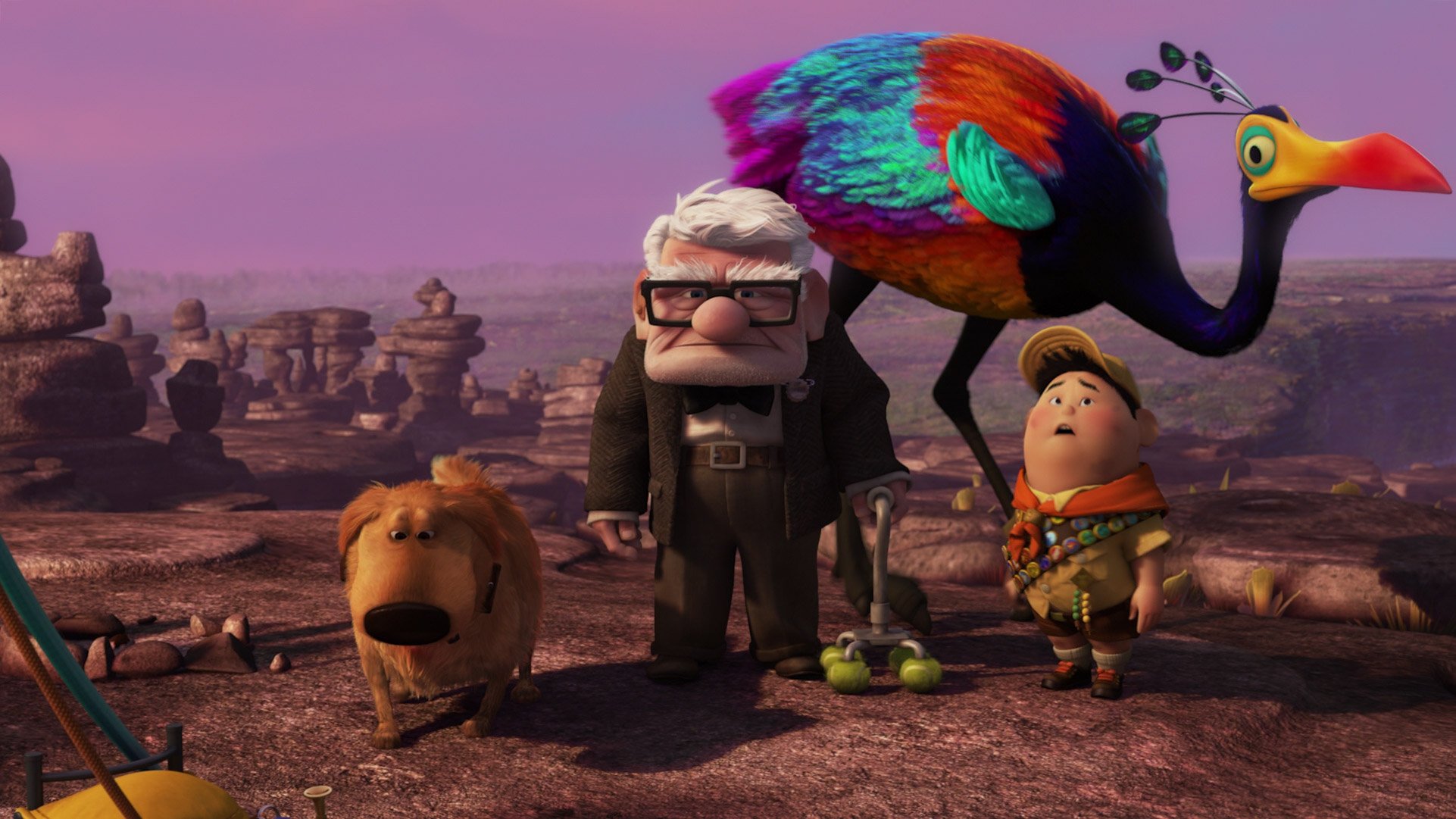
Once you truly know your character, the next step is to start asking more questions. If they have flaws, what choices should they make to improve in those areas? And what situations should you put them in to provide such opportunities? Think of the character Carl in Up. He’s a grumpy, lonely widower who has lost his lust for life and wants to go on one final adventure by himself as a tribute to his late wife. What is the best way to help him grow during this journey? Well, forcibly sticking the dorky 9-year-old Russell by his side for the whole trip is one way to do the trick. If the writers didn’t introduce Russell, Carl would have gone on his journey, succeeded in his goal, and died a grumpy old man (because that’s all he really wanted). But what he needed was to learn to love and care about people again, and Russell’s character provided him the opportunity to do just that.
How Should This Play Out When Writing?
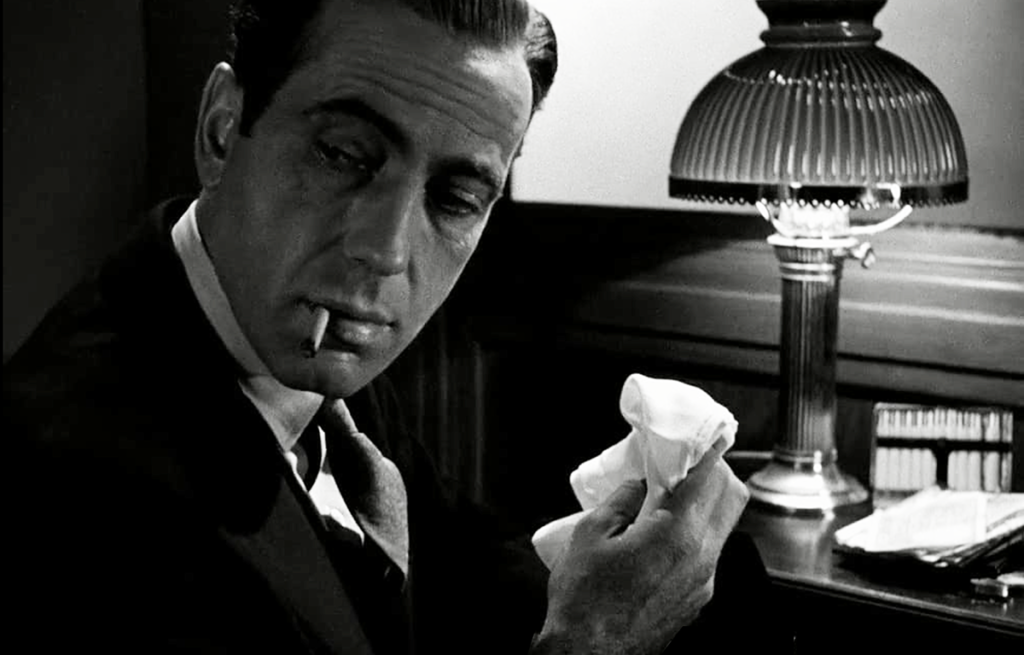
How this plays out entirely depends on every writer’s individual process. Some writers prefer to come up with the characters first, and then find the plot along the way. If you’re anything like this, then the process for determining wants and needs might be fairly easy, assuming you’re able to brainstorm an interesting plot after the fact (and if you need help with that, please refer back to my articleon some fresh script ideas). Let’s pretend you’ve come up with a private detective character who doesn’t have anyone close in his life and never gets too invested in the subjects he’s investigating. He’s a hardass, he’s devoid of all emotion–the whole nine yards. You may realize that the best direction for this character to grow in is to make him someone who actually does care about other people, despite his best efforts. Well, once you reach this point, you can start brainstorming various P.I. plot points that would allow the character to undergo this emotional change. Maybe while spying on someone, he empathises with them somehow. Then, during a stakeout, he sees that his subject is about to be attacked and intervenes. Now he’s personally invested, is forced to learn about the person he’s spying on on a personal level, and proceeds to go on a mysterious crime journey with them. Boom. The perfect plot for your character to undergo the arc you wanted.
Alternatively, you may be the kind of person who develops an interesting plot first, and then has to brainstorm the perfect character to throw into this situation. This one’s a little more difficult for the writer because they have to rely on their predetermined plot to provide the opportunity for a character’s growth. Which wants and needs can you give your character to align with the story in an interesting way? How does this story guide them towards the finish line? What personal arcs fit seamlessly into the plot, and if they don’t, what changes do you have to make in order to do so? If you can adequately answer these questions, and you’re fully satisfied with the answers you’re getting, then you’re on the right track.
Building the Engine

Now that you have both your basic plot, characters, and wants and needs determined, how do you effectively translate this into an interesting script? Well, there is no set rule, but as I mentioned above, the want should be something readily apparent. It’s what sets the character and plot in motion. Naturally, this means that the want should be clear to the audience by Act 1.
As the film continues, the true needs of the character should begin to reveal themselves (and hopefully conflict with the character’s wants). Ideally, as this happens, an internal crisis should brew within your character as they start to realize they’ll eventually have to make a choice between the two.
Finally, in Act 3, the character should be forced to make their decision between the two. Whether they choose to stick with their wants or needs entirely depends on the message you want to convey, but a choice must be made regardless.
Common Mistakes

When developing your character’s wants and needs, here are some common mistakes that you should consciously avoid at all costs:
The Want and Need End Up Being the Same
Sometimes a writer can fall into a trap where their character’s wants and needs are basically the same thing, and the result is a script that is void of almost all conflict and character arcs. If your character wants to better themselves in some way, it’s likely that their need is going to end up being something pretty similar. If that’s the case, your character drastically loses depth, so try to avoid this if you can.
The Need Is Never Dramatized
The audience must have some emotional investment in the character’s needs, or else there’s no reason to care. So it’s important to always dramatize these needs through the character’s actions and decisions, not just through stated dialogue. Otherwise, it’s going to seem forced, and whoever’s watching your film will lose all attachment to your characters.
The Want is Too Vague
The want is the initial driving force of the plot, so it has to be something interesting enough to get the audience into your story and specific enough to generate enough scenes to keep the movie going at an exciting pace while the character’s needs are slowly revealed. If the want is too vague, you’re likely to end up in a hole where you simply don’t know where to take your story. And as a result, you’ll end up hamfisting in uninteresting scenes that exist purely to get you to the finish line, which just isn’t going to be enjoyable for anyone.
Conclusion

In conclusion, determining wants and needs is an important step in giving your script and all of its characters more depth and layers, allowing for a thoughtful arc that exists for a true purpose. And while this may be something that comes naturally to many well-read writers (some without even realizing it), being conscious of this crucial writing step can help you ensure that your script is telling a thoughtful message and is moving at an emotionally intriguing pace.