
Title Cards and Credit Sequences in Scripts: Cardinal Sins or No Big Deal?

If you’ve read any of my blogs before, you’ll know that I absolutely hate the idea of “rules” in screenwriting, mainly because every “how to” book and video about screenwriting tends to harp on memorizing and following the rules more than just writing a good script. And the attitude towards title cards and credit sequences is no different. The general consensus, like every other fun thing a writer tries to implement into their script, is that they should be avoided unless absolutely necessary. The main reason being that it’s up to an entirely different crew member, such as the director, to decide how these details pan out in the final film. But the same argument could be applied to almost every other part of a script, from the character’s tone when saying a line to how they dress. And yet, the writer is still “allowed” to write those things into their screenplay, even though they know these things can and likely will be changed by someone else later. So what makes the title and end credit sequences any different? How can a writer tell if these inclusions will come across as unnecessary or supplemental to their screenplay? And when, if ever, is it appropriate to treat these sequences as an integral part of the story and write them into your script exactly how you picture them on the big screen?
The Times When It’s Absolutely Necessary
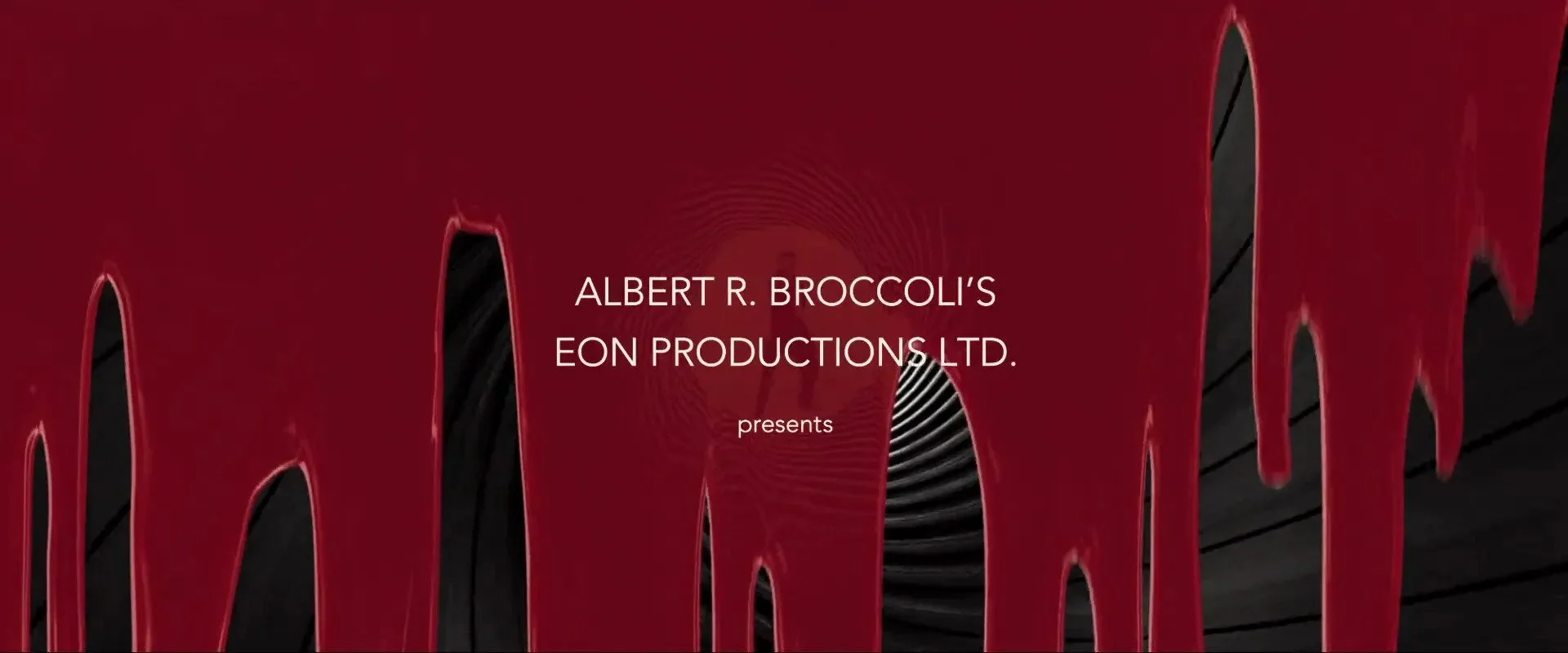
Obviously, there are some very extreme cases where the title card and opening credit sequences are absolutely crucial to the script, but these are rare. More established writers may encounter this scenario when writing a film that belongs to an already established IP, like Star Wars or James Bond. These are films in which the timing and style of the title card are integral parts of the experience, so it would make sense for the writers of these films to lay out exactly when and how they want their title to be presented. Can you imagine reading the script for the next James Bond film and having it completely gloss over the iconic gun barrel title card and intro? You’d be livid.
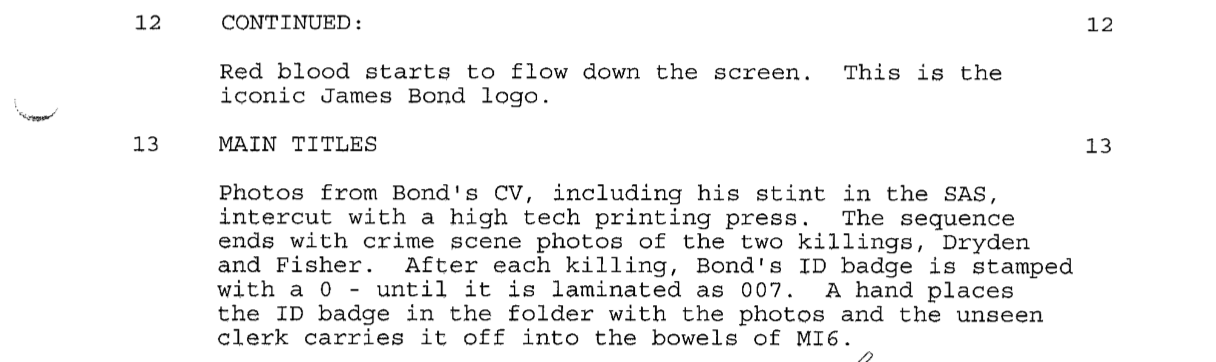
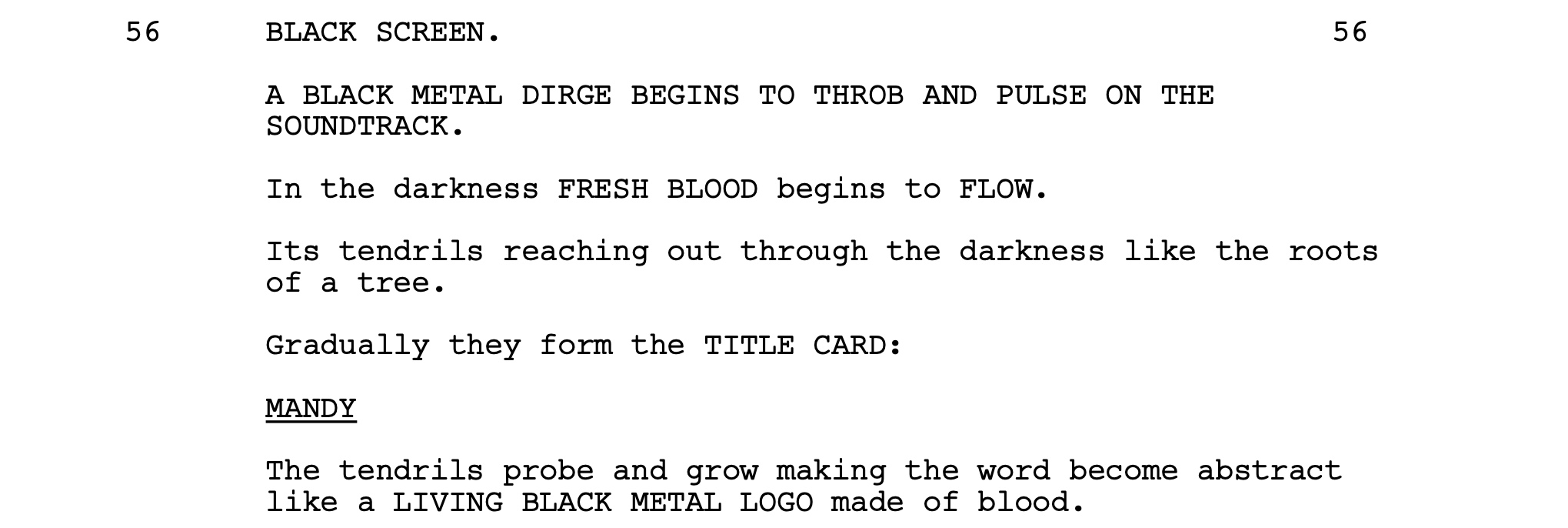
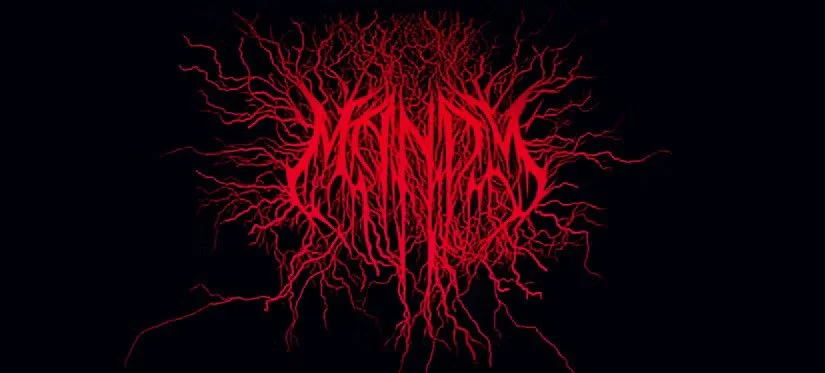
But the odds are, you are not an established writer in charge of crafting a major IP, so when does this exception apply to you? Well, the most common instance would be if your script was split up into chapters. In this case, it would make sense for your first “chapter” to be either some sort of prologue or cold open, in which the title card’s placement, along with the opening credits sequence, would actually serve a purpose in organizing the structure of your film. For example, take a look at the script for the 2018 film Mandy. This film was organized into 3 distinct chapters, with the final one not appearing until page 60 of the script. This chapter, named “Mandy”, served as both the beginning of the last act and as the title card for the film. Additionally, the title card at this part of the film had such a distinct design, and represented the visual style of the film so well, that it served as an alternative logo for the film (and even appears on the first page of the script). So, suffice it to say, there’s a pretty good argument for writing this one into the script.
Another instance would be if your film’s opening scene was a flashback or started off in a completely different time period from the rest of the film. In this case, the title card or opening credit sequence may serve as a transition, preventing the audience from being overly jarred by a major time jump between Scene 1 and Scene 2. Since the title card and opening credit sequence assist with the rhythm of the story, it could be argued that you had to include them in the script.
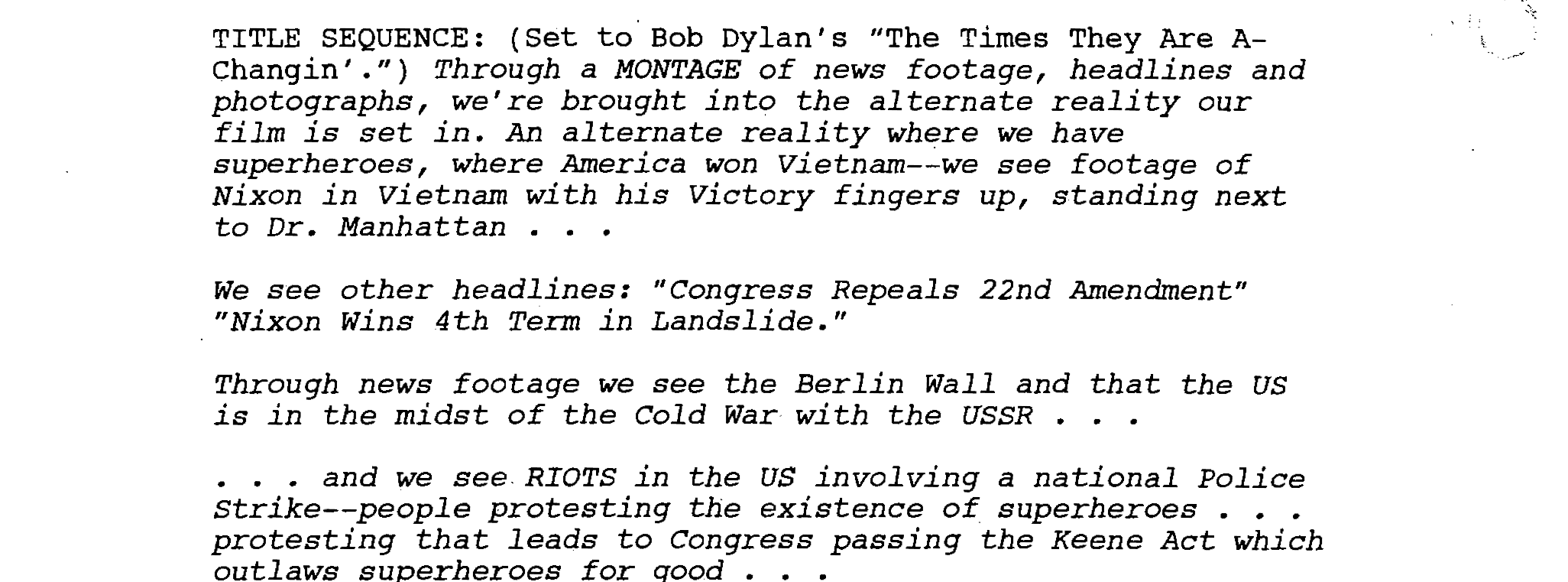
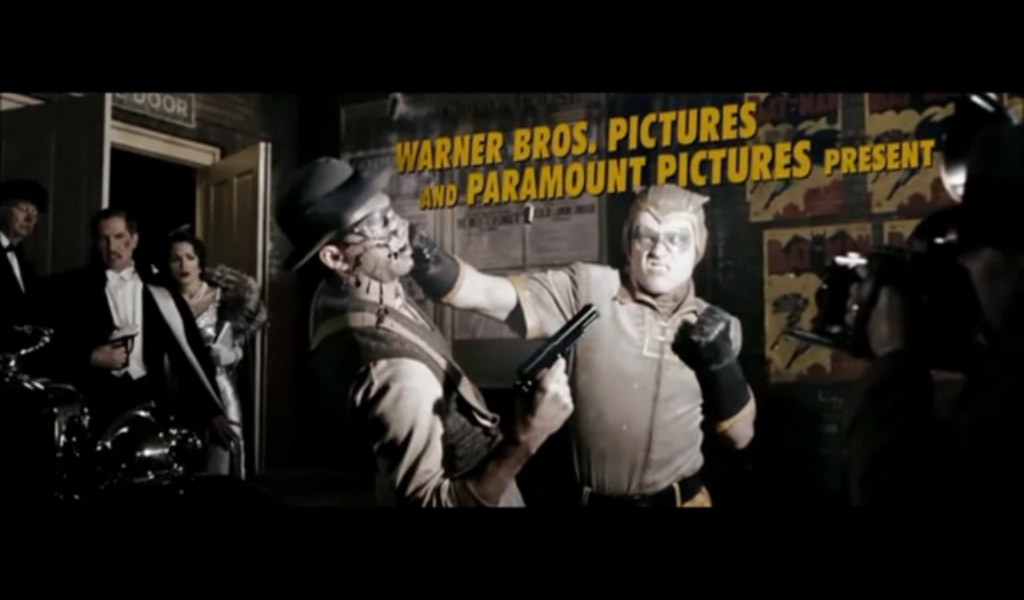
The final and least common instance would be if the title card and/or credit sequence were somehow part of the film, rather than something supplemental. Think of an action or mystery film in which the opening credit montage somehow presents clues or information that are necessary for understanding the plot better, such as Watchmen.
In any case, it’s important to note that these cases are rare, and you should only do it if it’s really bringing something to the table.
The Times When You Can Get Away With It
In all honesty, you can get away with including a title card or credit sequence almost anytime you keep it short and simple. Simply choosing a preferred placement for “cue title and opening credits” isn’t going to make anybody stop reading your script. The readers will really only care if you make a big deal about it, such as adding a song or accompanying images. So, when can you actually get away with adding in these fun, yet often unnecessary details? Well, the answer is the same as any other time you want to break industry rules: whenever it works.
And listen, I know that’s not really helpful, but it’s true. You have to be bringing something so interesting to the table that the reader of your script turns the page with satisfaction rather than frustration at your rookie mistakes. So, I guess what I’m trying to say is, if you’re going to do it, make it count. You need the reader to think “Oh, that’s a good idea”, and not “Oh my God, what is this guy doing?”. If you think your unique title card and credit sequence are brilliant, and it really helps set your script apart from the competition, then by all means do it. But definitely don’t make it a habit.
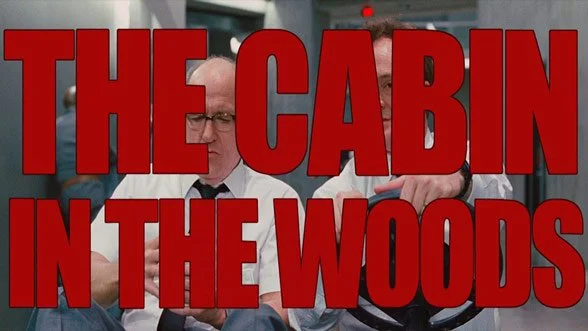
And just so I’m being consistent with examples, I would say a good instance of this is in comedies, where the title might serve as a punchline itself, like in The Cabin in the Woods.
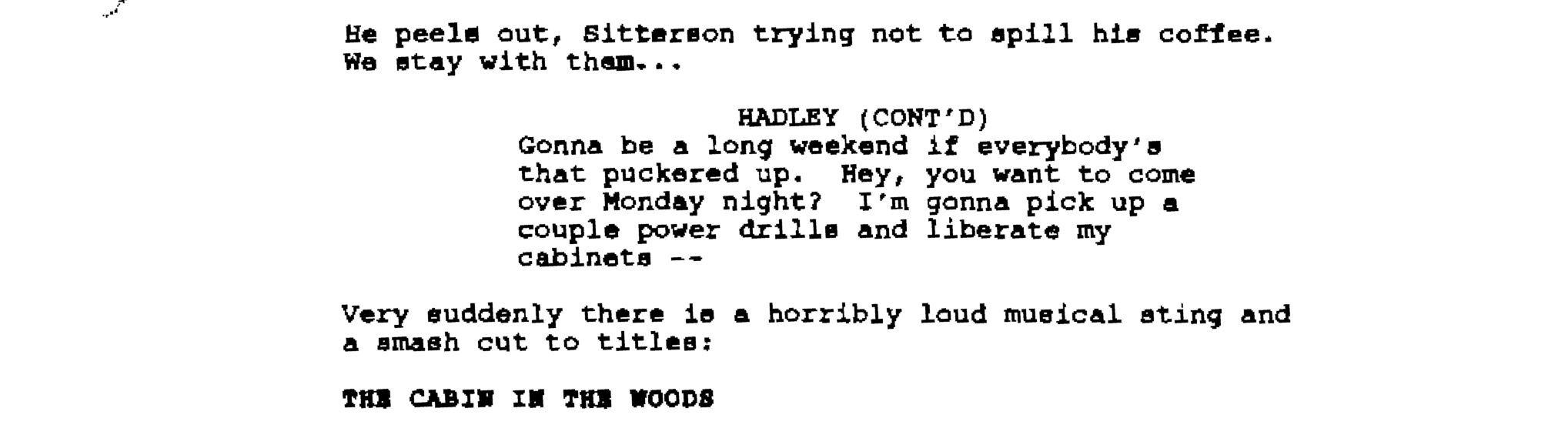
This title card perfectly encapsulates the toeing-the-line mood of the film, where it’s constantly bouncing back and forth between ridiculous and horrifying. It might not be absolutely necessary, but it definitely achieves what it set out to do.
The Times When You Should Avoid It Completely
While this may sound a tad paradoxical, determining whether your title card and credit sequence should be excluded is far easier than determining whether they should be left in. And that’s because it’s very easy to spot the bad ones. To make this simple, you should NOT include a specific title card and credit sequence whenever it’s in there for fun, for tone, or for your own personal stylistic reasons.
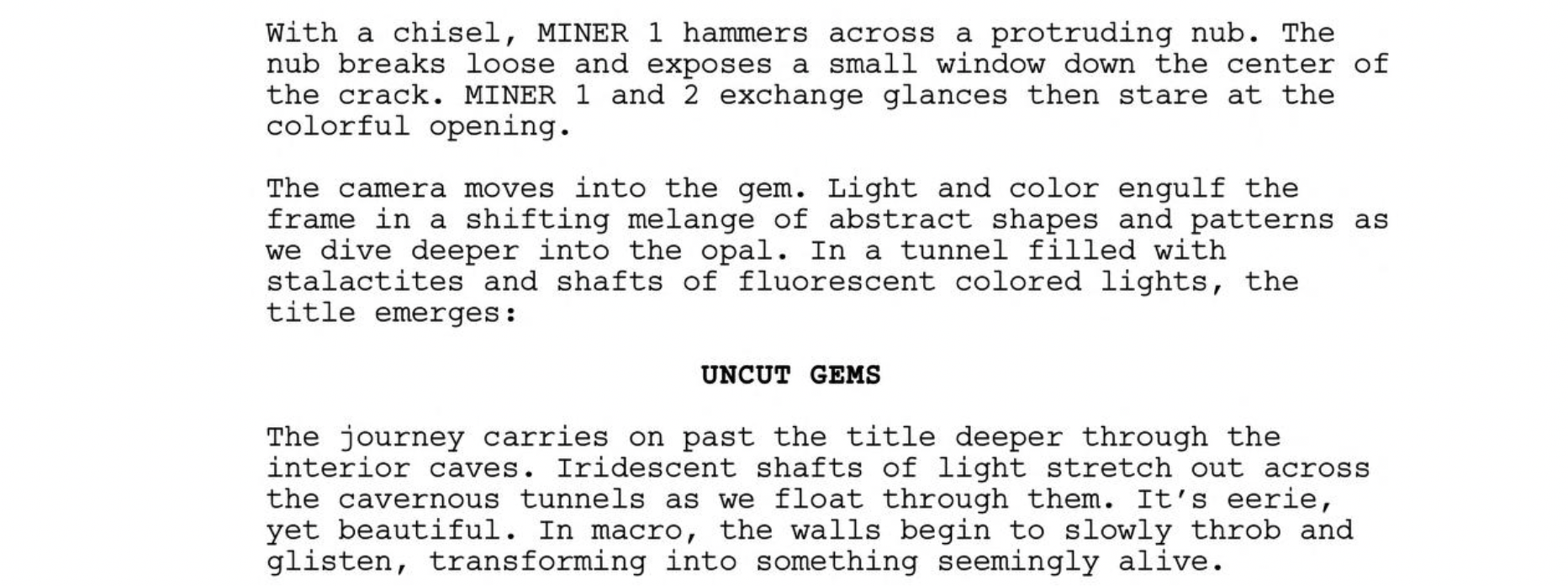
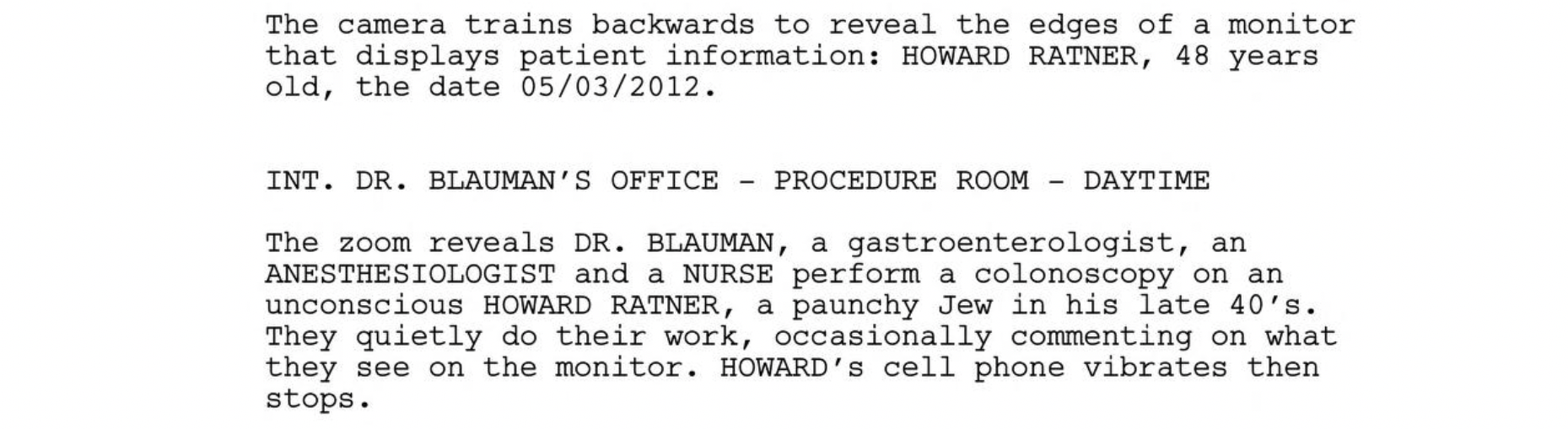
When I say for fun, I’m thinking of any writers who simply think, “Man, this would be cool to throw in there”. Listen, we all have dreams of seeing the finished product of our scripts on the big screen, and the opening title is one of the most signature elements of seeing a film for the first time. But unless you’re the director, it is not really your job to decide what is “cool” or not in the final film. The best example I can think of for this would be the psychedelic colonoscopy in Uncut Gems. It’s fun, it’s unique, it’s surprising, but it doesn’t affect the screenplay whatsoever. If Safdie wasn’t directing it, my guess is it never would have stayed past the first draft.

Tone is another reason to avoid title cards and credit sequences. Just as I mentioned before, writers love to imagine the final product. And when doing this, it’s natural to concoct the perfect song and the perfect combination of images to run alongside the opening credits that would all set the perfect tone for your film. But as the writer, you’re supposed to let the script itself set the tone. Not something that’s out of your hands, such as music choices or nondiegetic montage sequences. So if you catch yourself including a hyper-specific title sequence, ask yourself if it serves a real purpose in the story or if you’re trying to take a step into the director’s chair to help set the tone. If the answer is the latter, it’s probably best to just cut it.
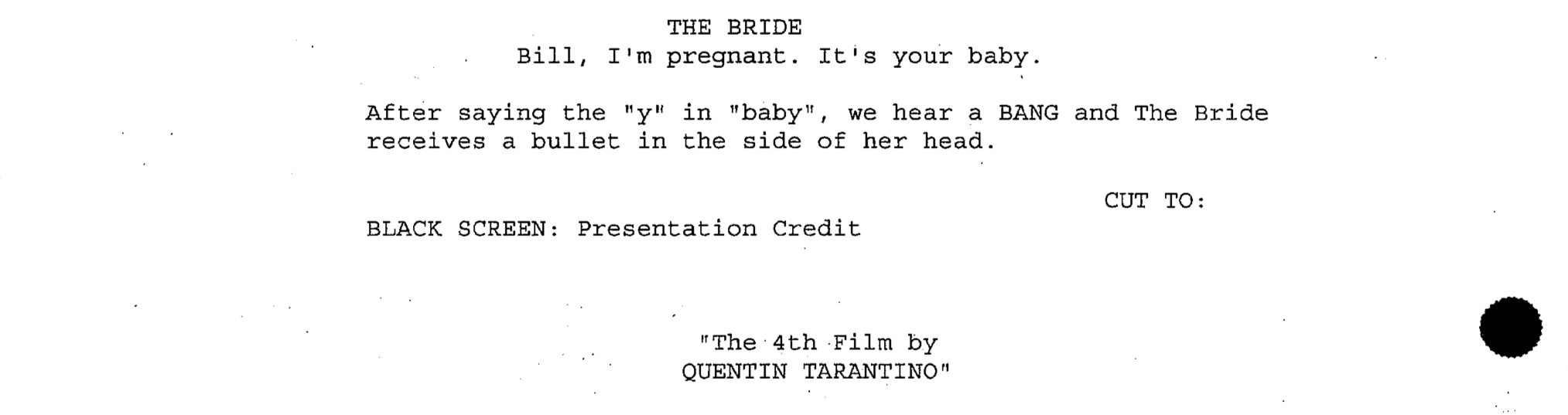
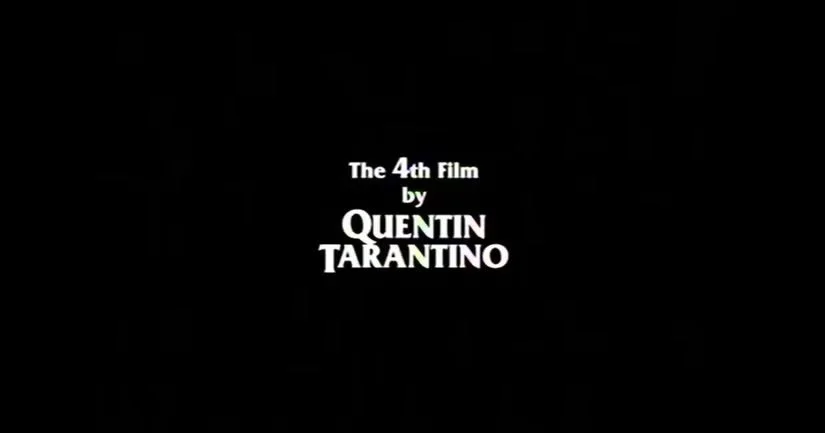
Lastly, don’t include any title sequences that serve as your own personal calling card. As an up-and-coming writer, your “style” should be present in the form of story, dialogue, and character development, not how hard-hitting your opening title card is. I know that everybody loves to watch Kill Bill and see that obviously written in cut to “The Fourth Film by Quentin Tarantino”, but you’re not Quentin Tarantino. Someday you might be, but it’s not right now. So just give it some time and grind out the important stuff. Don’t get distracted by the glamour of Hollywood, because it’ll likely hurt your script more than anything.
Conclusion
In conclusion, I think everybody’s being a little bit dramatic when they say to NEVER include title cards or credit sequences in your script, because at the end of the day it’s not really that big of a deal. Just make sure it serves a real purpose, because even though the rule itself may be dumb, that doesn’t mean that breaking it won’t hurt you. Unfortunately for all of us want-to-be screenwriters, we gotta play the game. For all we know, our scripts could be getting passed to some intern’s intern who was given very specific instructions on what scripts to throw in the garbage, and there’s a chance this includes any script that includes a written-out credit sequence. So don’t shoot yourself in the foot unless you feel you really have to. And if you think you’ve done something worthy of breaking a rule for, then more power to you. Just don’t get too distracted by these minute details. Stay the course, focus on the other parts of your screenplay that really matter, and like always, feel free to break a rule here or there if you really have to, but don’t make it a habit.