

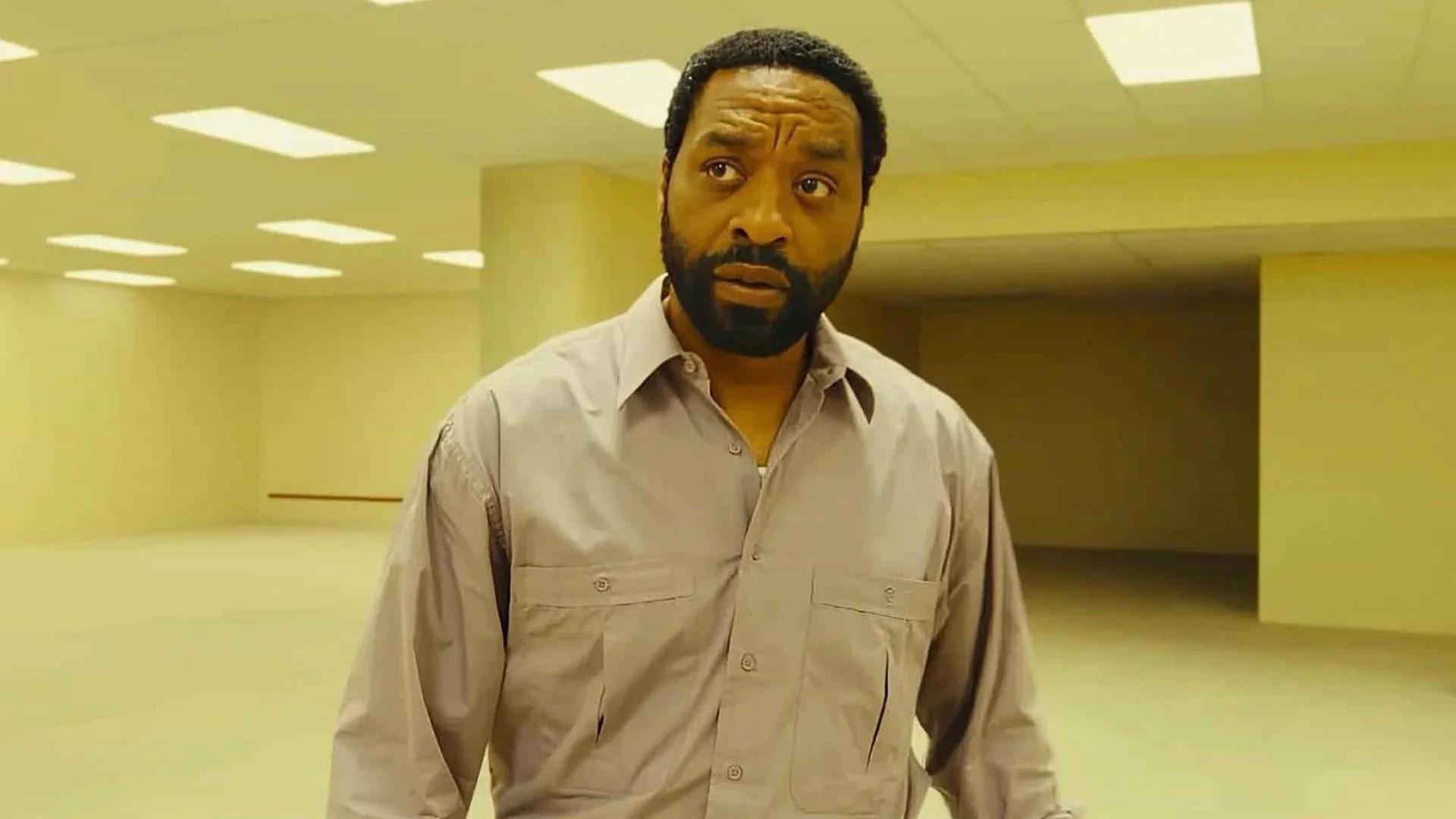
If we’ve learned anything from this year, it’s that you no longer need a blockbuster budget to make a blockbuster. As discussed in the Kinolime podcast episode on the New Golden Age of Hollywood, low-budget horror hits like Obsession and Backrooms are paving the way for the next generation of indie directors. And their success doesn’t have anything to do with luck or trends; it’s because of their scripts. Like their Sundance darling predecessors in the 90s, successful indie directors nowadays realize that if you know you’re going to be making a film on a low budget, you have to write it for a low budget. Luckily, this isn’t some industry secret that requires inside knowledge to accomplish: you can do it too.

The Old Way vs. The New Way
A fairly common writing practice, one that’s even taught in film schools, is to write the script you want to write and then fix it later to accommodate your budget. This is the old way of doing things. The thought process behind this is that it allows the writer to brainstorm freely and build the best possible story before any other steps are taken. Then, when the budget ends up being smaller than expected, it forces the filmmakers to come up with creative ways to kill as few darlings as possible. But this can backfire. Oftentimes, it leads to a ham-fisted reconstruction of the entire script, leading to a clunky plot structure, unnatural pacing, and scenes that just flat-out end up getting ruined. The smarter, better way to go about it is simple: write a low-budget script the first time around…

Constraint 1: Location Count
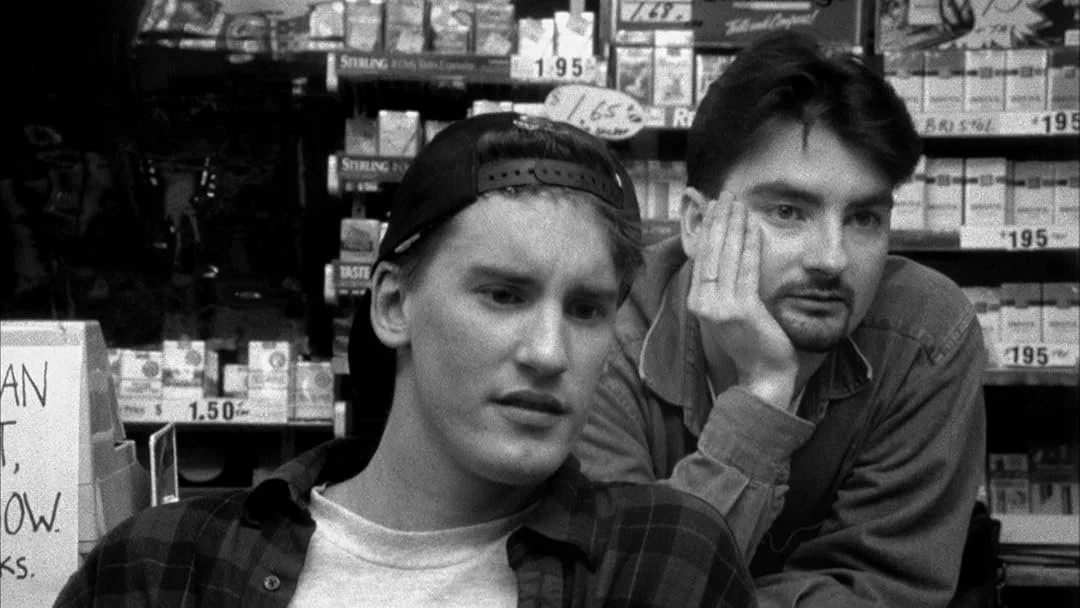
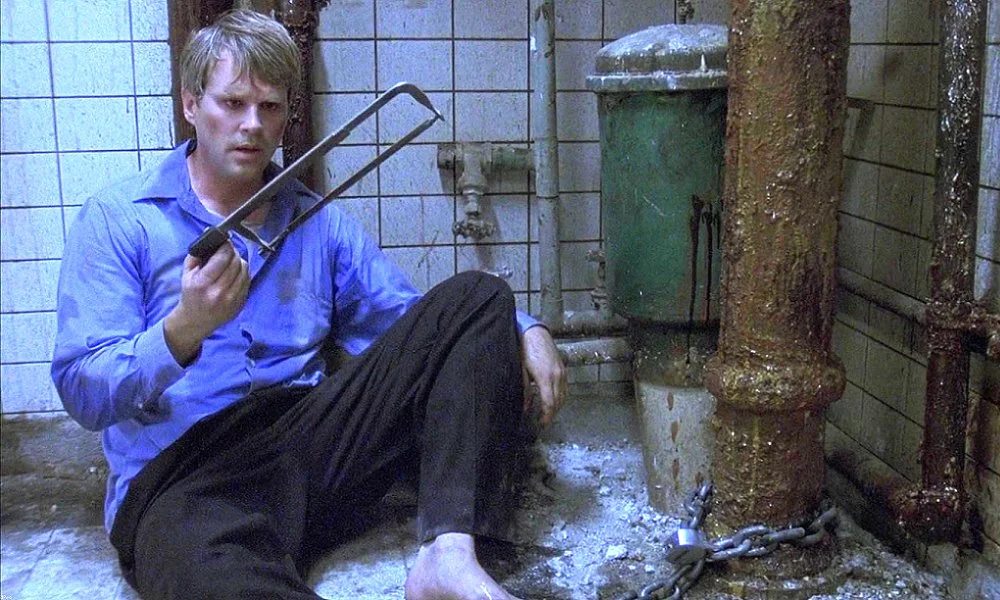
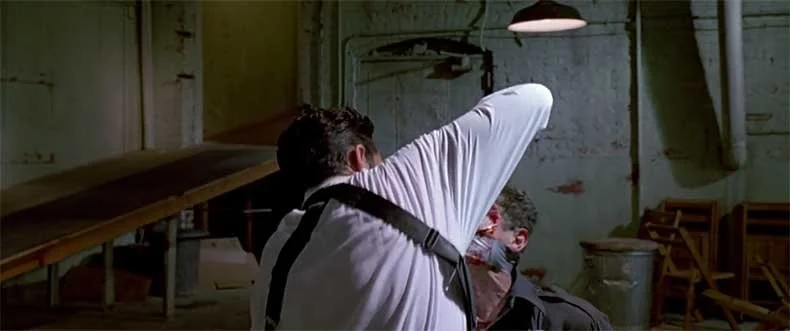
The location count should be a structural decision figured out during the outline stage. Treat it with the same respect as your plot points, because when this film gets made, they’re going to be just as important. Obviously, the hardest part is first coming up with an idea that requires only a few locations, but once you have that, you can start asking yourself questions that help make your script as interesting as possible. How does this location impact the story? What does it allow my characters to do? What does it forbid them from doing? Dealing with these issues during the first pass, and not after the producer told you you need to cut down the script due to budgetary reasons, makes all the difference in the world. And if you pull it off correctly, people won’t even notice that you were limited in the first place. Think about some of the most famous directorial debuts in history: Saw, Clerks, Reservoir Dogs, etc. They all primarily take place in one easily obtainable location. But the movies are so good that you probably weren’t even thinking about that during your first watch. You were simply entertained. So, if you know you’re going to be working with a microbudget, plan for that ahead of time. A good rule of thumb for any films being shot under $20k is to stick to one location per act. But if you’re confident you can squeeze in a couple more, go right ahead. Just be realistic as you’re working through the process, and you should be alright.
Constraint 2: Cast Size
It doesn’t take a rocket scientist to realize that a smaller cast costs less money, but that doesn’t help writers figure out how to properly pull this off. If you’re anything like me, you love writing scripts that feature huge ensembles. There’s nothing I love more than coming up with an abundance of interesting characters and seeing how they interact in certain situations. But with a microbudget film, you simply can’t do this. And with fewer characters, there’s less distribution of attention. So you’ll not only have to come up with a story that requires few characters, but you’ll also have to work hard to give these characters the depth and narrative weight their screen time warrants. If you have trouble with this, a good technique is to put as much pressure on the situation the characters are in as possible. Think about Saw, for example. The situation is so unique and stressful that the characters didn’t really have to be anything special. For the most part, they’re really just two normal guys. In a way, this makes the movie even better because it allows the audience to easily put themselves in their shoes. Basically, what I’m saying is that your script has to earn the right to have as few characters as possible. And whether this is by having stellar dialogue, fascinating character depth, or a situation so interesting the characters don’t matter quite as much, you gotta be conscious of your character limitation the entire time you write.
Constraint 3: Visual Ambition
Visual ambition is a big element that I feel like gets overlooked a lot during the writing process. There are obviously a lot of things you should know by now not to include in your microbudget script: car crashes, explosions, period piece sets, etc. But writers still forget about the little things that end up costing a lot of money and/or are harder to pull off than expected. Stuff like guns, fight scenes, and public shooting locations all seem completely plausible to pull off on paper, but actually can be quite difficult when you get down to filming. So when you’re writing, try your best to be conscious of what is achievable in every single scene. If a character is driving a very specific car, ask yourself: “Is this car easily obtainable for the shoot?” Because if not, it’ll cost you money. And if you go through this exercise for everything that will eventually make it to the screen, you’ll quickly start to realize why making movies is so expensive: it all costs money. So once again, just be aware of what you’re putting on the paper. Write action to occur off-screen wherever you can, think about how certain sound design can prevent you from showing something directly, and build tension wherever possible in an attempt to save the good (expensive) stuff for the end. Remember, you don’t have to sacrifice the visual ambition of your film; just write in a way that channels it into something achievable.
Constraint as Focus, Not Deprivation
Constraining your writing based on the budget doesn’t mean your writing has to be worse; it just means that you have to focus on certain elements more than others. And a lot of the time, writers will discover that this muscle is necessary no matter what they’re writing. In past articles, we’ve discussed the benefits of utilizing the page economy and “less is more” approach to thinking. Well, writing for a budget isn’t any different. Your constraint should be a focus, so use it to your advantage. Make your dialogue better to make up for a lack of action. Emphasize the situation your characters are in to make up for fewer locations. Build dramatic pressure to make up for fewer effects. Everything that seems like a negative can actually be a positive. You just have to know how to do it.

Conclusion
Nobody’s going to do the work for you, so you gotta set yourself up for success the best way you can. And as I’ve been saying, it all starts with the script. So when you’re writing your next microbudget script, study the greats. See what they did right and learn from them. As I mentioned with Obsession and Backrooms, the horror genre is a great space for small budgets, but don’t feel confined if that’s not your strong suit. Try to make it work with a comedy, or a crime thriller, or any other category you think you can do the best in. The important part is that you’re making the most out of the absolute least. So give it a try. Worst-case scenario, your writing will drastically improve. But best-case scenario, you’ll get a pretty good movie out of it. So don’t panic when you know you’ll have limited resources; WRITE.