
Point of View and Narration: Choosing Whose Story This Really Is

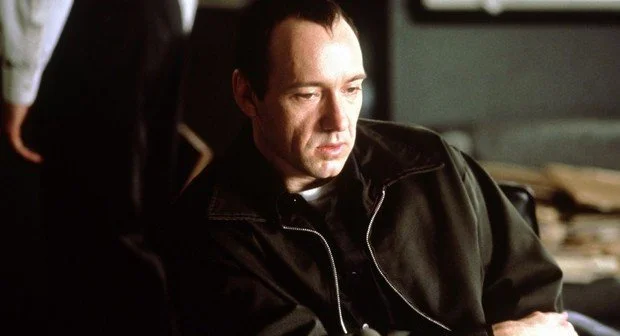
The point of view you decide to tell your story through makes all the difference when it comes to screenwriting, and I don’t just mean whether it’s told in first person or third person or omniscient; I mean who we are really experiencing this story with right now. Whose movie is it? And be careful when making this decision, because it alters the entire way your film is experienced. It tells the audience who to root for, what information they’re given and when, and allows the plot to unfold itself in unexpected ways. Think of The Usual Suspects, for example, where the entire movie happened to be (mostly) made-up garbage conceived by our supposed protagonist in a waiting room. Would that movie have been good if our protagonist’s story was the actual movie, and there never was a twist in the first place? Probably. Is it much better now? Absolutely. Which goes to show that having a good story isn’t always enough; you gotta be creative with how you tell it.
Whose Story is This, Really?

This is the question you have to ask yourself right off the bat, because writing without this in mind is like scuba diving at night without a flashlight. You don’t know where you’re going, and sooner or later you’re gonna get lost. And this doesn’t always mean “who is the main character?” (although it usually does). It literally means “WHOSE STORY IS IT?”
The easiest way to conceptualize this is to think of any rom-com. These are movies that are usually light-hearted, easily digestible, and focus on two primary characters who have some form of romantic involvement with one another. Now, if a writer were to come up with EVERYTHING about the story (the characters, plot, conflicts, etc), they still would be left with a choice to make: which of these two people is telling this story, and how does this affect how the story is being told? In Kinolime’s articleon 500 Days of Summer, Meara Owen-Griffiths points out how telling the story through Tom’s perspective forces the audience to almost unfairly sympathize with him the entire time, allowing little room for Summer to have any depth as a female lead. But, as he points out, this shouldn’t be a criticism of the script; it should be a criticism of Tom. And by the writers CHOOSING to tell this story from his perspective, it actually ended up being a fascinating case study into how audiences are susceptible to bias based on who’s providing the information. If the story were told from Summer’s perspective, it’d be a movie about a guy from work liking her way more than she likes him and the conflict that comes with that. Crazy Rich Asians, for example, is entirely focused on Rachel Chu’s perspective, so we sympathize with her instead of her boyfriend. And When Harry Met Sally is almost perfectly split down the middle between the two protagonists, allowing us to consistently see both sides of the relationship. I can go on and on, but I’m sure you get the idea.
The Quiet Hijack: When a Supporting Character Steals the Story
Sometimes, a writer just so happens to conceive a supporting character so awesome, so unintentionally scene-stealing, that they slowly begin to compete with the protagonist for the story’s center. And this, of course, is always a mistake.
Sometimes, a story ends up being easier to write when the main character is blander than the people around them, because it gives the writer room to use their protagonist as a non-interruptive vessel, whose main purpose is to guide the audience through a more interesting world. And in this more interesting world, there usually is an array of fascinating side characters with far more interesting lives than our main character. As a result, these side characters end up stealing the spotlight.
While not the most egregious example out there, Star Wars does fall into this category a little bit. The first Star Wars film had a ridiculous amount of lore, characters, and world-building to introduce the audience to. An overwhelming amount, some might say. So, George Lucas had to dilute our protagonist Luke down to a fairly basic, naive character whose main purpose is to be curious enough about his journey to lead us through the Star Wars universe for the very first time. And then in came Hans Solo, who had all the qualities of a leading man. He’s more charming than Luke, he’s funnier than Luke, he’s braver than Luke, he’s better-looking than Luke, he’s cooler than Luke, and he’s the captain of the ship they use to get around the whole Goddamn movie. Obviously, George Lucas was building up to some pretty neat stuff with Luke’s character, but nobody knew that at the time. So, to many, Han Solo was the man, and they could give a shit about the teenage dork from that dusty-ass planet. Not ideal.
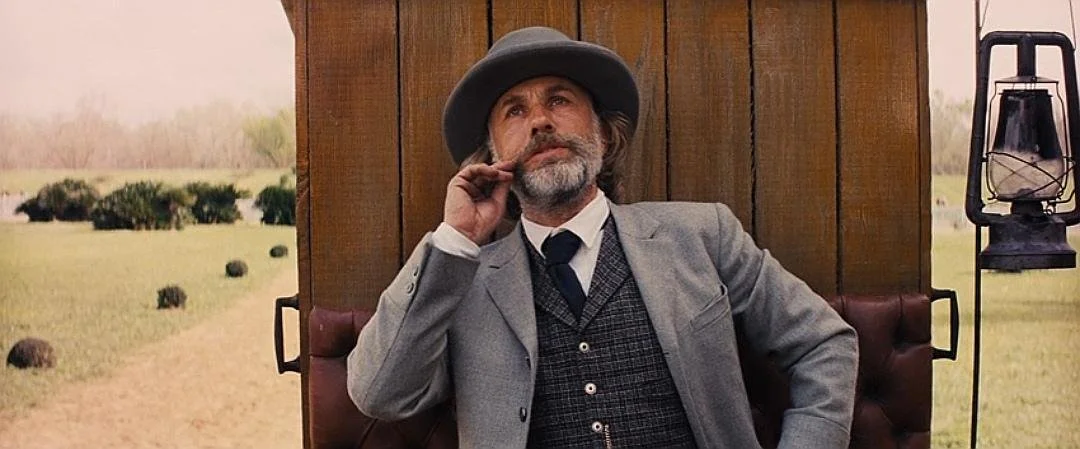
And just to cover both sides, an example of a writer navigating these waters well would be Quentin Tarantino with Django Unchained. Apparently, when Will Smith was up for the lead instead of Jamie Foxx, Smith had rejected the role because he thought the main character was Christoph Waltz’s Dr. Schulz, not Django. And he’s right…for most of the movie. See, with Django starting off as a slave, Tarantino couldn’t outright make him a cocky badass, because that wouldn’t make any sense. So, for the first half of the movie or so, Django’s actually a pretty mild character, and Schulz has all the glory of a hero. But as the story unfolds, Django begins to take control of the movie. And immediately after Dr. Schulz dies, Django bursts through as the true hero and absolutely dominates the entire rest of the film. So while it might work some of the time, you should try to avoid the quiet hijack as much as possible in your scripts.
Signaling POV on the Page
Signaling your POV on the page is a subtle, yet ever-so important task that tells the reader whose eyes they’re experiencing the scene through (this was briefly covered in our previous article on scene structure). And how you go about it depends entirely on the way your narrative is formed. If there’s a primary main character, and the movie is entirely based around their experiences, establishing POV is achieved by simply having that character be at the center of every scene. The scene starts when they walk into a room; the scene ends when they leave. Pretty straightforward.
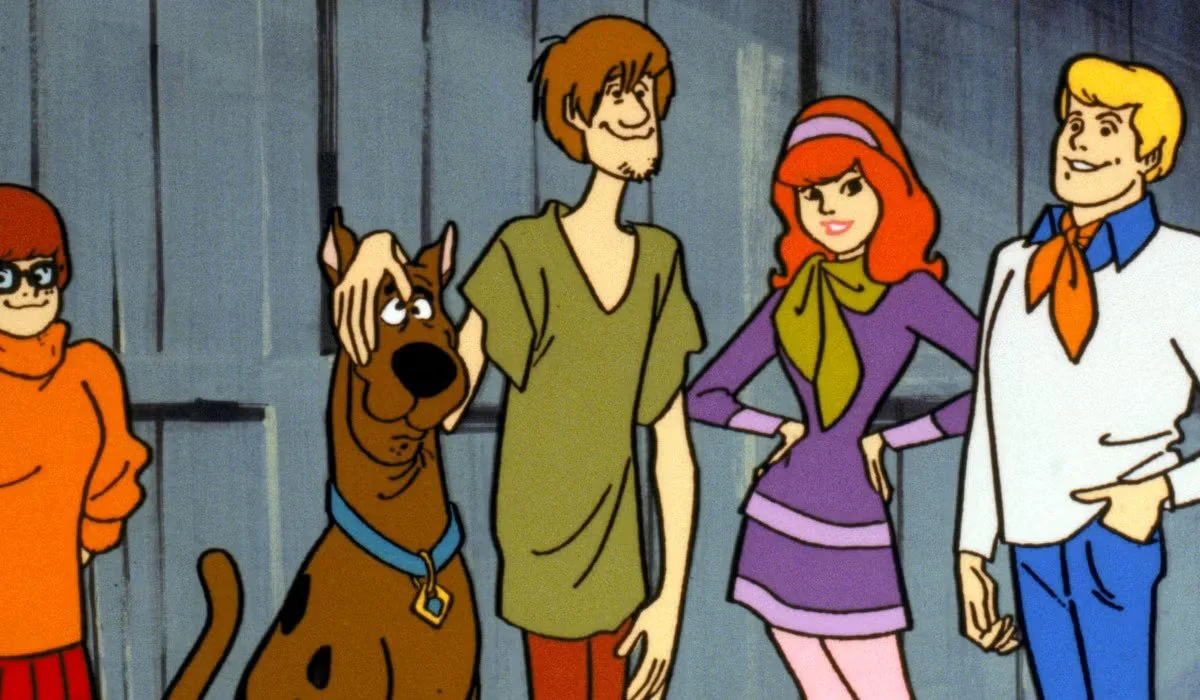
But what if there’s a multitude of characters, and every scene focuses on a different group than the last (think in Scooby Doo when the gang splits up)? Well, then you’re going to have to utilize other screenwriting techniques to hint at the reader who you want them to pay attention to. One way to do this is to give one character information that the others don’t have (maybe Scooby finds a clue). The scene seems like any other; the characters might even have equal dialogue and screen time, but the reader knows who’s the most important person in that room. And that changes the entire way the film gets experienced.
Another way to achieve this is to include specific reactions, actions, or tones that imply who’s experiencing the scene really is. Emphasize reactions. Highlight a character’s movements more than another’s. Let someone take the lead physically, while the others follow. Anything to tell the reader, “Hey, there may be five people here right now, but this is THEIR scene”.
Voiceover and Narration: The Riskiest Signal
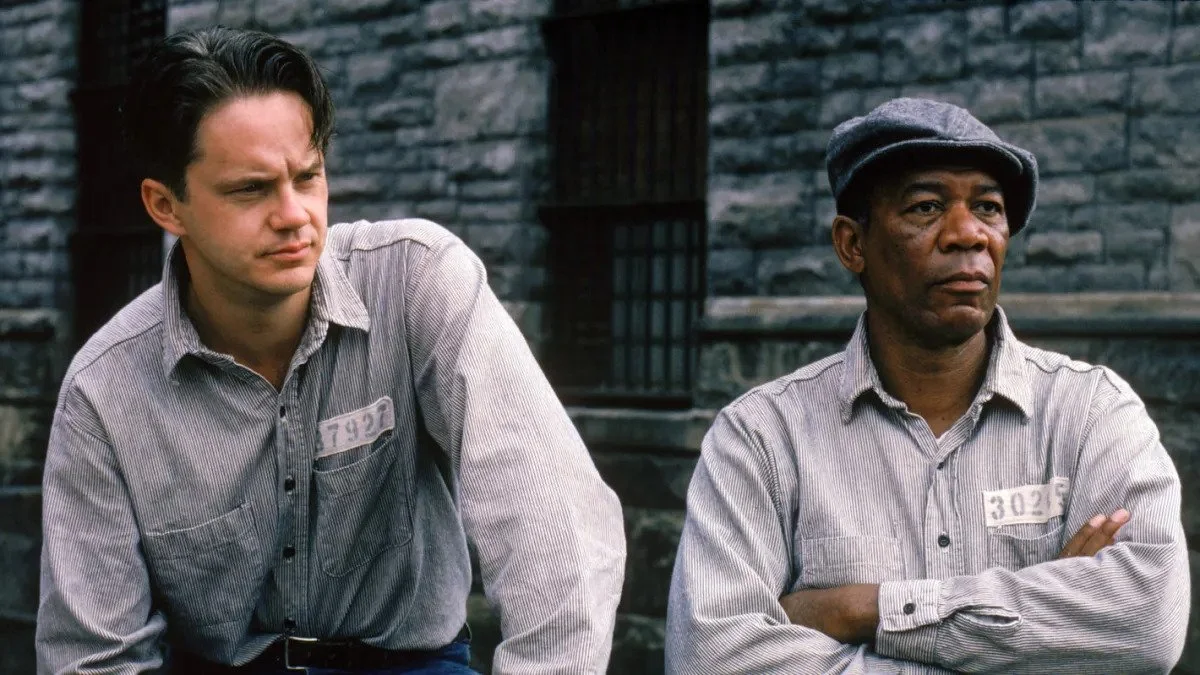
Voiceover and narration tend to be the most direct way to signal POV to a reader or viewer. This person is the one talking to us, so we’re getting their point of view. And while some people frown upon narration as a tool (it allows a lot of shortcuts), it can be used to establish POV in some pretty fun ways. In The Princess Bride, a grandfather reads a book to his grandson, which ends up being the events of the film. Therefore, the audience goes into the film knowing that the movie is not focused on any of the fantasy characters’ perspectives, but on a third party recounting the events. Fight Club is narrated by Edward Norton’s character, putting the audience in the mind of the protagonist. And this makes the twist that he’s Tyler Durden work so well. He wasn’t aware of it, so we weren’t aware of it. Or you can have a side character narrate the story, which usually indicates that the main character is someone of great significance, and something must happen to them that prevents them from being the narrator themselves (The Shawshank Redemption, The Virgin Suicides, a million other movies).
Although I should note that having a narrator does not always mean the movie is being told through their point of view. The Big Lebowski, for example, is narrated by Sam Elliott’s cowboy character, who is barely in the movie and knows little about the events that took place (there’s a better analysis of this in our script analysis). But the film is most certainly being experienced through The Dude’s point of view.
This all goes to show that having a narrator doesn’t necessarily mean you’re taking shortcuts when it comes to indicating a perspective, but it does mean you are deciding to indicate a perspective. And as I’ve stressed throughout the entire article thus far, that’s a mighty important choice.
Conclusion
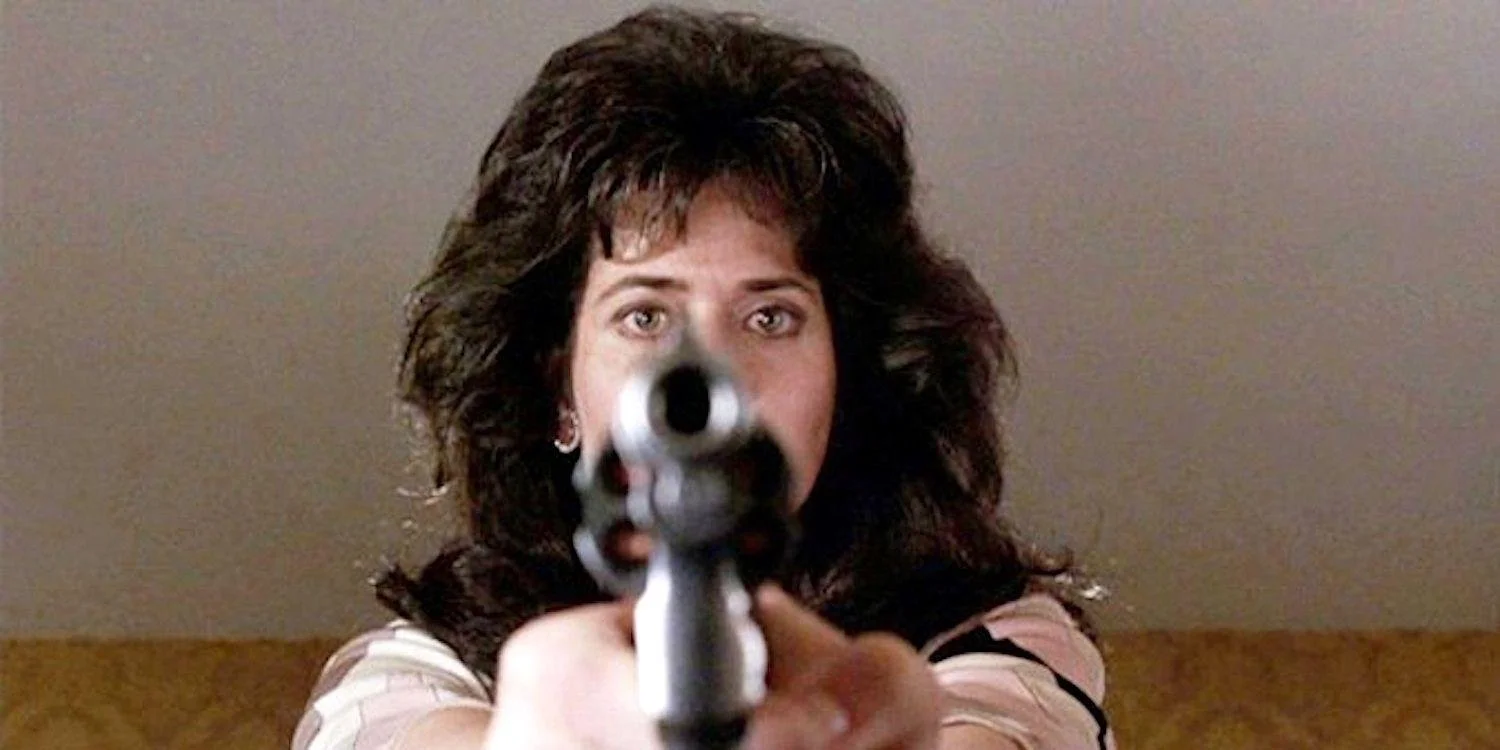
Like any other screenwriting rules or guidelines, there’s no one way to go about establishing your point of view. The Big Lebowski has a narrator that brings almost nothing to the story, but people adore it. The Usual Suspects provided us with a point of view that was entirely fabricated. Goodfellas, one of the best movies of all time, is narrated by Ray Liotta for 99% of the movie, and then switches to Lorraine Bracco for like two scenes before going right back to Ray Liotta until the end of the movie. The important part is that your chosen perspective is chosen for a reason. And here’s a quick test the next time you’re having trouble with a scene: ask yourself, “Whose experience is this”? If the answer is clear in 5 seconds, you should probably make some changes.