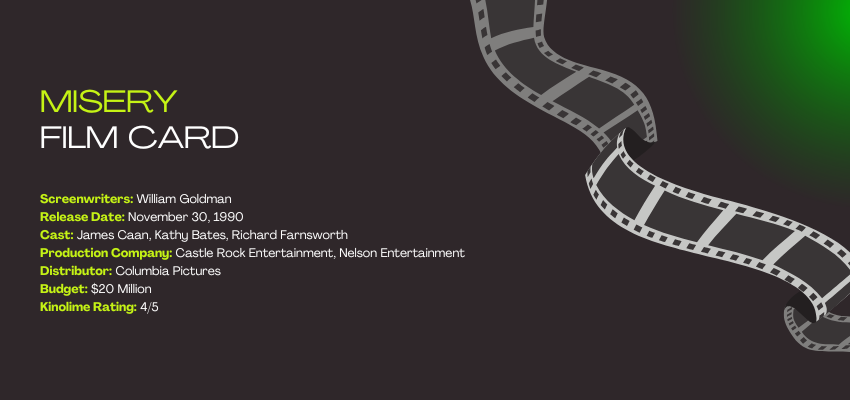
The Perfect Elevator Pitch: A Misery Script Analysis
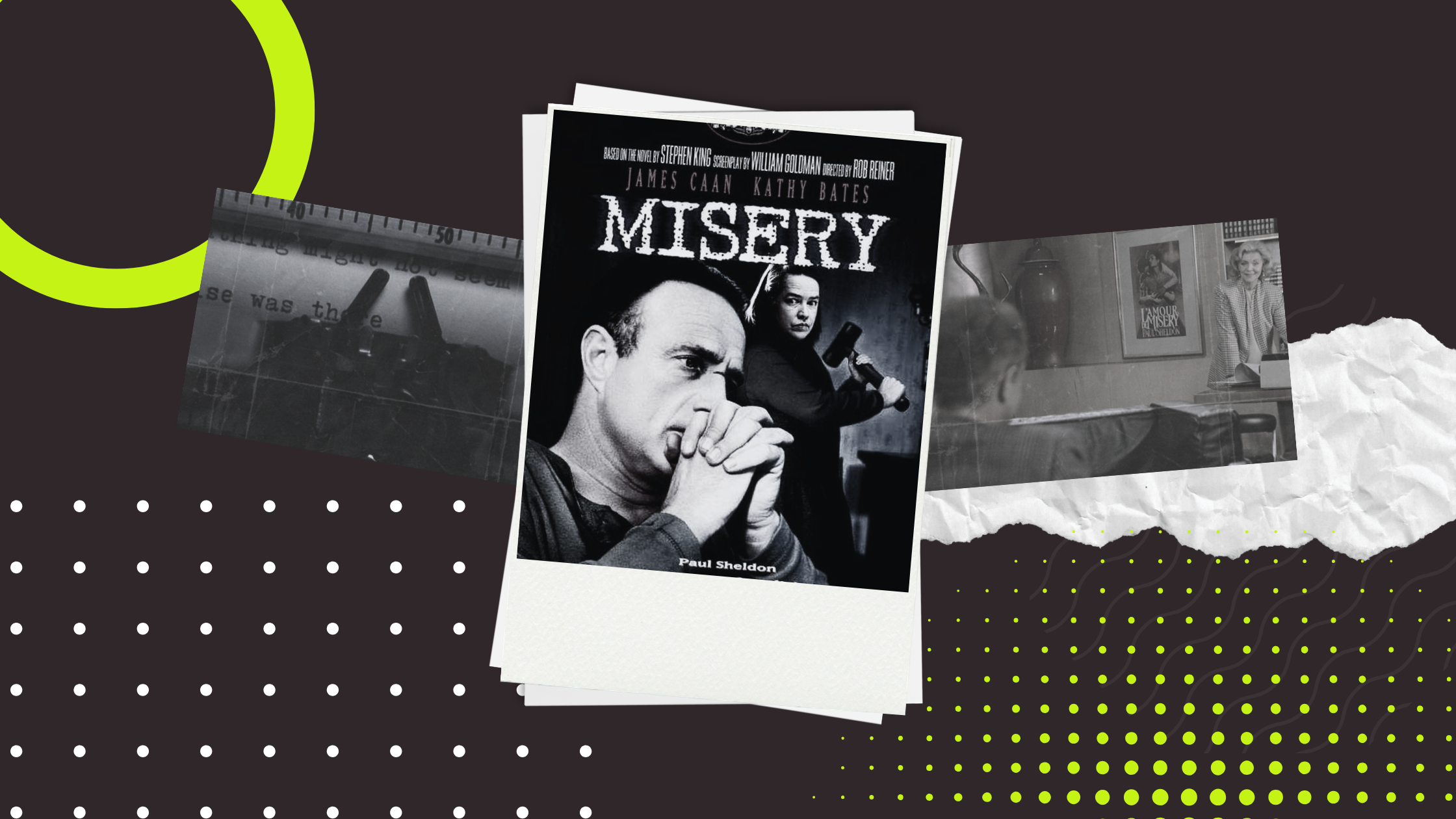
I was talking to a friend the other day who had somehow never seen (and knew nothing about) Rob Reiner’s 1990 Stephen King adaptation, Misery, and when he asked me to describe the movie, I found myself surprisingly impressed with how easy it was to sell him on it. Then, the more I thought about it, the more I realized this might be one of the most pitchable movies of all time. First of all, it’s a Stephen King adaptation, so there’s a built-in fanbase. Second of all, Rob Reiner’s going to direct right off a three-movie hot streak with Stand By Me,The Princess Bride, and When Harry Met Sally. Not to mention, Reiner had already gotten two-time Oscar-winning screenwriter William Goldman to agree to write the script. Then, of course, a majority of the film takes place inside a small cabin, so it’s not like it requires a huge blockbuster budget. It’s the perfect vehicle for two amazing actors to show off their chops. And then, if all of that isn’t enough, it has one of the most gripping, simple loglines of any film I’ve ever seen: “When a famous writer crashes his car in the middle of nowhere, he ends up getting saved by a crazed fan who refuses to let him go”.
OPENING IMAGE
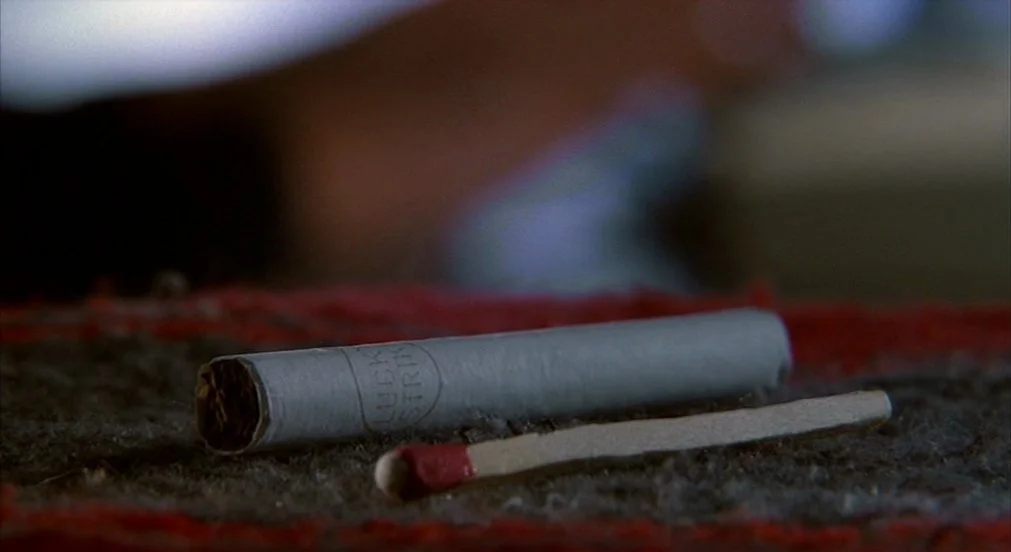
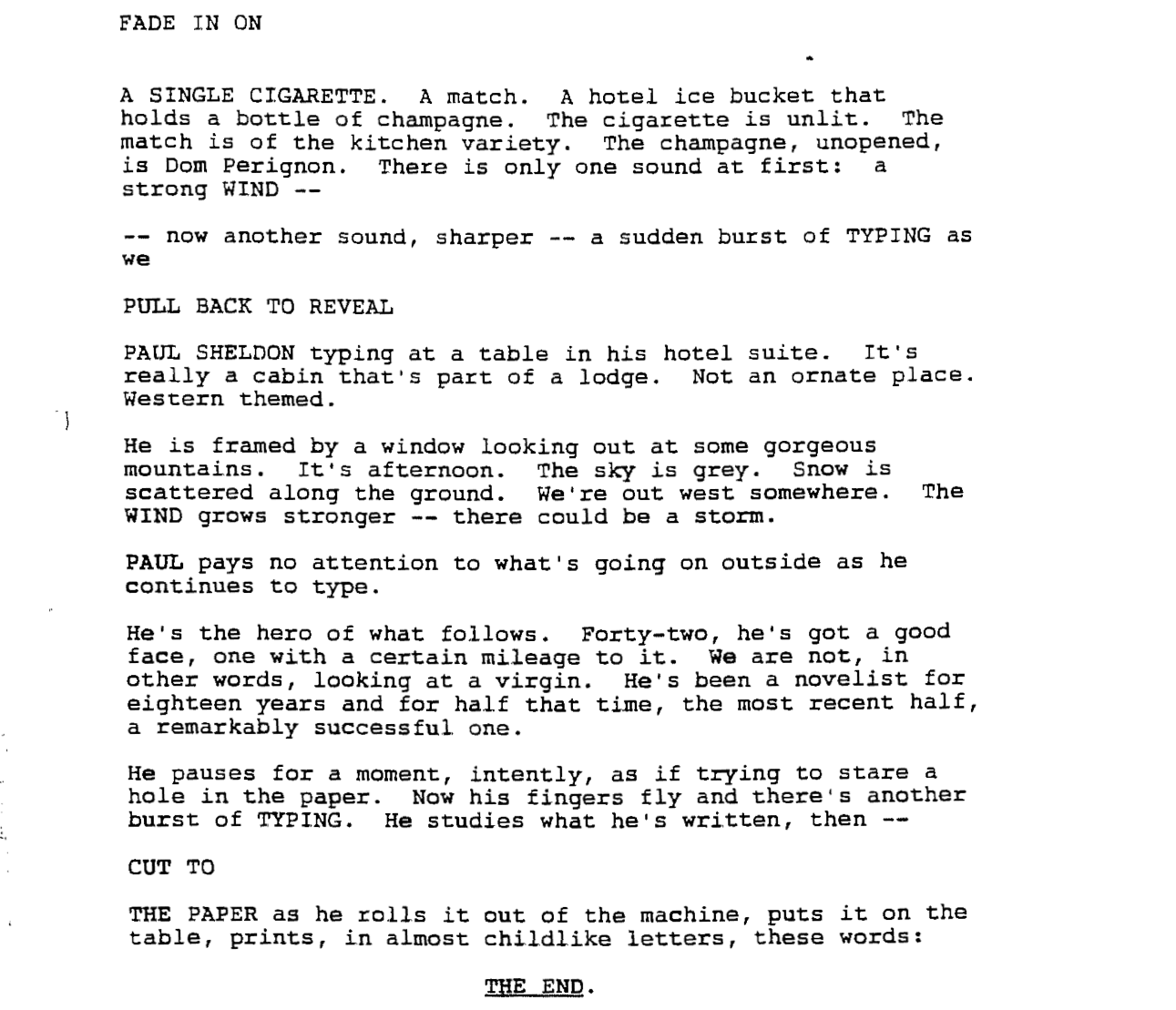
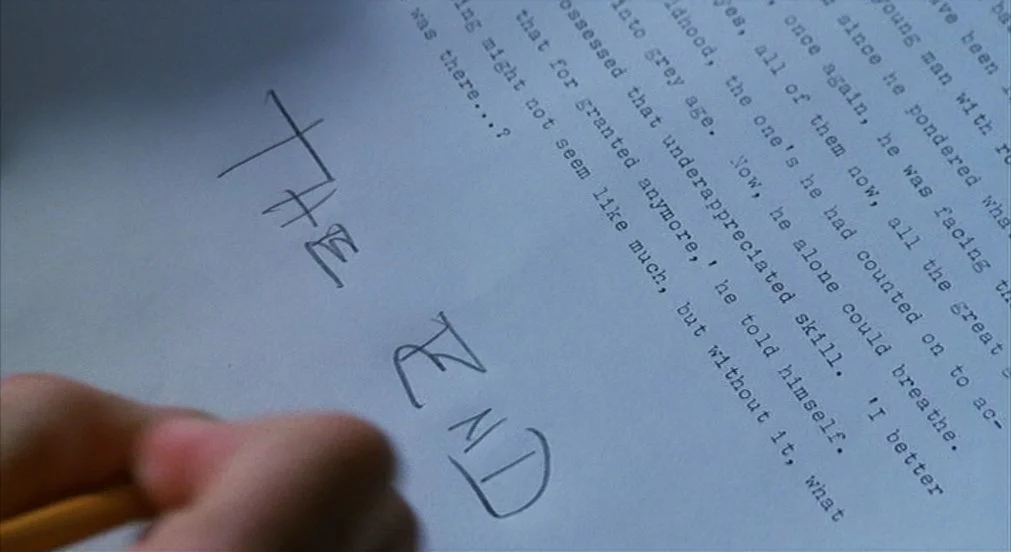
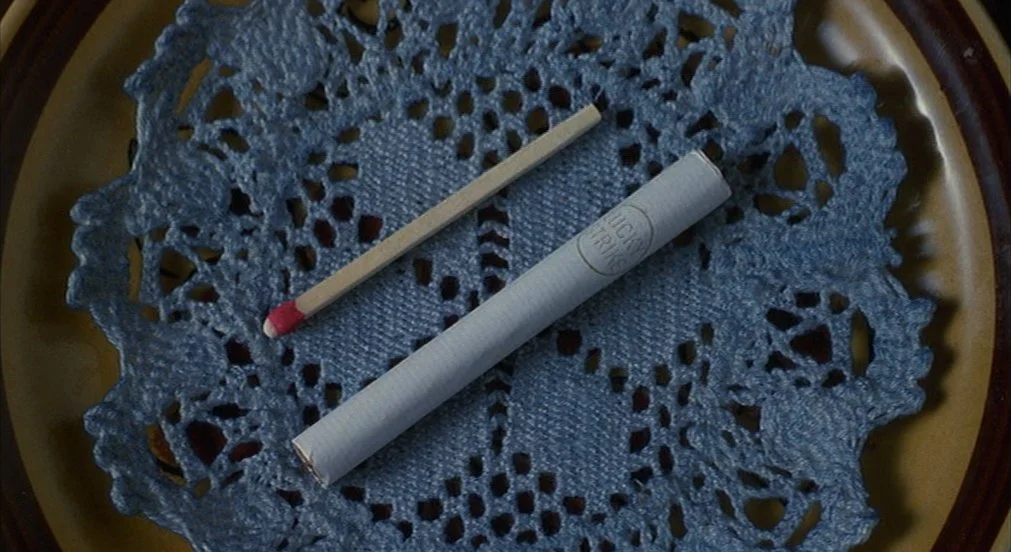
We open on a close-up of a cigarette and a match, sitting side-by-side, waiting for somebody to do something with them. We pull away to reveal author Paul Sheldon typing away on a typewriter with a bottle of champagne on standby as he types the final words of his next book.
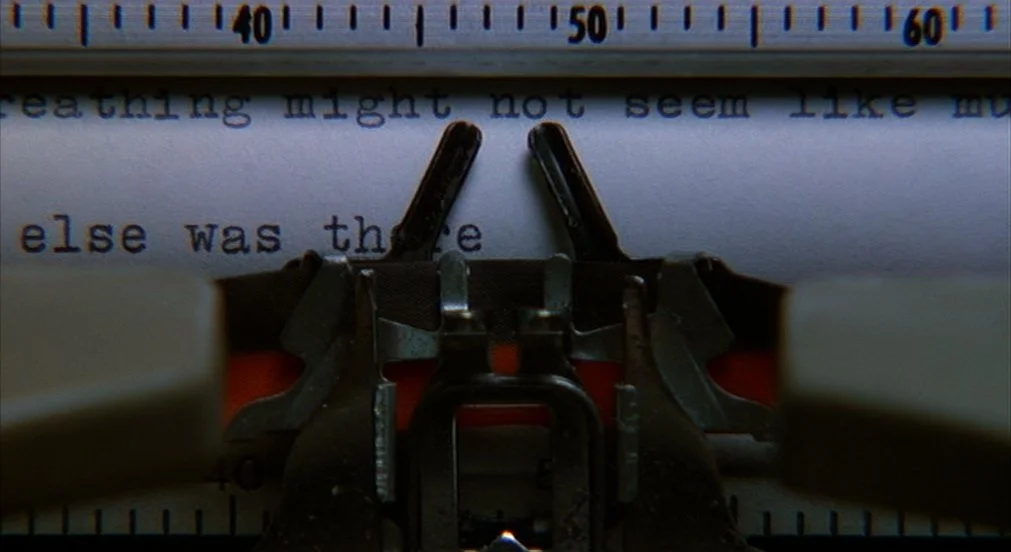
From this opening image, we learn three important details: Paul, of course, is a writer. He is somewhere remote. And…he is alone.
INCITING INCIDENT
We realize Paul is staying at an old hotel lodge–a little ritual for him every time he’s nearing the end of one of his books. But this time is special, because this is the book where he finally kills off Misery Chastain, the protagonist of his acclaimed Misery series.
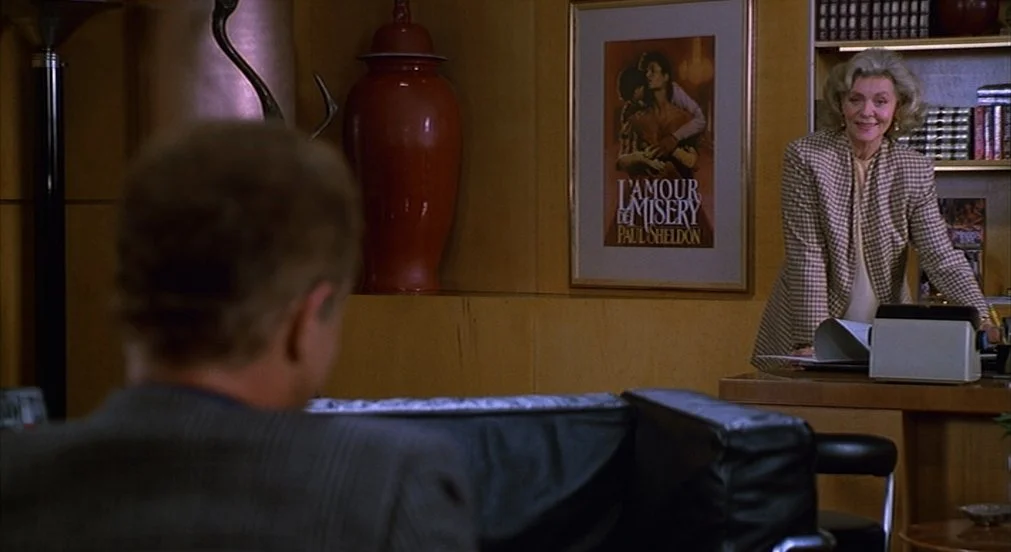
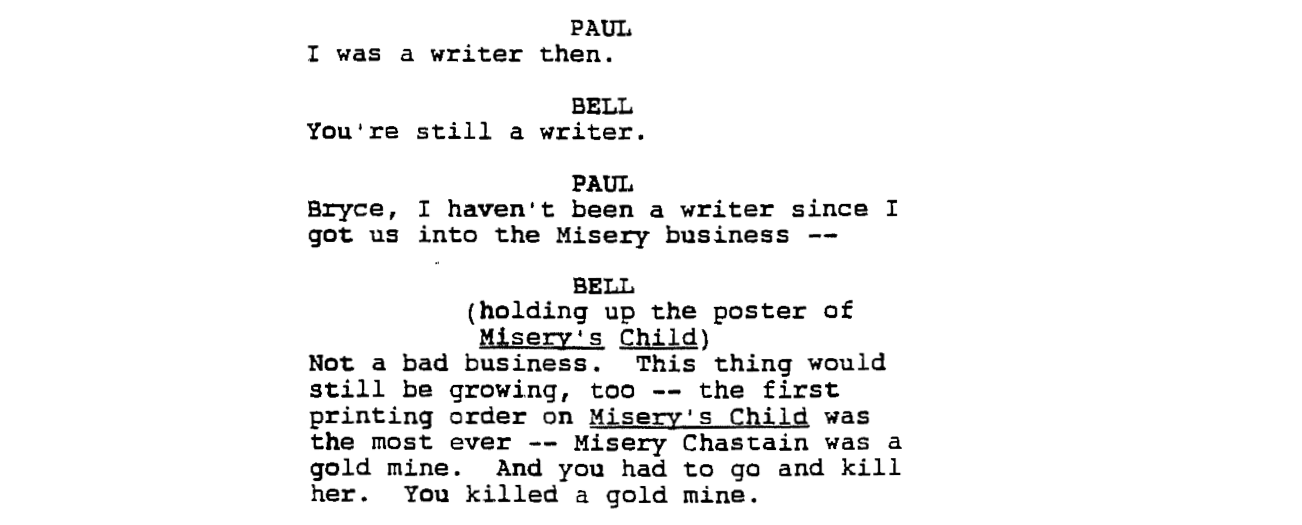
Through a quick flashback scene with his agent, Bell, we learn that Paul actually despises the series that made him famous because it also made him a sellout. So, with this trip, he feels like he’s pretty close to finally setting himself free.
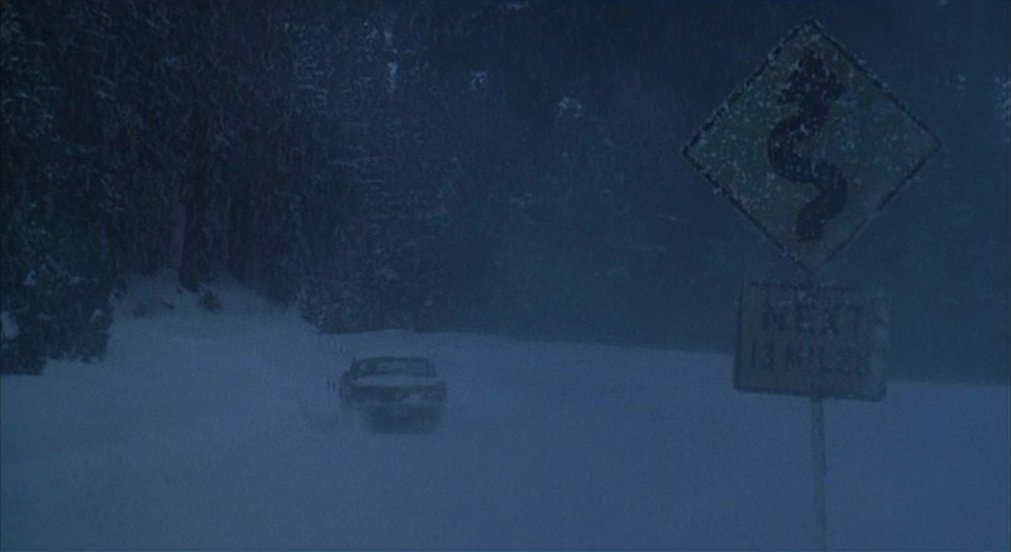
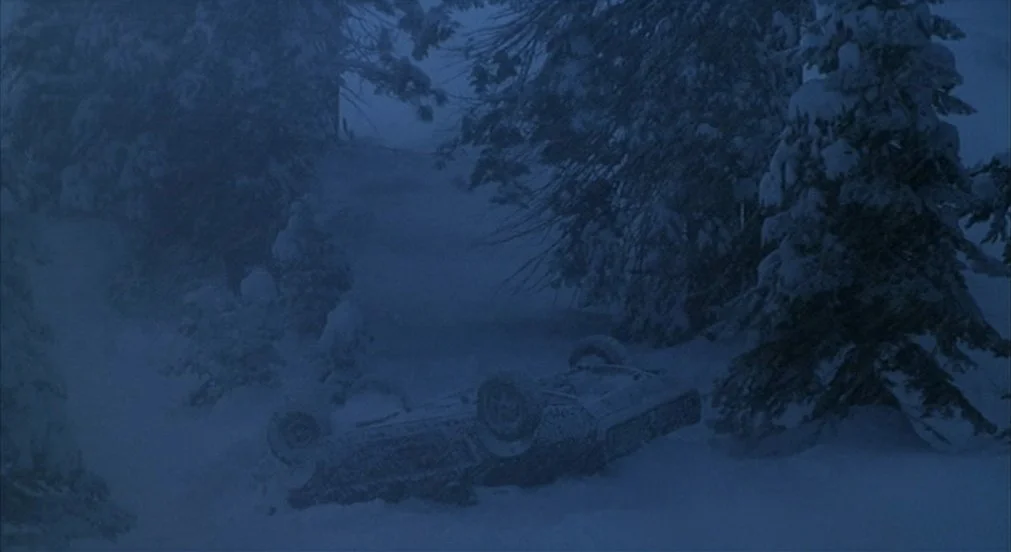
We bounce back to the lodge, which Paul departs in an old Mustang. As he winds down the snowy mountain, the storm becomes violently worse. His vision weakens, the road becomes windier, and surprise, surprise, the car flies off the edge and crashes into the snow. Paul is unconscious.
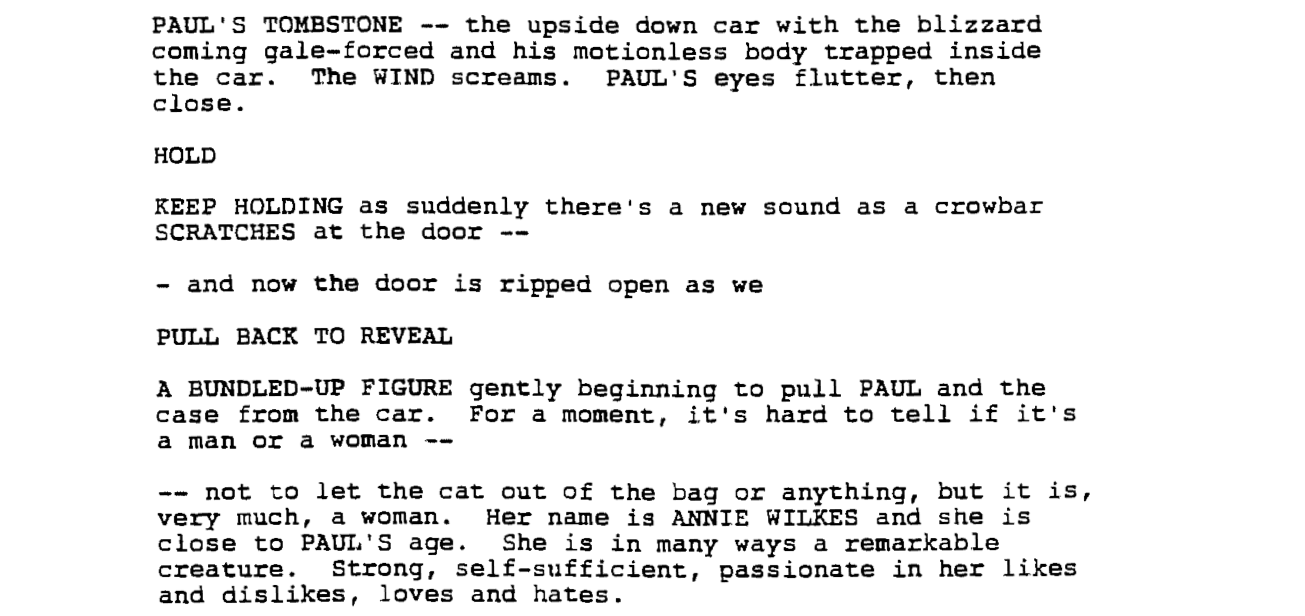
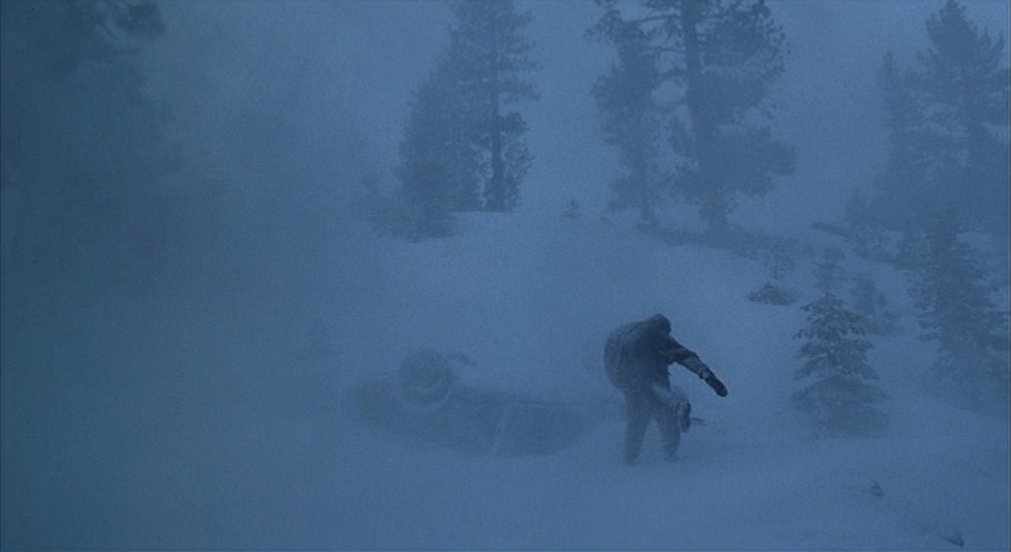
The next thing we see a mysterious female figure, almost like an angel in this moment, tear open the car and drag Paul’s body away from the wreckage, saving his life.
SET UP
In a comatose state, Paul remembers glimpses of Annie nursing him to health inside her home. Passing memories, with no real context, but one line stands out from the rest: “I’m your number one fan”.
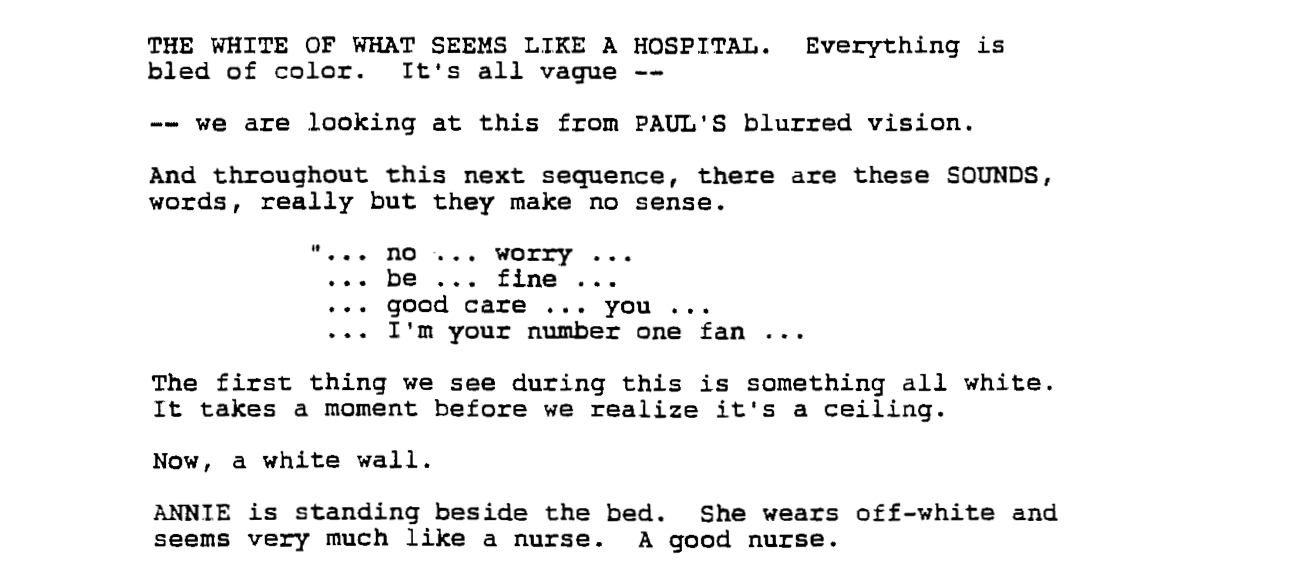
Then, he wakes up.
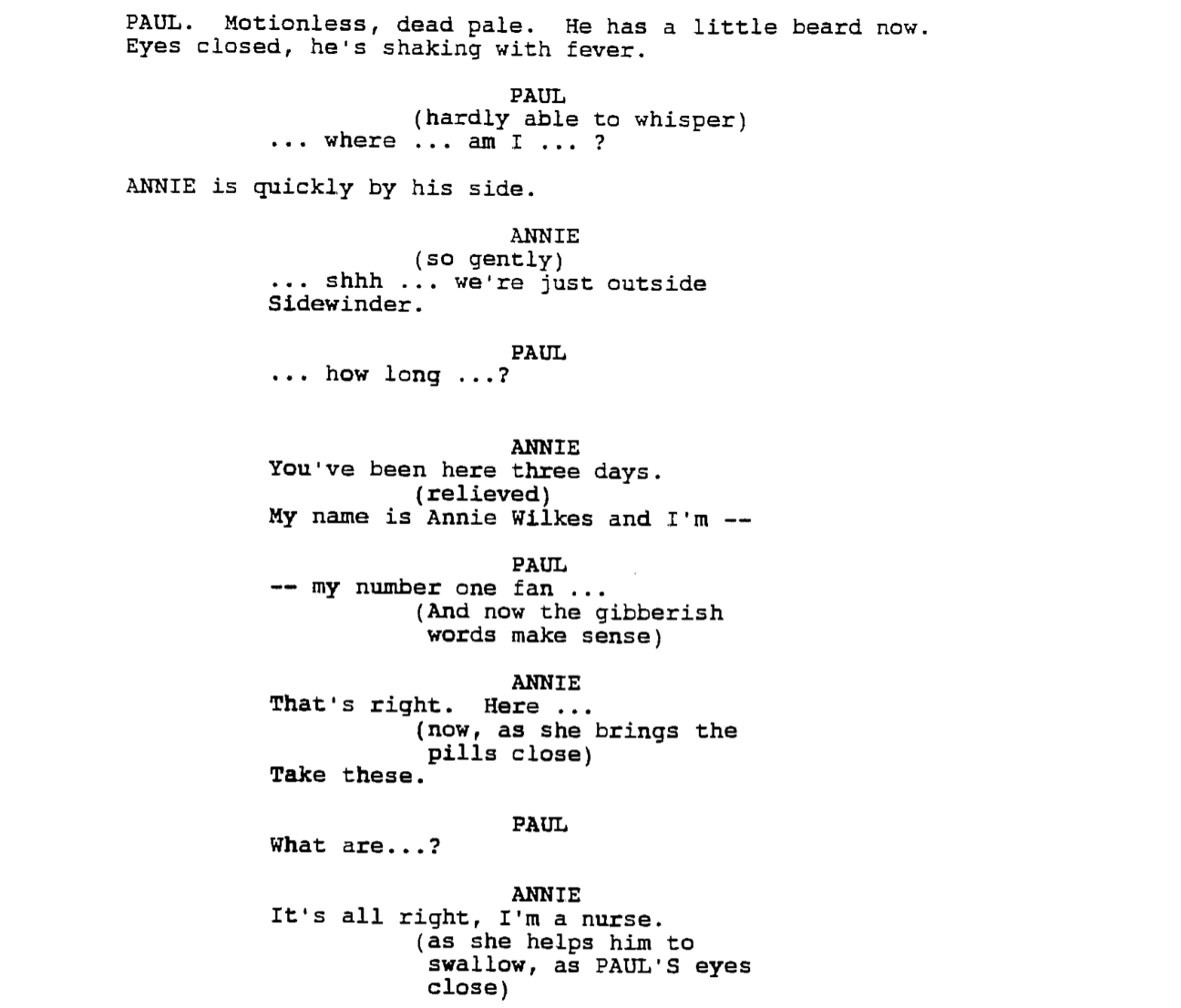
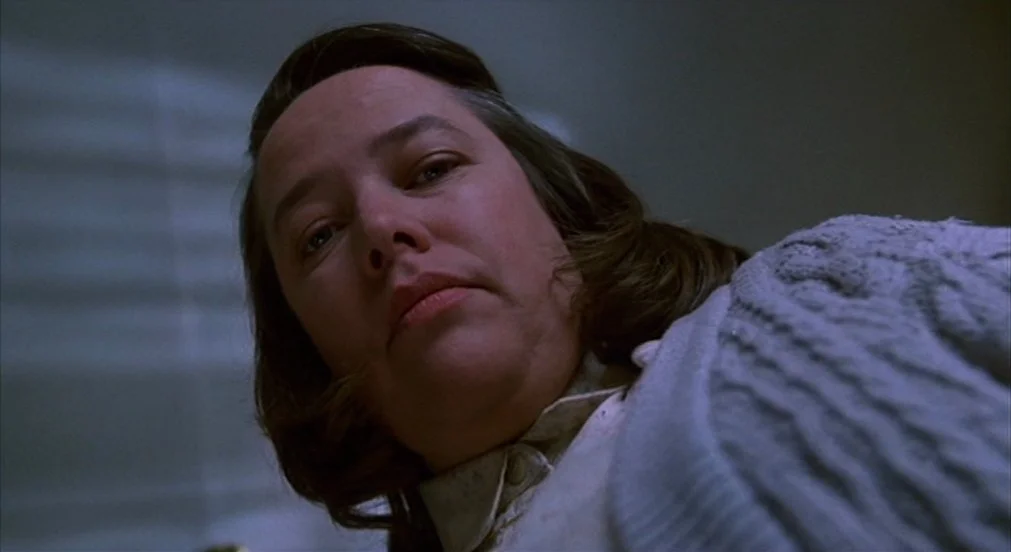
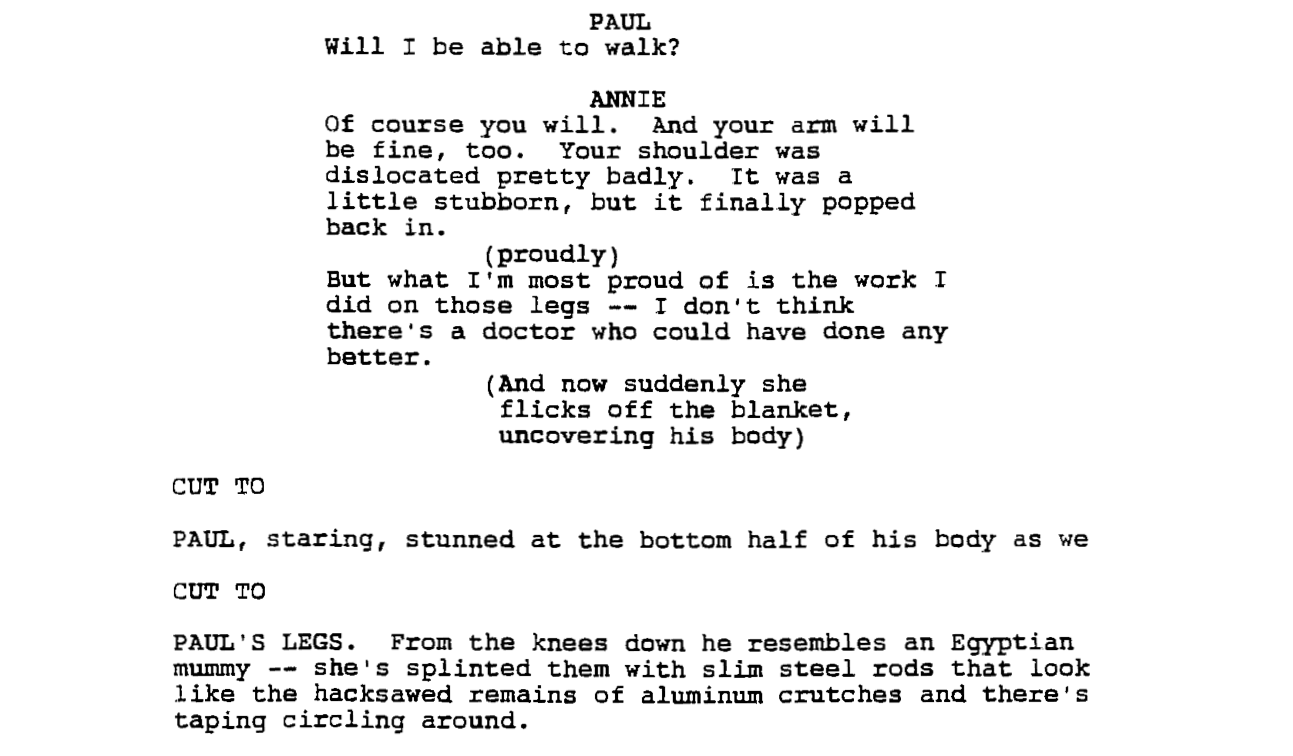
She goes on to tell Paul that the blizzard was too strong to go to a hospital (and therefore too strong to make any phone calls), but being a nurse, she decided to take care of him herself. One way she “helps” is by constantly force-feeding mysterious pain meds, which Paul takes without any suspicion.

DEBATE
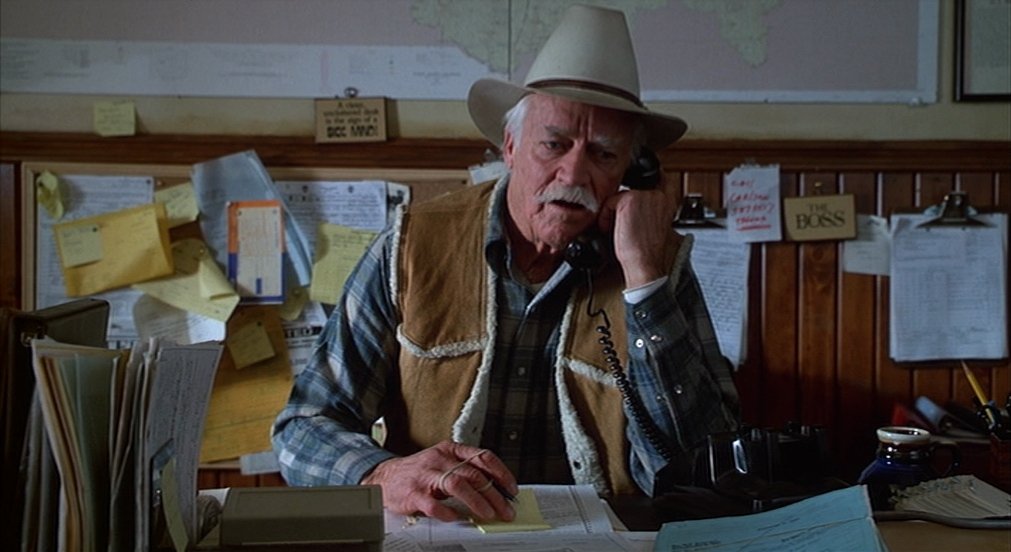
Bell, having not heard from Paul, decides to call the local police station where he was staying. She gets on the phone with an officer named Buster and explains her situation.
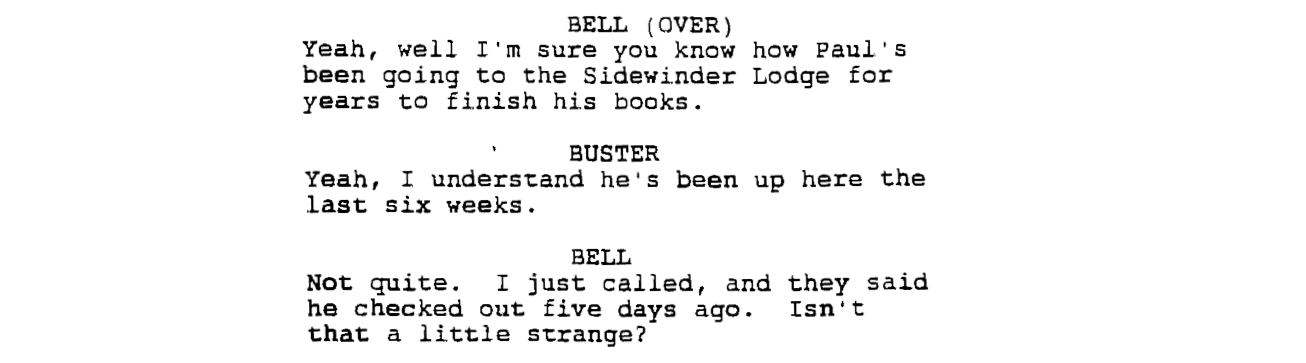
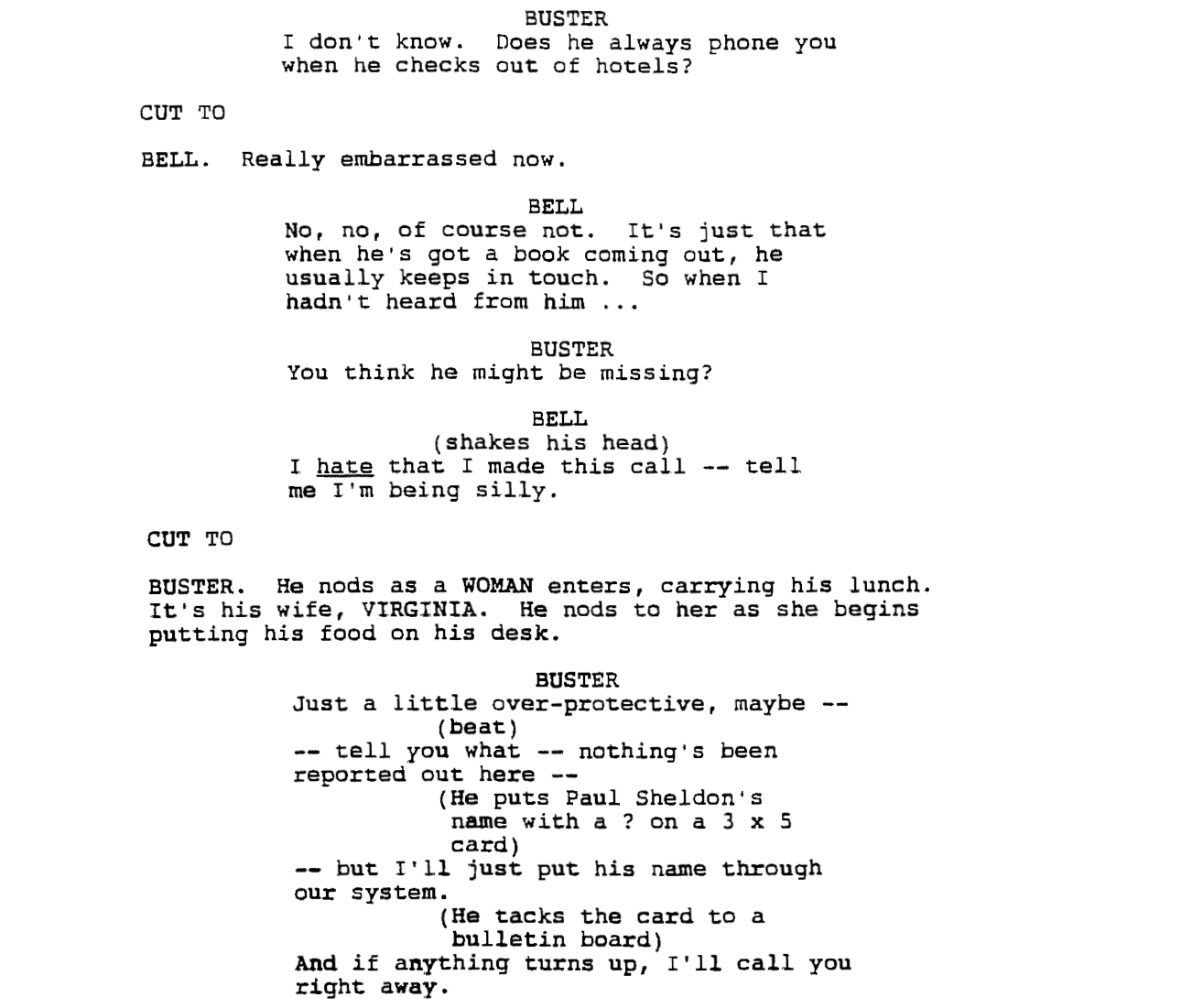
And with that, Buster leaves to check some things out for himself.
Back at Annie’s house, she explains how she came to find Paul’s wreck in the first place.
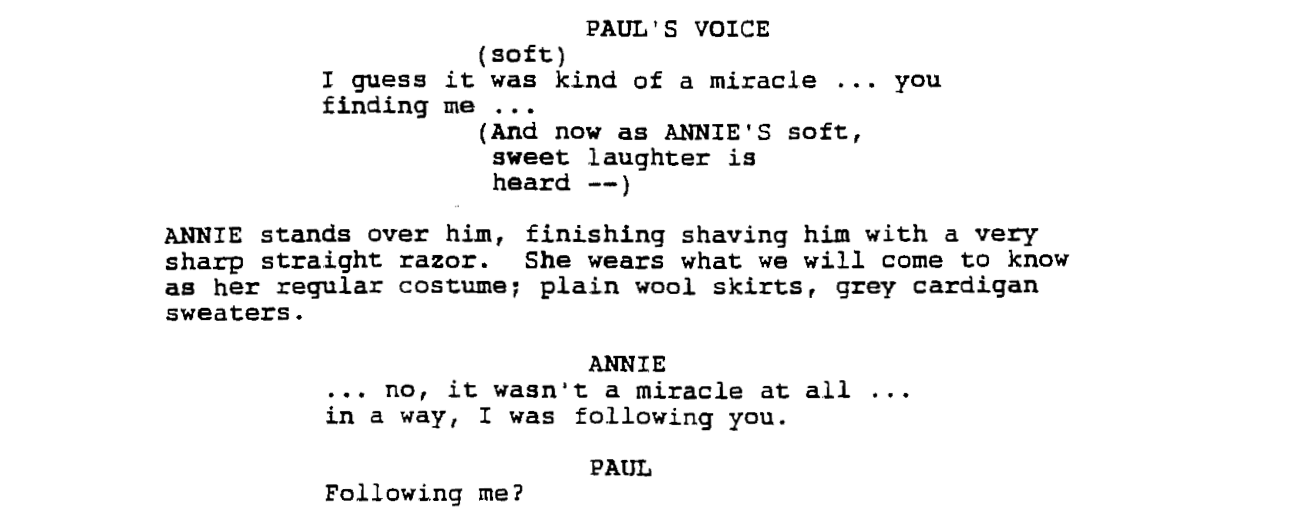
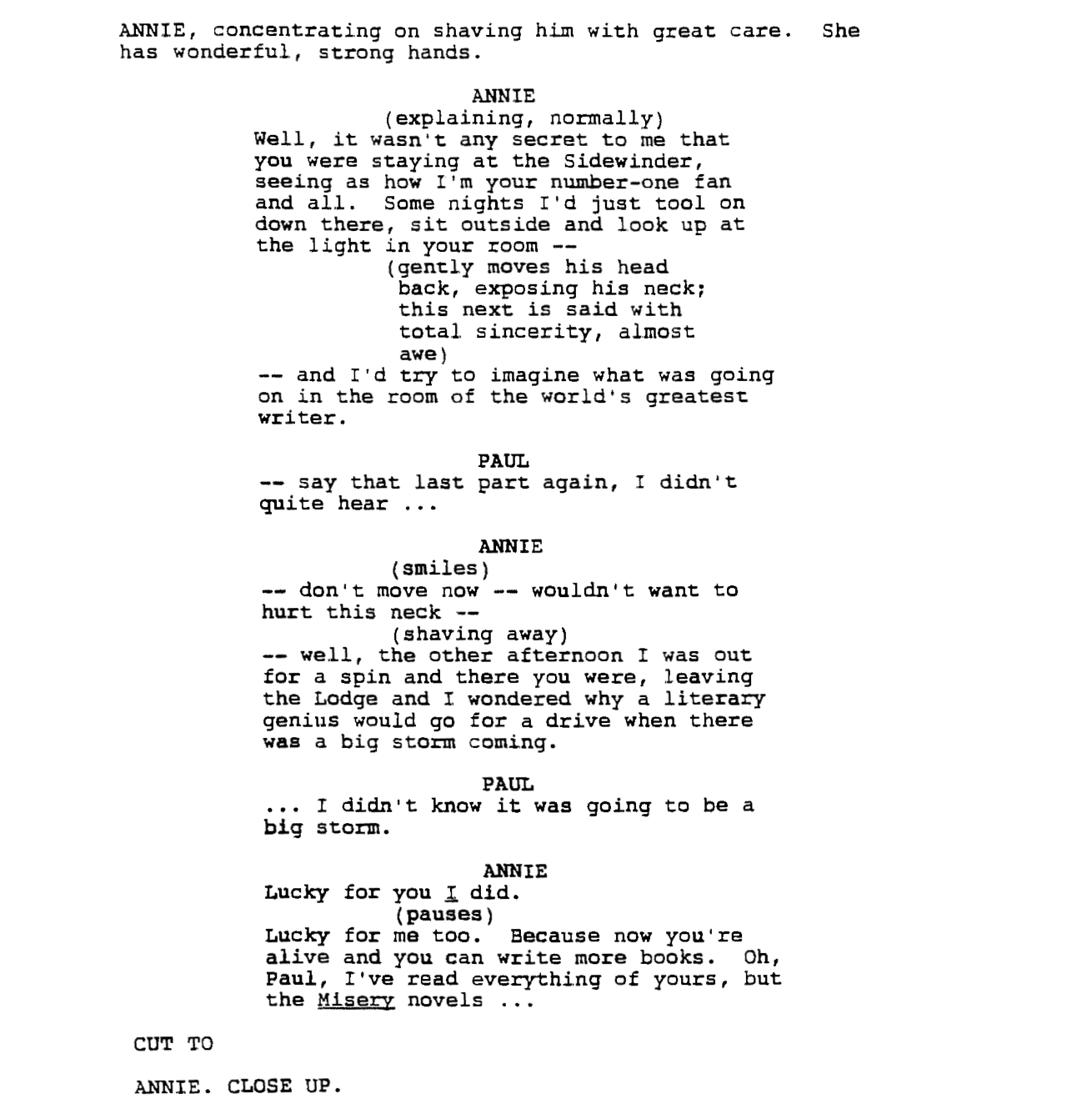
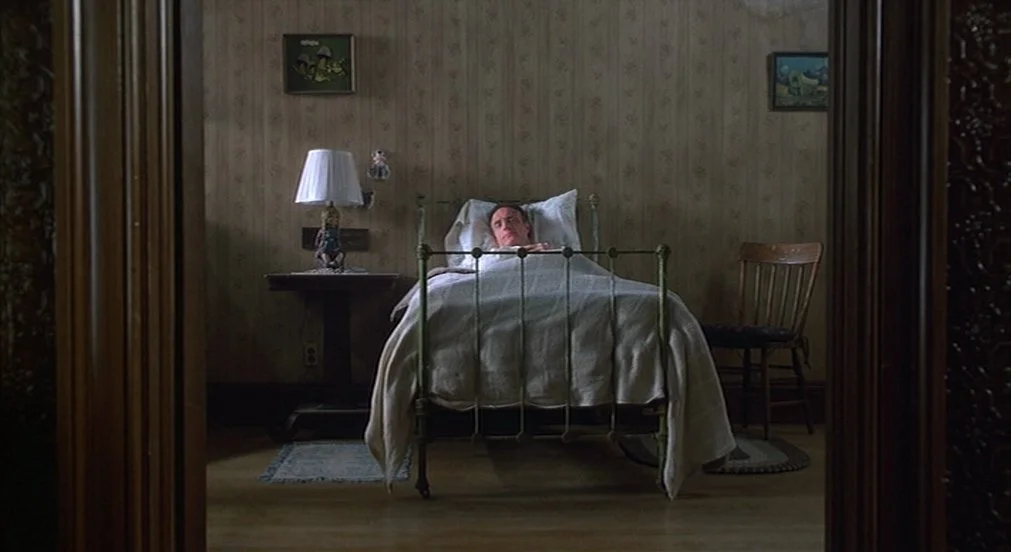
Paul has no reason to believe he’s in any danger at this point, and Annie swears that the phone lines should open up within a day or two. In the meantime, all she wants in return is to read the latest Misery manuscript that’s been sitting in Paul’s case. He agrees.
And that’s when the real Annie starts to creep out…
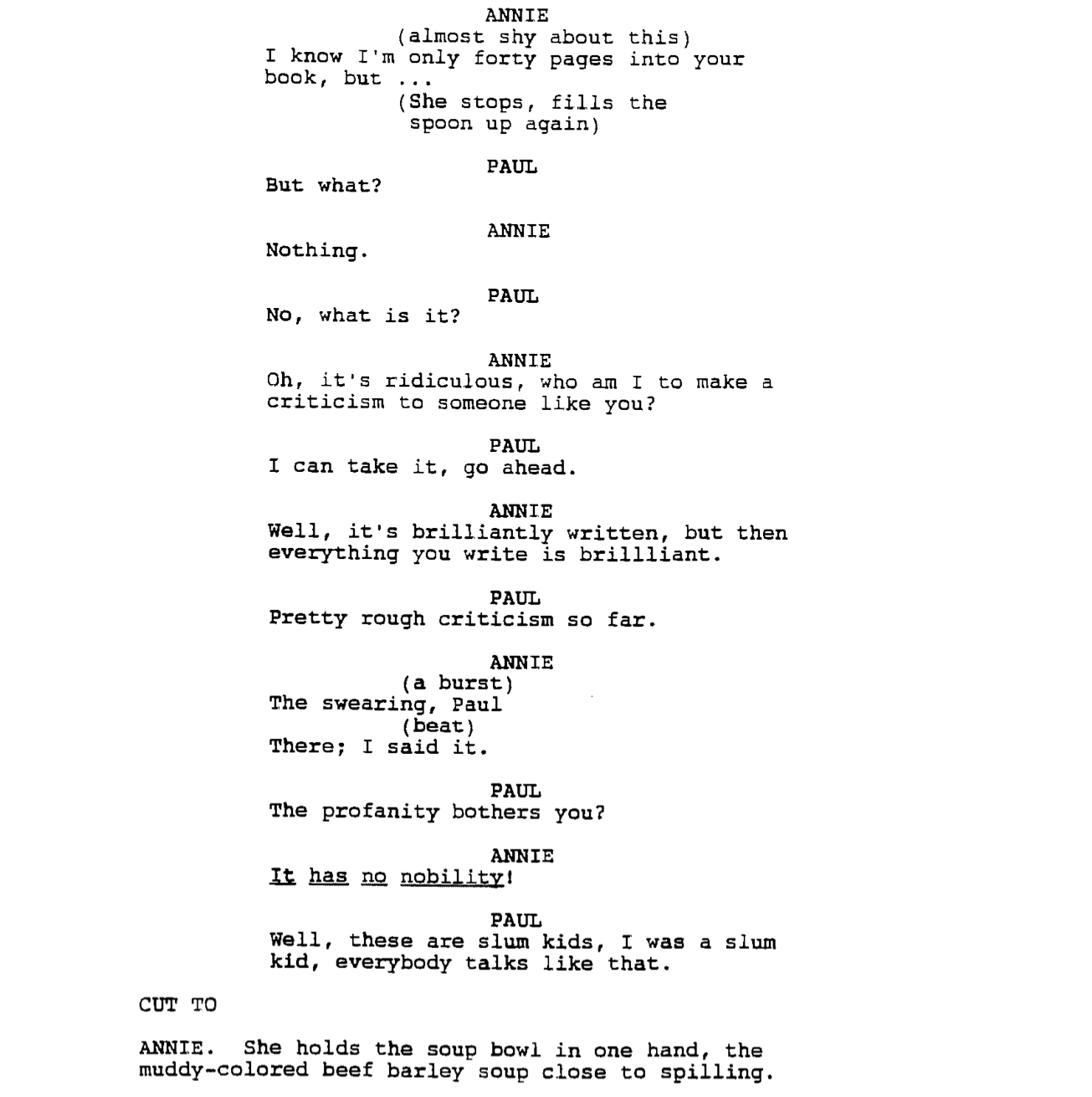
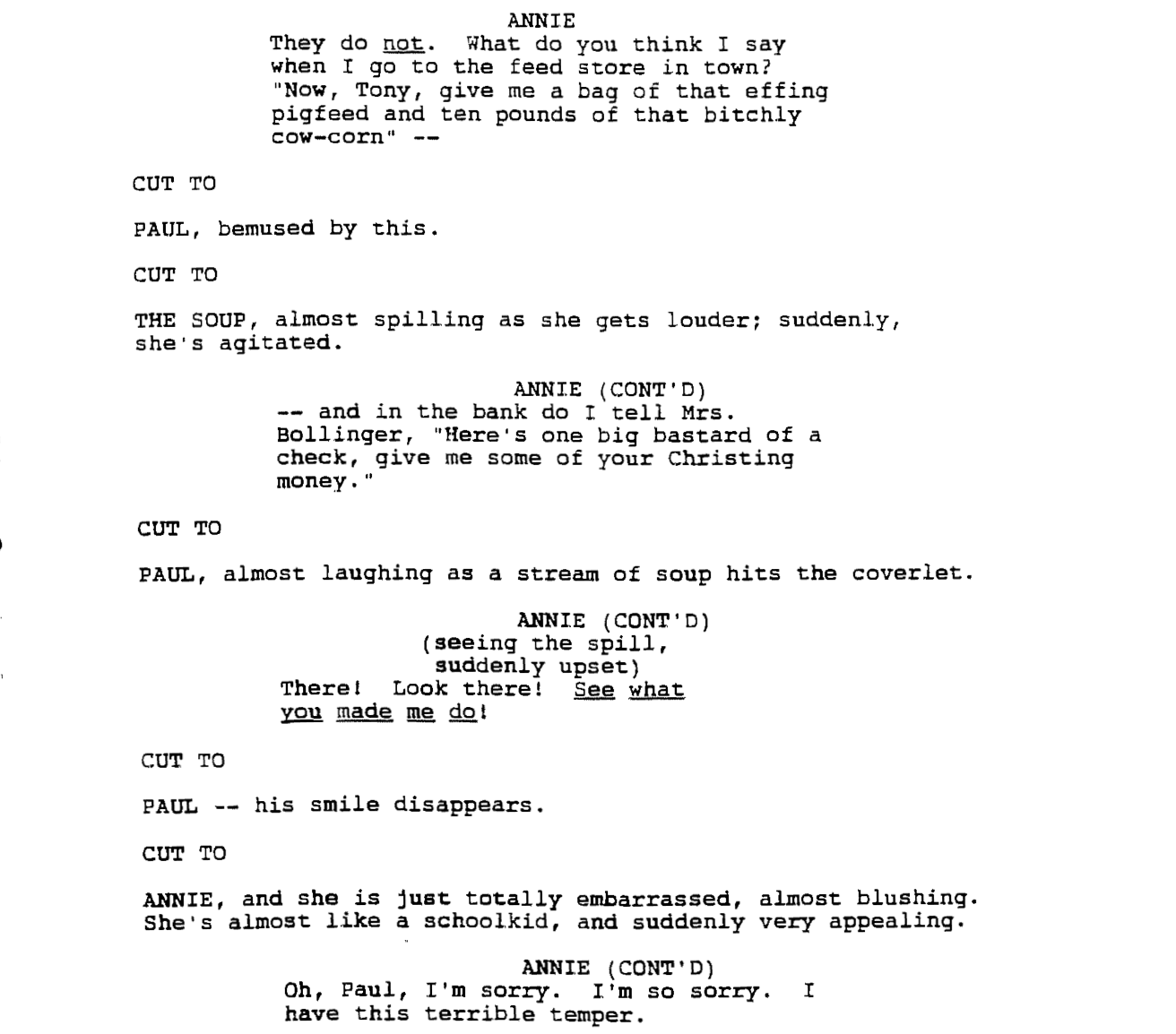
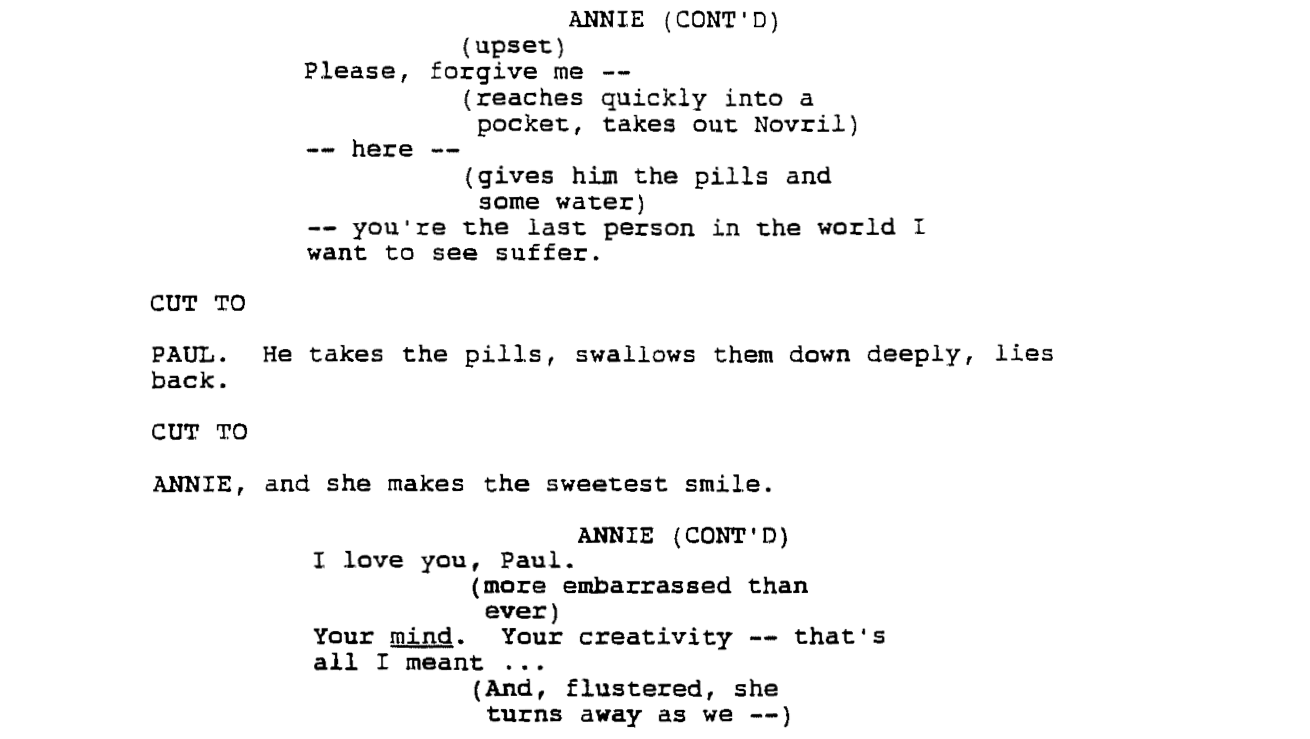
BREAK INTO TWO
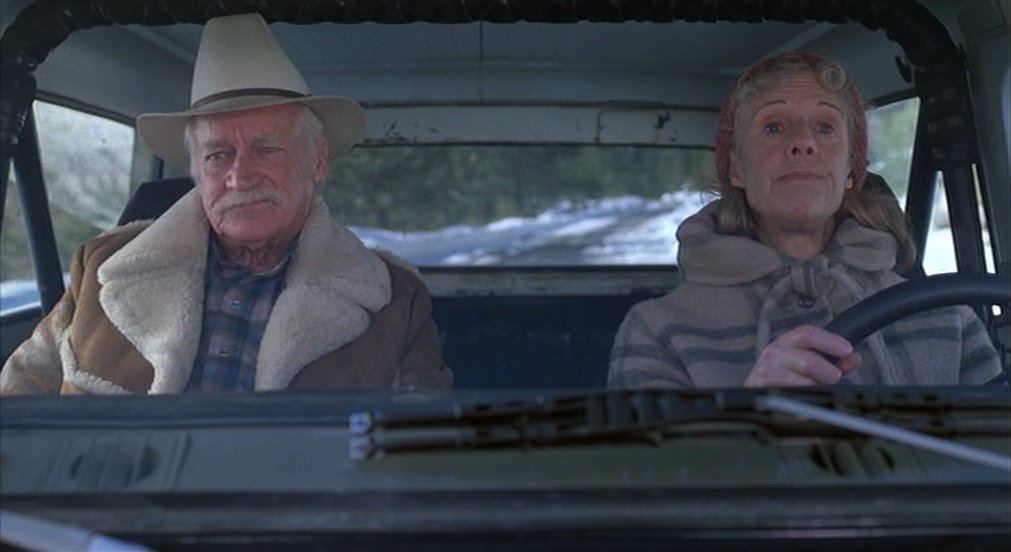
Act 2 begins with two major events. First of all, Buster has a hunch that something strange happened to Paul Sheldon, and even though there’s no evidence at this time, his hunch is going to keep him investigating.
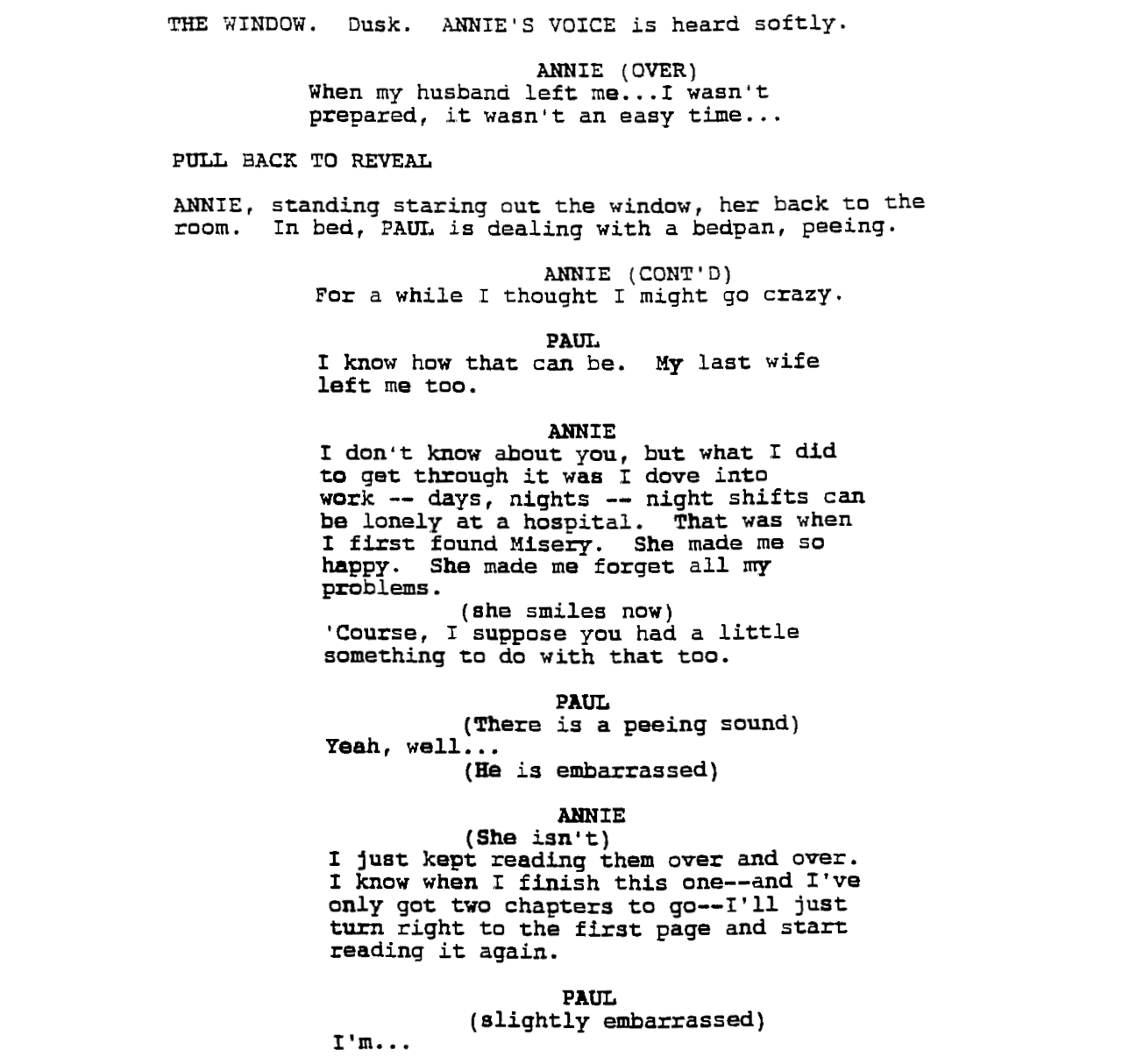
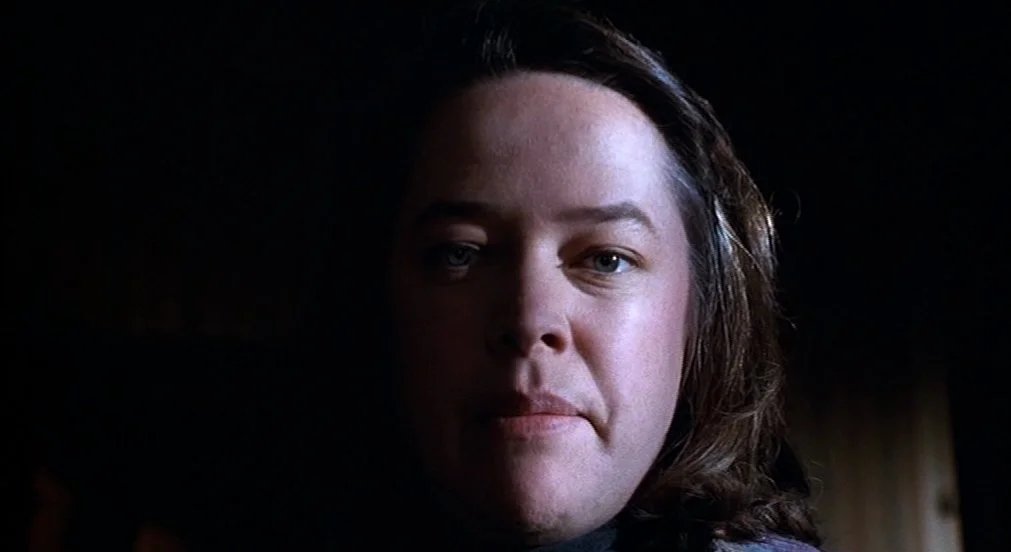
Secondly, Annie starts to let Paul (and the audience) glimpse into her personality a little more each day. For starters, she has a pet pig named Misery (she really is Paul’s number one fan). But besides that, we finally learn why she is a fan.
MIDPOINT
Halfway through the script, Annie has her first breakdown when she discovers that at the end of Paul’s new book, her beloved Misery dies.
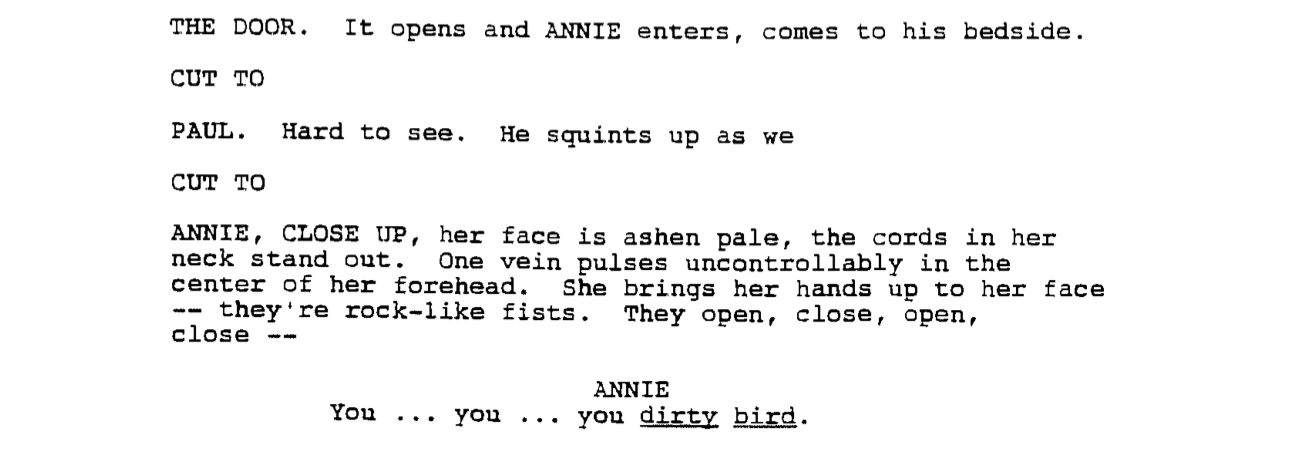
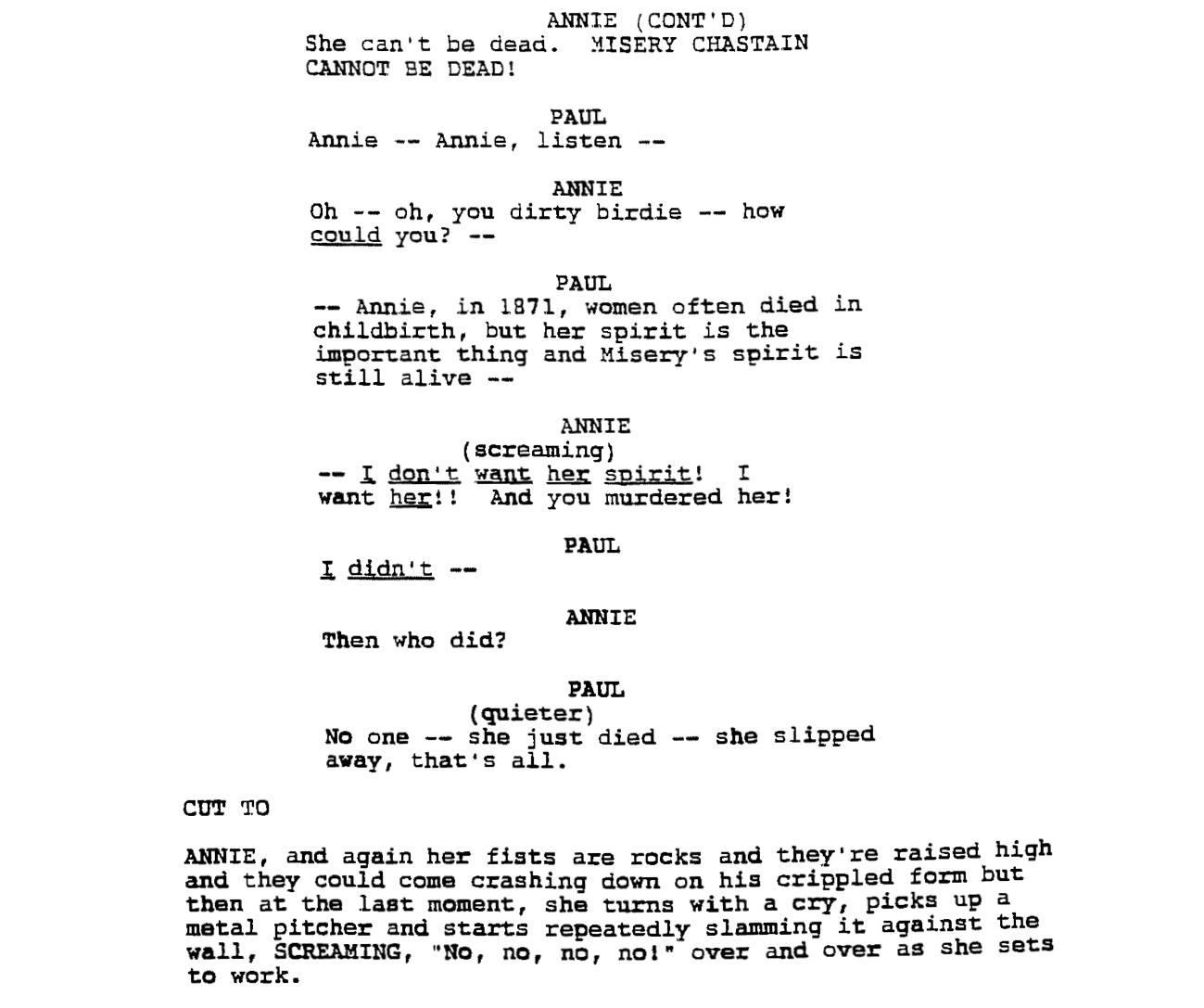
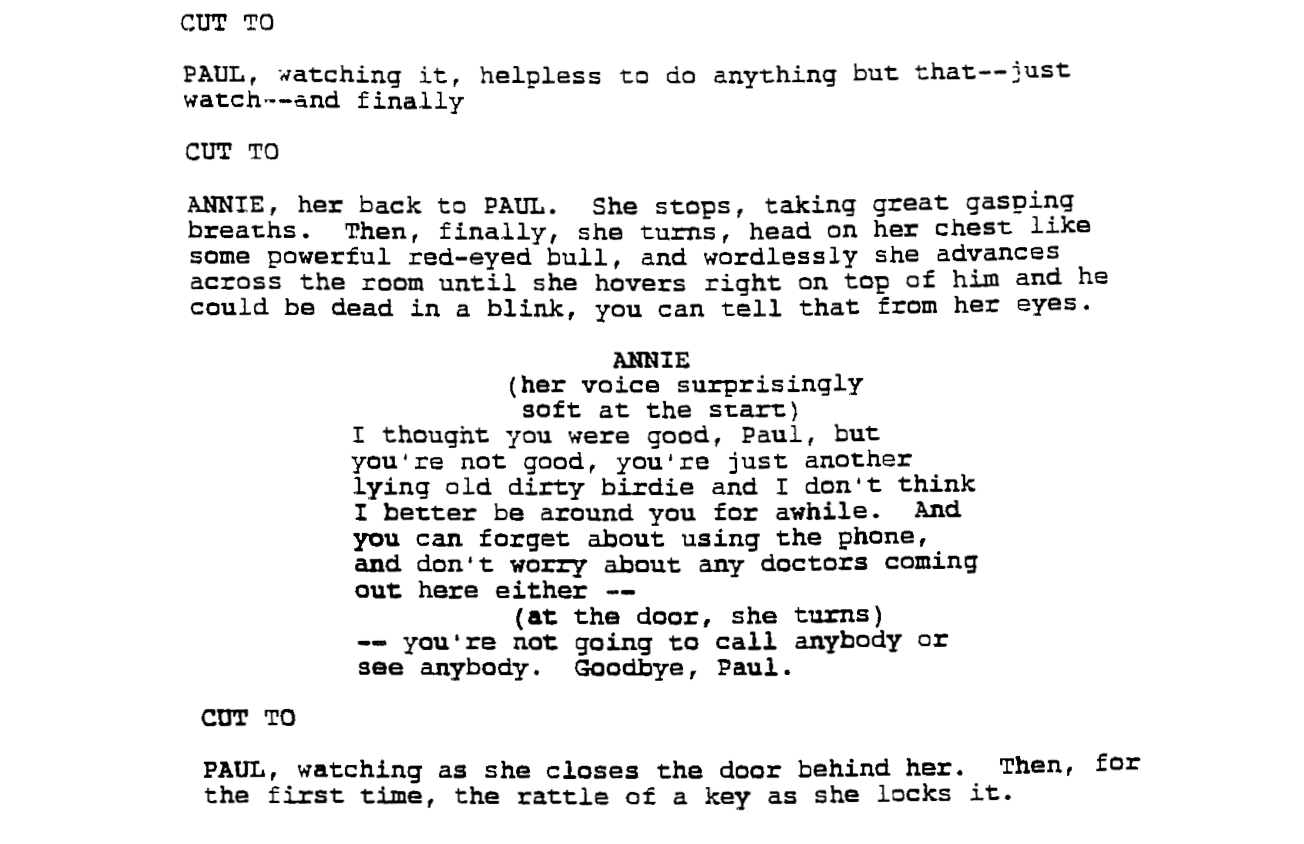
Not only does Paul realize that Annie’s completely batshit, but for the first time, it’s become evidently clear that he is, without a doubt, trapped here. Not because he’s hurt and not because of the storm, but because as long as he’s in Annie’s care, she will not let him leave.
BAD TO WORSE
The next day, after her outburst, Annie returns to Paul’s room with a barbecue, a match, and lighter fluid. She wants him to burn his book and start over.
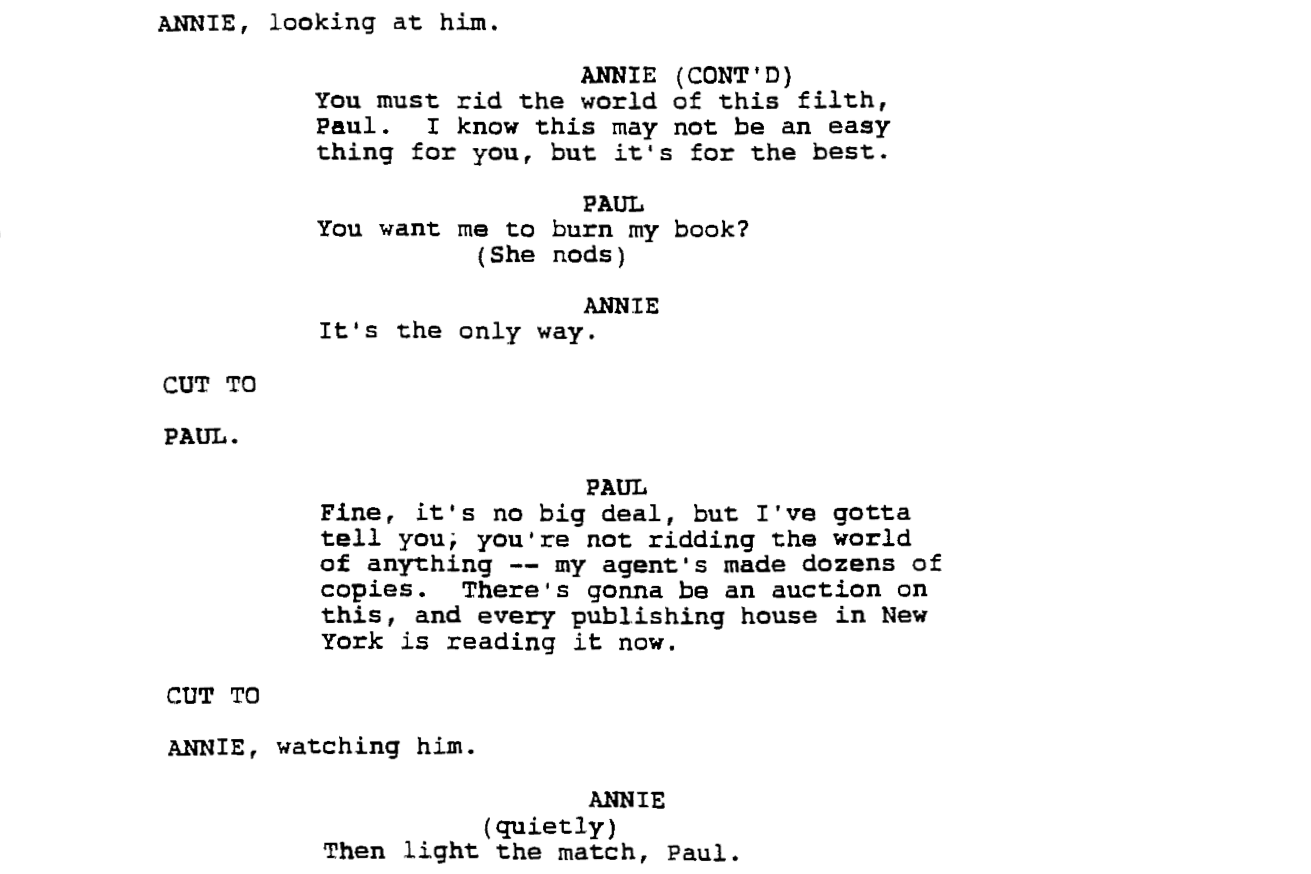
At first, he refuses. He desperately tries to convince her that there are a dozen copies, but she knows he’s lying. Desperate and scared, he gives in.
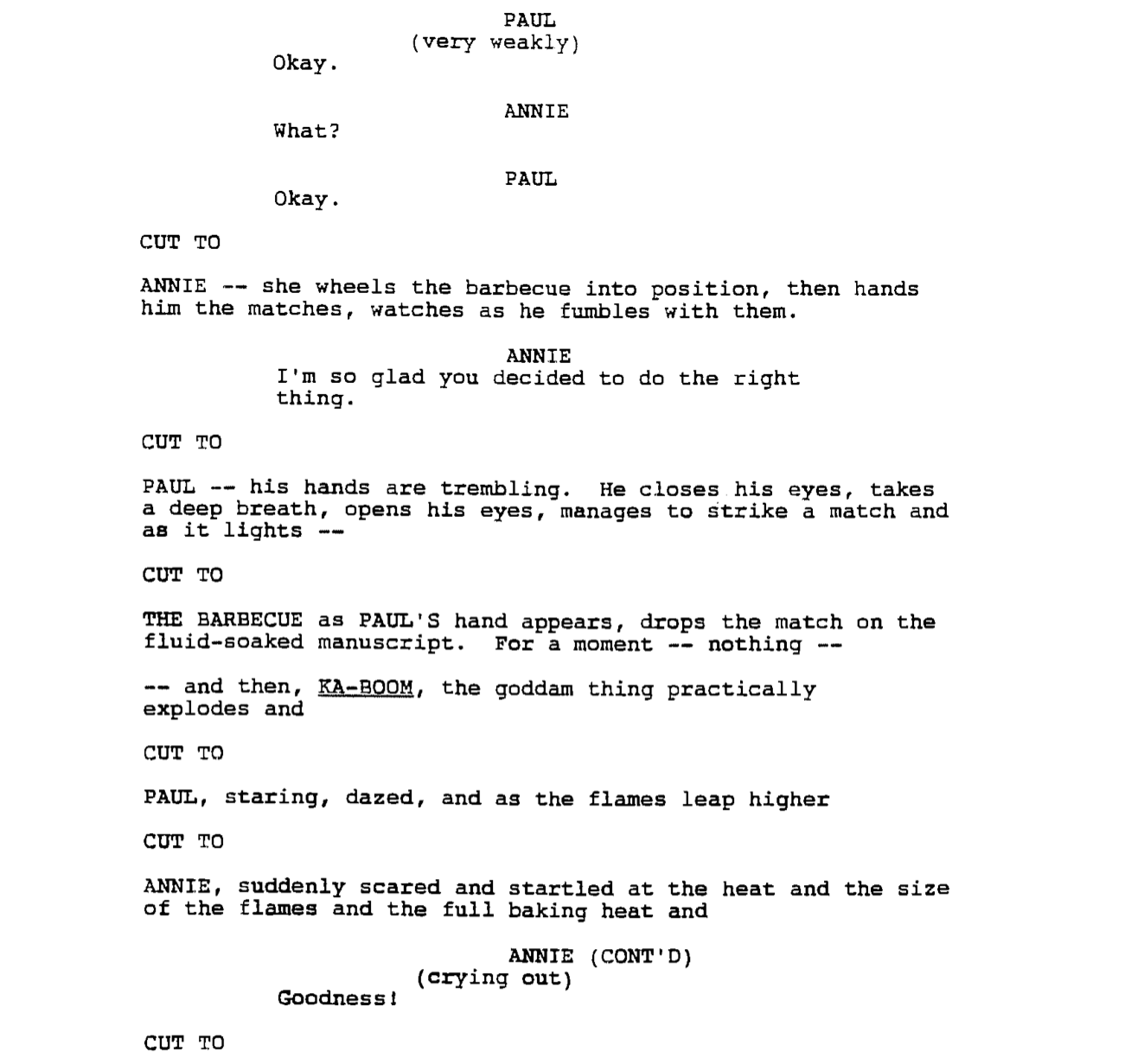
Meanwhile, Buster charters a helicopter to look for the Mustang, now that the snow’s starting to melt.
Also, I must note that one thing that surprised me while reading this was just how little Buster is in the film. There is no constant back-and-forth between his and Paul’s journeys. There’s no long, drawn-out investigation where he slowly gets a different clue right off the bat. For the entire first half of the script, Buster appears just once in a blue moon to remind us, even if it’s only for half a page, that he is looking for Paul. And this really highlights Goldman’s brilliance because it absolutely works. A lesser writer would be tempted to give Buster some sort of traumatic backstory that thematically ties in to Paul’s situation or focus too much on providing his character with depth because that’s what they were taught to do with characters like this, but we just don’t need it. Buster exists to add pressure to the story. Nothing more, nothing less.
Anyways, back at Annie’s, she surprises him one morning with some gifts. The first being a wheelchair, so he can go all the way from one side of the room he’s trapped in to the other. The second being…a typewriter.
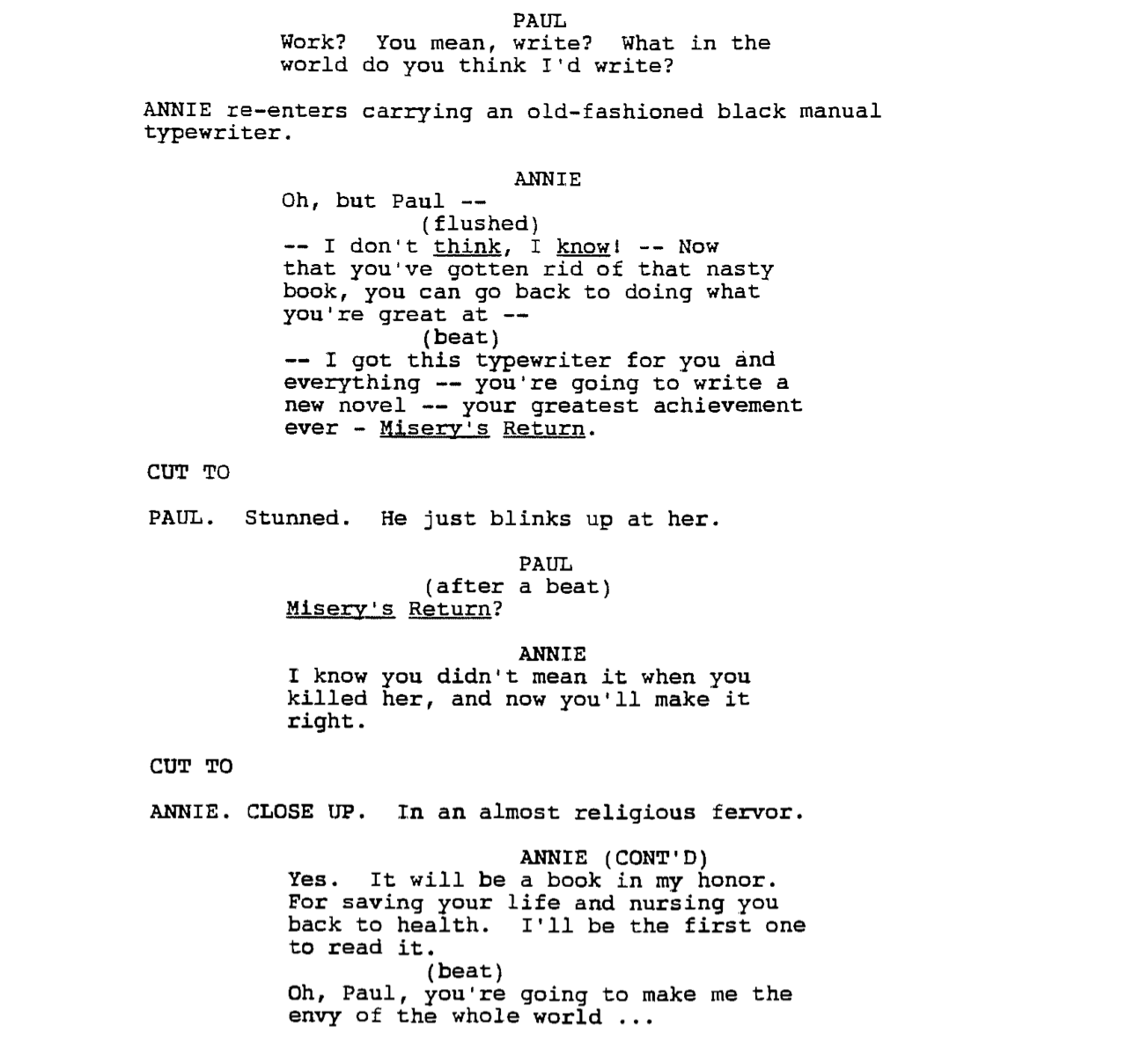
That’s when Paul comes up with a plan. Annie’s obviously so obsessed with this new book being perfect that Paul suddenly has an advantage. He convinces her that he only uses a specific type of paper to write on and that she’d have to go back into town to get it for him. Otherwise, the book just isn’t going to be the same. And of course, she obliges (after having another outburst and beating Paul’s legs with the old ream of paper).
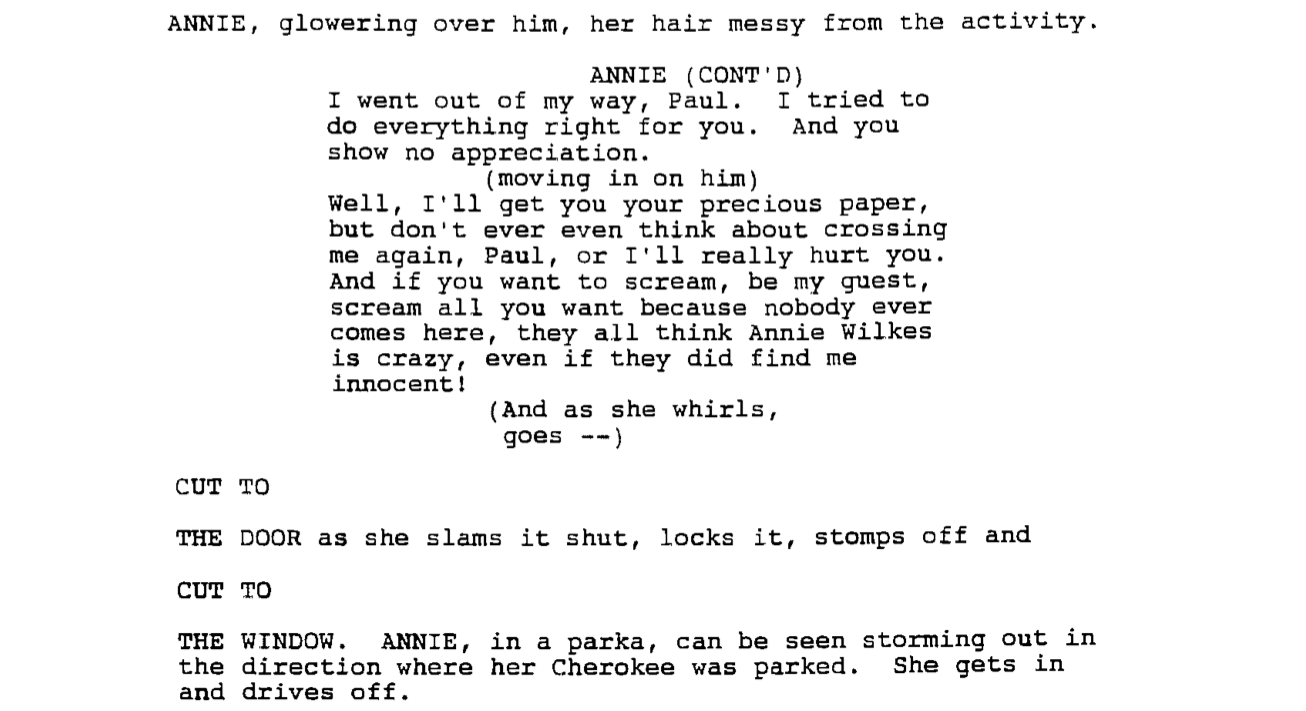
While she’s gone, he takes out a bobby pin that he snagged from her earlier, picks the lock on his door, and escapes his room to inspect the rest of the house. Unfortunately, he doesn’t find anything helpful whatsoever. There are no phones, the doors are all locked from the outside, and bars are on all of the windows.
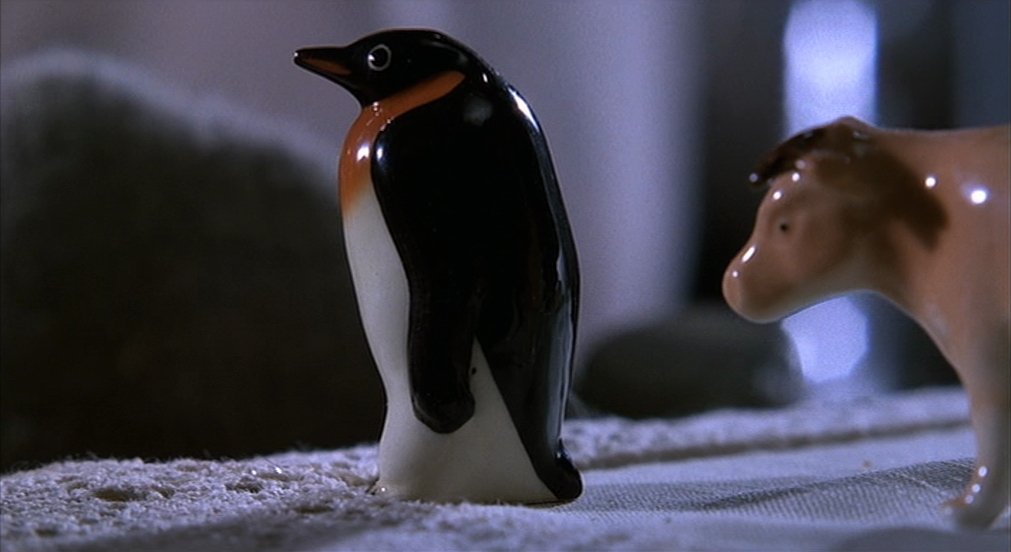
After a very stressful scene where Paul explores the house looking for clues (even getting out of his chair and crawling around a bit), he hears Annie’s car return. He rushes back to his room, knocking over a small, ceramic penguin on the way in. Just when we think it’s going to hit the floor and crash, Paul catches it just in time and puts it back. Close call. He gets back safely and parks his chair just before Annie comes inside.
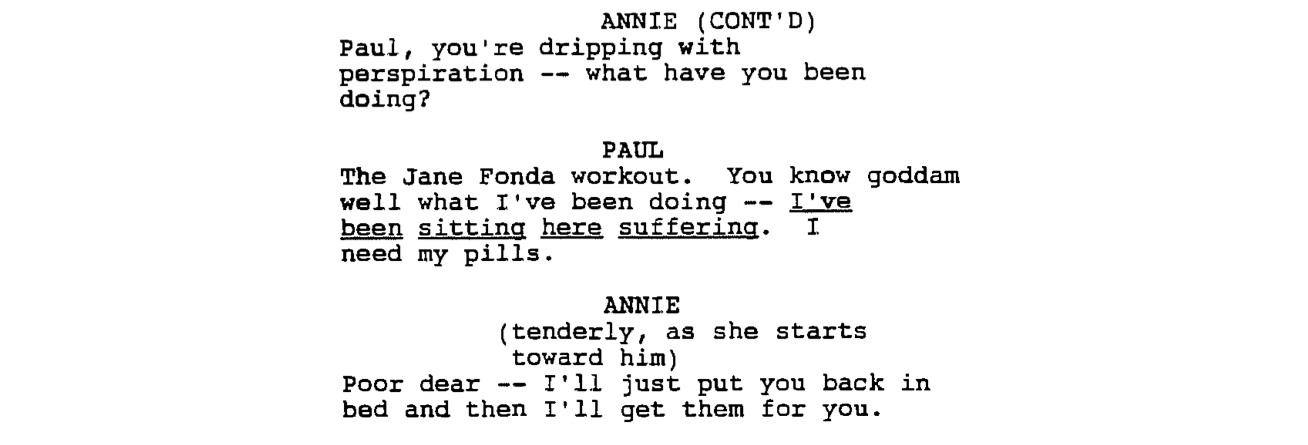
He pops the pill into his mouth and waits for Annie to leave. When she does, he removes the pill, having not swallowed it. We see him break it open and store the powder in a tiny envelope he made, stashing its insides for a rainy day.
We check back in on Buster, who finally spots the Mustang from the helicopter.
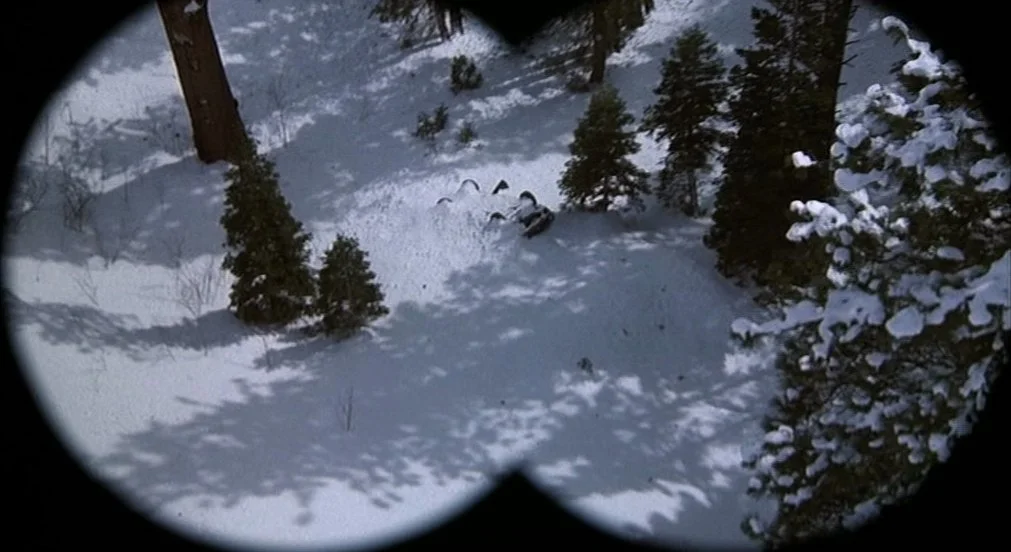
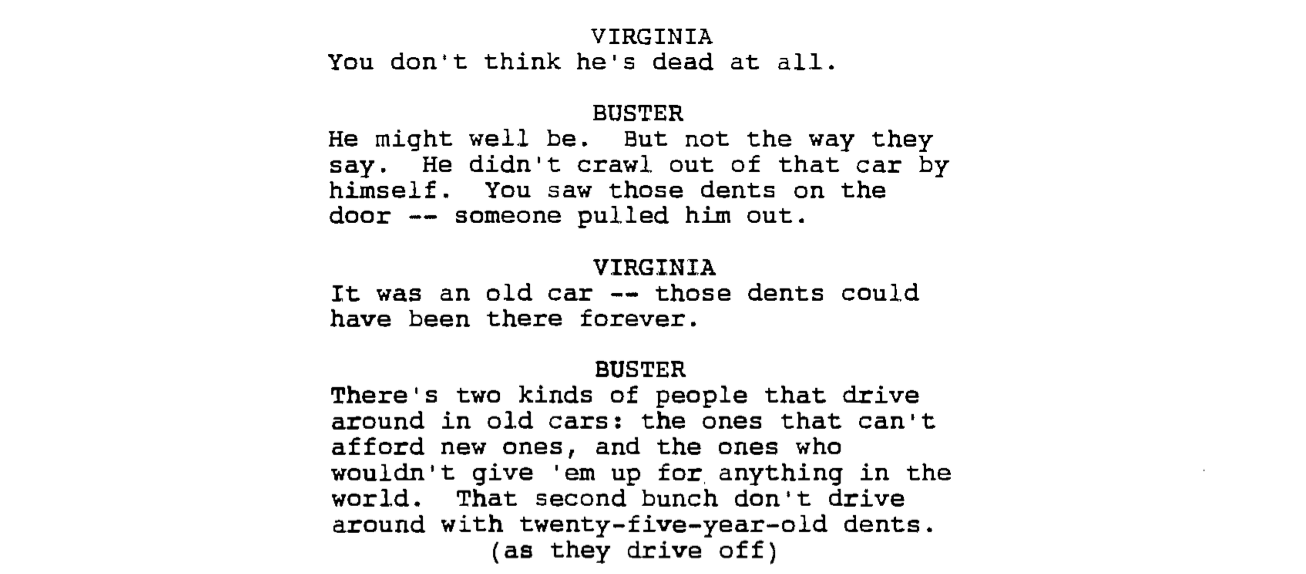
We jump cut to the police giving a press report, claiming that Paul Sheldon is most likely dead, but Buster doesn’t buy it.
The script continues with Paul attempting to write Annie’s version of the new Misery book, which is going nowhere.
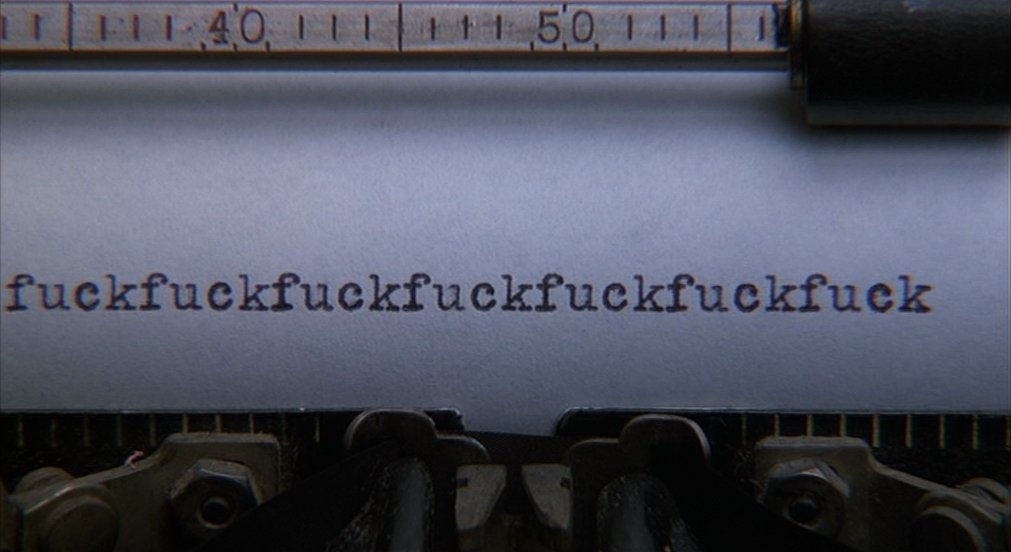
She hates everything he’s written so far and repeatedly forces him to restart until he ends up writing a book specifically for her to enjoy (which he hates). Finally, he gets to a point where she’s ecstatic with the novel, and once again tries to use this to his advantage.
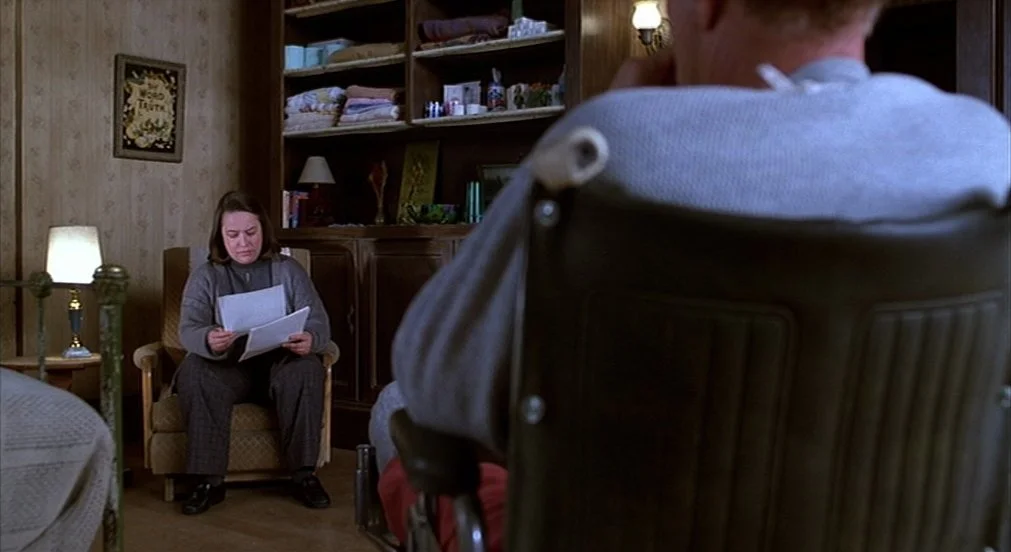
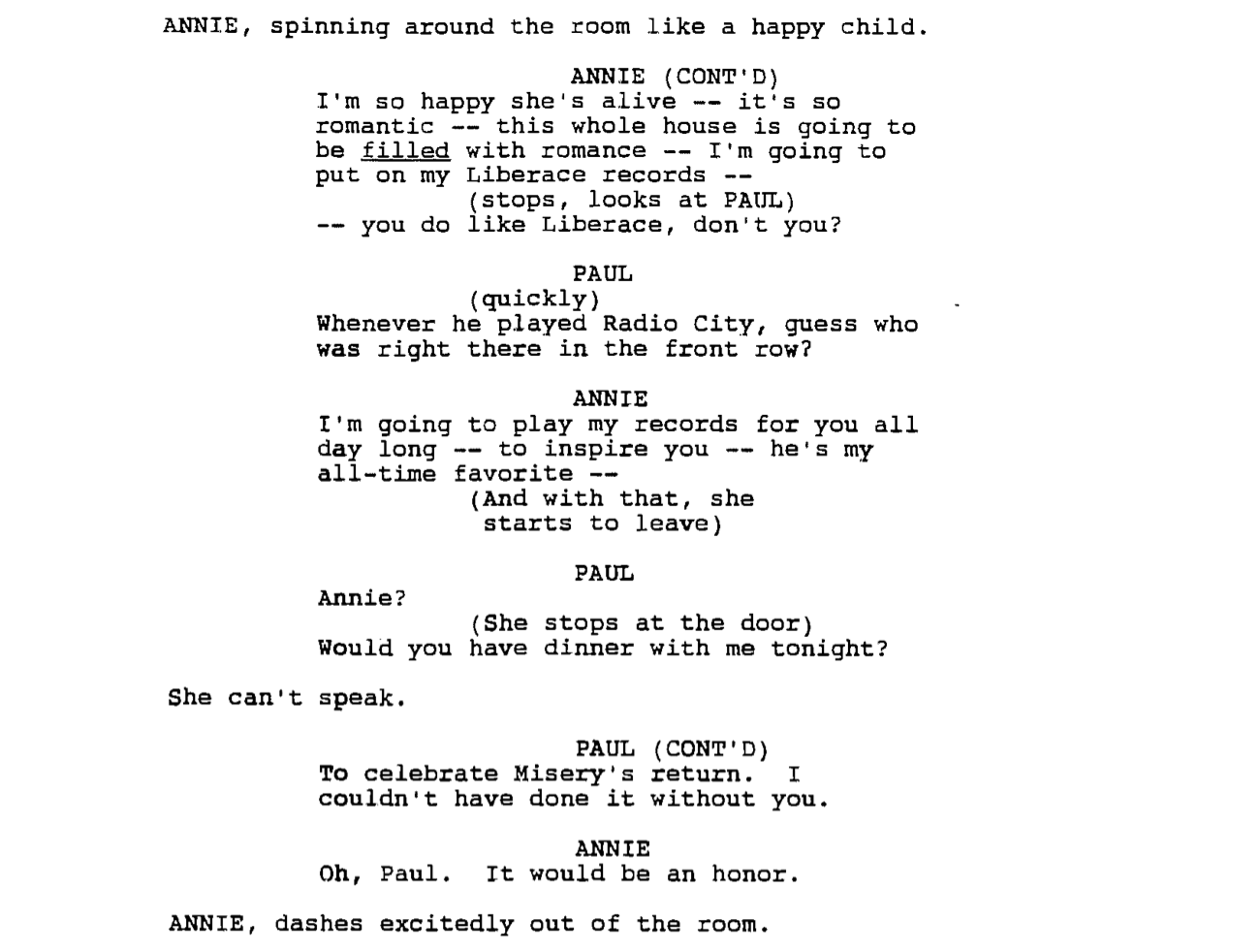
During the meal, Paul manages to sneak his stash of pill powder into Annie’s drink; his Hail Mary attempt at getting the fuck out of here (which of course doesn’t work).
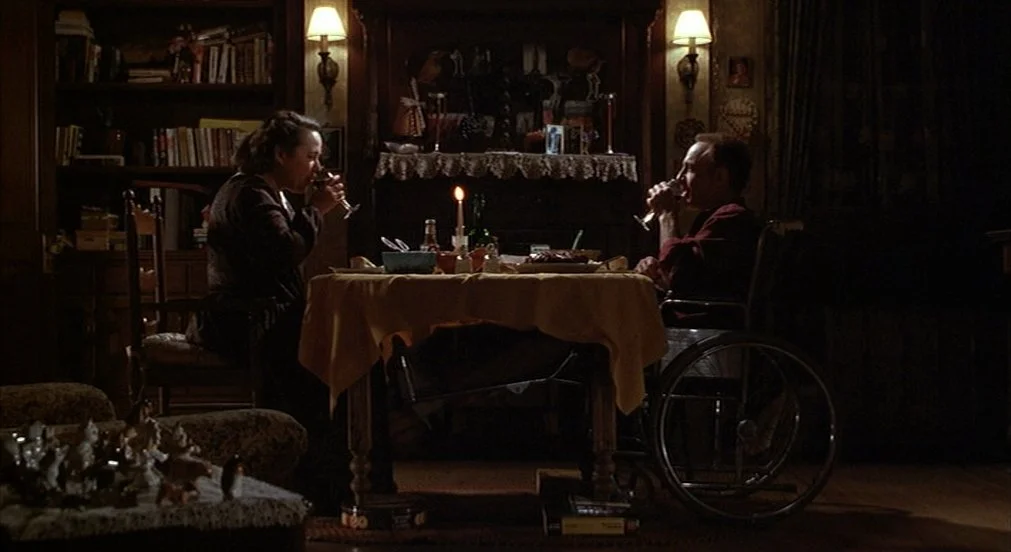
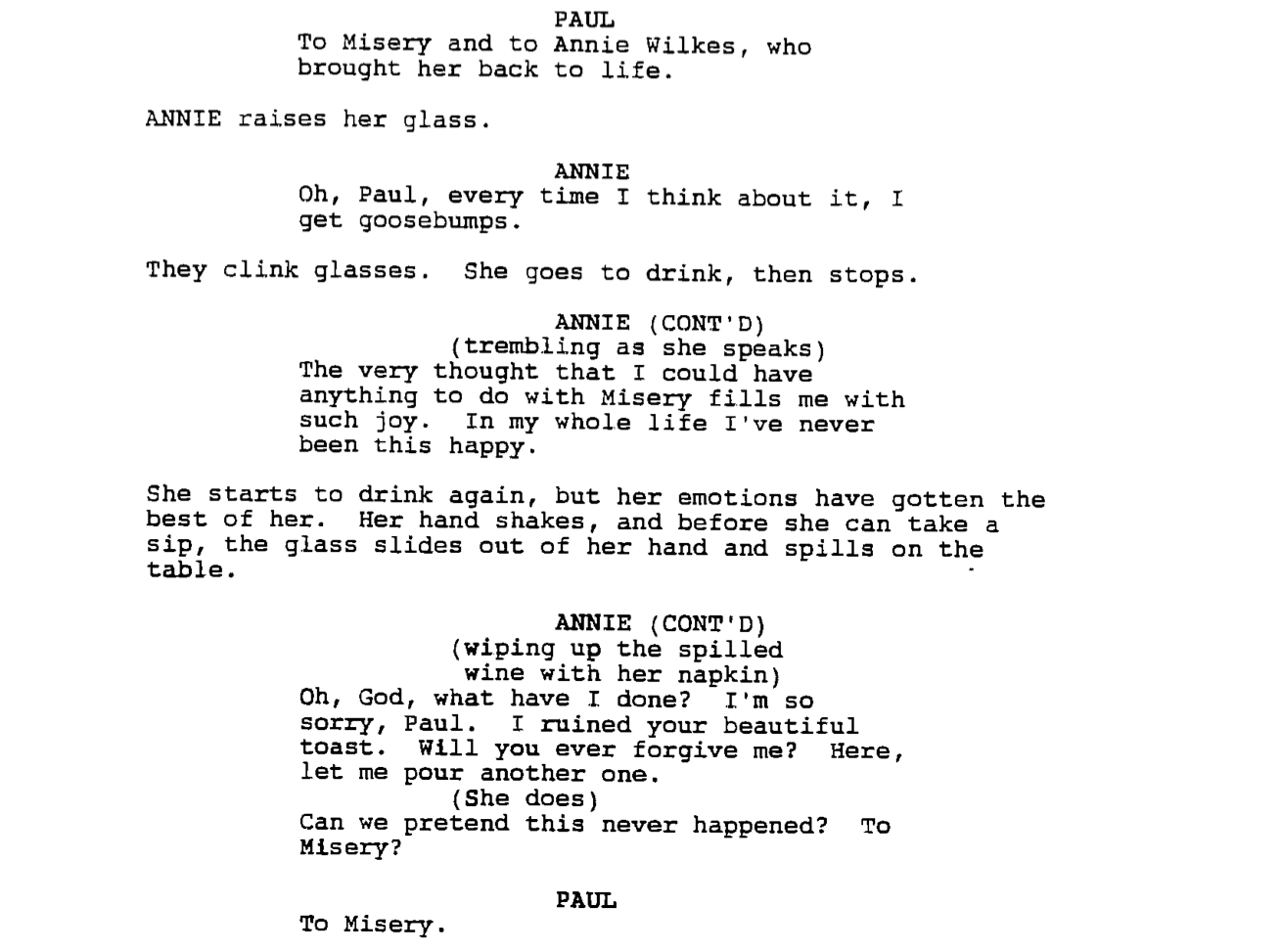
But even though his plan failed, Paul’s getting stronger. He can move his entire upper body on his own now (but still fakes being injured so Annie doesn’t suspect anything). And pretty soon, he might even be able to walk.
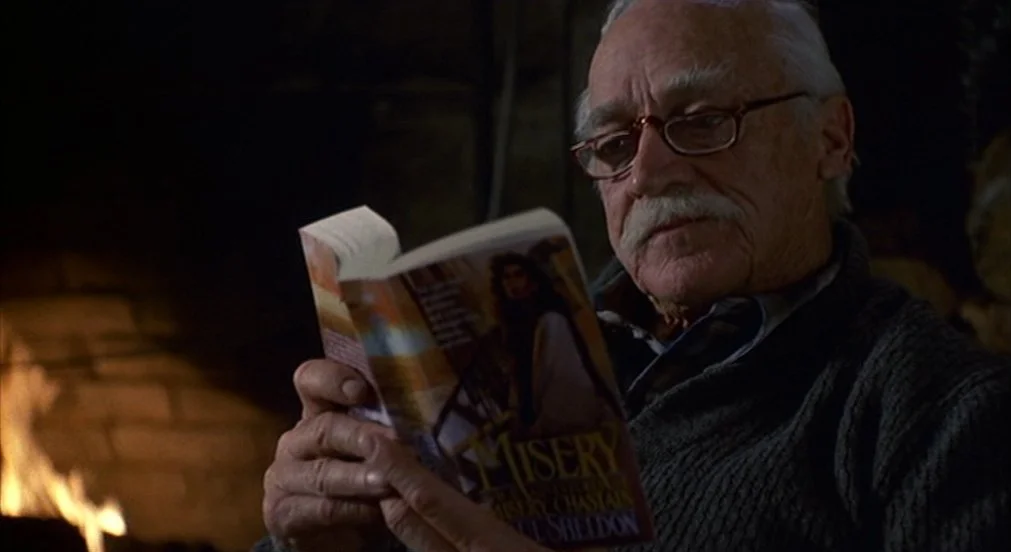
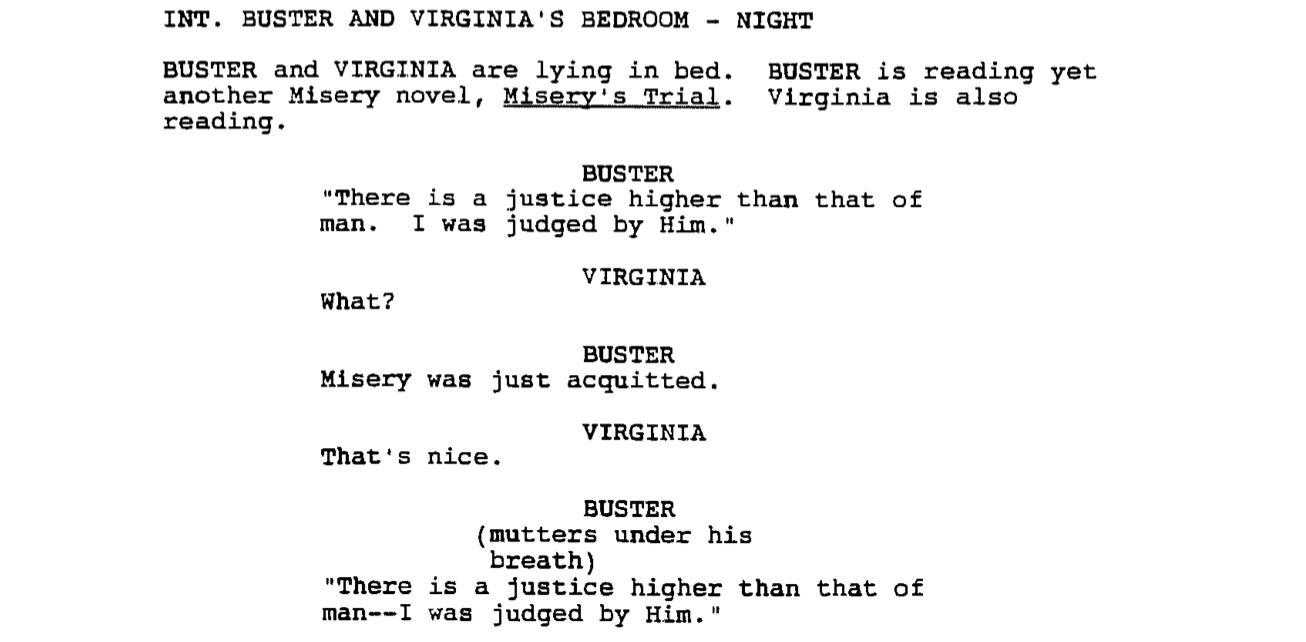
Meanwhile, Buster starts reading all of the Misery books, looking for clues.
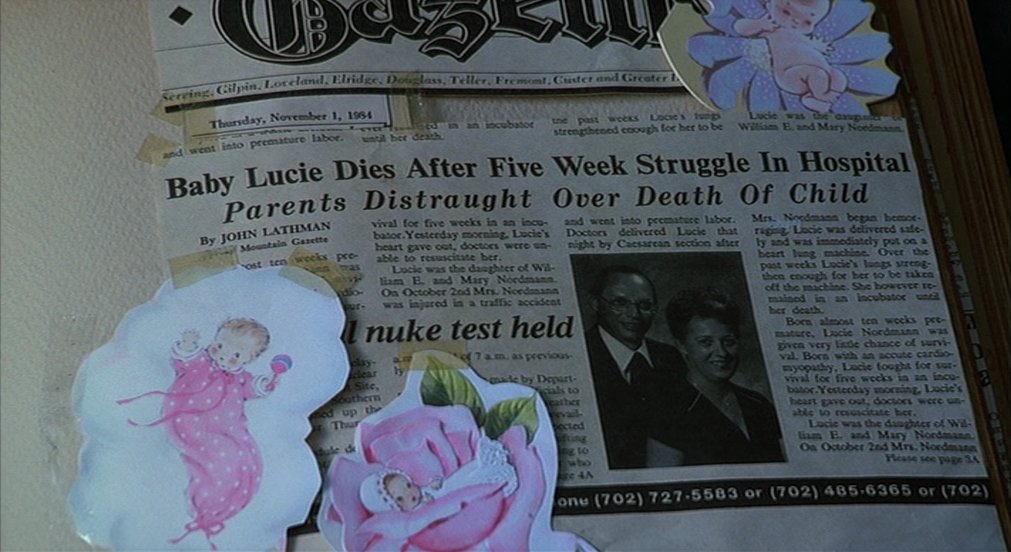
Some time later, Paul escapes his room again. Now much stronger, he’s able to secure a knife from the kitchen drawer. If poisoning Annie won’t work, maybe stabbing her will. Then, he stumbles upon her scrapbook, which is filled with a series of reports on mysterious deaths…
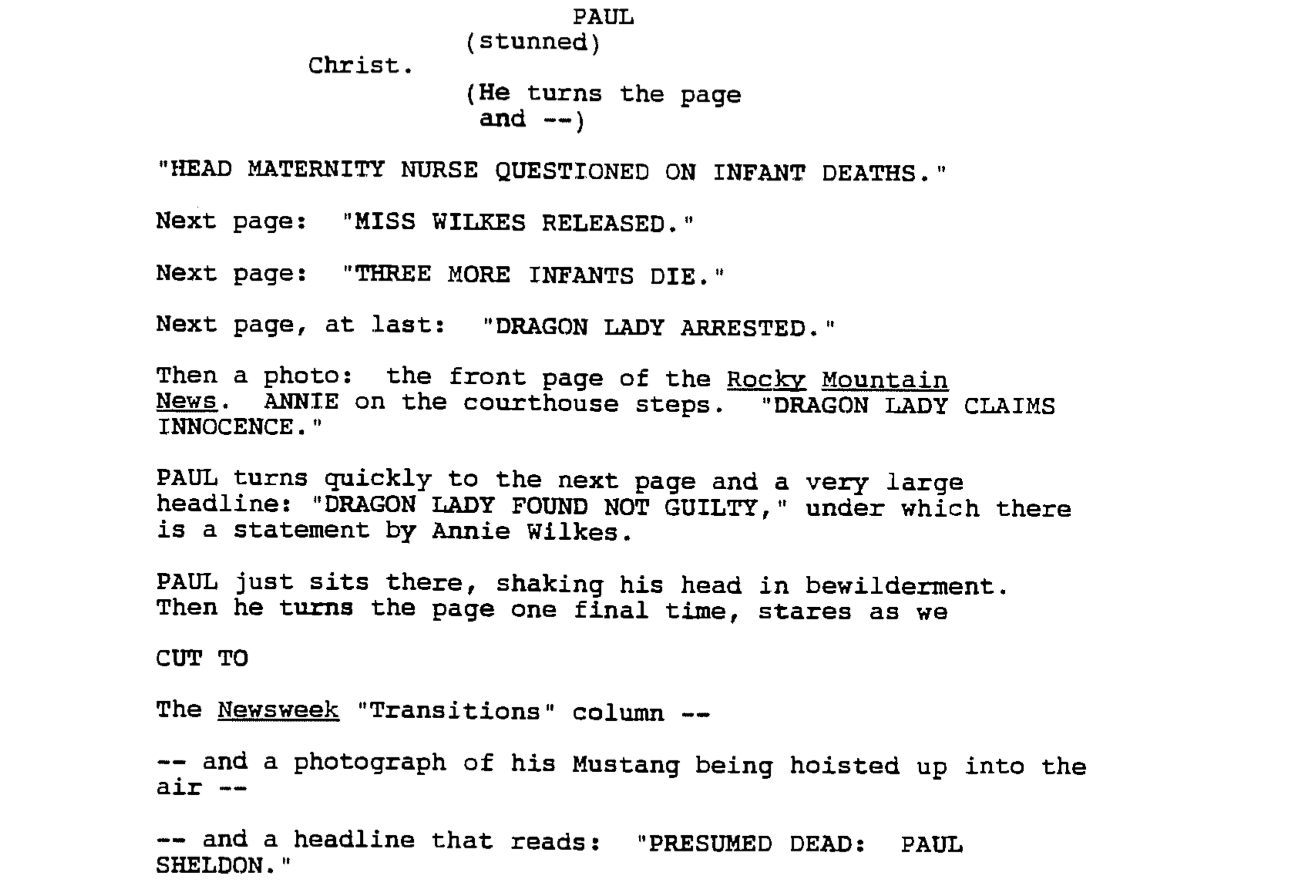
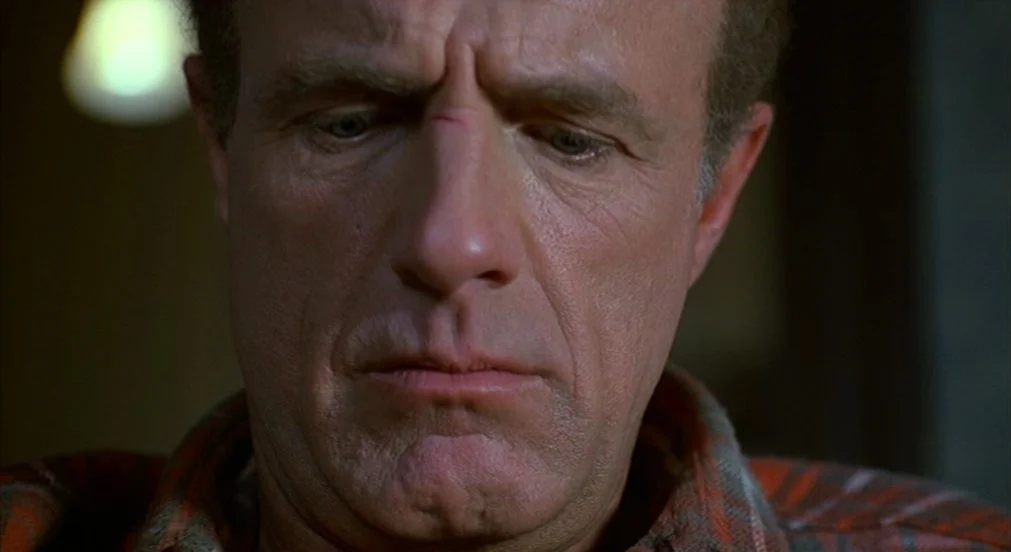
Devastated, he returns to his room, making sure to hide the knife under the bed where he could grab it easily.
BREAK INTO THREE
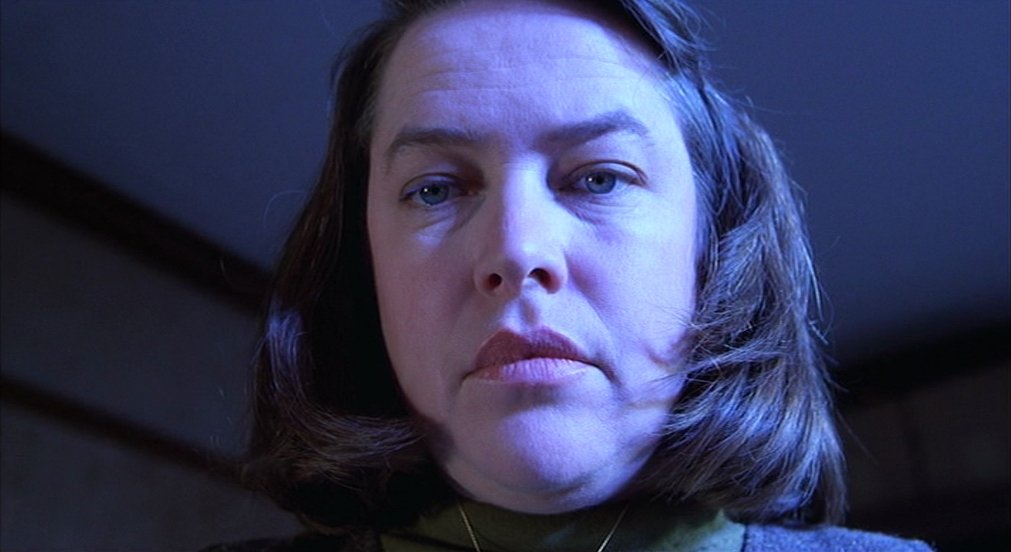
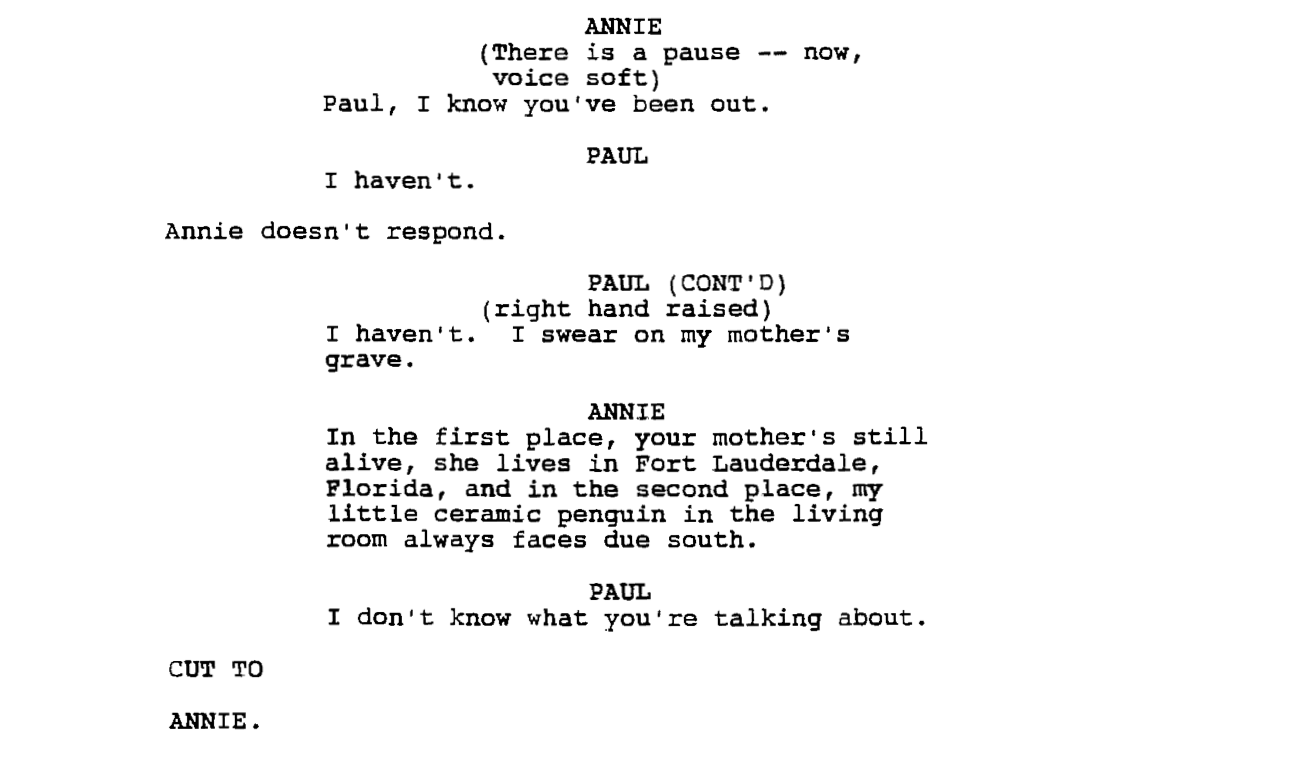
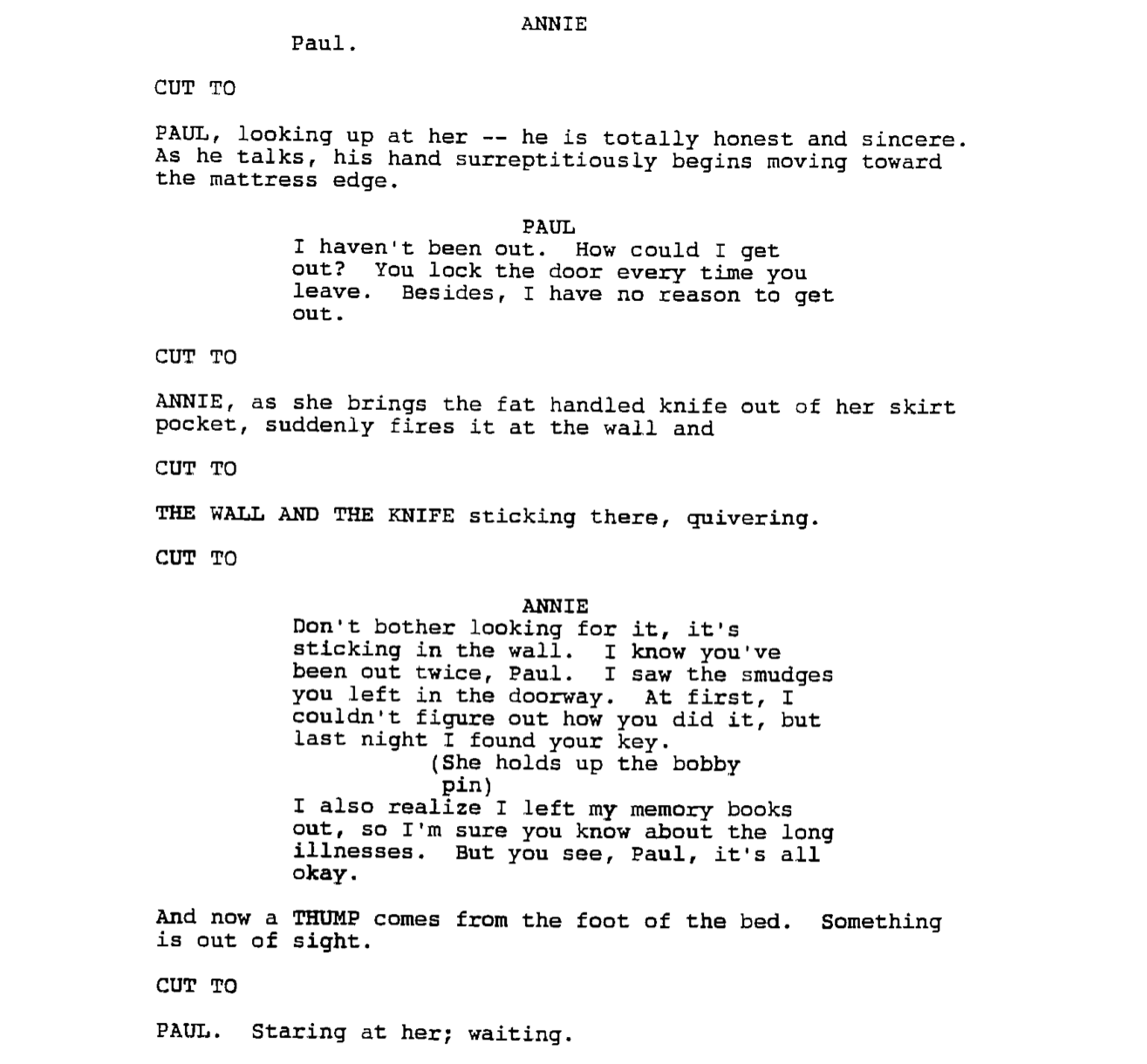
Act 3 begins with Annie, in a stranger mood than usual, waking Paul up early in the morning. She knows he’s been out.
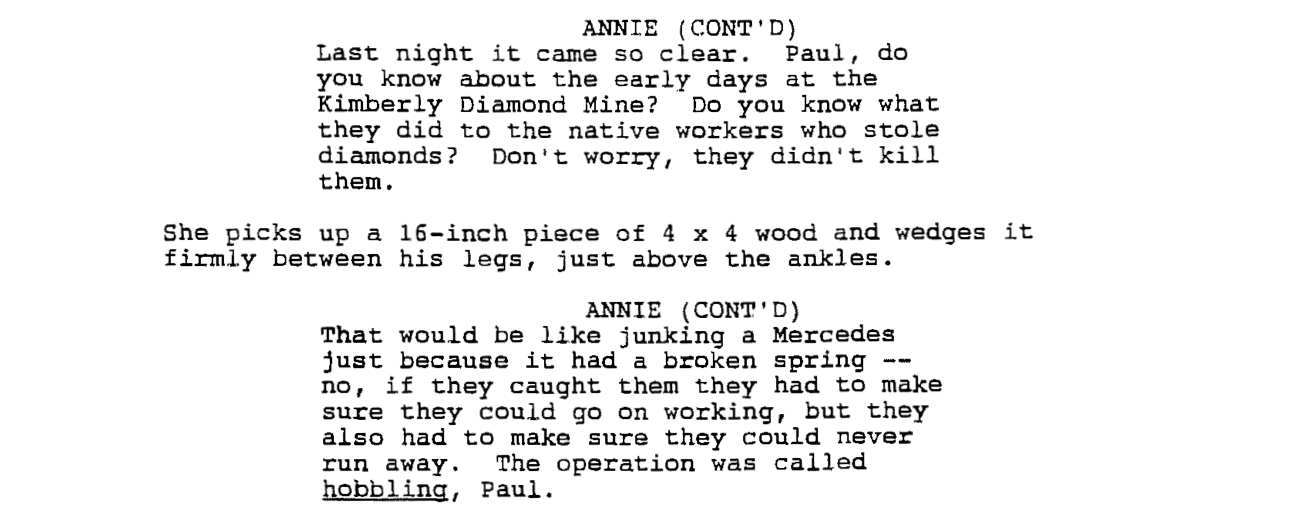
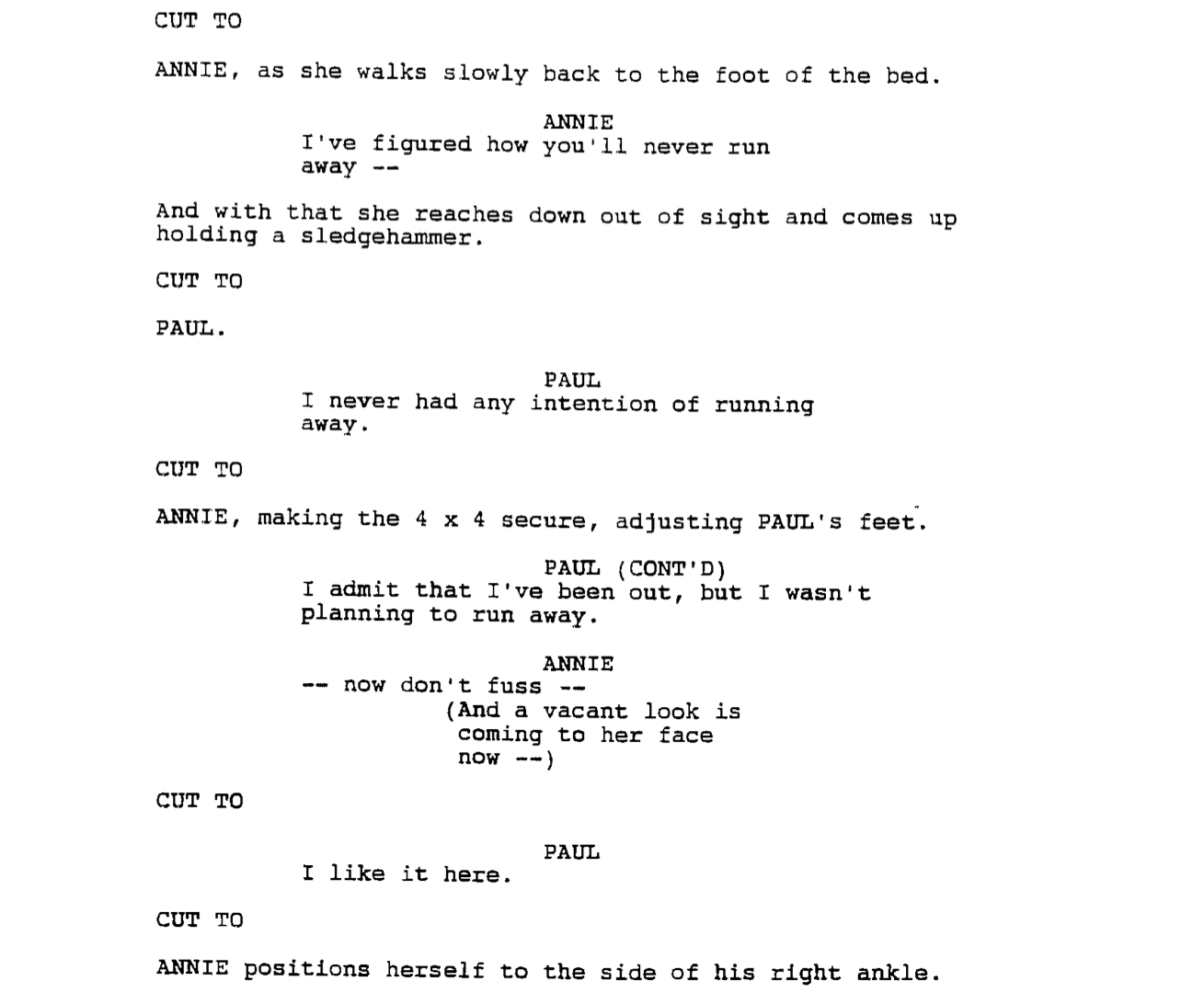
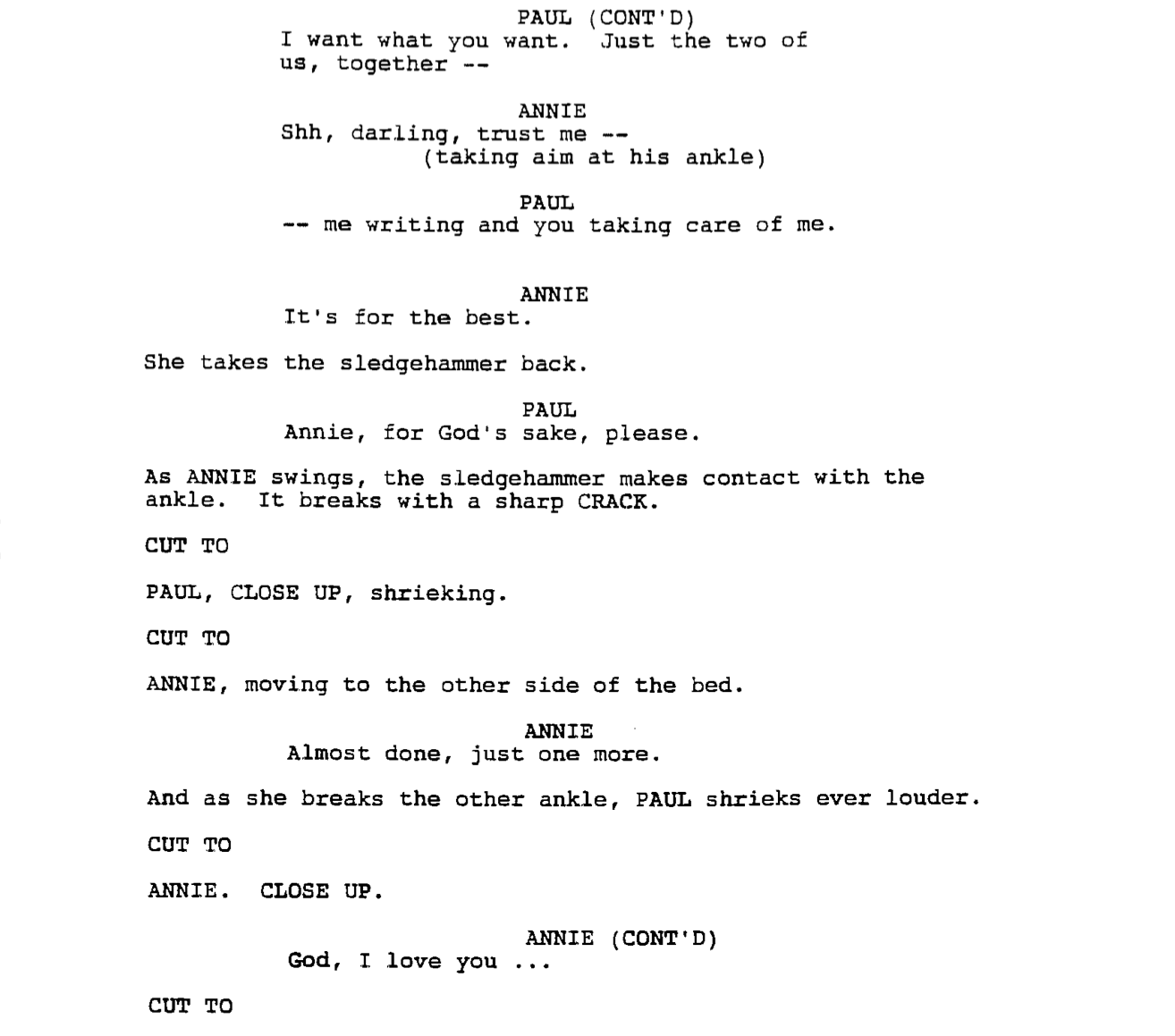
Days later, Annie gets into an argument with another driver in the parking lot of Virginia’s store. Buster notices her craziness and heads to the library. There, we see him going through piles of old newspaper records until he finally lands on a break in the case…
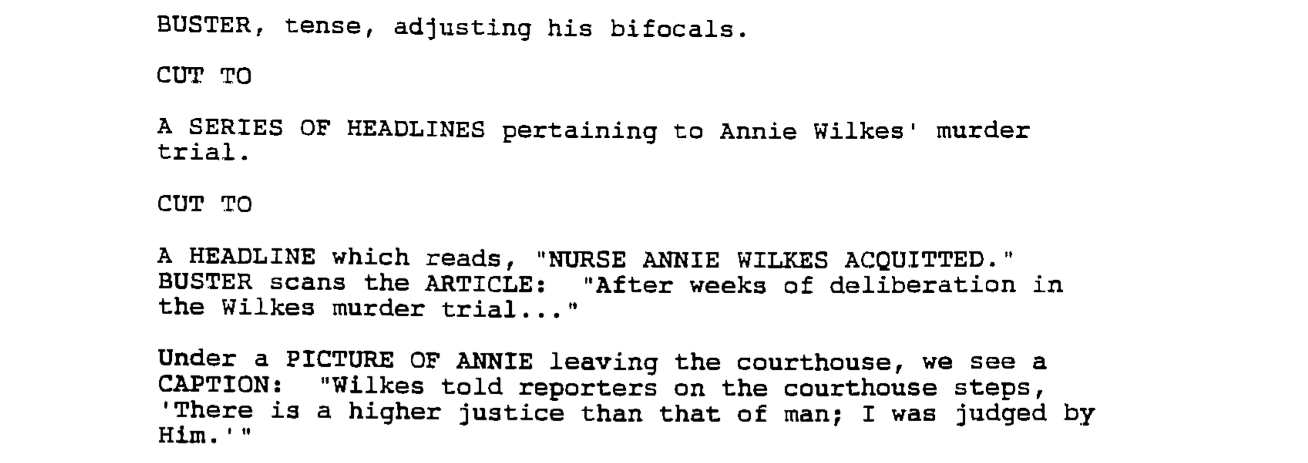
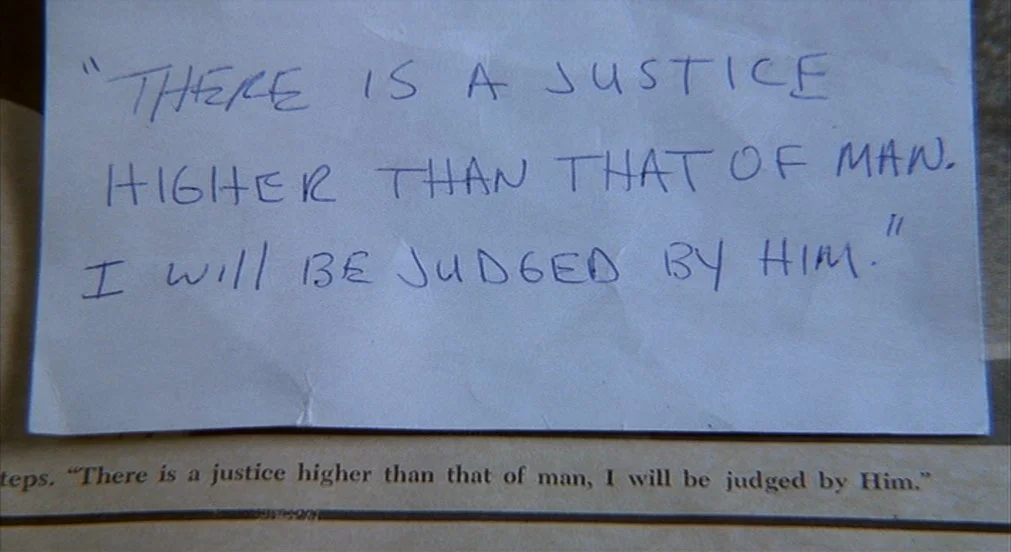
Now he’s really onto something. He then goes to the local bookstore to dig into his “Annie” hunch a little bit more. Also, note how Buster performs his coffee transaction himself. It’s a small, subtle detail, but it shows the audience that Buster is well-liked and well-trusted in this town, the exact opposite of Annie Wilkes.
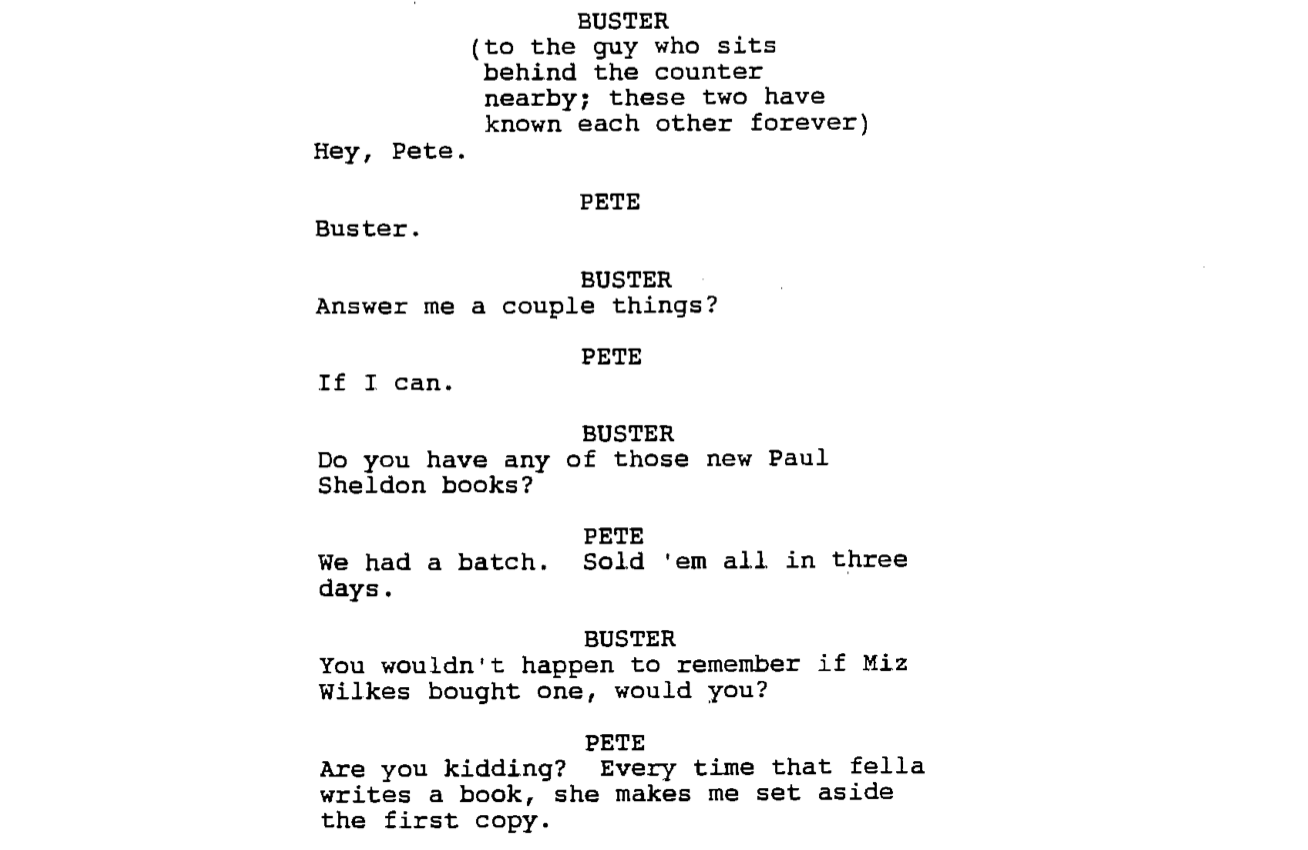


Now he’s got her.
FINALE
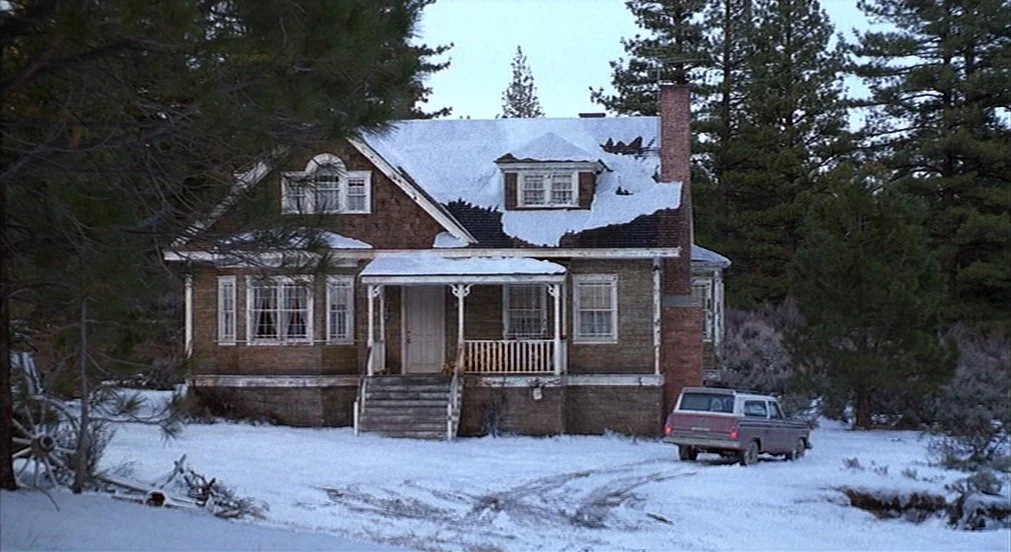
Since the hobbling incident, Annie and Paul have NOT been on the best of terms, and he’s refused to write anything. Angrily, she starts to do some chores and opens her front door, revealing Buster.
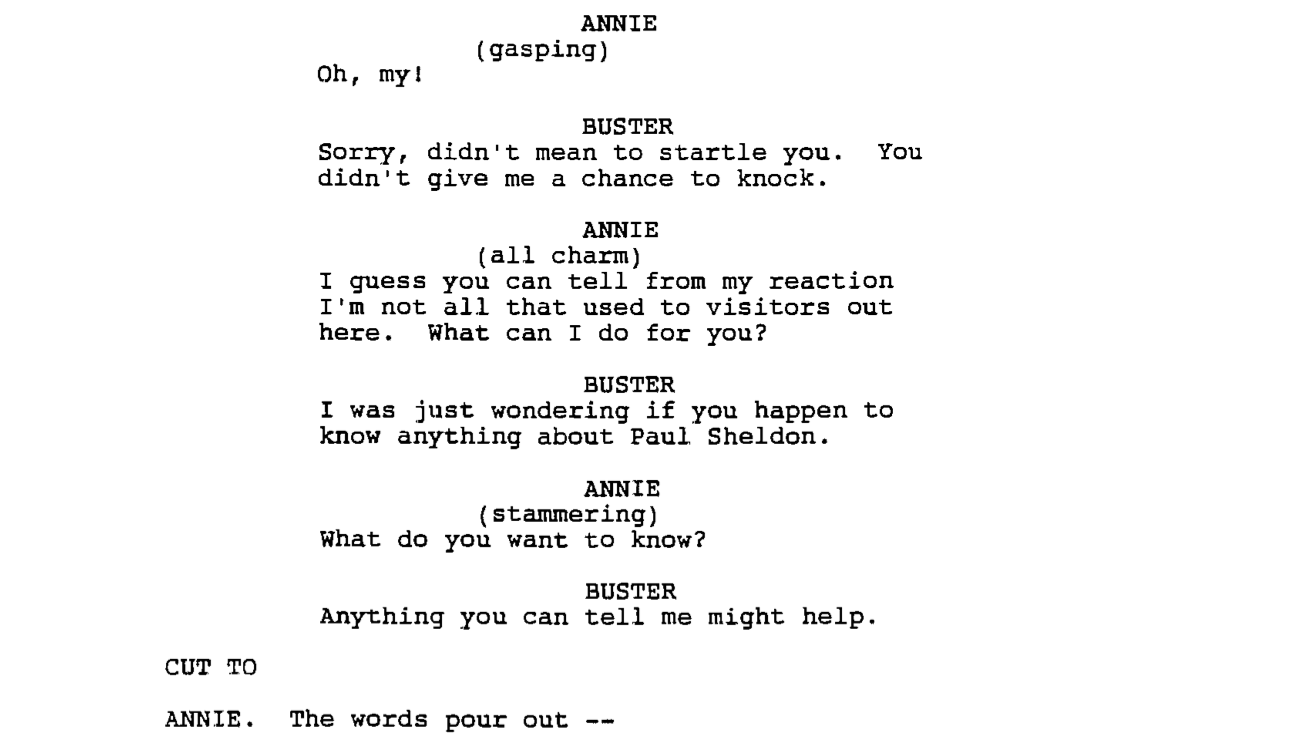
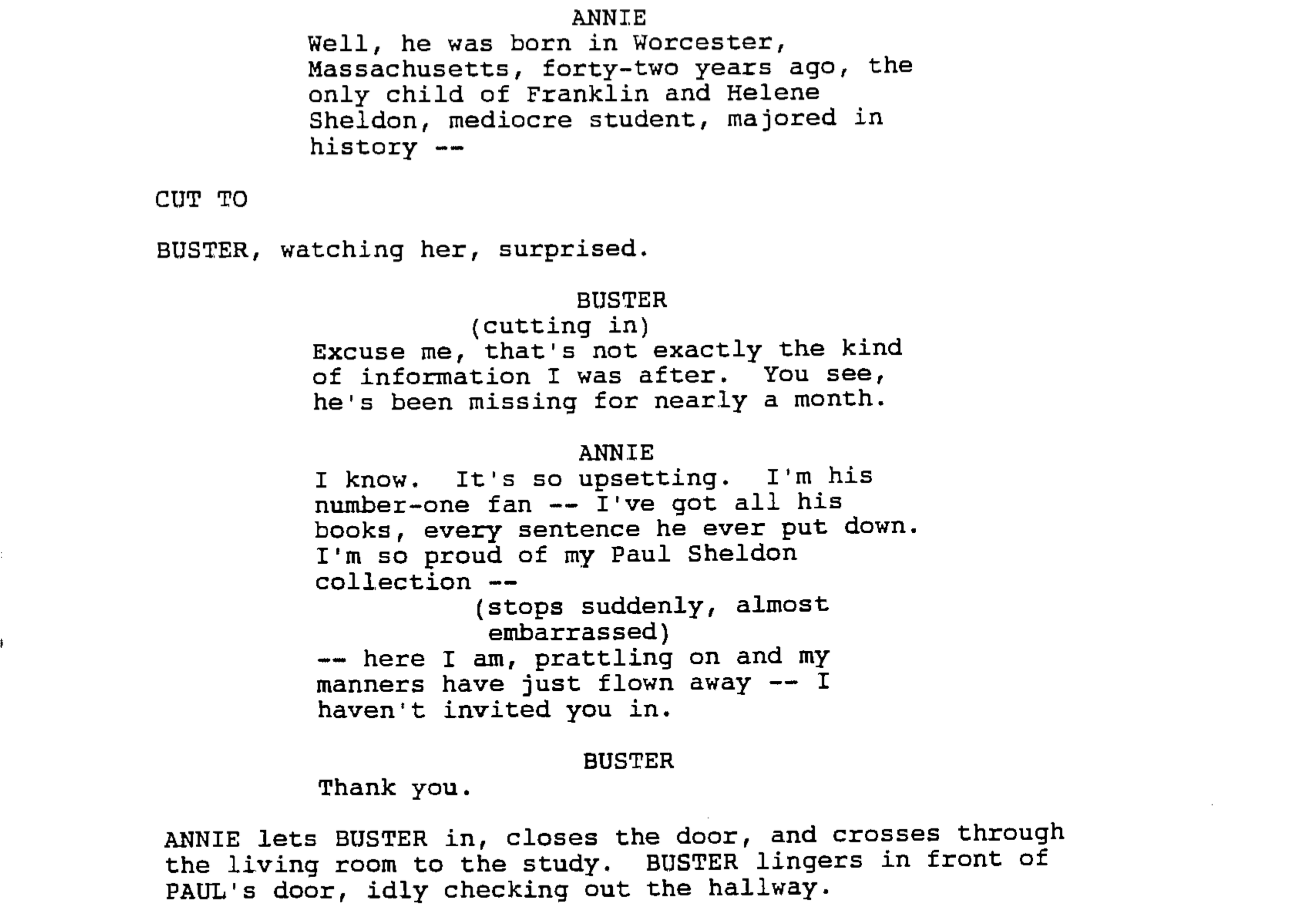
Annie does her best to get Buster out of the house, and Buster does his best to stay.
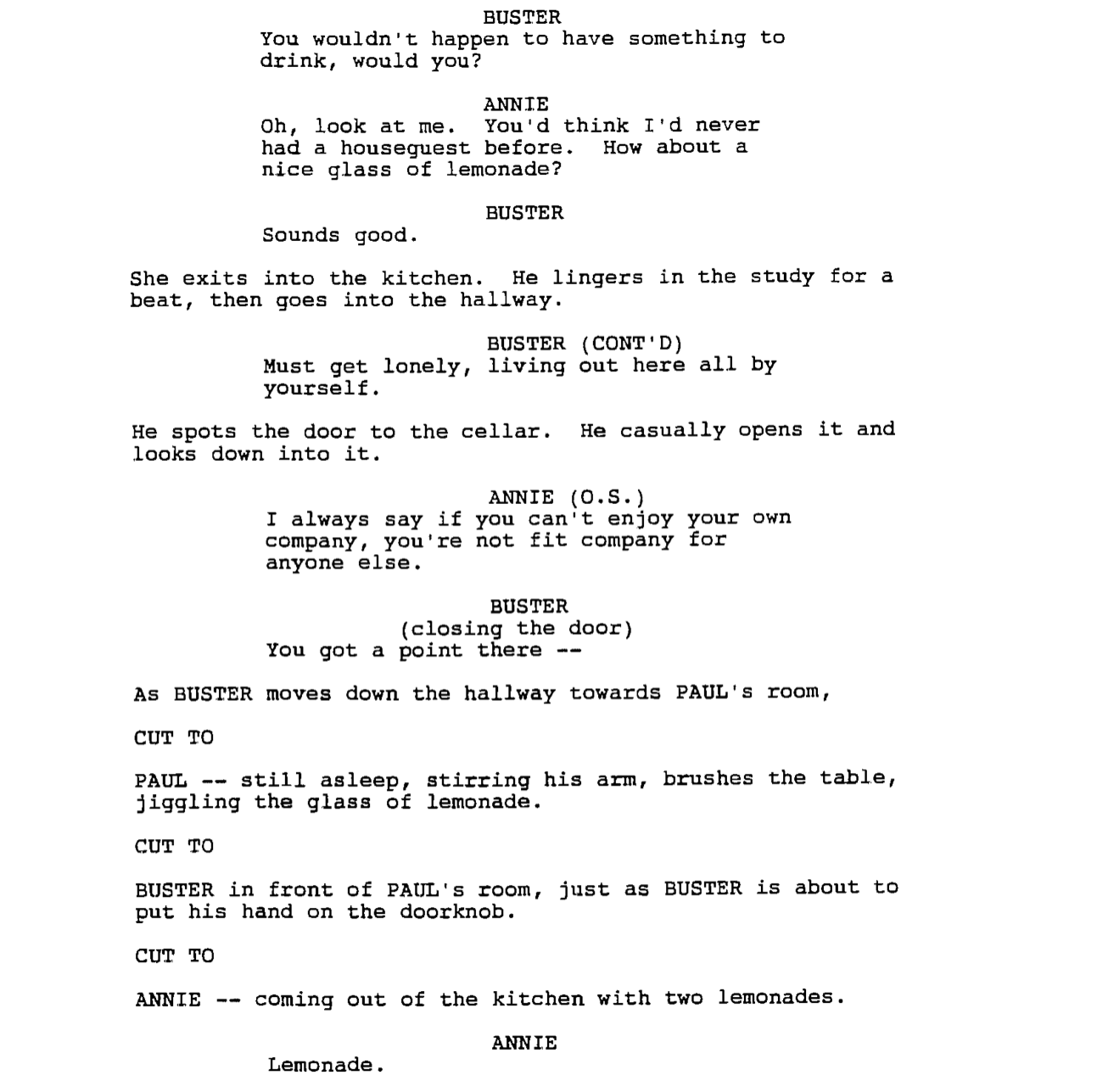
And then, Buster hears Paul in the other room.
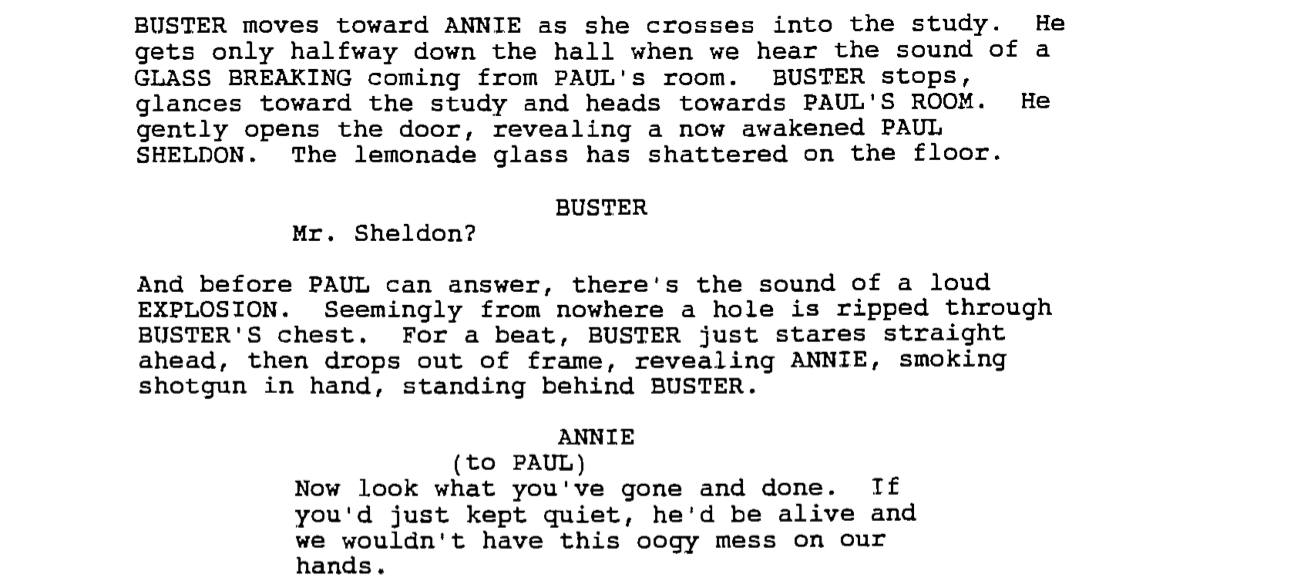
And now, with Buster dead, Annie locks Paul away in the basement so that this sort of trouble will never happen again.
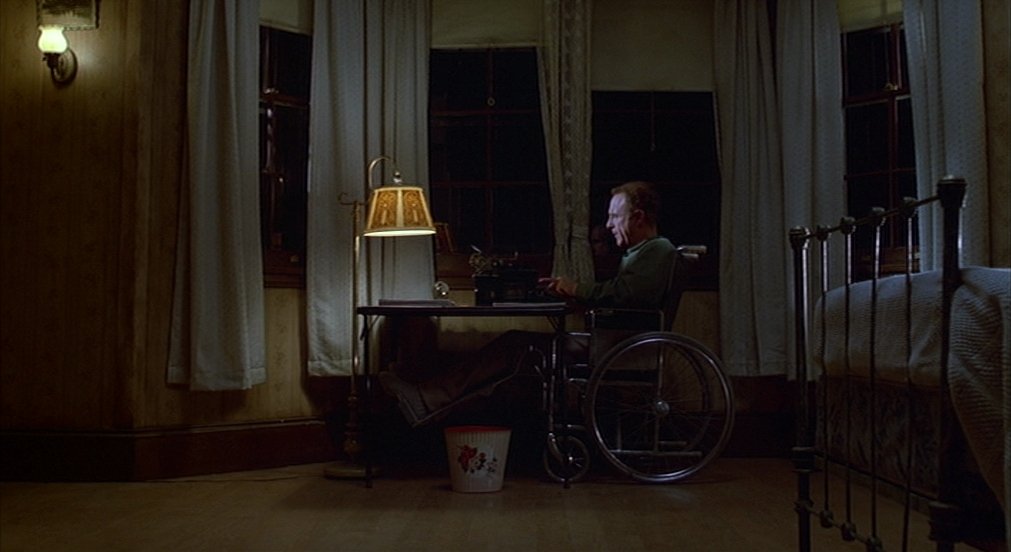
We cut to days later, and Paul is almost done with the book. Annie comes down to deliver some important news: she’s going to kill them both once it’s finished.
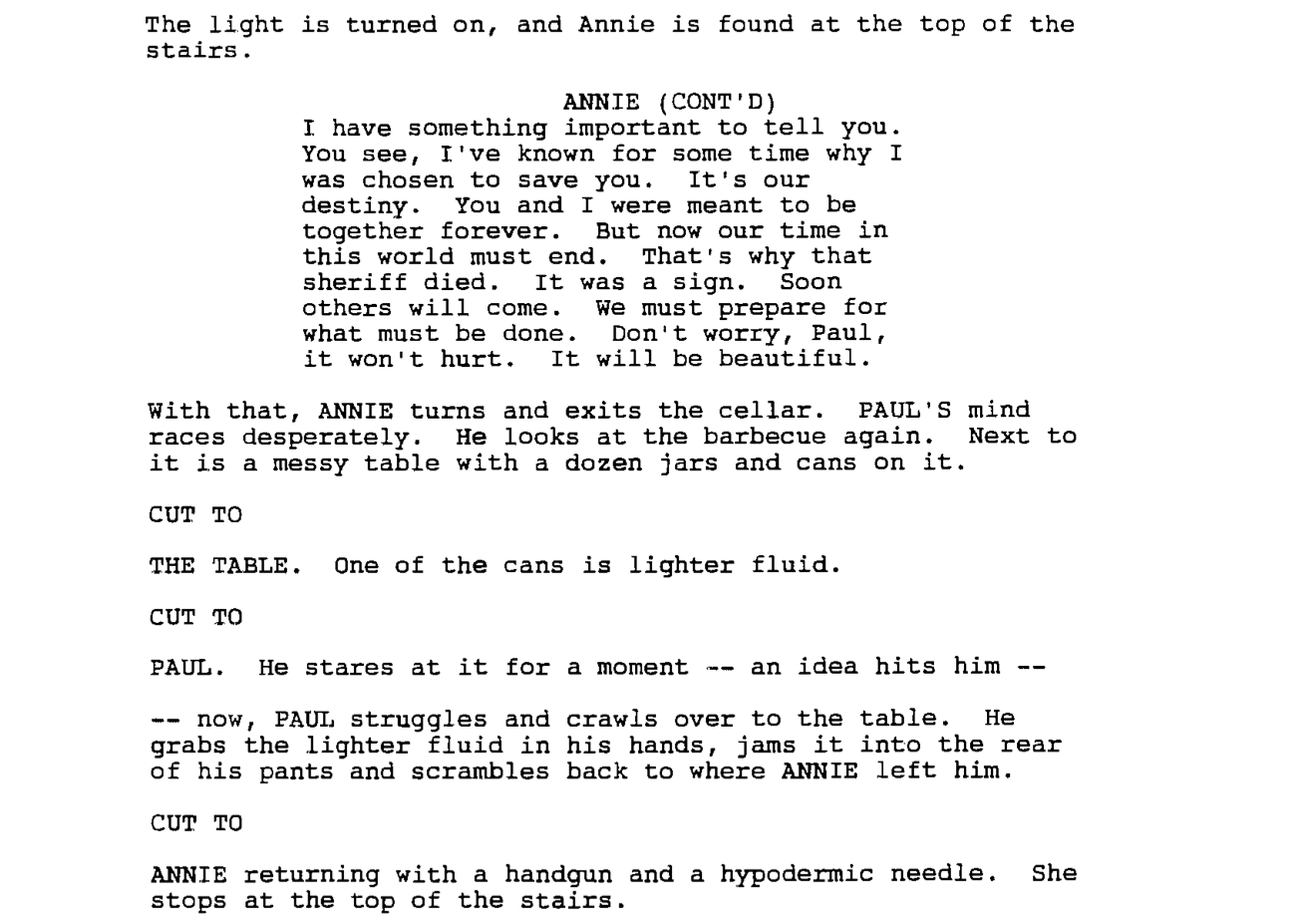
When Annie returns, Paul makes one last attempt at escaping before Annie finally kills them both.
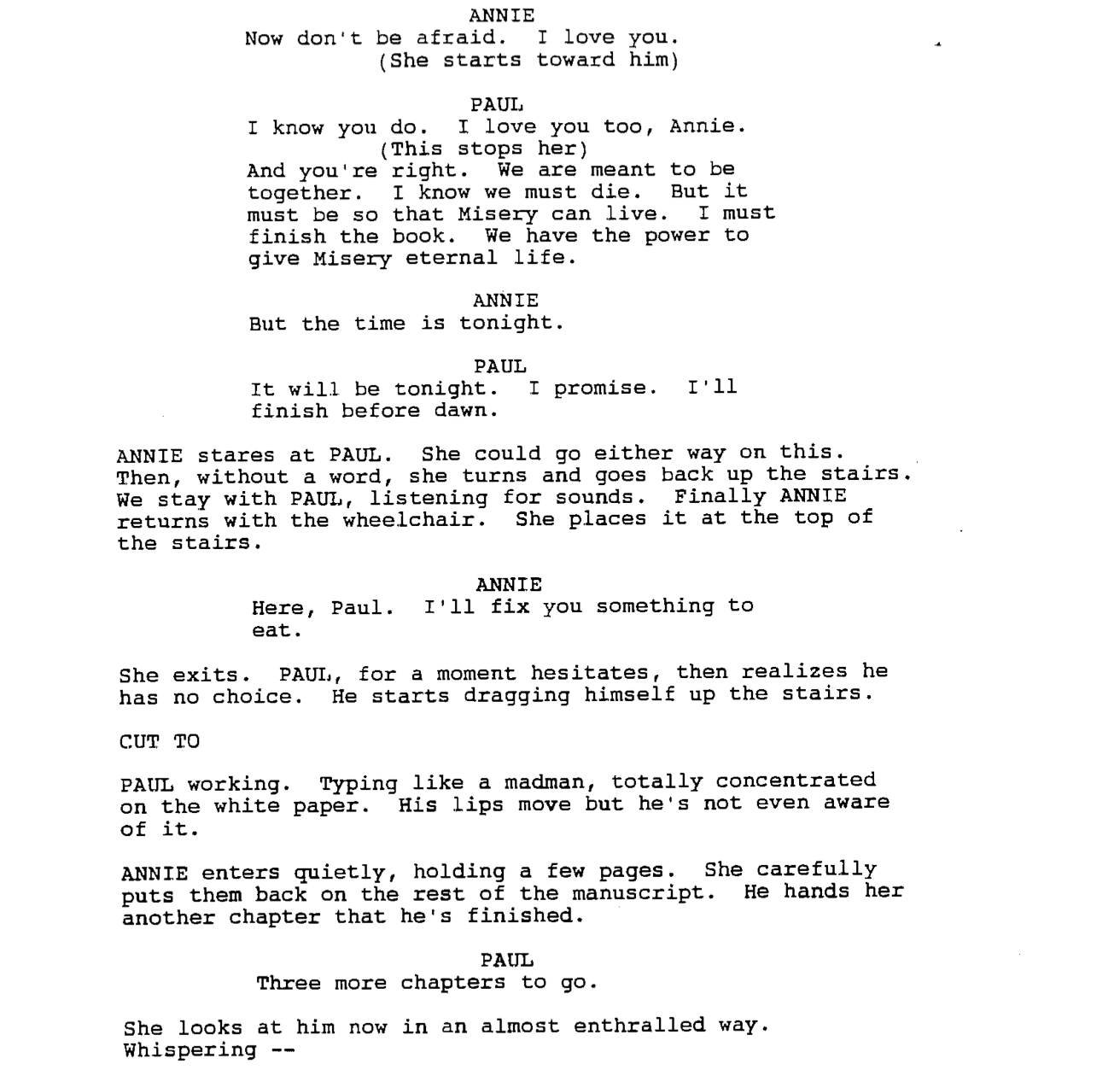
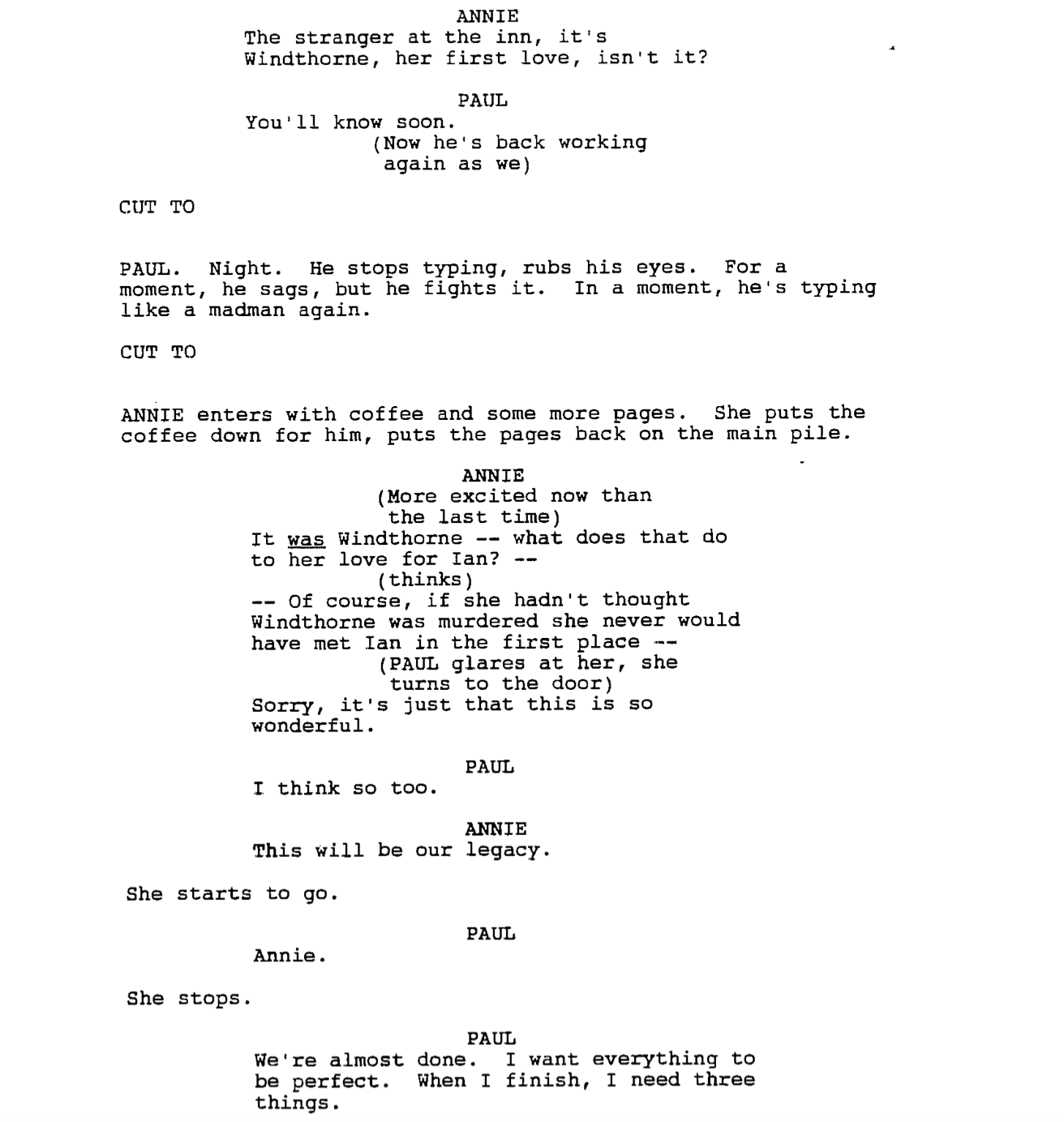
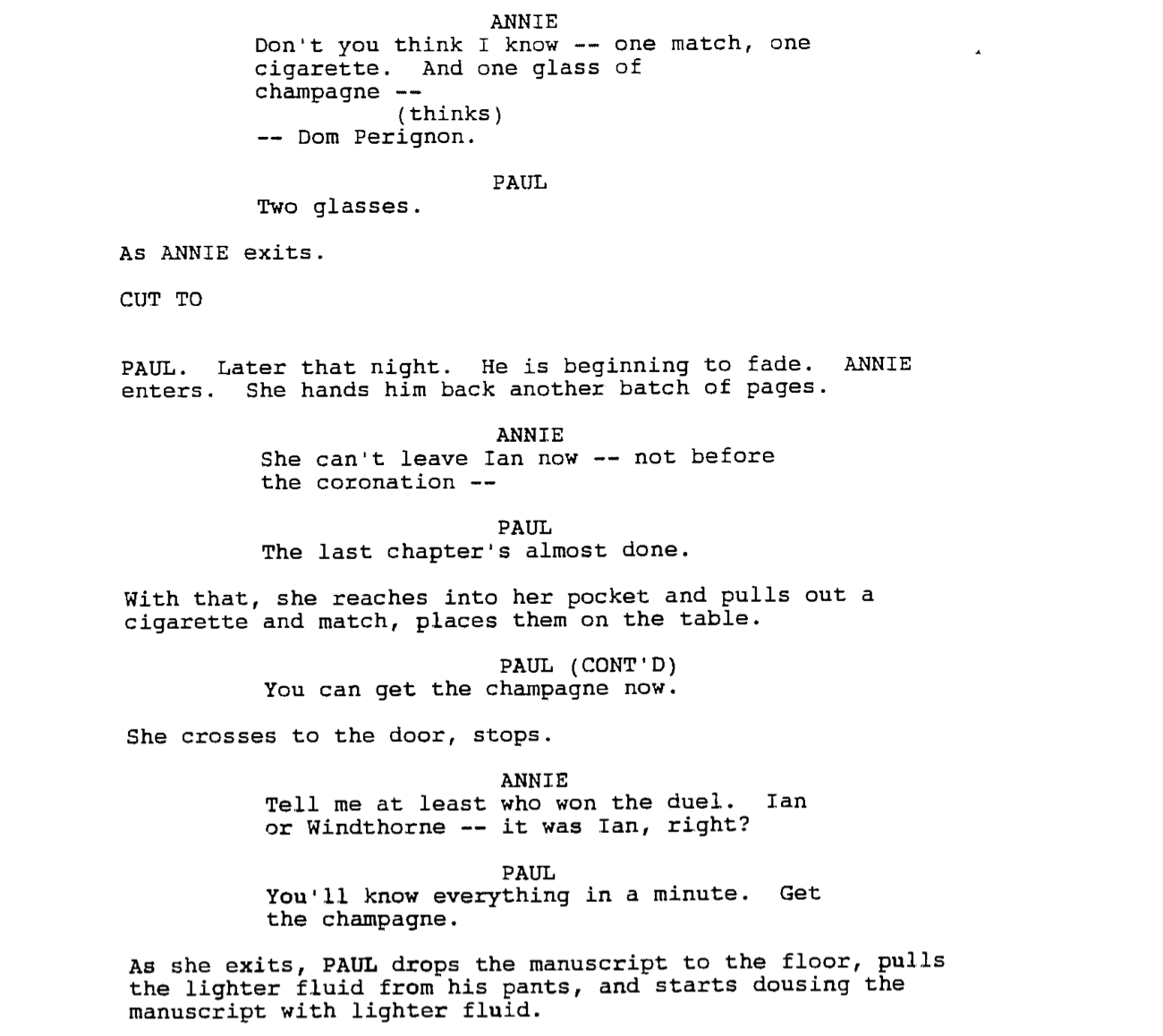
When Annie gets back with the champagne, she finds Paul hovering over the lighter-fluid-soaked manuscript with the match in his hand.
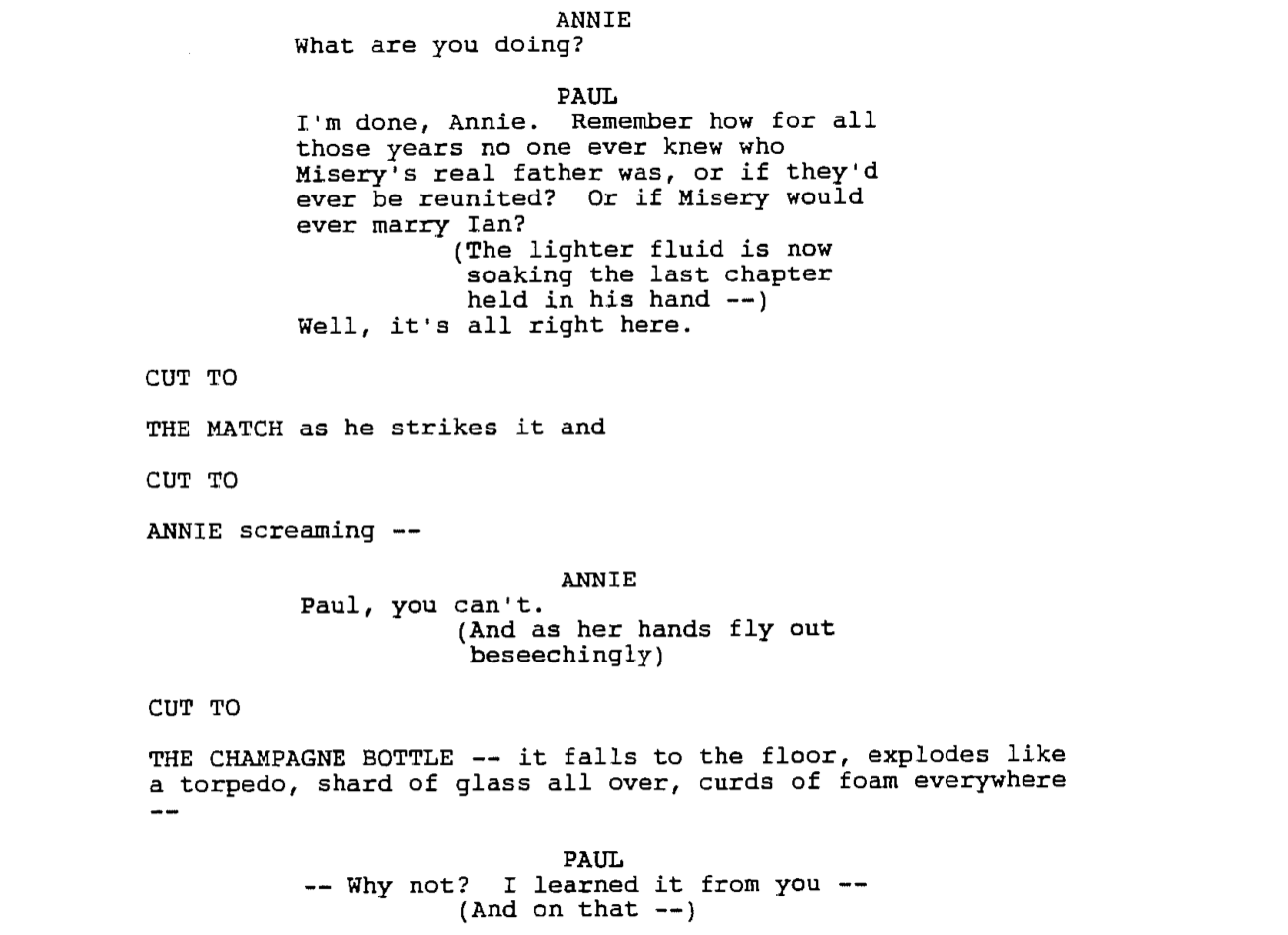
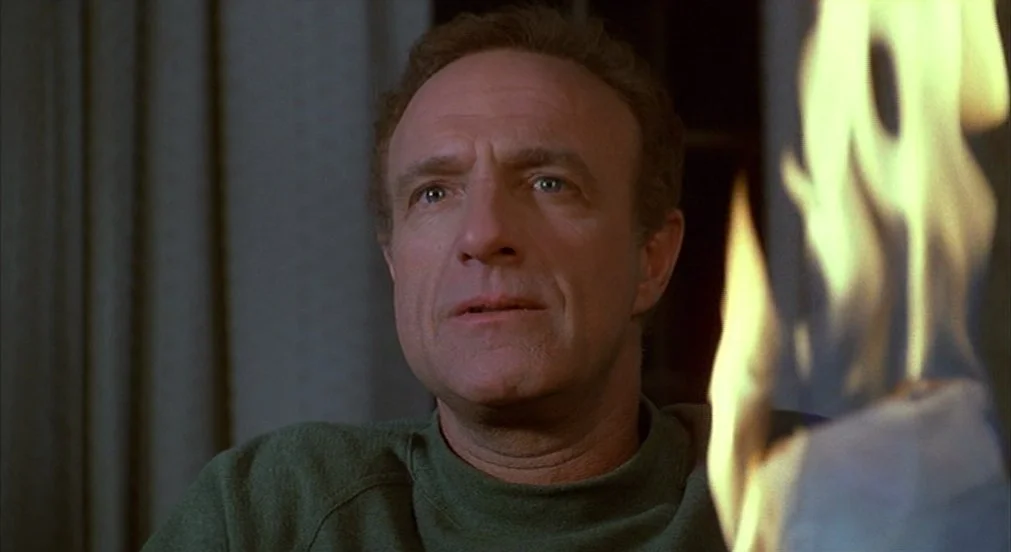
He tosses the match, igniting the manuscript. Annie screams and rushes over to try to save it. During her desperate attempts to put out the flame, Paul lifts up the typewriter and throws it down against Annie’s head with force.
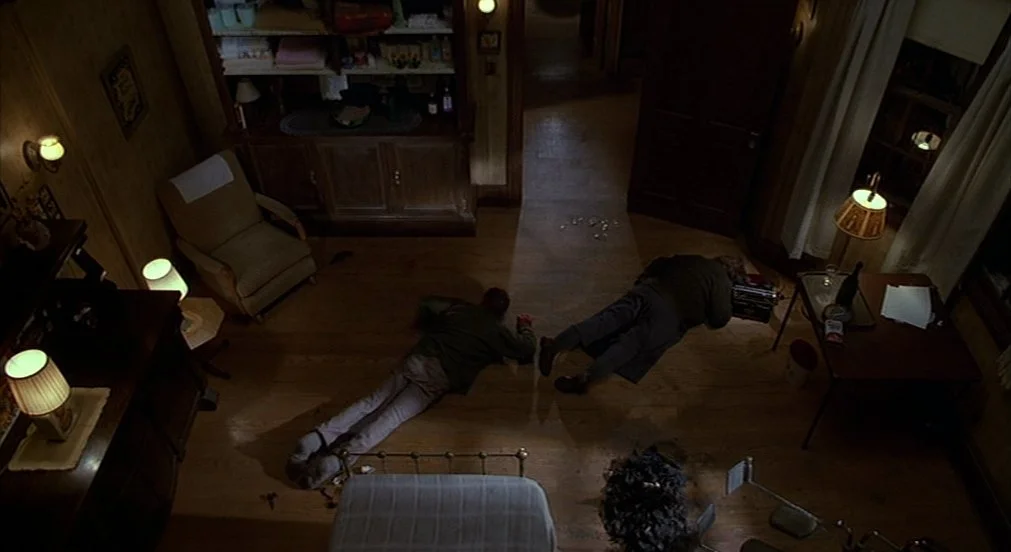
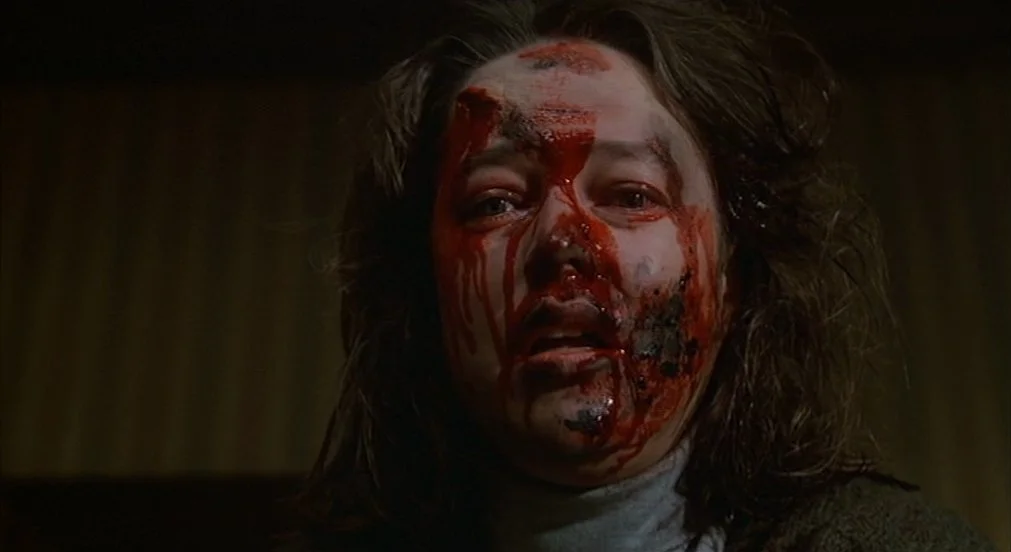
They fight on the floor, but Paul shoves some burning pages down her throat. He starts to crawl away, but she grabs at his calf, stopping him. They fight some more (just read the script; I can’t go over every moment of suspense here), until finally, Paul crushes her head with one of her many knick-knacks, killing her.
CLOSING IMAGE
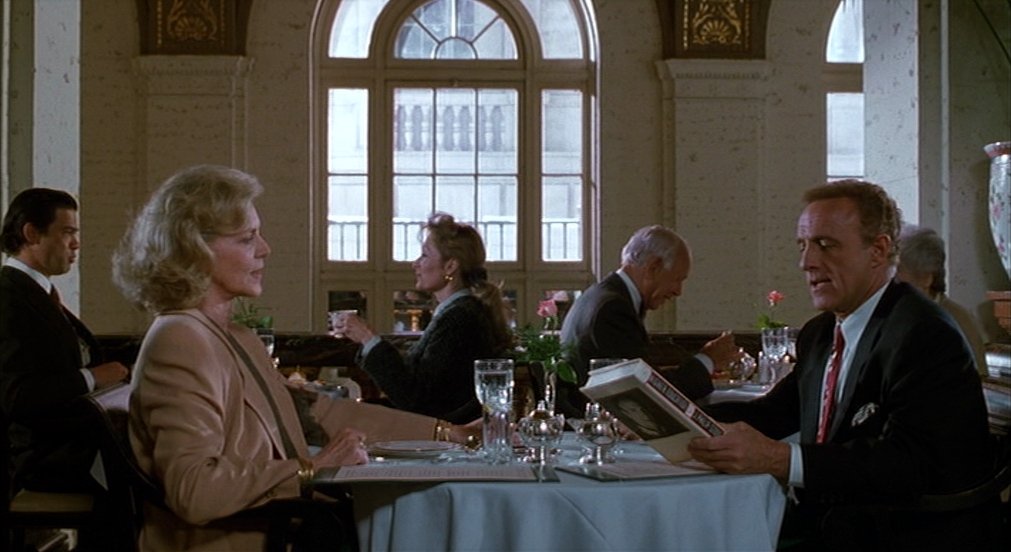
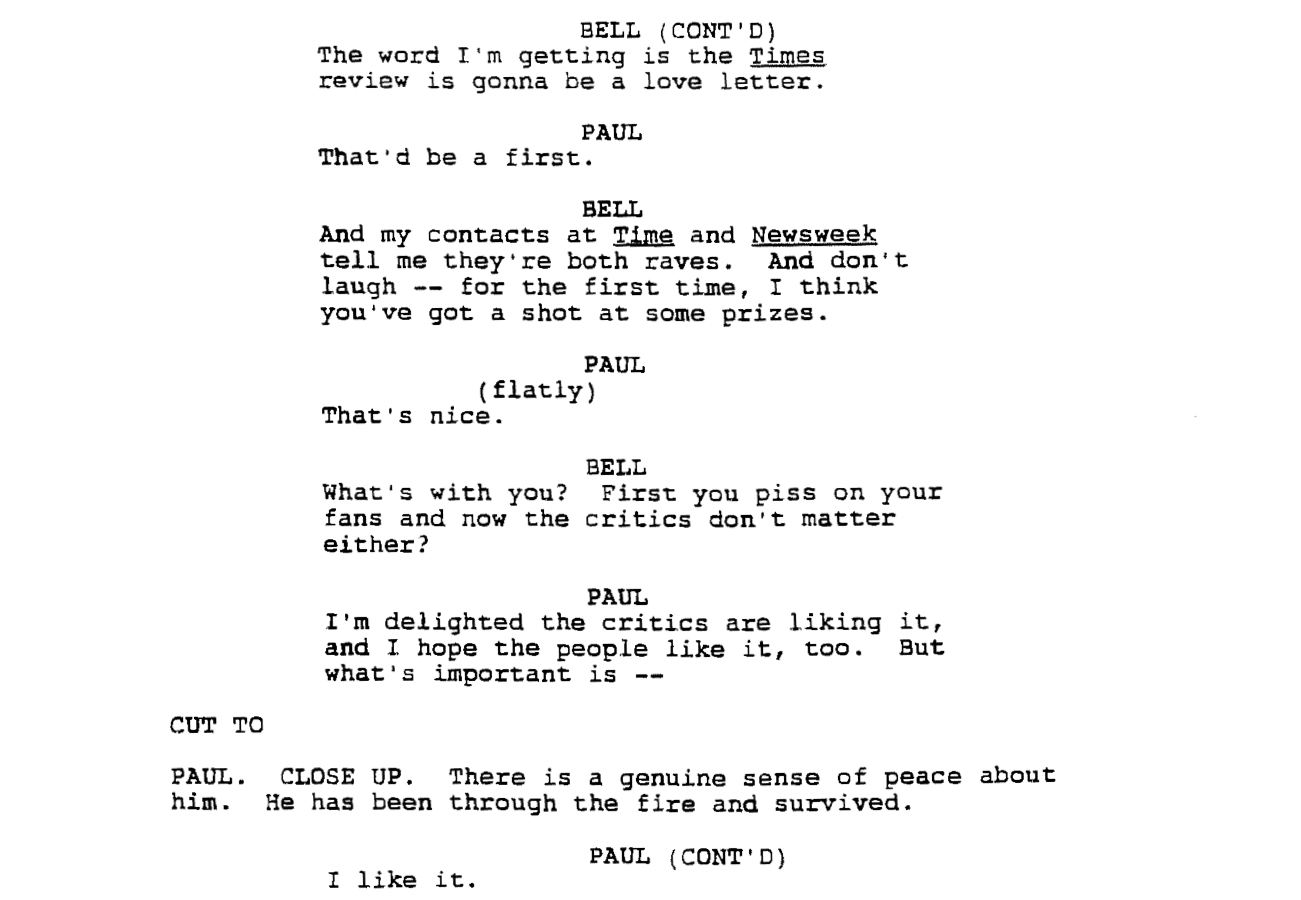
One year later, we find Paul, now walking with a cane, at a hotel dining room with Bell, discussing how much the critics LOVE his latest book. And even better, Paul likes it.
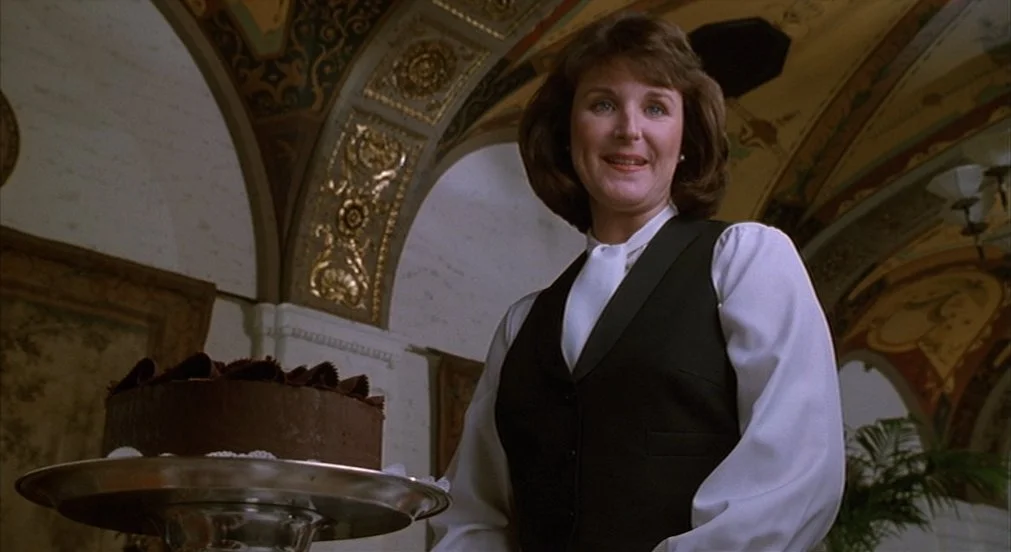
Now, the greatest difference between the final film and the script is the closing line. In Goldman’s script, the film ends with a waitress approaching Paul, and for a brief moment, he sees her as Annie. He cuts back to reality and sees that he’s hallucinating, but the sound of Liberace, Annie’s favorite music, cues in, showing how he’ll never truly get over what happened in that house.
In the final film, Reiner keeps the hallucination, but once Paul jumps back to reality, the waitress asks Paul if he’s Paul Sheldon. He says yes, of course, to which she replies, “I’m your number one fan”. This ending puts a little more emphasis on the horrors of idolizing celebrities (and acts as a bit of a comedic punchline). Annie wasn’t necessarily a special case, and for all Paul knows, there could be a million of her out there, obsessing over people they’ve never met, just waiting for the perfect opportunity to be a part of their hero’s life. Whether they like it or not.
WHY IT’S GREAT
As I mentioned at the beginning, this film might just be the greatest elevator pitch of all time, but that doesn’t really draw too much attention to just how tremendous Goldman’s screenplay ended up actually being. It’s tight, has plenty of satisfying full-circle moments, manages to balance Annie’s character with just the right amount of despicable and sympathetic qualities, and overall, makes the absolute most of a ridiculously simple premise. If there’s anything a writer can take away from reading this script, it’s to not overthink your plot too much. Intricate, intertwining storylines have taken the film world by storm recently, but at the end of the day, you don’t need all that to have a good screenplay. Sometimes, simpler is better. You don’t need a dozen characters for something to be exciting. You don’t need a bunch of creative plot twists. All you need is a unique plot that allows room for your story to take place. And once you have that, you’re on your way to writing something awesome.