Nolan's Odyssey Script Analysis: How Modern Filmmaking Rewrites Ancient Myths
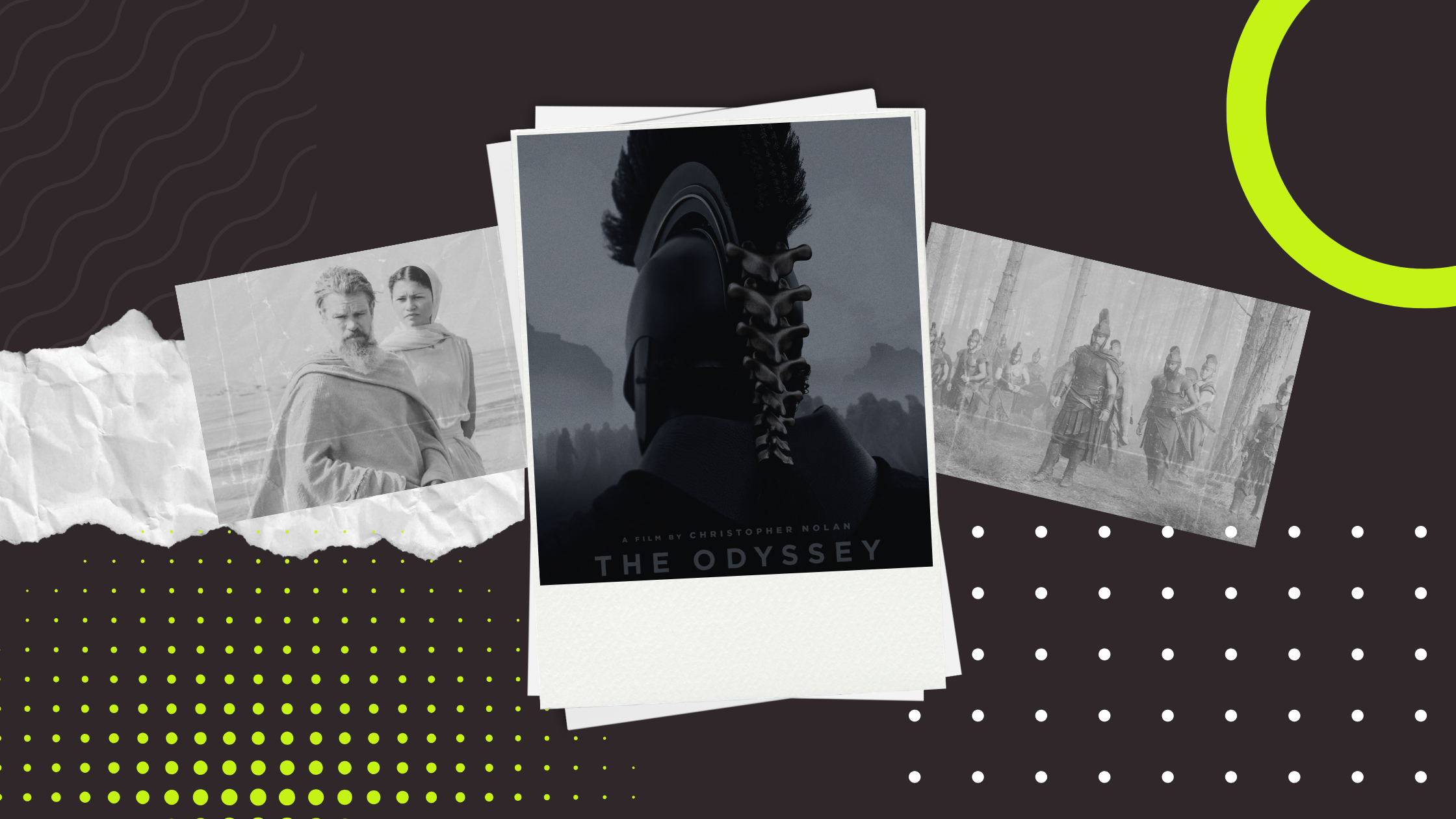
The Odyssey is one of the most anticipated and debated movies this summer. Written and directed by Christopher Nolan, The Odyssey is an adaptation of the famous epic poem by Homer. Starting at the end of the Trojan War, the story follows Odysseus, the man who comes up with the Trojan horse scheme, on his turbulent journey home.
Nolan adds his own modern touch to the classic tale. From the start of the film, he makes the existence of gods and fate ambiguous, and incorporates themes like anti-war, guilt, and storytelling itself. These changes transform this ancient story on a fundamental level.
Opening Image
The first thing that we see on the screen is the words “A TIME OF APPARENT MAGIC…” “Apparent,” indicating both an obvious truth and the possible lack of it, is itself a word of conflicting meanings. From the beginning, Nolan is telling us that this is not The Odyssey in its usual form, but a version of it where things can be true and imagined at the same time.
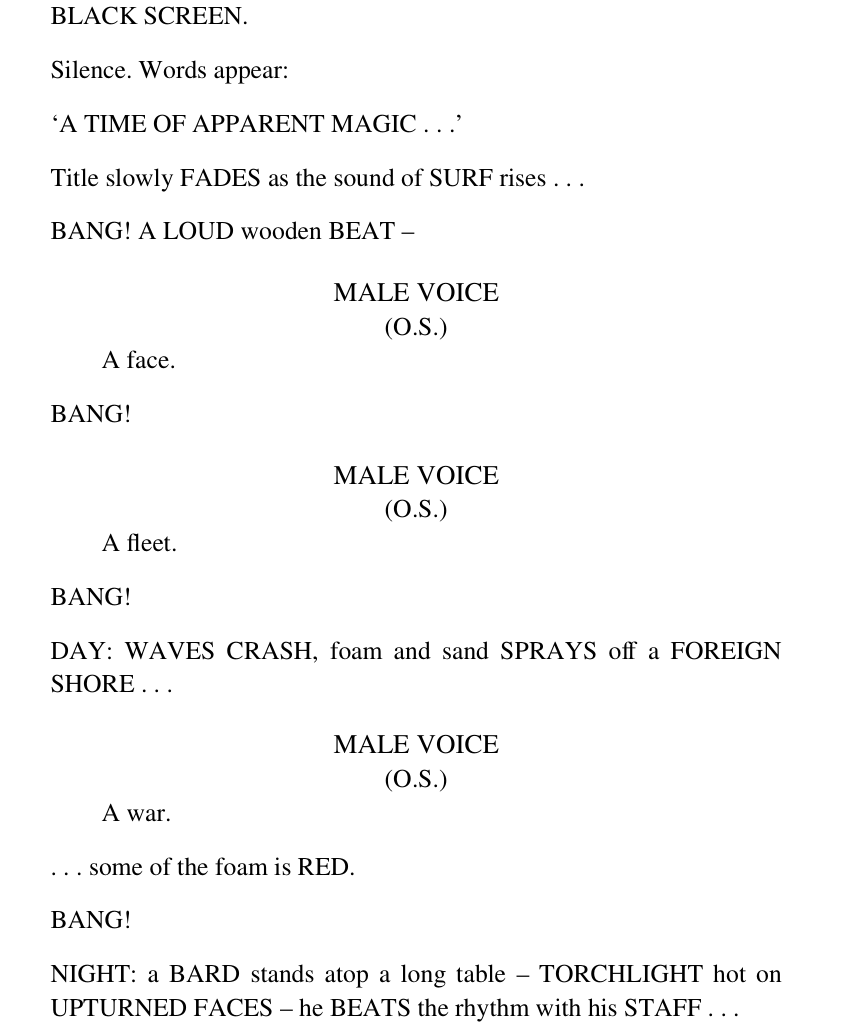
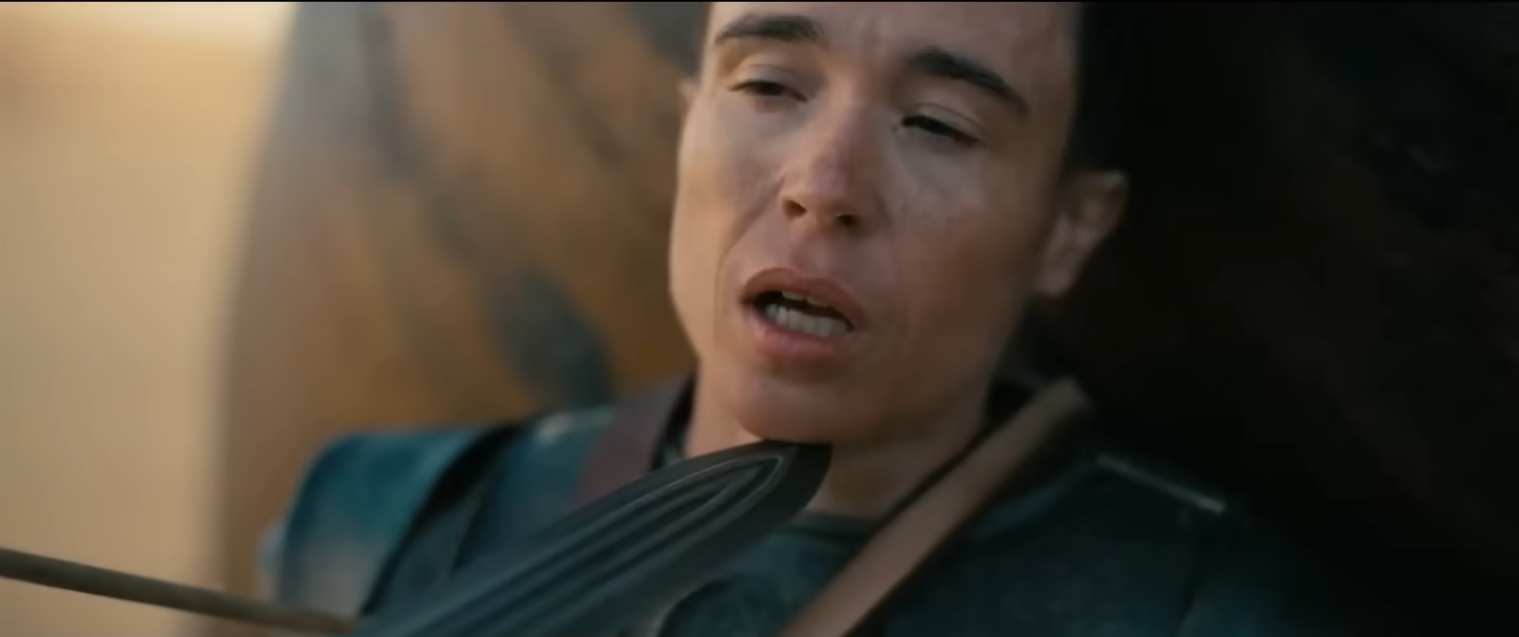
Following the Bard’s song, we go to the defining moment in the Trojan war: “a GIANT WOODEN STATUE OF A REARING HORSE, massive, half-buried, listing sickly in wet sand at rising tide…” and a ragged Greek soldier, Sinon, in the moment before he dies at Trojan soldier’s hands, telling them that the Horse is a gift for Athena.
Storytelling is a central theme and structural device throughout the film. The action lines of the film nearly always end with an ellipsis, as if there is someone telling the story, who is stopping to take a breath or trying to build up the suspense. Moreover, a general rule in The Odyssey is that we don’t see something happening unless there is someone to tell that story. The story of the Trojan Horse is the most well-known story of its time, so we hear that from the start.
But this narrative choice also leaves us the question: Are any of the storytellers unreliable narrators? Is what we’re seeing truly what happened?
Set Up
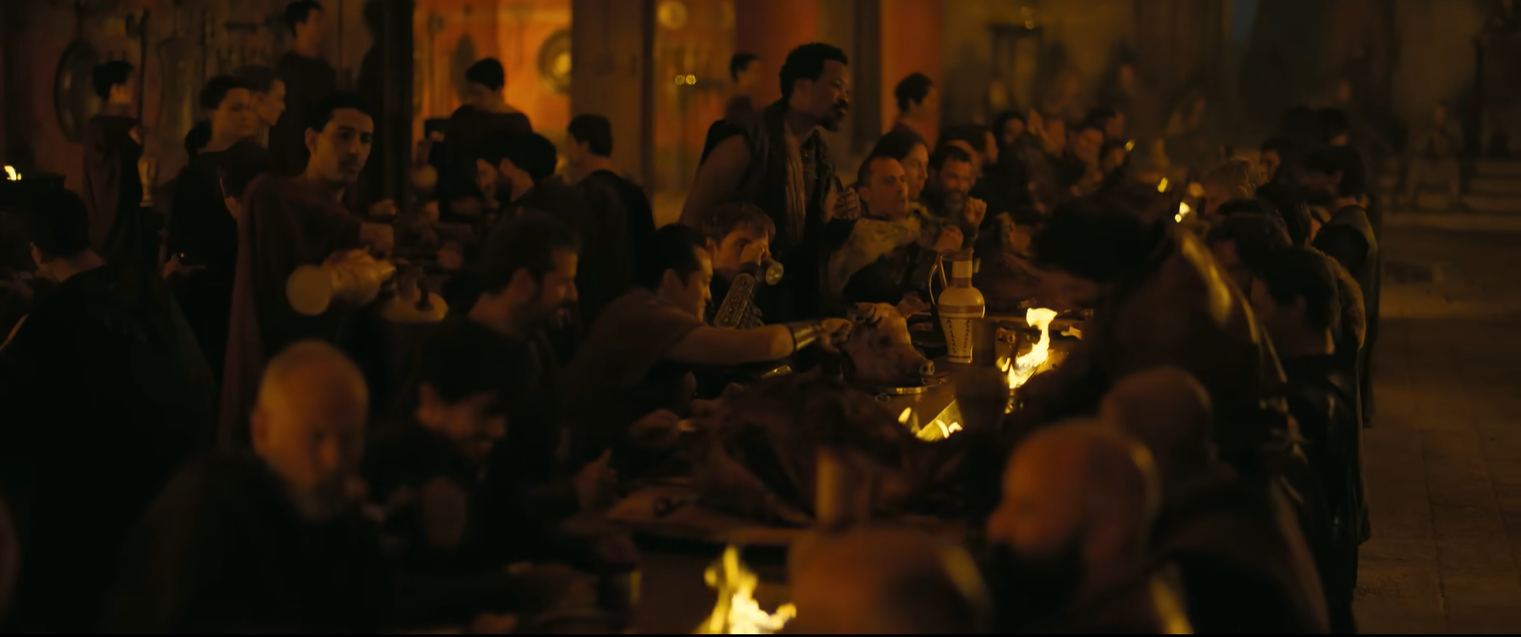
The Bard is telling this story at the Megaron in the Palace of Ithaca. It has been twenty years since Odysseus left for Troy, and his wife Penelope, son Telemachus, and his blind servant Eumaeus are the only people who still believe in and hope for his return.
The palace is now swarmed with suitors for Penelope. Among them is the nobleman Antinous, often at odds with Telemachus.
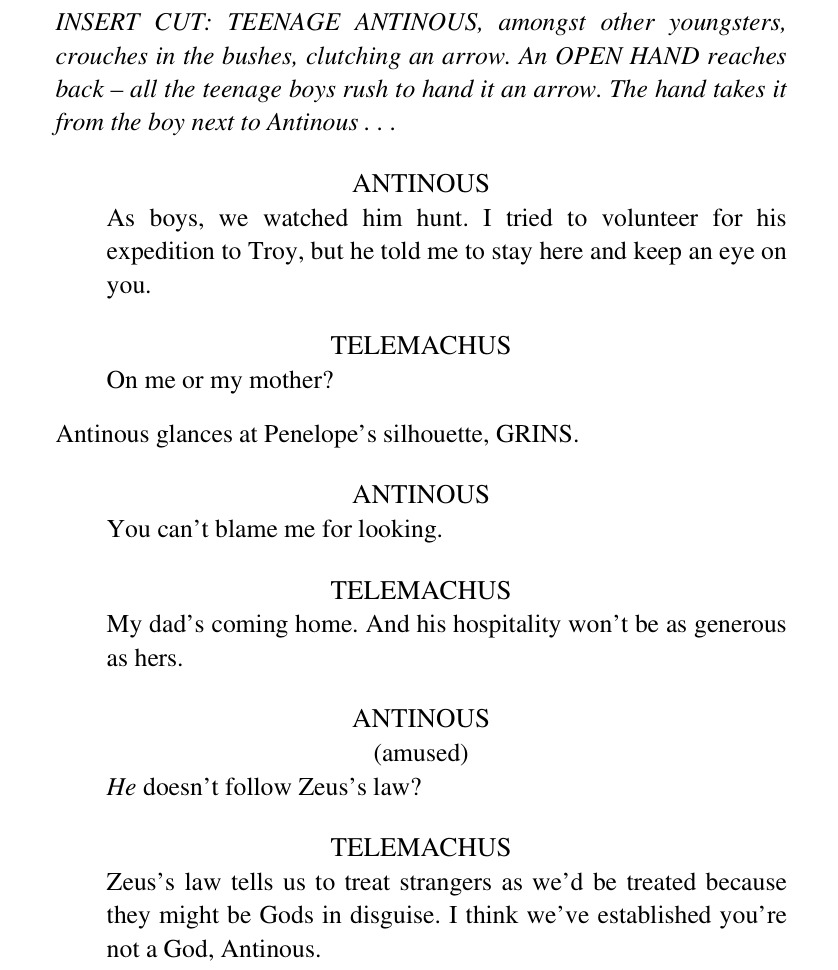
Inciting Incident
It is difficult to place the inciting incident of The Odyssey. In a way, it is the breaking of Troy, but because of the non-linear storytelling, that only fully occurs at the end of the film. At this point of the story, the closest thing to an inciting incident is the brief flashback of Odysseus greeting Agamemnon before following him to war.
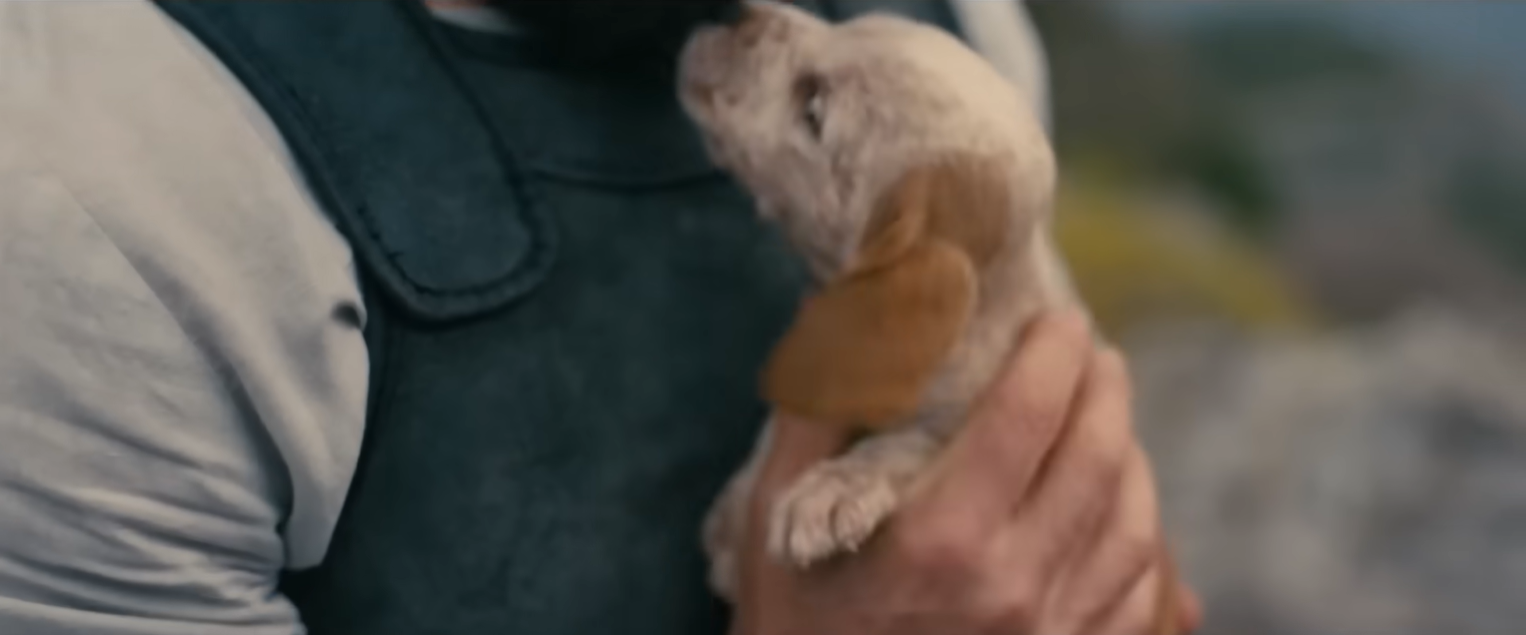
Eumaeus tells Telemachus stories about Odysseus: how he saved a runt and made the puppy his hunting dog; how he always plucks his bow to warn his prey when hunting; how he chose his soldiers by lottery.
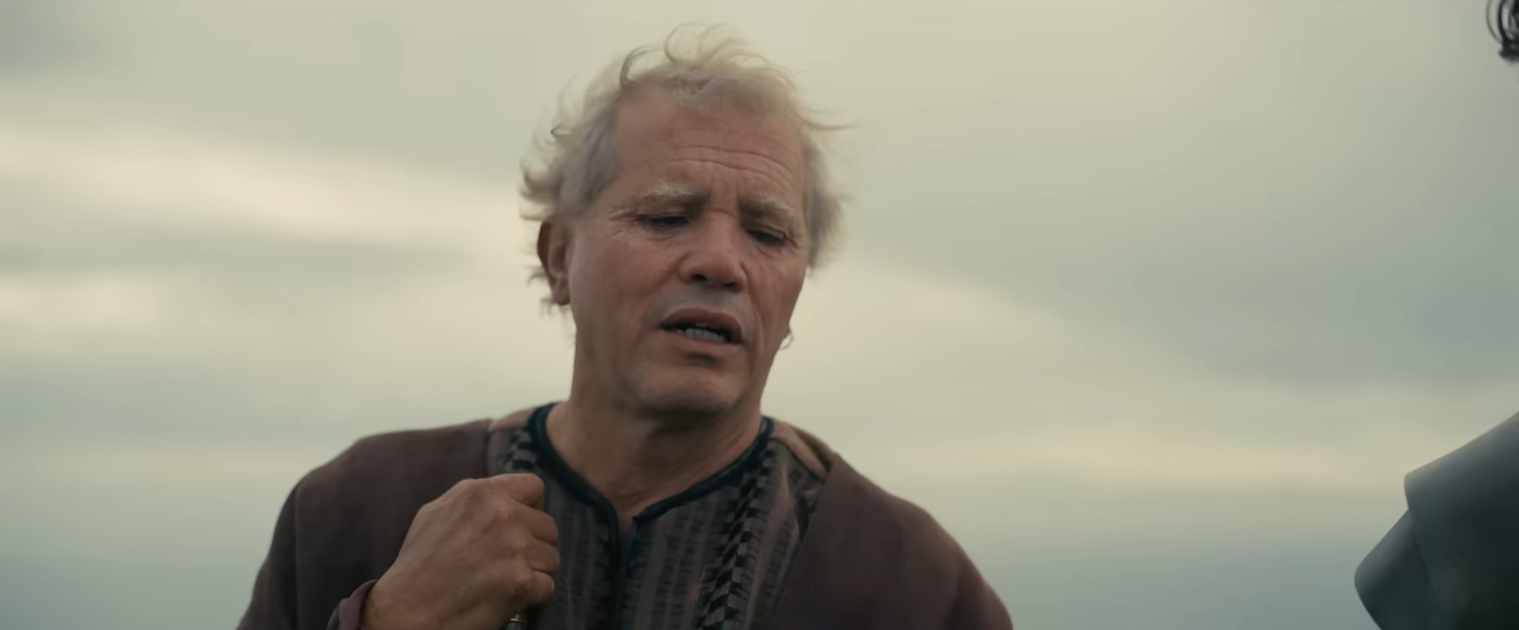
Eumaeus also tells Telemachus that, unlike what Antinous says, Antinous did not volunteer to go to Troy, but swapped places with Sinon, making Sinon go to war so he could stay behind.
Debate
Rumors have been rising about the people from the sea, who do not follow Zeus’s law of treating others as you would be treated. The Elders of Ithaca are scared and pressure Penelope to pick a suitor – they want stability; they want someone on the throne.
Penelope considers taking a husband, because Odysseus once made her promise him that she would remarry if he doesn’t return from Troy. In the same conversation, she gave him her pin of Athena and told him to carry it everywhere he goes.
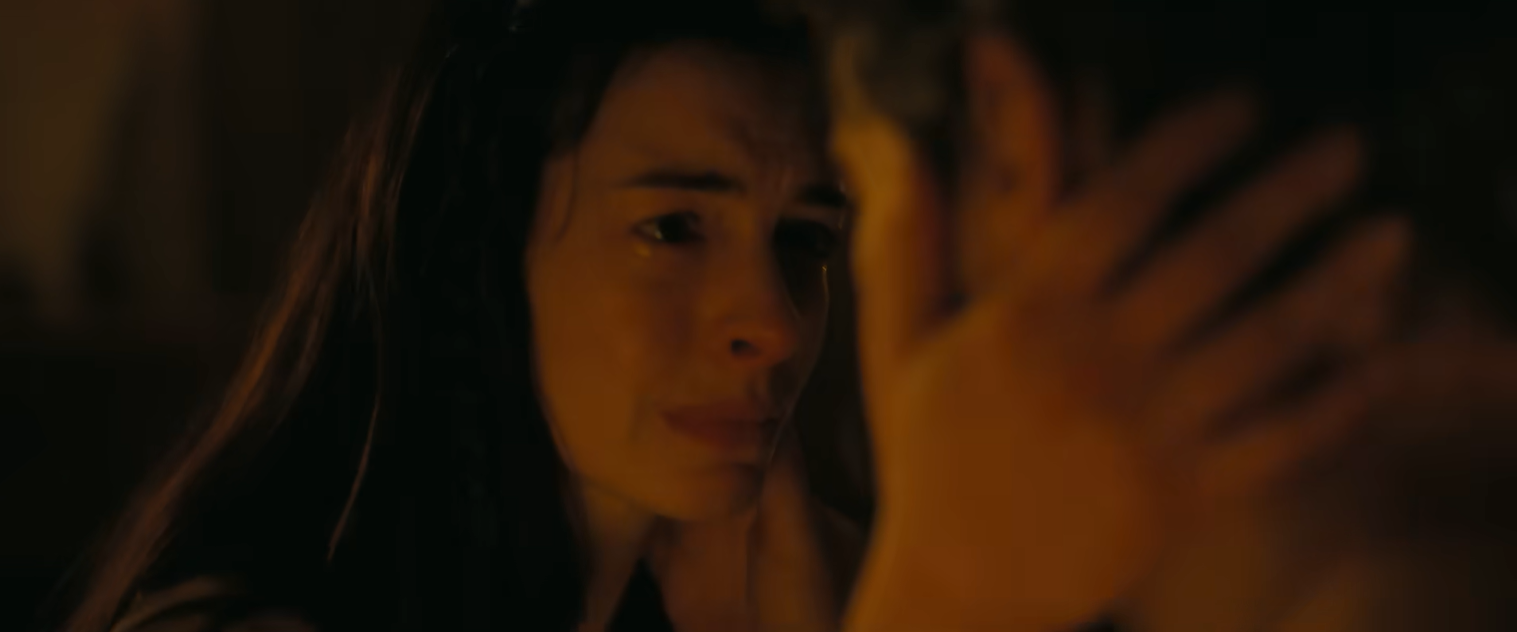
Telemachus suggests to Penelope that he can take the throne, but, to do that, he needs to know whether Odysseus is alive or not. Penelope does not think that he is ready. She makes him try stringing Odysseus’s bow, but Telemachus can’t – in fact, no one has been able to do it outside Odysseus.
Break Into Two
At another feast, a suitor rudely treats Eumaeus, enraging Telemachus. They get into a fight, the suitor nearly killing Telemachus, stopped only by Penelope’s plea. Telemachus, believing that the suitors will only keep coming after his life, decides to go to Sparta to find news on Odysseus.
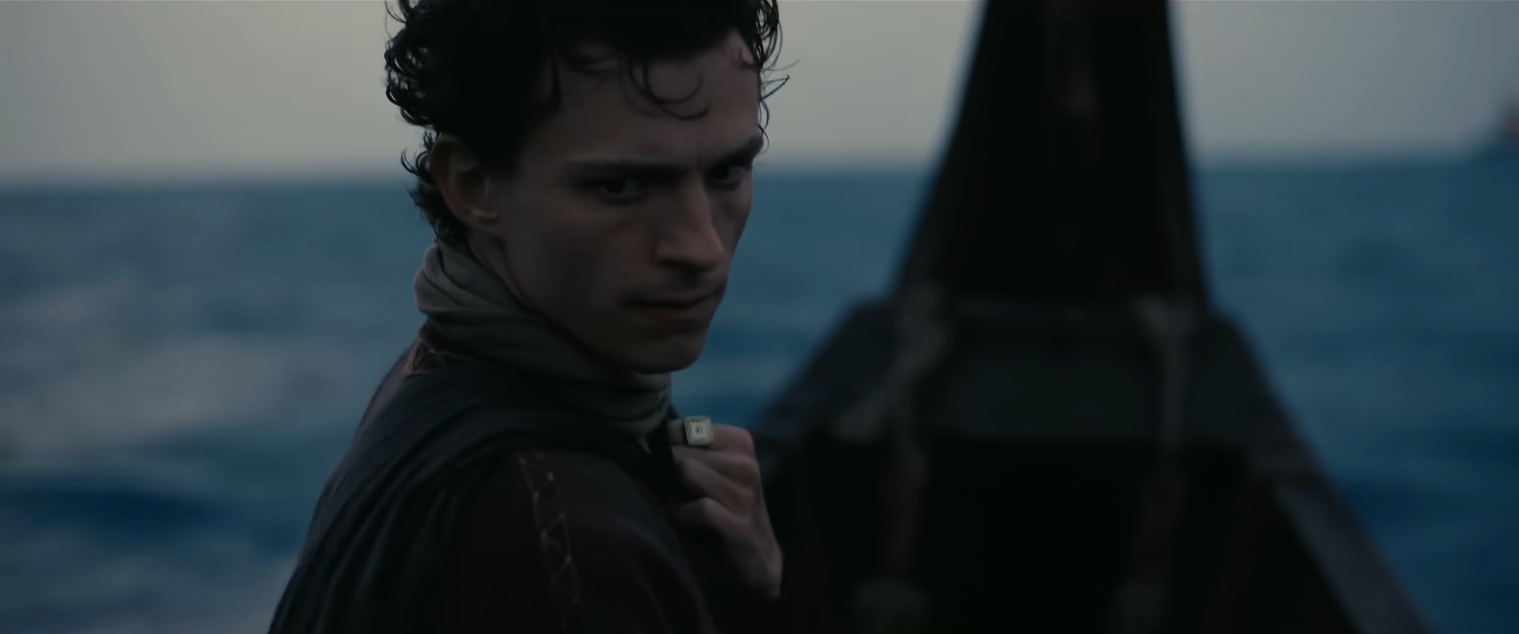
Odysseus, now fifty and grizzled, is living on a faraway shore with a nymph Calypso. He does not remember anything about who he is, but he’s always collecting the remains of his old ship.
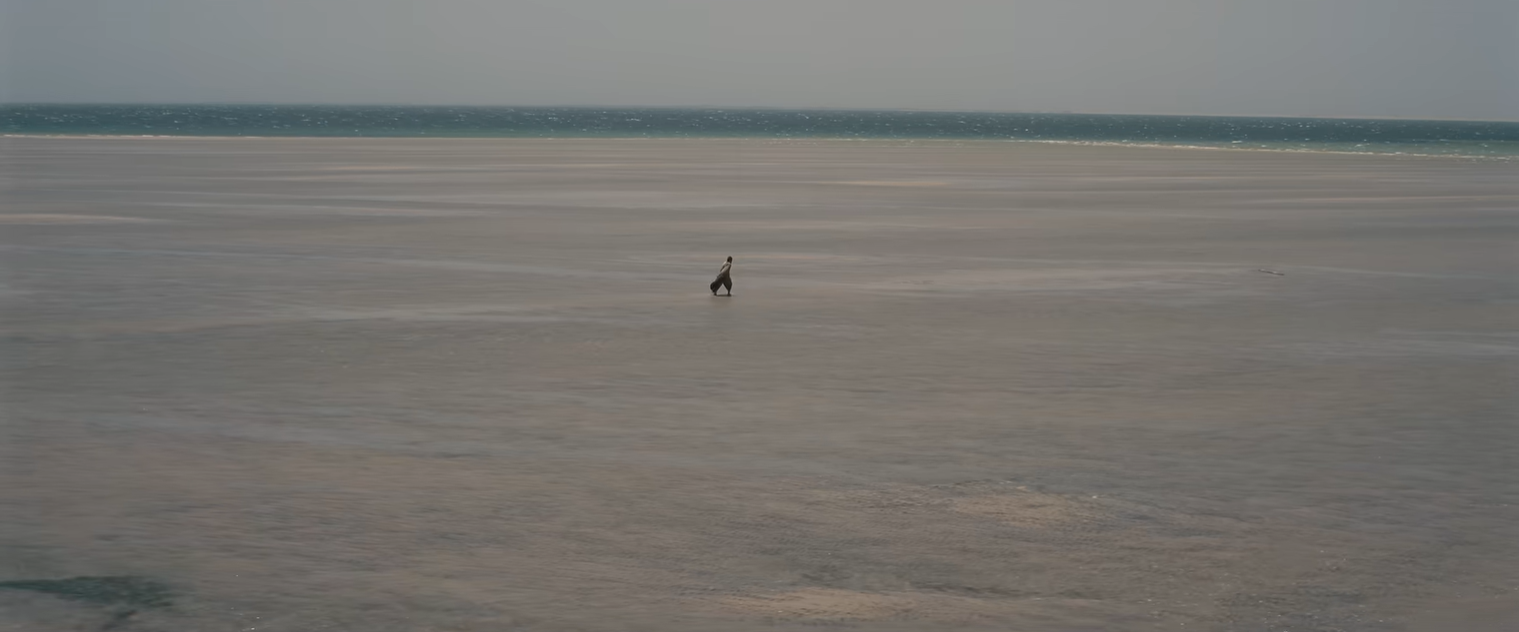
Athena appears to him, telling him to find his lost memories. Calypso, although unwilling, tells Odysseus to stop eating the lotus so he can get his memories back.
Fun and Games
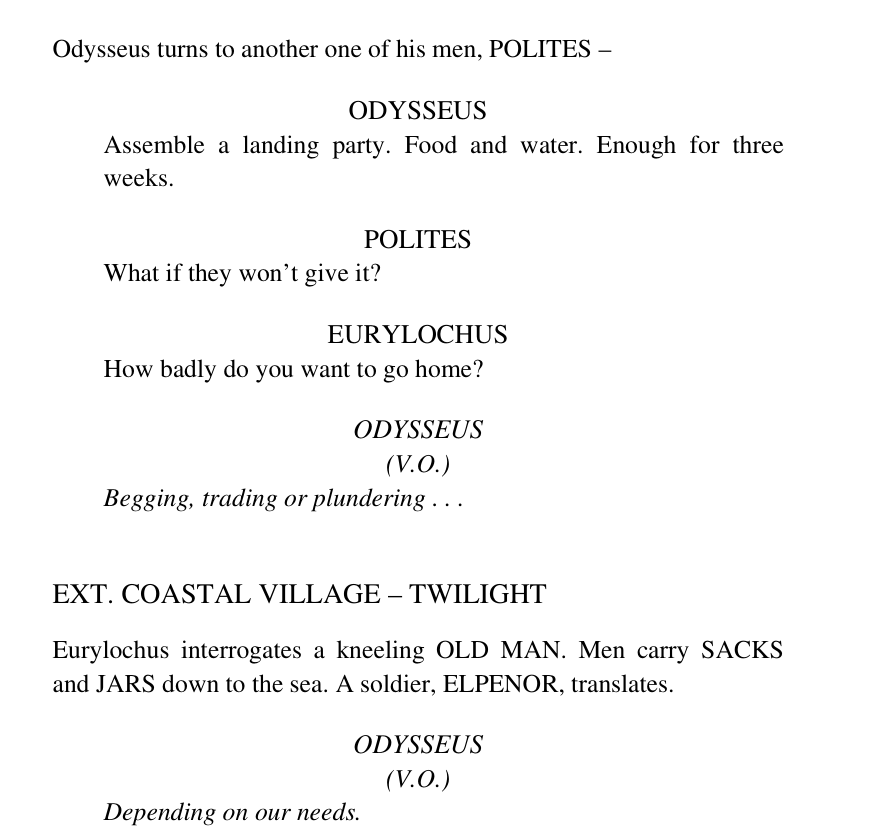
Odysseus remembers how, after Troy, he and his men terrorized and robbed the villages they passed on their way home for provisions. This is where the anti-war theme first comes in, only touched on lightly. And this is because Odysseus, the storyteller, has yet to reconcile with that part of what they did.
At one of the stops, Odysseus and his men follow a flock of sheep into a dark cave, where they find themselves at the mercy of a Cyclops, a one-eyed giant.
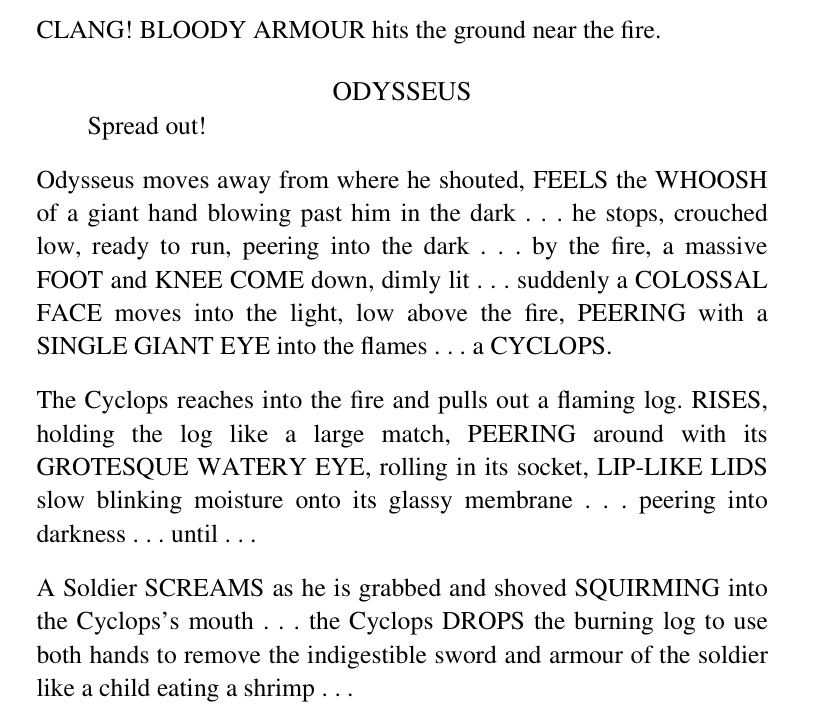
After being strangled for days and losing several men, Odysseus comes up with a plan for escape. They first blind the Cyclops’ eye, then blend in with the flock to leave the cave. Odysseus is made to leave his dead men behind.
Unlike Homer’s original, the film does not make it clear whether the Cyclops is actually the son of Poseidon seeking vengeance or not. His prayer to Poseidon can very much be just growling, and the stormy weather that follows the rest of their journey can easily be just bad luck, adding to the ambiguity of the story.
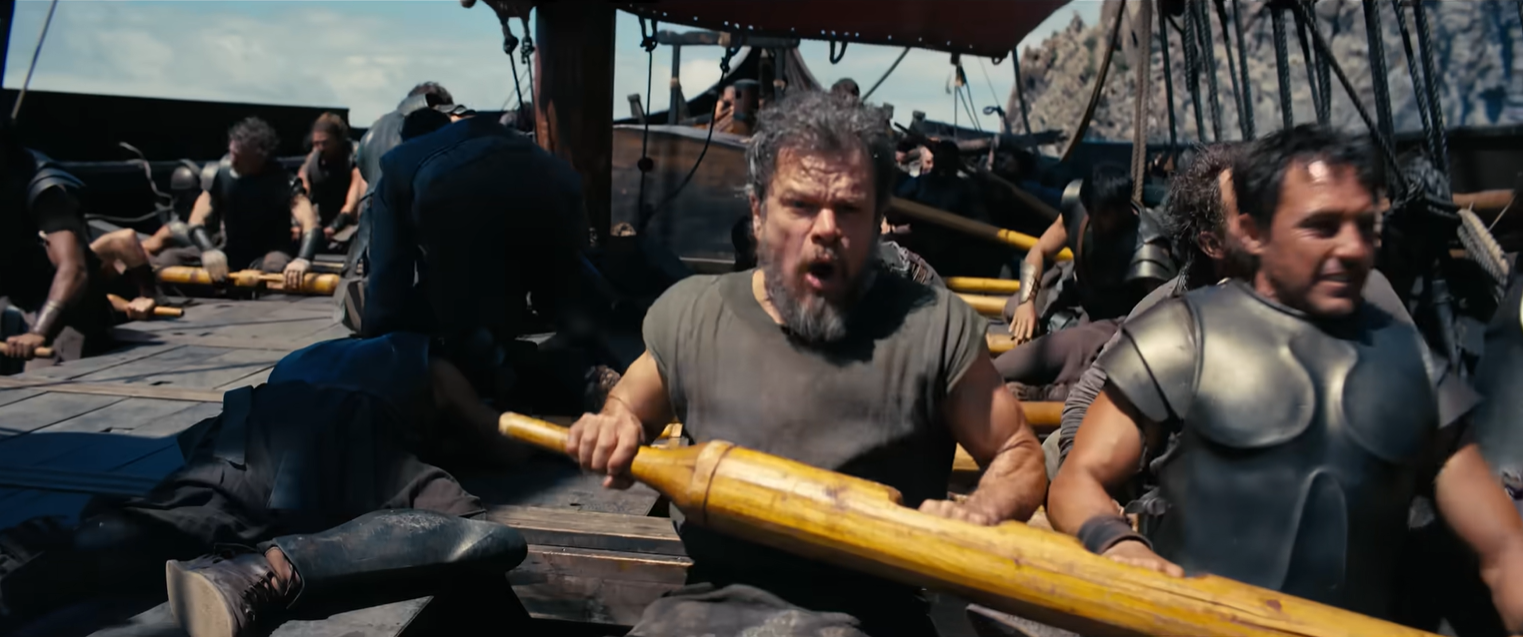
Meanwhile, Telemachus finds the King of Sparta, Menelaus, and his wife, Helen.
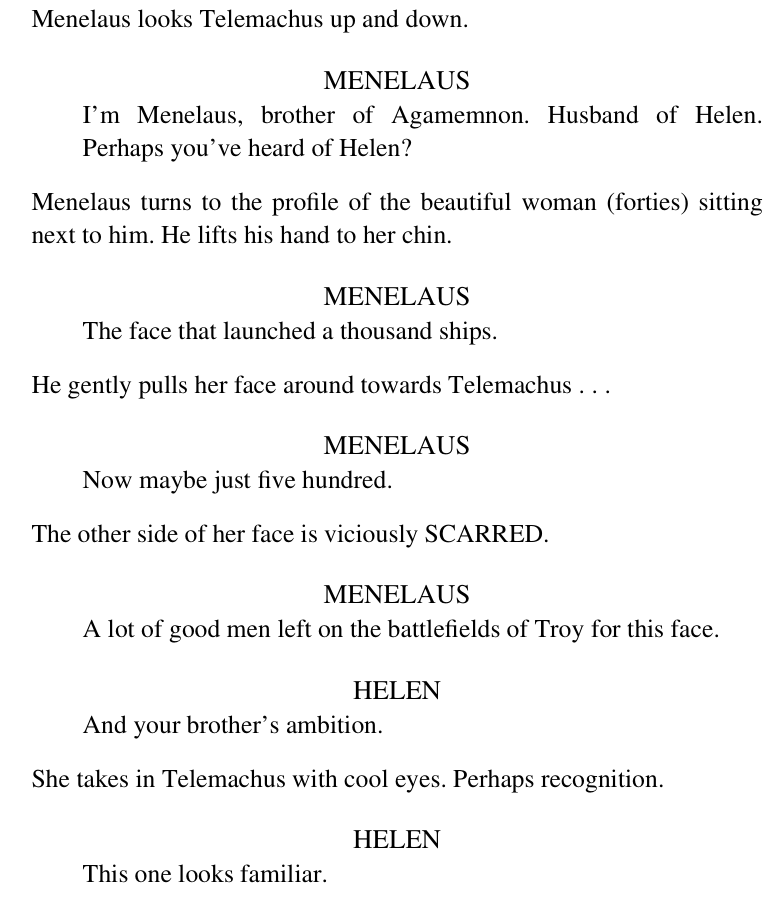
There’s a major difference between the script and the screen here: rather than saying “And your brother’s ambition” like the script, Helen in the film says “For your brother’s ambition,” making it clear that Helen is entirely Agamemnon’s excuse to launch a war in his pursuit of gain and power.
Menelaus tells Telemachus the story of being with Odysseus, inside the Horse – how they were inside for days, how many soldiers died in the waiting, how they opened the door from inside of Troy and let Agamemnon and his army in.
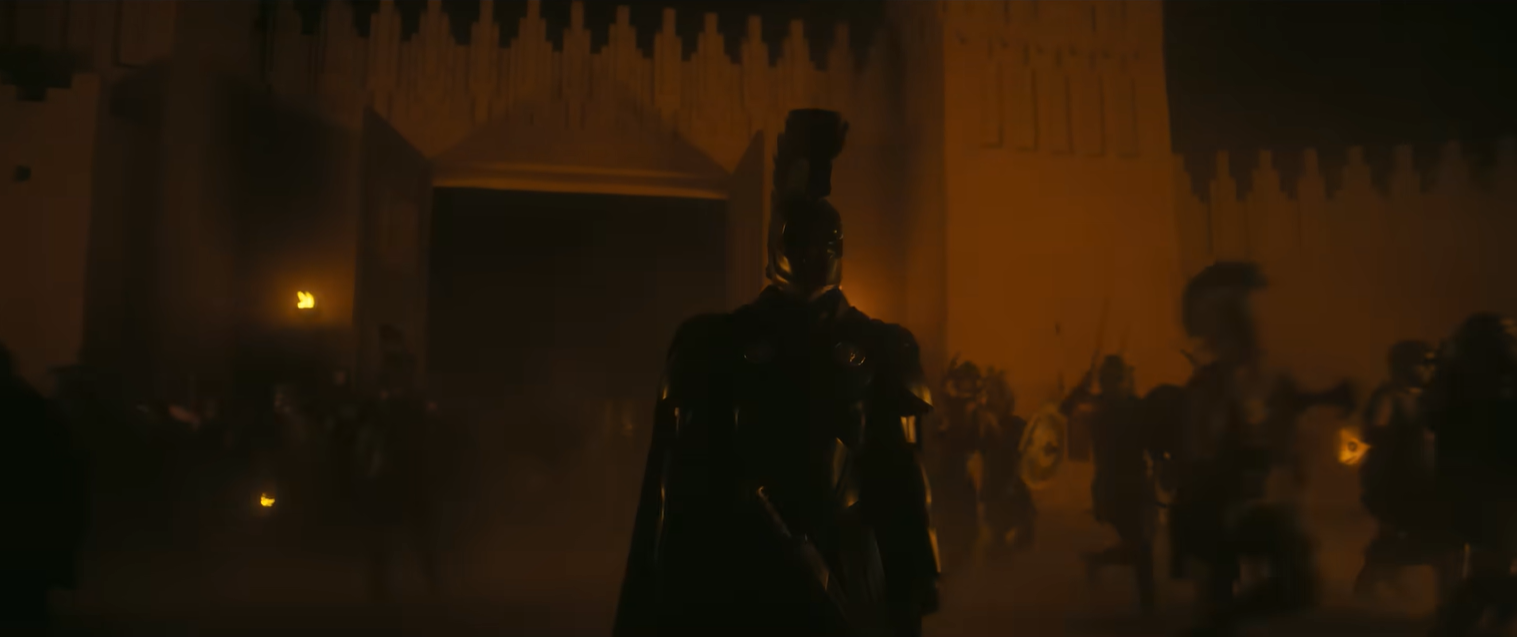
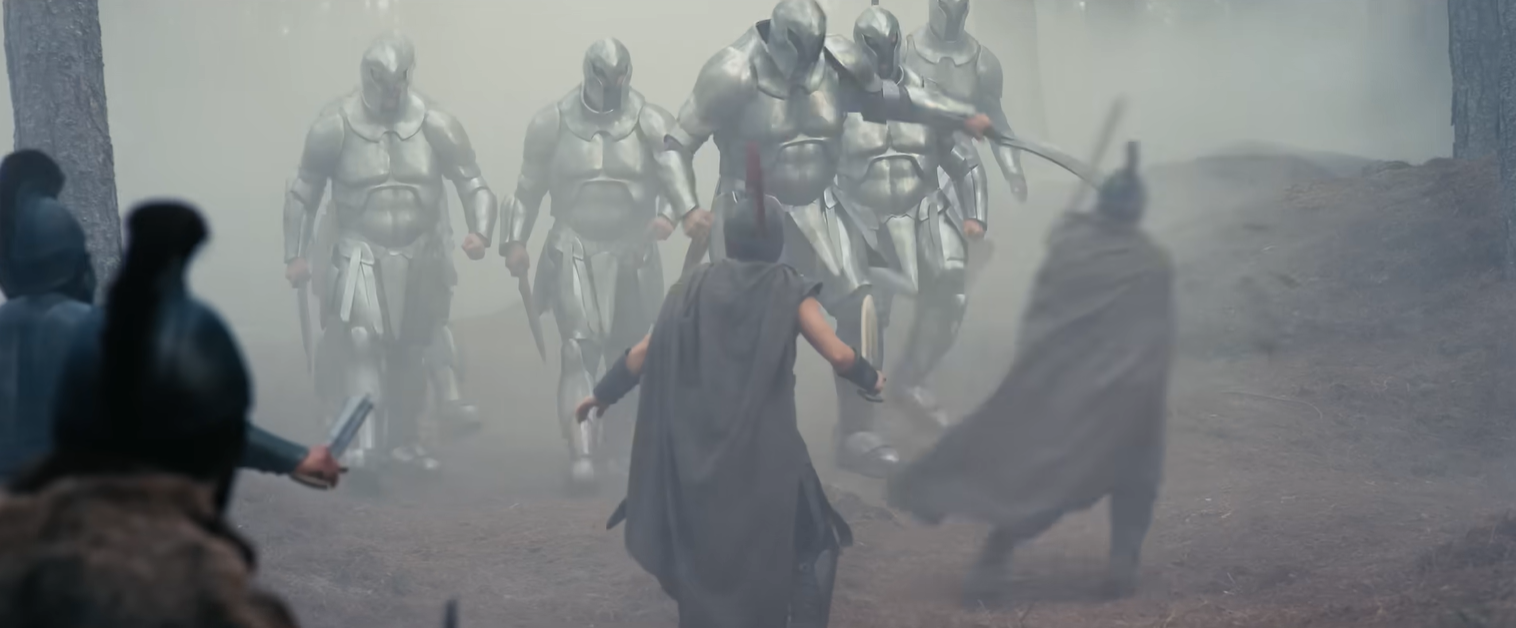
At the other side, Odysseus continues to tell Calypso what he’s remembering about his past: He and his men arrive at another island and meet the Laestrygonians, giant men who slaughter most of Odysseus’s men and sink two of their ships. The rest barely escapes.
When they land again, Odysseus’s men, believing that he’s brought them bad luck, head off to a smoke from deep in the forest without him. They find Circe, a “terrified woman” who turns out to be a witch, who gives the soldiers food that bewitches them into pigs.
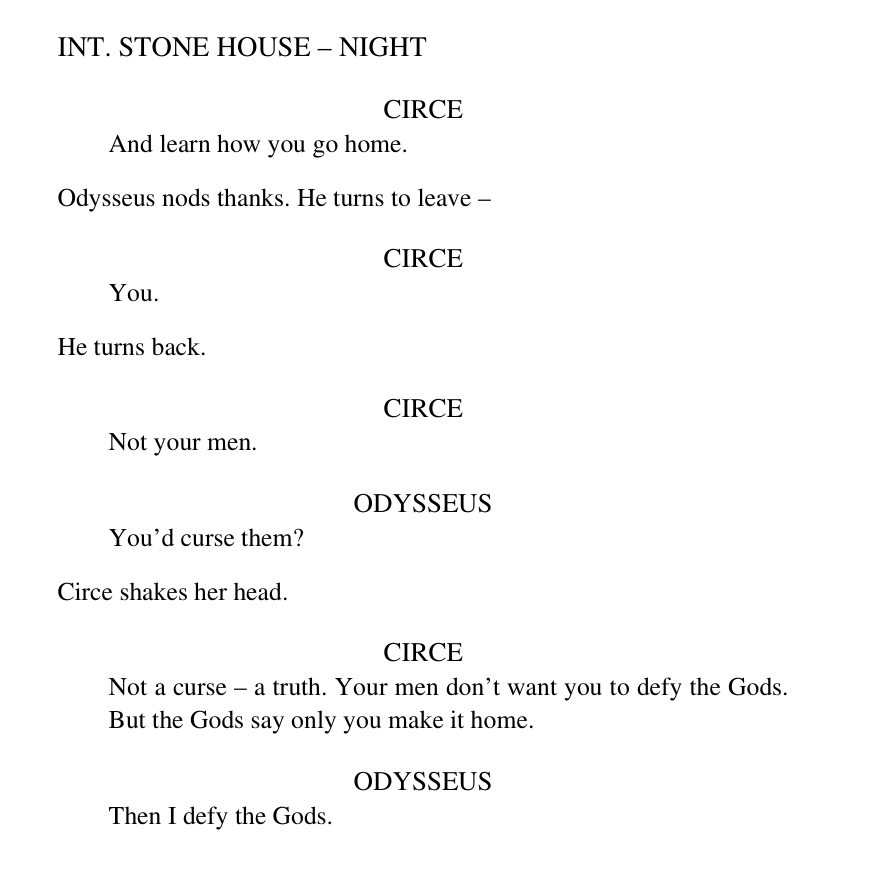
Odysseus arrives at Circe’s house. He is just about to accept her food when he recognizes his soldier’s ring left in the cabin. He forces Circe to change his men back. Circe tells Odysseus that his men would’ve harmed her if she’d not defended herself, but gave Odysseus a revelation: that he should visit Hades to find out how he, alone, will make it home.
Midpoint
At Hades, Odysseus meets Sinon, who blames Odysseus for his deception. He also reveals that, instead of taking care of Sinon’s family like he promised, Antinous has cheated them both. He makes Odysseus promise to take his lot back to Antinous; and that, when Odysseus goes home, he will head into the unknown west to give sacrifice and honor the fallen men he’s failed to bury.
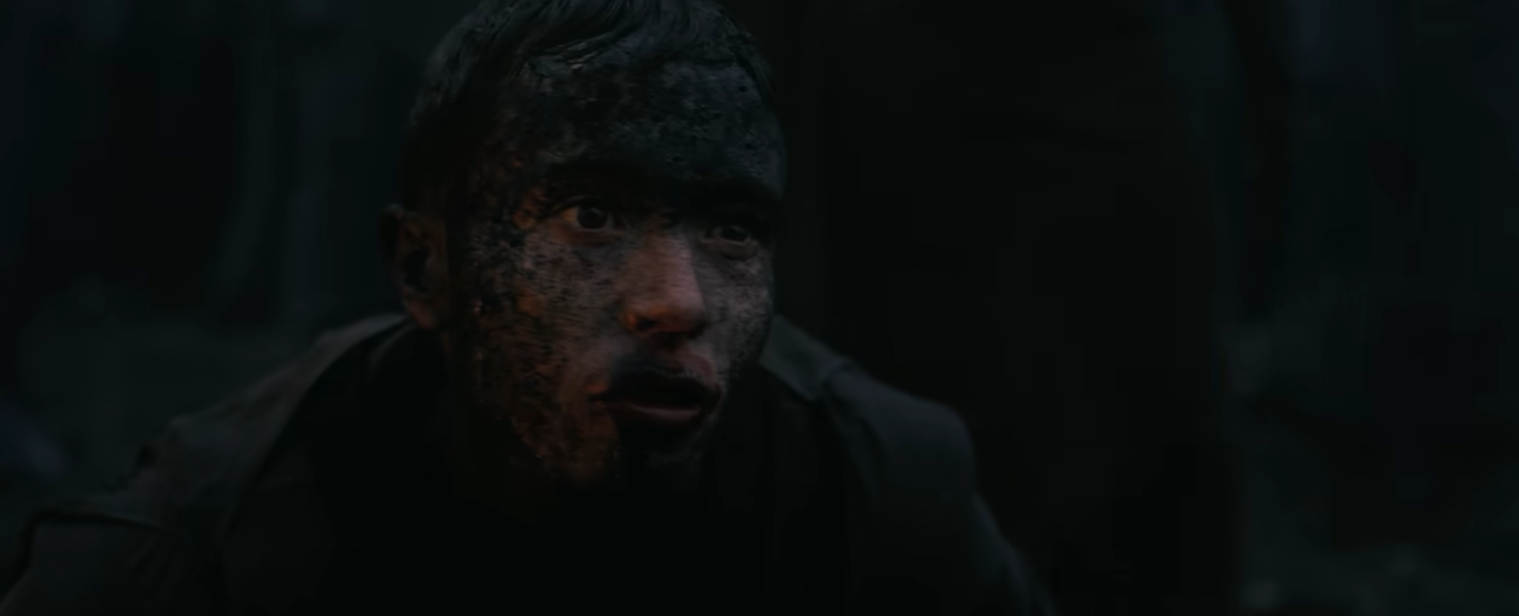
Agamemnon appears too. He tells Odysseus that, when he went home, his aggrieved wife killed him because he sacrificed their daughter to the gods to ensure winning the war. He warns Odysseus to disguise himself when he goes home.
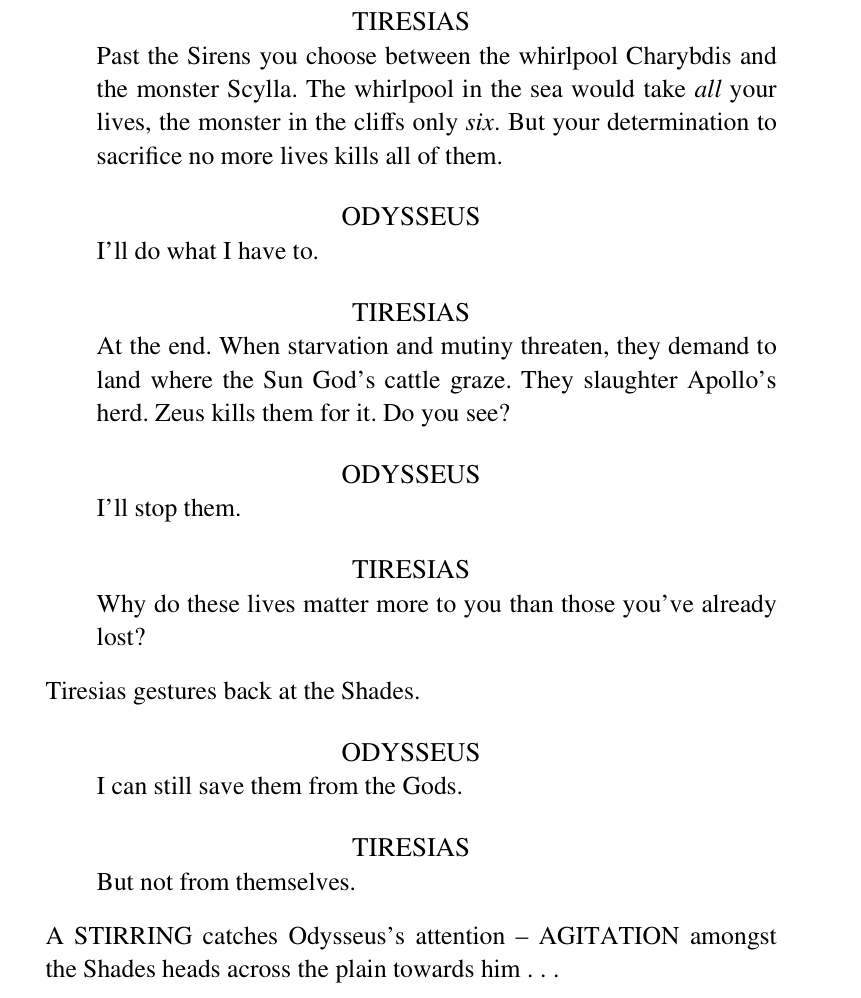
The blind prophet Tiresias foretells three more obstacles Odysseus will encounter, but Odysseus is determined to overcome all of them and to bring his men home.
Bad To Worse
Back to the present, Antinous conspires with Penelope’s maid Melantho to win Penelope.
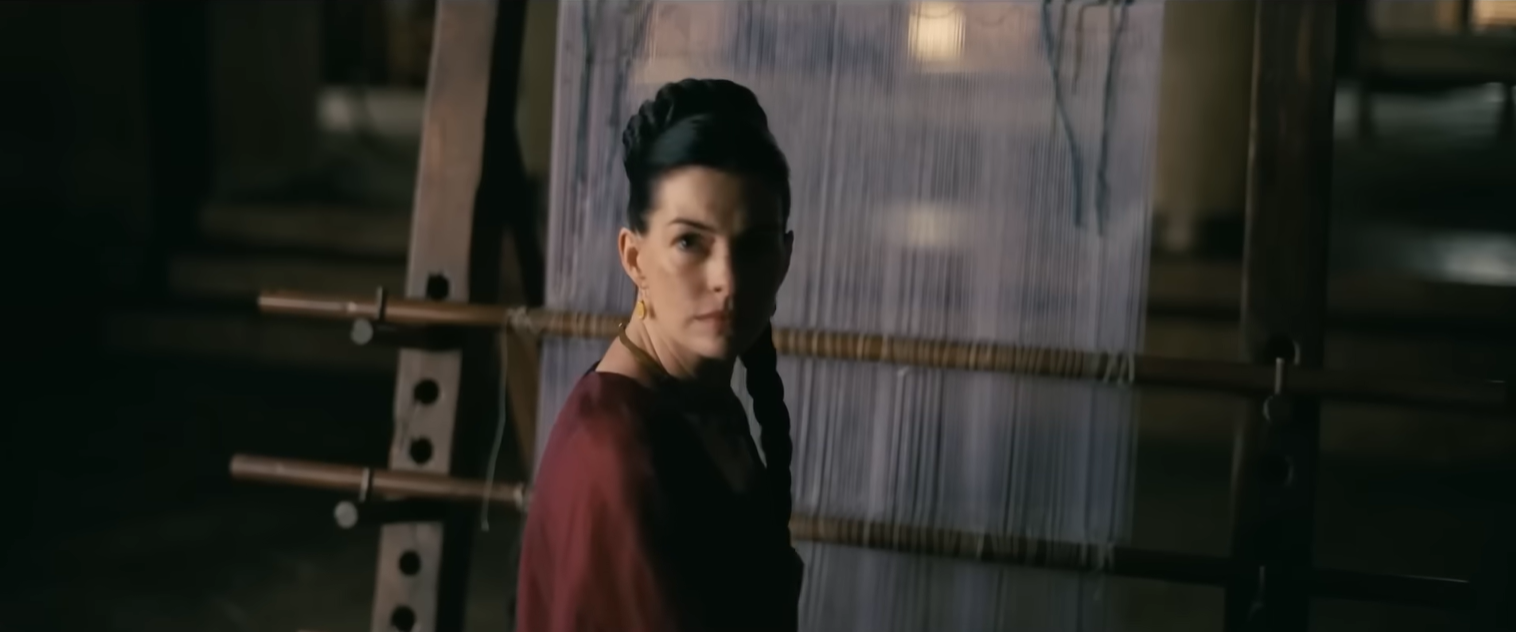
Melantho leaks to Antinous that Telemachus has gone to Sparta. Meanwhile, Telemachus hunts with Menelaus, who tells him that he needs to go back to Ithaca and become a true leader.
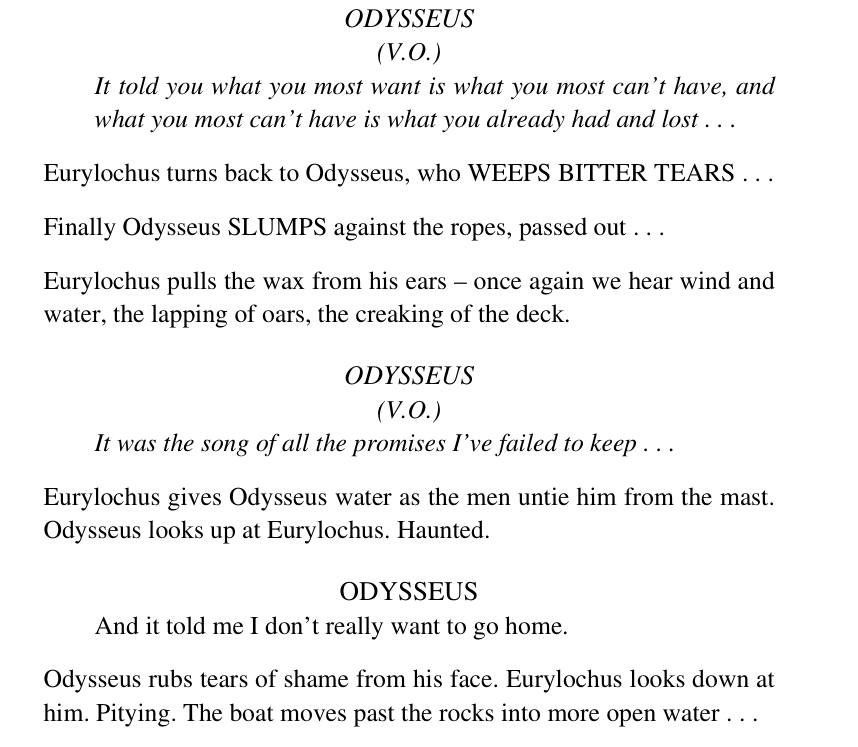
Odysseus begins remembering the rest of his journey. When passing the sirens, he blocks all his soldiers’ ears with wax, but has himself tied to the mast to listen to the sirens’ songs.
At the next obstacle, Odysseus suggests going through the whirlpool, but his crew defies him and goes through Scylla, losing six of their men. Upon learning that Odysseus already knows that this would happen, they demand to know the rest of Tiresias’ prophecy. Odysseus tells them that if they eat the Sun God’s cattle, they would all die.
Odysseus and his crew are stranded for days on the Sun God’s island, and all their provisions run out. Eventually, the soldiers slaughter and eat an ox. Athena appears to Odysseus, trying to convince him to give in to fate.
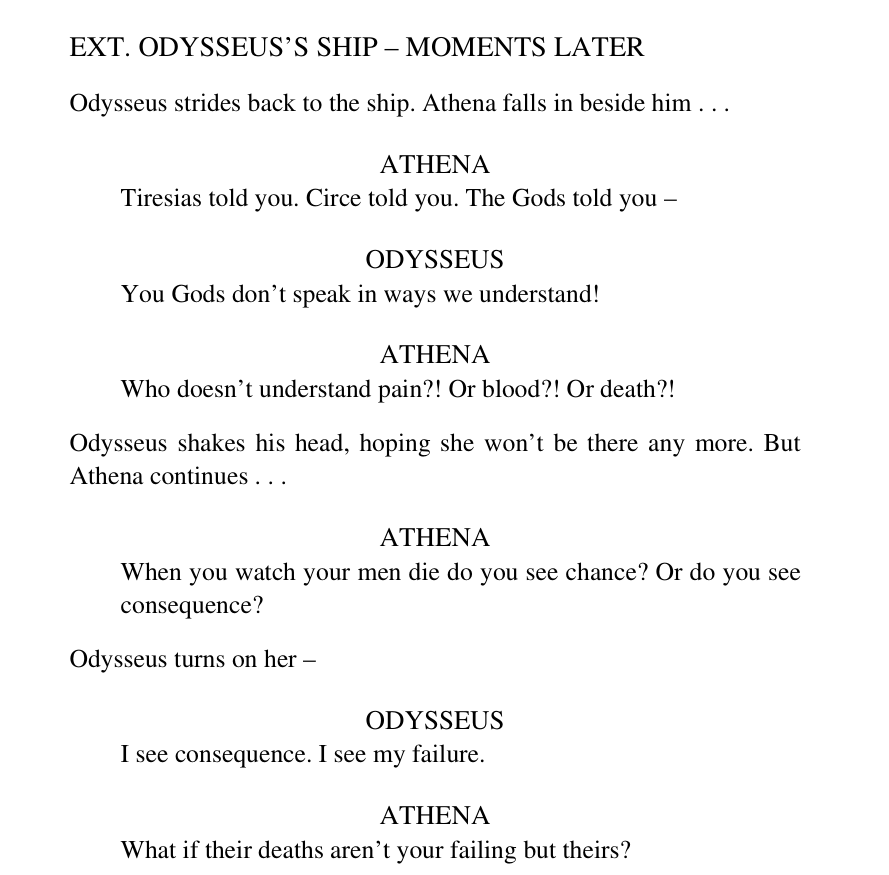
The soldiers are punished for eating the cattle. The ship runs into a storm and breaks apart, drowning everyone except Odysseus, who lands on Calypso’s shore.
In the present, Calypso tells Odysseus how she found him, nursed him back to health, and gave him the lotus that clouds his mind, making it easier for him to live with what he did. She’s fallen in love with him, and has kept him around for seven years. Now, she gives him back Penelope’s pin, which triggers Odysseus to finally remember the last piece of his puzzle: Penelope and home.
Finally, Odysseus is ready to go home. He gives up all control, lies down on a raft made of the ship’s broken parts, and lets the ocean take him.
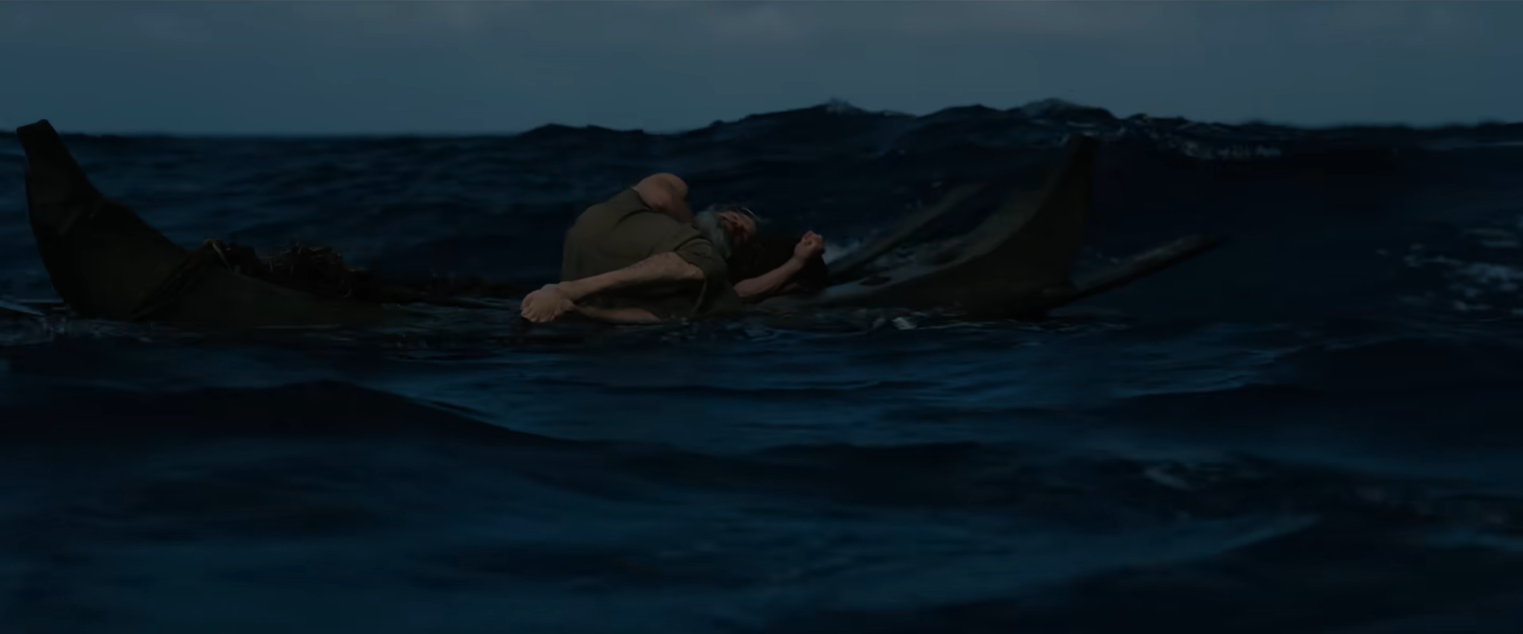
And just like that, Odysseus finds himself back at Ithaca.
Break Into Three
Some bandits Antinous sends to ambush Telemachus attack Eumaeus in his home before they leave, killing Eumaeus’s farmhands and dogs. Odysseus arrives to find Eumaeus burning their bodies. Odysseus promises Eumaeus that Odysseus isn’t dead, and that he is back to bring on vengeance.
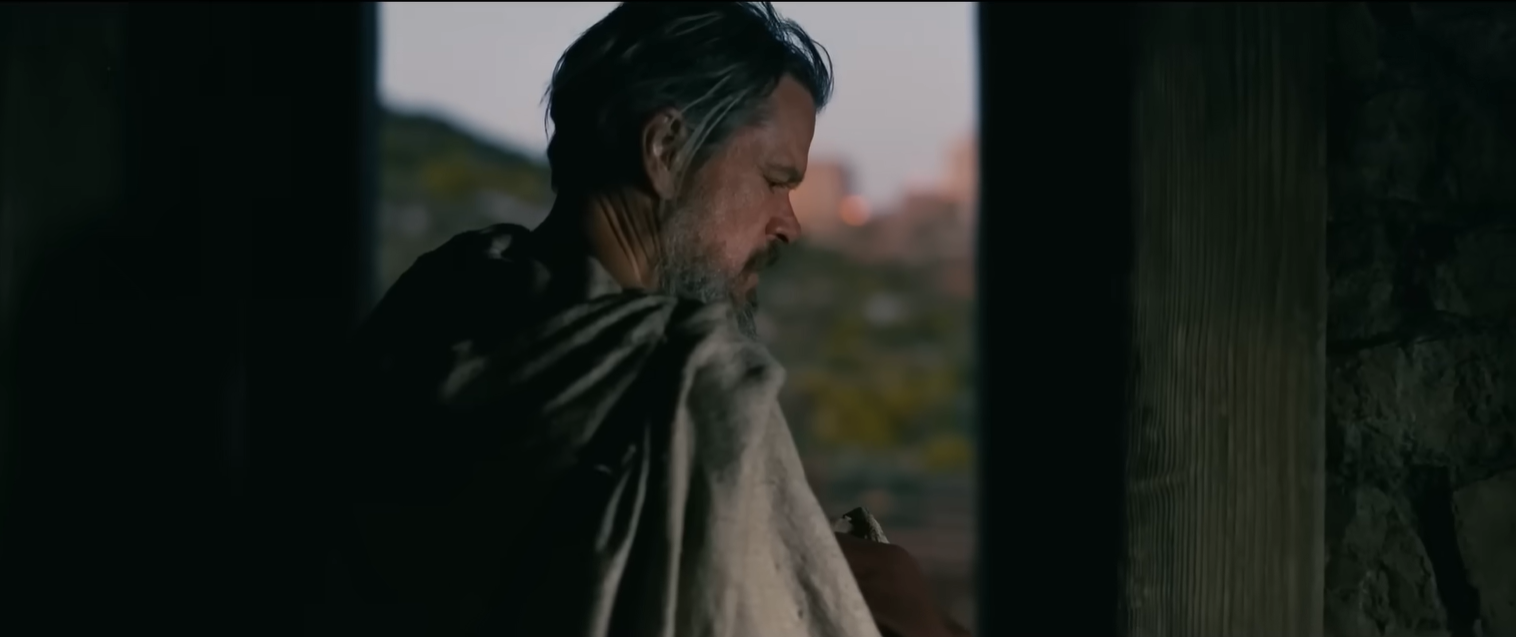
Odysseus saves Telemachus from the bandits, who were dressed up as priests. He does not reveal his identity to Telemachus, but tells him his name is Sinon and that he is a veteran of the Trojan War. However, when he arrives at the palace and greets the old dog Argos, Telemachus deduces who he is.
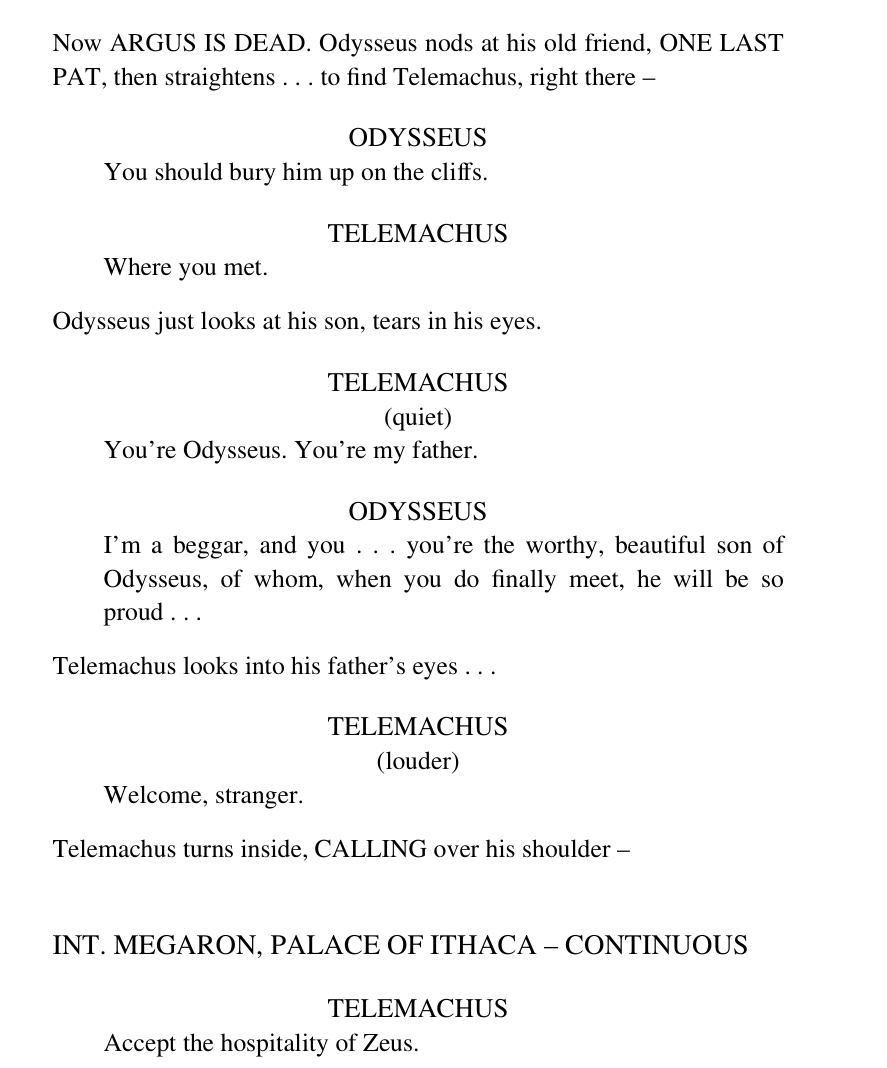
Telemachus throws a feast, bringing the suitors together. Odysseus, pretending to be a beggar, returns Sinon’s lot to Antinous, which terrifies Antinous.
Sitting across a screen, still under disguise, Odysseus talks to Penelope. He describes the brooch of Athena that Penelope once gave Odysseus and tells her about the night they broke Troy.
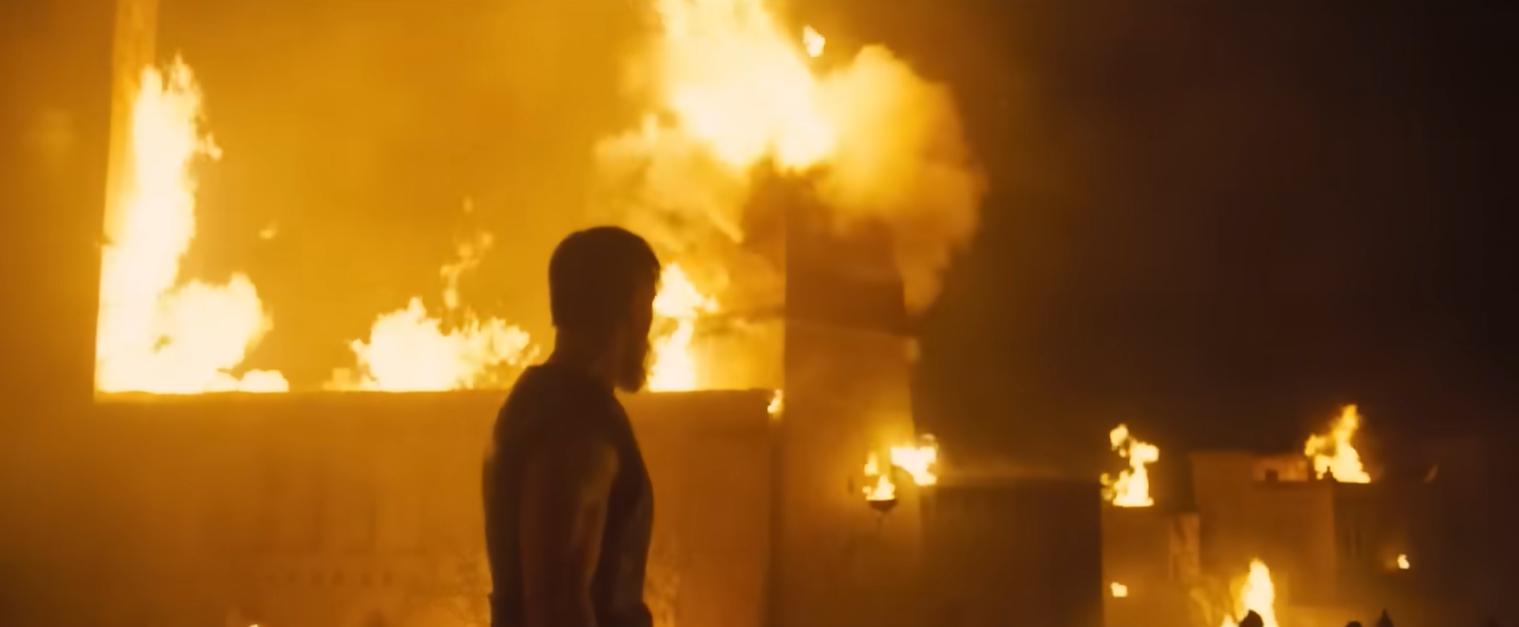
He tells her how he watched the walls of Troy burn down and realized that, through the Trojan Horse trick, he’s broken Zeus’s law and “violated all that’s ever sacred between people.” And he talks about the innocent Trojan woman who they murdered, who had the same face as Athena.
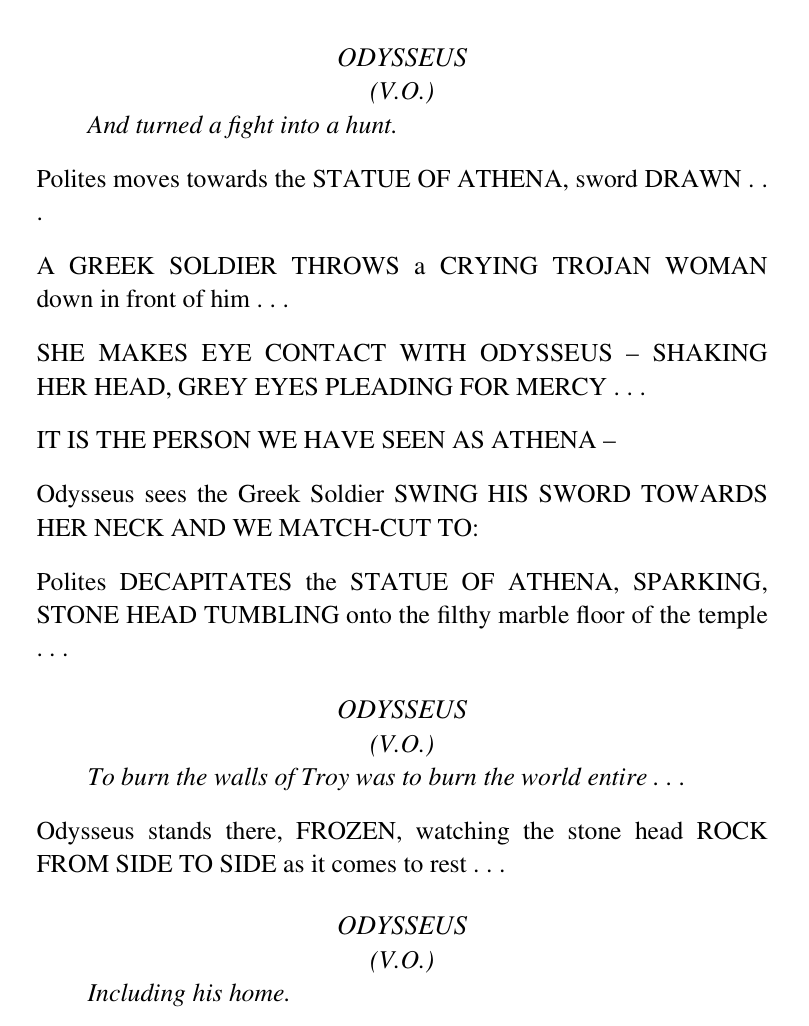
The film never fully explains why the woman’s face is the same as Athena’s. Maybe it is actually Athena, who’s decided to take this woman’s form when she shows up to Odysseus. Yet after this revelation, the script puts “Athena” in parenthesis. So maybe it is all Odysseus’s guilt and imagination, and that the “Athena” we’ve seen throughout the film is merely a personification of the pain he’s feeling inside.
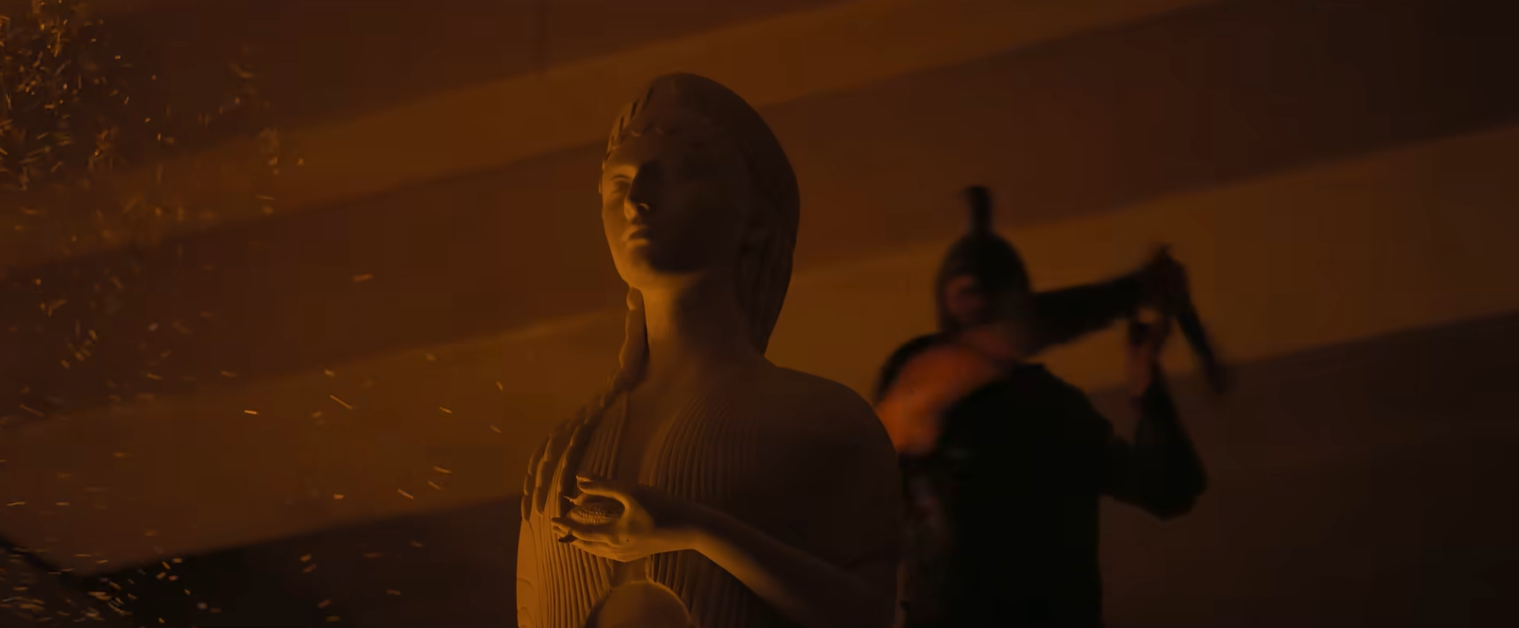
The image of Athena’s statue being decapitated has repeated many times throughout the film, but we never understand its true meaning, or why it’s haunted Odysseus like this, until now.
Penelope realizes that the rumors she’s been hearing, of people from the sea, who violate Zeus’s law, are of Odysseus and his men. What breaks their civilization is not an outside intruder. It is themselves.
Finale
Penelope announces that she will accept a suitor. Telemachus and Odysseus hide all weapons in the storage upstairs.
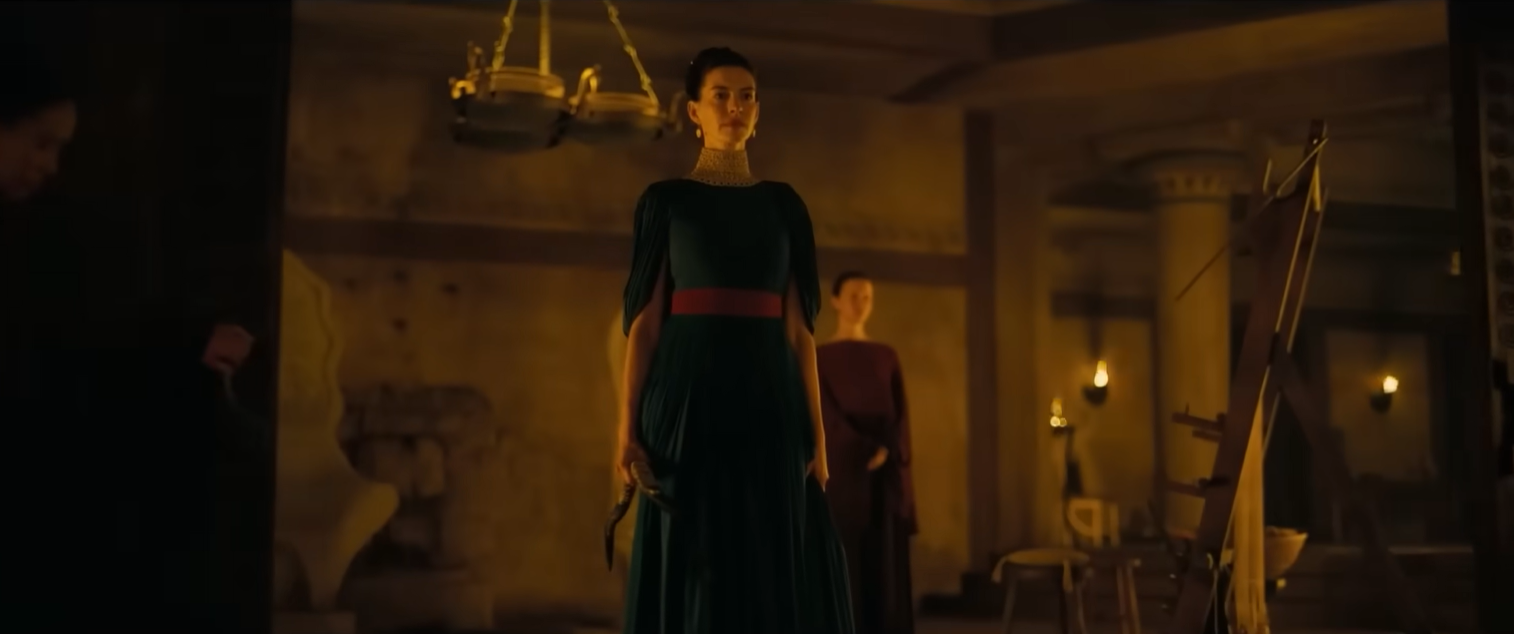
When night arrives the next day, Penelope declares that the person capable of stringing Odysseus’s old bow will become her husband. The suitors try one by one, but no one is successful. Odysseus volunteers to try, receiving taunts from the suitors, especially Antinous. At the last moment, however, Odysseus strings the bow and releases an arrow, hitting the mark.
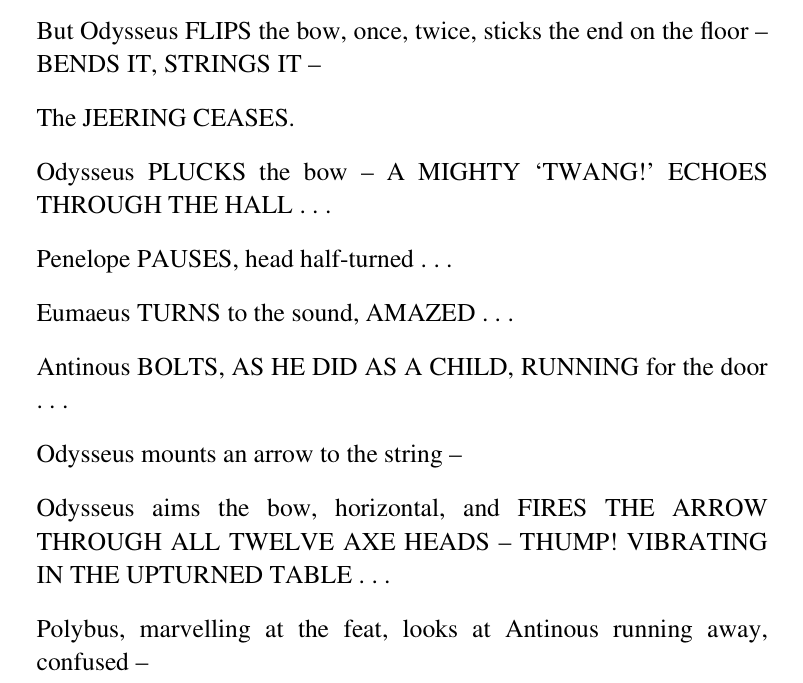
The suitors find themselves at the receiving end of Odysseus’s slaughter. A servant, loyal to Antinous, goes to the storage to look for the rest of the weapons, but Eumaeus locks him inside. He digs a hole through the floor and drops weapons through it. Telemachus fights him and stops him.
With the weapons thrown down, the suitors have Odysseus surrounded, but Telemachus drops him a sword in time, and Odysseus soon wins the upper hand, eventually killing Antinous, sticking Sinon’s lot into Antinous’s mouth as he goes. He has the rest of the suitors on their knees, paying him their respect.
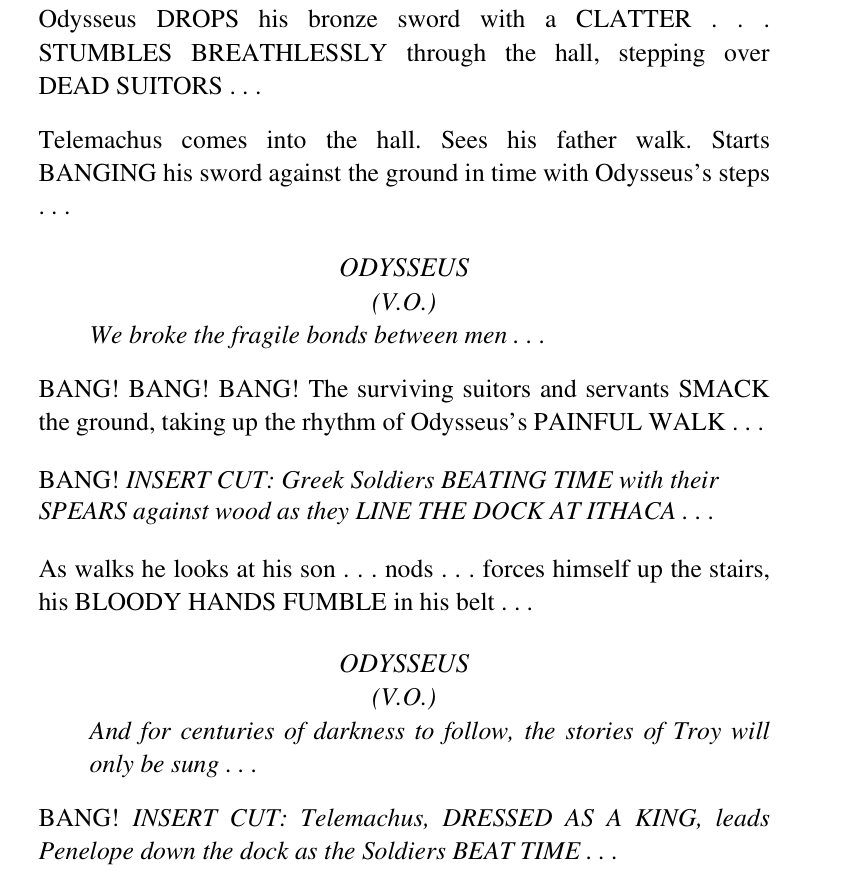
In the end, Telemachus takes over the throne, while Odysseus and Penelope sail off to the unknown west to honor their deceased men. Odysseus knows that one day, civilization will find its renewal, and their mistakes will once again be forgotten.
The Odyssey is not a perfect adaptation. There are moments in the film when the story seems to struggle between the ever-present magic, gods, and fate in the original, and the modern topics of anti-war and trauma. Odysseus is caught between the smart-ass-ness from the poem and the more serious, guilt-ridden characteristics that Nolan bestows him. Telemachus never truly realizes his arc, and Penelope’s dialogues sometimes feel out of place as well.
At the same time, where the adaptation struggles with its characters is where it shines with its themes. Going back to the words at the beginning of the film, “A TIME OF APPARENT MAGIC…” we realize that everything in the film can very well be a part of Odysseus’s imagination, or a story that he tells after he goes home, rather than reality.
Everything in this film is a story – a story that someone once told – and we are only seeing this film today because many, many people have been interested enough to keep telling this particular story. Nolan has now told his version: a story about storytelling, about what a story can miss after it’s being told too many times, and the lessons that retelling stories can uncover.